This article examines digital transformation in the textile industry, focusing on technologies like ERP systems, AI, IoT, blockchain, and smart textiles that enhance efficiency and sustainability. It explores global and regional initiatives, including India’s adoption of digital tools, and addresses challenges like cost and infrastructure gaps. The article highlights how these innovations align with circular economy principles to create a resilient, eco-friendly textile industry.
The textile industry, a cornerstone of global manufacturing, is undergoing a profound digital transformation that is reshaping how fabrics are designed, produced, and distributed. Traditionally resource-intensive, the industry accounts for approximately 10% of global carbon emissions and significant waste, according to the United Nations Environment Programme (www.unep.org/news-and-stories/story/tackling-textile-industrys-environmental-footprint). Digital tools such as Enterprise Resource Planning (ERP) systems, Artificial Intelligence (AI), the Internet of Things (IoT), and blockchain are driving efficiency, sustainability, and innovation. From smart factories to wearable tech, these technologies are revolutionizing textile production while addressing environmental and ethical challenges. This article provides a comprehensive analysis of digital transformation in the textile industry, integrating global advancements, regional efforts like India’s initiatives, and addressing challenges and future directions for a sustainable textile future.
The Need for Digital Transformation
The textile industry faces significant challenges, including high resource consumption, waste generation, and labor-intensive processes. Producing a single cotton T-shirt can require over 2,700 liters of water, while textile waste contributes an estimated 92 million tons annually to landfills (textilevaluechain.in/in-depth-analysis/articles/waste-management-methods-in-the-textile-industry). The linear “take-make-waste” model, as highlighted by the Ellen MacArthur Foundation, exacerbates these issues, with less than 1% of textiles recycled into new garments (www.ellenmacarthurfoundation.org/a-new-textiles-economy). Digital transformation addresses these challenges by streamlining operations, reducing environmental impact, and enabling circular economy models. By integrating advanced technologies, the industry can enhance efficiency, improve sustainability, and meet growing consumer demand for eco-friendly and innovative products.
ERP Systems, AI, and IoT in Textile Manufacturing
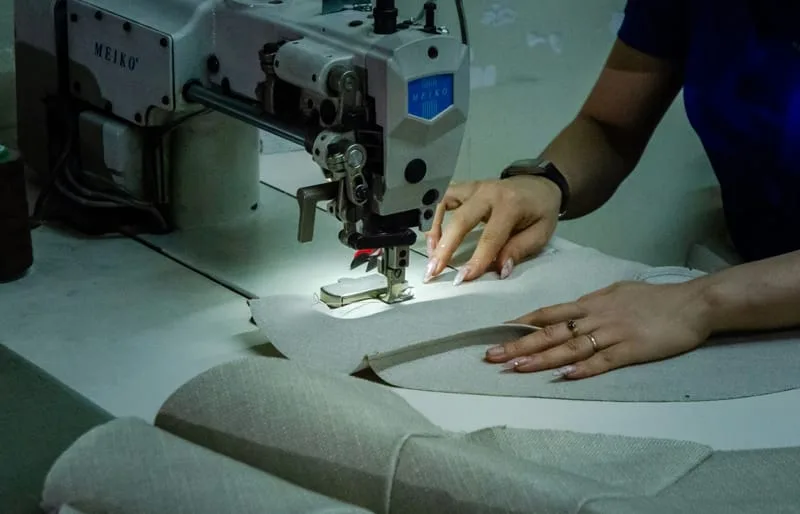
Digital tools like ERP systems, AI, and IoT are transforming textile manufacturing by optimizing operations from raw material sourcing to final delivery. ERP systems integrate processes like inventory management, production planning, and supply chain logistics, enabling real-time data access and agile decision-making. AI-powered tools, such as defect detection systems, analyze fabric quality with precision, reducing waste by identifying flaws early. IoT-enabled smart factories use sensors and connected devices to monitor machinery, predict maintenance needs, and optimize energy use. For example, automated cutting machines and robotic sewing arms, adopted by brands like Uniqlo, enhance precision and reduce material waste by up to 20% (www.uniqlo.com). These technologies create a responsive, efficient production ecosystem that minimizes resource consumption.
Sustainability Through Digital Innovation
Sustainability is a key driver of digital transformation in textiles. Blockchain platforms like CircularID and RFID technology enable transparent tracking of materials across the supply chain, ensuring ethical sourcing and supporting circular economy models (www.circularid.com). Waterless dyeing systems, such as supercritical CO₂ dyeing by DyeCoo, eliminate wastewater and reduce energy use by up to 50%, offering a low-impact alternative to traditional methods (www.dyecoo.com). Digital textile printing, pioneered by companies like Kornit Digital, minimizes water and dye waste while enabling small-batch production for customized designs (www.kornit.com). Laser finishing and ozone-mist washing, used by Levi Strauss & Co., reduce water consumption and improve worker safety by eliminating harmful chemicals (www.levistrauss.com/sustainability/planet/water). These innovations align with consumer demand for eco-friendly fashion and regulatory pressures for sustainability.
Smart Textiles and Wearable Technology
Smart textiles and wearable technology are emerging as transformative outcomes of digital innovation. These fabrics, embedded with sensors, LEDs, or wireless modules, integrate microelectronics with fiber technology to create garments with advanced functionalities. In healthcare, smart textiles monitor bio-signals like heart rate and body temperature, as seen in products by companies like Myant (www.myant.ca). In sports, fabrics with moisture-wicking and temperature-regulating properties enhance performance, while fashion brands like CuteCircuit create garments with interactive LED displays (www.cutecircuit.com). These innovations expand the textile industry’s scope, appealing to tech-savvy consumers and creating new market opportunities. However, high development costs and technical complexity pose challenges for widespread adoption.
Circular Economy and Digital Tools
Digital transformation supports the circular economy by enabling material traceability and waste reduction. Blockchain and RFID technologies provide verifiable data on a garment’s lifecycle, from raw material to end-of-life recycling, as implemented by platforms like TextileGenesis (www.textilegenesis.com). Digital tools facilitate take-back programs, such as those by Patagonia, where consumers return used garments for recycling or resale (www.patagonia.com/stories/worn-wear). AI-driven sorting systems, like those from Greyparrot, improve recycling efficiency by accurately separating textiles for reuse, reducing landfill waste (greyparrot.ai). These technologies create a closed-loop system, aligning with the circular economy’s goal of keeping materials in use and minimizing environmental impact.
Regional Initiatives: India’s Digital Transformation Efforts
India, a global textile hub, is embracing digital transformation to enhance sustainability and competitiveness. The National Technical Textiles Mission promotes the adoption of smart textiles and digital manufacturing technologies, supporting innovations like IoT-enabled machinery and blockchain traceability (texmin.nic.in). In the Garo Hills, waste-to-wealth programs use digital platforms to market eco-friendly textiles made from agricultural byproducts, such as banana and pineapple fibers, fostering sustainable local economies (www.nesfas.org). Large-scale manufacturers like Aditya Birla Fashion and Retail are integrating ERP systems and AI-driven quality control, improving efficiency and reducing waste (www.abfrl.com). These initiatives position India as a leader in sustainable textile innovation, blending traditional craftsmanship with modern technology.
Policy Frameworks and Industry Standards
Policy frameworks are essential for scaling digital transformation in textiles. The European Union’s Strategy for Sustainable and Circular Textiles encourages the adoption of digital tools like blockchain and AI to enhance transparency and sustainability (ec.europa.eu/environment/strategy/textiles-strategy_en). In India, the Solid Waste Management Rules 2016 support digital solutions for waste reduction and recycling, aligning with circular economy goals (cpcb.nic.in/solid-waste-management-rules-2016). Certifications like the Global Organic Textile Standard (GOTS) and bluesign® ensure that digitally transformed processes meet environmental and ethical standards, fostering consumer trust (www.global-standard.org; www.bluesign.com). These frameworks provide a foundation for brands to adopt and market sustainable technologies effectively.
Challenges to Digital Transformation
Despite its potential, digital transformation in the textile industry faces significant challenges. High upfront costs for technologies like AI, IoT, and blockchain can deter small and medium-sized enterprises, particularly in regions with limited infrastructure. Skill gaps among workers require extensive training to operate advanced systems, while cybersecurity concerns, such as data breaches in IoT networks, pose risks to digital operations. Regulatory disparities across countries complicate global adoption, with regions like the EU advancing faster than others. Addressing these challenges requires strategic investments, workforce development, and international collaboration to ensure equitable access to digital tools.
The Role of Consumers and Brands
Consumers play a critical role in driving digital transformation by demanding transparency and sustainability. By supporting brands that use digital tools like blockchain for traceability or waterless dyeing for eco-friendly production, consumers can influence industry practices. Platforms like ThredUp and Rent the Runway leverage digital technology to offer second-hand and rental fashion, appealing to eco-conscious consumers (www.thredup.com; www.renttherunway.com). Campaigns like Fashion Revolution’s “Who Made My Clothes?” use digital platforms to educate consumers about sustainable practices, encouraging informed choices (www.fashionrevolution.org).
Brands must lead by integrating digital technologies into their operations and marketing. Companies like Reformation use blockchain for supply chain transparency, enhancing consumer trust (www.thereformation.com/pages/sustainability). Collaborations with organizations like the Sustainable Apparel Coalition, which developed the Higg Index, help brands measure and communicate their digital and sustainability efforts (apparelcoalition.org/higg-index). By prioritizing digital innovation, brands can align with consumer values and drive market change.
Innovations Supporting Digital Transformation
Emerging technologies are expanding the scope of digital transformation in textiles. AI-driven design platforms, such as those from Unspun, enable on-demand production with minimal waste, using 3D knitting to create customized garments (unspun.io). Enzymatic recycling, pioneered by Carbios, uses digital monitoring to break down textiles biologically, supporting circular fashion (www.carbios.com). Digital twins—virtual models of production processes—optimize manufacturing by simulating outcomes and reducing errors. These innovations enhance efficiency, reduce environmental impact, and provide brands with compelling narratives for sustainable marketing.
The Future of Digital Transformation in Textiles
The future of digital transformation in textiles is promising, driven by continued innovation and collaboration. Advances in AI, IoT, and blockchain will further streamline production and enhance traceability, making sustainable practices more accessible. Smart textiles, with applications in healthcare, sports, and fashion, will expand market opportunities, appealing to tech-savvy consumers. Policy interventions, such as Extended Producer Responsibility (EPR) schemes, will incentivize digital adoption, while consumer demand for transparency and sustainability will drive market shifts. Collaborative efforts among brands, policymakers, and consumers will shape a future where digital transformation creates a resilient, eco-friendly textile industry.
Conclusion
Digital transformation is revolutionizing the textile industry by enhancing efficiency, sustainability, and innovation. Technologies like ERP systems, AI, IoT, blockchain, and smart textiles streamline operations and reduce environmental impact, while regional initiatives like India’s National Technical Textiles Mission demonstrate scalable impact. Despite challenges like cost, skill gaps, and infrastructure limitations, collaboration and innovation offer a path forward. By leveraging digital tools, brands can align with consumer values, promote circular economy principles, and create a textile industry that is both technologically advanced and environmentally responsible, paving the way for a sustainable future.
Citations
- United Nations Environment Programme. “Tackling the Textile Industry’s Environmental Footprint.” UNEP, www.unep.org/news-and-stories/story/tackling-textile-industrys-environmental-footprint. Accessed 18 July 2025.
- Ellen MacArthur Foundation. “A New Textiles Economy: Redesigning Fashion’s Future.” Ellen MacArthur Foundation, www.ellenmacarthurfoundation.org/a-new-textiles-economy. Accessed 18 July 2025.
- Textile Value Chain. “Waste Management Methods in the Textile Industry.” Textile Value Chain, textilevaluechain.in/in-depth-analysis/articles/waste-management-methods-in-the-textile-industry. Accessed 18 July 2025.
- Uniqlo. “Sustainability at Uniqlo.” Uniqlo, www.uniqlo.com. Accessed 18 July 2025.
- CircularID. “Traceability for Circular Fashion.” CircularID, www.circularid.com. Accessed 18 July 2025.
- DyeCoo. “Waterless Dyeing Technology.” DyeCoo, www.dyecoo.com/. Accessed 18 July 2025.
- Kornit Digital. “Digital Textile Printing.” Kornit Digital, www.kornit.com/. Accessed 18 July 2025.
- Levi Strauss & Co. “Sustainability: Water Conservation.” Levi Strauss, www.levistrauss.com/sustainability/planet/water/. Accessed 18 July 2025.
- Myant. “Smart Textiles for Healthcare.” Myant, www.myant.ca. Accessed 18 July 2025.
- CuteCircuit. “Interactive Fashion Technology.” CuteCircuit, www.cutecircuit.com. Accessed 18 July 2025.
- TextileGenesis. “Blockchain for Textile Traceability.” TextileGenesis, www.textilegenesis.com. Accessed 18 July 2025.
- Greyparrot. “AI-Driven Waste Sorting Solutions.” Greyparrot, greyparrot.ai/. Accessed 18 July 2025.
- Patagonia. “Worn Wear: Repair and Reuse.” Patagonia, www.patagonia.com/stories/worn-wear/. Accessed 18 July 2025.
- North East Slow Fashion Network. “Sustainable Textiles in India.” NESFAS, www.nesfas.org/. Accessed 18 July 2025.
- Aditya Birla Fashion and Retail. “Sustainability Initiatives.” ABFRL, www.abfrl.com. Accessed 18 July 2025.
- Ministry of Textiles, Government of India. “National Technical Textiles Mission.” Texmin, texmin.nic.in/. Accessed 18 July 2025.
- European Commission. “EU Strategy for Sustainable and Circular Textiles.” European Commission, ec.europa.eu/environment/strategy/textiles-strategy_en. Accessed 18 July 2025.
- Central Pollution Control Board. “Solid Waste Management Rules 2016.” CPCB, cpcb.nic.in/solid-waste-management-rules-2016/. Accessed 18 July 2025.
- Global Organic Textile Standard. “GOTS: The Leading Organic Textile Standard.” GOTS, www.global-standard.org/. Accessed 18 July 2025.
- Bluesign. “Sustainable Textile Solutions.” Bluesign, www.bluesign.com. Accessed 18 July 2025.
- ThredUp. “Secondhand Fashion Marketplace.” ThredUp, www.thredup.com/. Accessed 18 July 2025.
- Rent the Runway. “Fashion Rental for Sustainability.” Rent the Runway, www.renttherunway.com/. Accessed 18 July 2025.
- Fashion Revolution. “Who Made My Clothes?” Fashion Revolution, www.fashionrevolution.org/. Accessed 18 July 2025.
- Reformation. “Sustainability at Reformation.” Reformation, www.thereformation.com/pages/sustainability. Accessed 18 July 2025.
- Sustainable Apparel Coalition. “Higg Index.” Sustainable Apparel Coalition, apparelcoalition.org/higg-index/. Accessed 18 July 2025.
- Unspun. “Sustainable Denim Innovation.” Unspun, unspun.io/. Accessed 18 July 2025.
- Carbios. “Enzymatic Recycling Technology.” Carbios, www.carbios.com/. Accessed 18 July 2025.