From geotextiles that stabilize roads to medtech fabrics that save lives, this guide breaks down the 12 categories of technical textiles and their real-world uses.
Introduction: The Many Faces of Technical Textiles
Technical textiles are not just fabrics — they’re engineered solutions. Each type is designed to meet specific performance requirements for a defined purpose. From stabilizing roads with geotextiles to saving lives with medical textiles, these materials often work silently in the background of our daily lives.
While the general concept of technical textiles focuses on function over fashion, the application-based classification system helps us understand their diverse uses. This article will take you through the major categories of technical textiles, their properties, manufacturing methods, and real-world applications.
1. The Techtextil Classification System
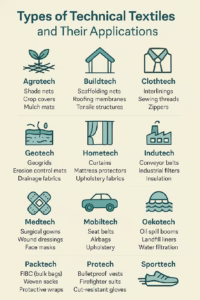
The most widely recognized classification comes from Techtextil, the international trade fair for technical textiles and nonwovens. It divides technical textiles into 12 sectors based on their applications:
- Agrotech – Agriculture, horticulture, forestry
- Buildtech – Building and construction
- Clothtech – Clothing components
- Geotech – Geotechnical and civil engineering
- Hometech – Home furnishings with functional properties
- Indutech – Industrial uses
- Medtech – Medical and hygiene
- Mobiltech – Transport (land, sea, air)
- Oekotech – Environmental protection
- Packtech – Packaging
- Protech – Personal and property protection
- Sporttech – Sports and leisure
2. Agrotech – Textiles for Agriculture
Definition & Purpose
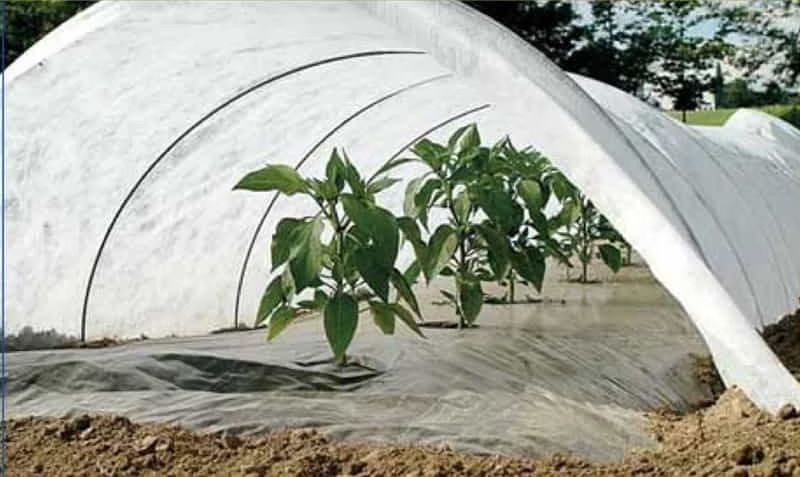
Agrotech textiles are used to improve crop yield, protect plants, and enhance agricultural efficiency.
Materials
- Polypropylene (PP)
- Polyester (PET)
- Jute and coir for biodegradable applications
Examples
- Shade nets to protect plants from excessive sunlight
- Crop covers for frost protection
- Mulch mats to control weeds
- Fishing nets and aquaculture cages
Applications
- Farming: Weed control fabrics, greenhouse coverings
- Forestry: Seed blankets, erosion prevention mats
- Aquaculture: Fish farming enclosures
Impact: Agrotech materials reduce water usage, control pests without chemicals, and enhance plant growth cycles.
3. Buildtech – Textiles in Construction
Definition & Purpose
Buildtech textiles provide structural support, safety, and weather resistance in construction projects.
Materials
- Fiberglass
- Polyester
- Polyolefins
Examples
- Scaffolding safety nets
- Roofing membranes
- Tensile fabric structures for stadiums
- Concrete reinforcement meshes
Applications
- Building facades: Aesthetic yet functional shading materials
- Temporary shelters: Disaster relief tents
- Infrastructure: Waterproofing layers for tunnels and bridges
Impact: Buildtech materials increase structural life, improve worker safety, and offer creative architectural solutions.
4. Clothtech – Components for Clothing
Definition & Purpose
Clothtech includes non-visible functional components in apparel, footwear, and accessories.
Materials
- Polyester
- Polyamide (Nylon)
- Cotton blends
Examples
- Interlinings for collars and cuffs
- Elastic waistbands
- Sewing threads
- Zipper tapes
Applications
- Apparel manufacturing: Shape retention and comfort
- Footwear: Cushioning and reinforcement
- Workwear: Moisture control linings
Impact: Enhances durability, comfort, and performance of everyday clothing.
5. Geotech – Textiles for Soil and Water Engineering

Definition & Purpose
Geotextiles stabilize soil, prevent erosion, and improve drainage in civil engineering and environmental projects.
Materials
- Polypropylene
- Polyester
- Natural fibers (coir, jute)
Examples
- Geogrids for road stabilization
- Erosion control blankets
- Drainage fabrics
Applications
- Road construction: Base reinforcement
- Riverbanks: Erosion prevention
- Landfills: Barrier layers
Impact: Geotextiles extend infrastructure life and reduce environmental damage.
6. Hometech – Functional Home Textiles
Definition & Purpose
Hometech products combine comfort with special performance features for domestic use.
Materials
- Cotton blends
- Polyester
- Acrylics
Examples
- Fire-retardant curtains
- Mattress protectors
- Upholstery fabrics with stain resistance
Applications
- Home interiors: Safety and hygiene
- Hospitality industry: Durable, easy-to-clean fabrics
Impact: Improves safety, comfort, and lifespan of home furnishings.
7. Indutech – Industrial Applications
Definition & Purpose
Indutech textiles serve industrial filtration, reinforcement, and insulation needs.
Materials
- Glass fibers
- Aramids (Nomex, Kevlar)
- Polypropylene
Examples
- Conveyor belts
- Industrial filters
- Insulation wraps
Applications
- Manufacturing: Dust filtration in cement plants
- Energy sector: Thermal insulation for power plants
- Mining: Conveyor belts and protective gear
Impact: Enhances industrial productivity and reduces environmental emissions.
8. Medtech – Medical & Hygiene Textiles
Definition & Purpose
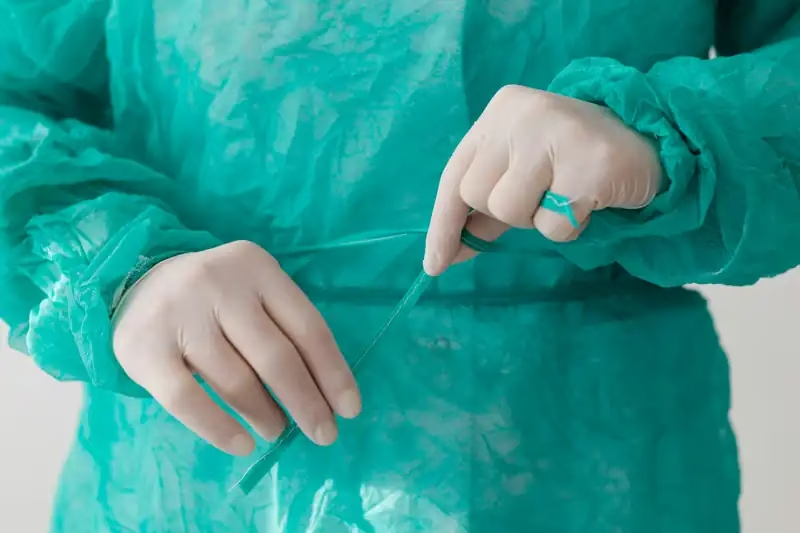
Medtech textiles protect patients and healthcare workers, assist in healing, and maintain hygiene.
Materials
- Cotton
- Polypropylene nonwovens
- Polyurethane (PU) films
Examples
- Surgical gowns and drapes
- Bandages and wound dressings
- Artificial ligaments
- Face masks
Applications
- Hospitals: Infection control
- Elder care: Incontinence products
- Surgery: Absorbable sutures
Impact: Medtech saves lives through sterile barriers, improved recovery rates, and reduced infection risks.
9. Mobiltech – Transport Textiles

Definition & Purpose
Mobiltech covers textiles used in all modes of transport for safety, comfort, and performance.
Materials
- Nylon
- Polyester
- Polyurethane-coated fabrics
Examples
- Airbags
- Seat belts
- Car upholstery
- Aircraft seat covers
Applications
- Automotive: Crash safety and comfort
- Aviation: Lightweight, flame-resistant interiors
- Marine: Weatherproof covers and sails
Impact: Improves passenger safety, fuel efficiency, and comfort.
10. Oekotech – Environmental Protection
Definition & Purpose
Oekotech textiles are used to protect and restore the environment.
Materials
- Polypropylene
- Polyester
- Biodegradable fibers
Examples
- Oil spill containment booms
- Landfill liners
- Water filtration fabrics
Applications
- Pollution control: Air and water filters
- Waste management: Groundwater protection
- Disaster response: Oil spill cleanup
Impact: Oekotech reduces pollution, preserves ecosystems, and supports sustainability goals.
11. Packtech – Technical Packaging
Definition & Purpose
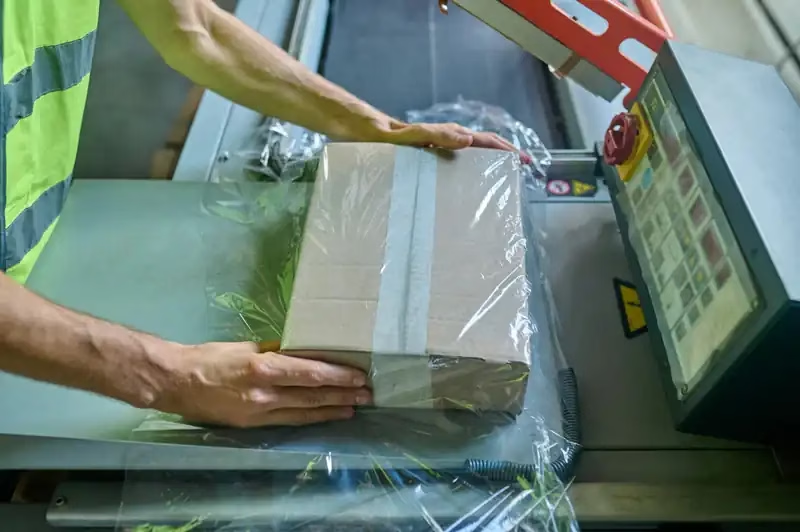
Packtech textiles provide durable, reusable, and protective packaging solutions.
Materials
- Polypropylene
- Jute
- Polyester
Examples
- FIBC (bulk bags)
- Woven sacks
- Protective wraps for machinery
Applications
- Agriculture: Grain storage
- Industry: Transporting heavy goods
- Retail: Reusable shopping bags
Impact: Protects products, reduces packaging waste, and improves handling efficiency.
12. Protech – Protective Textiles
Definition & Purpose
Protech textiles protect people and property from hazards.
Materials
- Aramids (Kevlar, Nomex)
- UHMWPE (Dyneema)
- Flame-retardant cotton
Examples
- Bulletproof vests
- Firefighter suits
- Cut-resistant gloves
Applications
- Defense: Military uniforms and gear
- Occupational safety: High-visibility jackets
- Sports: Impact-protection gear
Impact: Protech saves lives and reduces injury risks in dangerous environments.
13. Sporttech – Sports and Leisure
Definition & Purpose
Sporttech textiles enhance performance, comfort, and safety in sports.
Materials
- Polyester
- Lycra (Spandex)
- Nylon
Examples
- Moisture-wicking sportswear
- Parachutes
- Climbing ropes
Applications
- Athletics: Breathable uniforms
- Adventure sports: High-strength gear
- Water sports: Quick-dry fabrics
Impact: Improves athlete comfort, reduces injury risk, and enhances durability of sports equipment.
Conclusion: The Fabric of Modern Industry
From agriculture to aerospace, technical textiles shape modern life in ways most people don’t notice. Each category solves unique problems — whether it’s reinforcing roads, protecting soldiers, filtering pollutants, or enabling life-saving surgeries.
Understanding these types is not just academic; it’s the first step toward innovation in the textile sector. As technology evolves, the lines between these categories will blur — bringing us smarter, stronger, and more sustainable textiles.
FAQ
Technical textiles are classified into 12 categories—Agrotech, Buildtech, Clothtech, Geotech, Hometech, Indutech, Medtech, Mobiltech, Oekotech, Packtech, Protech, and Sporttech—based on application.
Examples include geogrids for road stabilization, erosion control mats, and drainage fabrics used in civil engineering and environmental projects.
Medtech textiles are used in medical and hygiene products such as surgical gowns, wound dressings, face masks, and artificial ligaments.
Agrotech textiles like shade nets, crop covers, and mulch mats protect plants, enhance yield, and conserve water in farming.
Protech textiles safeguard people and property through bulletproof vests, firefighter suits, cut-resistant gloves, and high-visibility safety gear.