
The art and science of pattern making and grading lie at the heart of the textile and apparel industry. Designers, technical developers, and manufacturers depend on precise patterns to transform raw fabrics into elegant garments. This article explains the fundamentals of pattern making and grading, details the evolution of the process, and examines its role in today’s fast-paced textile industry. We explore historical roots, technological innovations, production methods, challenges, and real-world applications.
Introduction
Pattern making and grading shape how garments fit and drape. Skilled pattern makers transform design sketches into detailed templates that guide fabric cutting. Modern grading systems adjust patterns across sizes without sacrificing proportions or style. Manufacturers use these techniques to ensure each piece meets industry quality and fit standards.
The process begins with a designer’s vision and evolves through technical drafting and iterative revisions. Educators and professionals at TextileSchool.com emphasize the importance of precision and creativity. The industry continues to harness cutting-edge technology, such as CAD software, to produce accurate patterns faster than ever before. This article explains the basics, history, production process, and market trends in pattern making and grading.
In addition, our discussion highlights key industry jargon, such as “slopers,” “darts,” “notches,” and “grading increments,” that every textile professional should know. We also examine the role of automation and digital tools in modernizing the process. Through actionable examples, charts, diagrams, and detailed tables, this article caters to both newcomers and seasoned experts.
History of Pattern Making and Grading
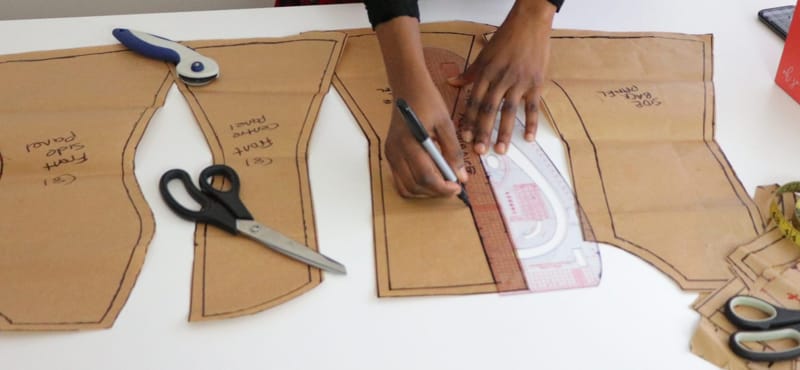
The origins of pattern making date back centuries. Early tailors created hand-drawn patterns to achieve the best fit using simple tools. In ancient times, artisans relied on basic instruments like rulers, compasses, and chalk to craft templates. Historical records indicate that pattern making evolved along with the development of textiles and clothing construction methods.
The industrial revolution spurred rapid changes. Mass production demanded standardized sizes and consistent fits. Tailors began to experiment with grading methods to adapt a single pattern for various sizes. Innovations in measurement and drafting techniques increased efficiency. Historical manuscripts and technical manuals from the early 1900s reveal early grading formulas that guided pattern adjustments.
Over time, the manual process gave way to more systematic approaches. Pattern makers developed a series of construction techniques, including block pattern development and fitting sessions. These practices laid the groundwork for today’s computerized systems. Innovators documented their methods in textbooks and industry journals, offering a detailed blueprint for future generations.
Many of these early techniques remain influential. Modern pattern makers still refer to hand-drafting principles, even as they incorporate digital tools. The evolution of grading practices has paralleled advances in technology, ensuring that traditional craftsmanship blends with modern efficiency. Detailed manuals, such as those published by the Textile Institute, continue to serve as essential references for understanding historical methods.
The history of pattern making also highlights cultural differences. Tailoring traditions vary worldwide, and each region offers unique insights into the evolution of garment construction. From European couture to Asian street fashion, regional influences have shaped the way patterns are drawn and graded. This rich history underpins the innovative practices used today, ensuring that the techniques remain dynamic and adaptable.
Technological Evolution in Pattern Making and Grading
The transition from manual drafting to digital design represents one of the most significant shifts in the textile industry. Early hand-drafted patterns required considerable time and effort. Today, computer-aided design (CAD) software accelerates the process, providing precise measurements and automated adjustments. Digital pattern making has revolutionized production timelines and enhanced accuracy.
Modern CAD systems allow pattern makers to simulate fabric drape and visualize how garments will fit on various body types. These programs often include built-in grading modules that automatically adjust patterns based on predefined measurements. Manufacturers save time and reduce waste by using these advanced tools. Moreover, the ability to modify designs in real time has transformed production processes, making them more agile and responsive to market trends.
The integration of digital tools fosters collaboration among designers, technical developers, and production teams. For instance, a designer may upload a scanned sketch, and a technical developer can immediately begin the digitization process. Cloud-based systems also allow multiple users to work on the same project concurrently, improving workflow efficiency.
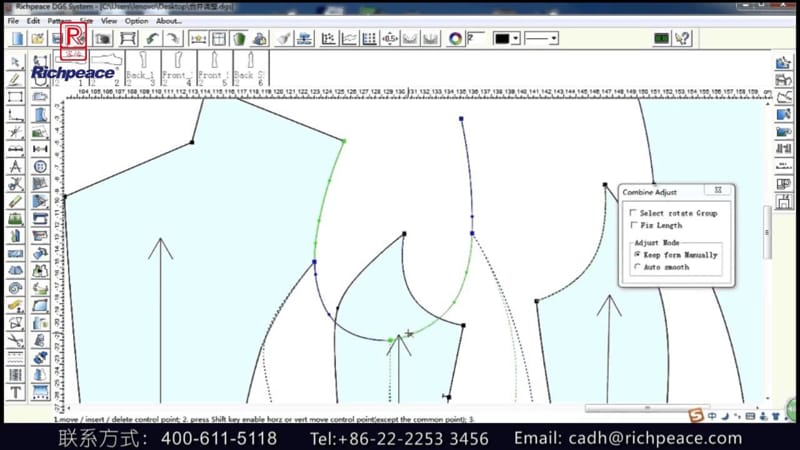
In addition, technological advancements such as 3D body scanning and virtual fitting rooms offer new dimensions to pattern grading. These innovations help in understanding body dynamics and ergonomics, leading to improved pattern accuracy. Many manufacturers now incorporate 3D simulations to predict fabric behavior and optimize the pattern for comfort and fit. The convergence of data analytics with pattern grading processes has paved the way for predictive design trends.
New software iterations include features like automated notch placement, grading line optimization, and pattern distortion correction. Algorithms now compute grading increments using established mathematical formulas. For example, a common grading formula might involve proportional increases in pattern dimensions based on specific size increments. Such methods ensure that every size maintains the design’s integrity and aesthetic appeal.
Digital platforms also offer interactive tutorials and real-world examples. Educational websites like TextileSchool.com provide online courses that detail every step of the process. These resources allow students to master the intricacies of pattern making and grading through hands-on practice and virtual simulations.
Sources and Availability of Pattern Making Tools
The textile industry benefits from a vast range of tools and resources for pattern making. Both traditional and digital instruments play vital roles in the design process. The availability of high-quality pattern making tools ensures that professionals can meet the demanding standards of modern garment production.
Traditional Tools and Materials
Traditional pattern making relies on tools that have stood the test of time. Many artisans prefer using:
- Tracing paper and muslin: For creating initial drafts and prototypes.
- French curves and rulers: For smooth curves and precise measurements.
- Notcher tools: To mark key points for grading and alignment.
- Tailor’s chalk: To transfer patterns onto fabric accurately.
These instruments have long been favored by pattern makers who value tactile feedback and manual precision. They allow for creative expression and fine-tuning that many believe digital tools cannot match.
Digital Tools and Software
Modern pattern makers also invest heavily in digital tools. CAD software, such as Lectra and Gerber Accumark, offers comprehensive solutions that streamline the drafting process. These platforms provide features like:
- Digital grading tools: Automate the resizing process.
- Real-time 3D simulations: Help visualize the garment on virtual models.
- Cloud storage: Offers collaboration and secure backup of design files.
Digital resources have made pattern making more accessible to new entrants in the field. They also reduce material waste and shorten the design cycle. Educational resources and online tutorials further empower designers to integrate these technologies into their workflows.
Table: Comparison of Traditional vs. Digital Pattern Making Tools
| Feature | Traditional Tools | Digital Tools |
|---|---|---|
| Precision | High with skilled hands | Consistent and automated |
| Flexibility | Excellent for customization | Quick iterations |
| Time Consumption | Time-intensive | Rapid design cycles |
| Material Waste | Higher, due to trial errors | Minimal, due to simulations |
| Learning Curve | Moderate | Steep initially, then easy |
This table illustrates the key differences between traditional and digital pattern making tools. Many manufacturers choose a hybrid approach, blending manual skills with digital precision. This blend ensures that the best aspects of each method enhance overall productivity.
Access to quality tools is crucial. Numerous suppliers provide advanced equipment and materials tailored to industry standards. Institutions like the Technical Textile Research Association offer guides and product reviews that help professionals make informed decisions. These resources drive innovation and maintain high quality throughout the production chain.
Innovations in Pattern Making and Grading
Innovative practices in pattern making and grading continue to transform the textile industry. Emerging technologies and creative processes empower designers to push boundaries. Innovations focus on increasing efficiency, reducing errors, and enhancing garment fit.
Automated Pattern Generation
Automation plays a key role in modern pattern making. Advanced algorithms generate basic patterns from standard measurements. This approach reduces human error and speeds up the production process. Automation software calculates grading increments and automatically applies proportional adjustments. Manufacturers see reduced lead times and improved consistency across product lines.
One striking innovation is the use of artificial intelligence (AI) to optimize pattern layouts. AI systems analyze historical data and current design trends to suggest optimal fabric utilization. This capability leads to significant cost savings and minimizes fabric waste. The intelligent systems also assist in pattern nesting, where multiple garment parts are arranged optimally on fabric rolls.
3D Modeling and Virtual Fitting
Another innovation is 3D modeling. Designers create digital avatars that represent various body shapes and sizes. This virtual modeling allows for a more accurate simulation of garment fit. Virtual fitting software helps identify areas where adjustments are necessary before physical prototypes are produced. This proactive approach streamlines the process and improves overall product quality.
The combination of 3D modeling with CAD systems has opened new opportunities. Manufacturers now simulate fabric drape and behavior, ensuring that the final product meets design specifications. The interactive nature of these tools facilitates rapid design revisions. The use of virtual fitting technology also enhances customer engagement, as buyers see realistic representations of the garments they intend to purchase.

Integration of Digital and Manual Methods
While digital tools dominate the modern landscape, many experts emphasize the importance of manual expertise. Designers who master traditional methods often bring a level of artistry that software alone cannot replicate. The best practices involve a hybrid approach where digital tools handle repetitive tasks while human intuition guides creative decisions.
This integration improves design accuracy and reduces errors. It also supports the development of customized solutions that reflect a brand’s unique identity. Manufacturers and designers benefit from this dual approach, which leverages both speed and creativity. By combining the strengths of technology with hands-on craftsmanship, the textile industry continuously raises its quality standards.
Research and Development
Many textile research institutions invest in R&D to explore innovative pattern making techniques. Research projects investigate the impact of new materials, improved grading algorithms, and the potential of wearable technology. Researchers publish findings in peer-reviewed journals, providing detailed case studies and technical insights.
For instance, experiments with smart fabrics require specialized pattern designs that accommodate integrated sensors and conductive threads. Researchers develop grading formulas that account for these additional components. They often publish their results in industry conferences and academic papers. This continuous feedback loop between research and practice fuels innovation and drives the industry forward.
Table: Key Innovations in Pattern Making and Grading
| Innovation Area | Description | Impact on Industry |
|---|---|---|
| Automated Pattern Generation | Software algorithms generate base patterns | Reduces lead times and errors |
| 3D Modeling and Virtual Fitting | Digital avatars simulate garment fit | Improves accuracy and customer satisfaction |
| Hybrid Methods | Combines manual skills with digital tools | Enhances creativity and precision |
| R&D in Smart Fabrics | Specialized designs for wearable technology | Opens new market opportunities |
These innovations reflect a dynamic environment. They show how traditional practices evolve with modern technology. Manufacturers who invest in these advancements achieve greater efficiency and offer superior products in the competitive textile market.
Production Process of Pattern Making and Grading
The production process in pattern making and grading is systematic and detail-oriented. Each step requires precision, collaboration, and technical knowledge. This section breaks down the entire process into clearly defined stages.
Stage 1: Design and Drafting
The process begins with a design sketch. A designer transforms creative concepts into a visual form. The initial draft outlines the garment’s silhouette, detailing key elements such as collars, darts, and seam lines. Designers rely on inspiration from mood boards, fabric swatches, and technical drawings. They work closely with clients and production teams to refine the vision.
Next, pattern makers draft the base pattern manually or use CAD software. They create a “sloper” – a basic, fitted pattern that serves as a template for all sizes. The sloper undergoes rigorous fitting sessions and adjustments. The process may involve creating several prototypes until the fit is flawless.
Stage 2: Grading the Pattern
Grading transforms a single base pattern into multiple sizes. Pattern makers use precise grading increments based on measurement charts. They ensure that proportions remain consistent across sizes. This step involves:
- Marking key reference points: Such as bust, waist, and hip.
- Applying grading increments: Based on standardized formulas.
- Reviewing and adjusting: Ensuring that design integrity remains intact.
A common grading formula involves adding or subtracting predetermined values to various pattern sections. For example, if the bust measurement increases by 2 inches from one size to the next, the corresponding pattern sections adjust accordingly. Many software programs automate these calculations. However, human oversight remains essential to verify that the adjustments do not distort the original design.
Stage 3: Fabric Cutting and Marker Making
After finalizing the graded patterns, manufacturers move to the cutting stage. A marker – a layout of pattern pieces – is created to optimize fabric use. Pattern makers place pieces in a way that minimizes waste. This process involves both manual planning and software-driven optimization. The efficiency of marker making directly influences production costs.
Table: Key Steps in Fabric Cutting and Marker Making
| Step | Description | Tools Used |
|---|---|---|
| Marker Creation | Layout design to optimize fabric usage | CAD software, manual plotting |
| Pattern Alignment | Ensuring pattern pieces align for proper assembly | Rulers, notcher tools |
| Fabric Cutting | Cutting fabric based on the optimized marker | Automated cutting machines, scissors |
| Quality Check | Inspecting cut pieces for accuracy | Measuring tapes, visual inspection |
This table outlines the main steps in the cutting and marker-making phase. The process demands attention to detail. Automated cutting machines work in tandem with skilled operators to ensure precision. Advanced software assists in the layout design, ensuring that every inch of fabric contributes to the final garment.
Stage 4: Assembly and Quality Control
The final stage involves assembling the garment. Seamstresses and tailors sew the cut pieces together. They follow the graded patterns to maintain consistency. Quality control teams inspect each garment for defects, ensuring that the finished product meets industry standards. They check seam integrity, fit, and overall construction.

Quality control uses both visual inspections and mechanical tests. The process may involve fitting sessions with live models to verify that the garment performs as expected. Any discrepancies trigger immediate revisions. This iterative process ensures that the garment retains the design’s original intent while meeting practical requirements.
Mathematical Formulas in Grading
Precision in grading often requires mathematical formulas. One common formula calculates the grading increment for a given measurement difference:
Grading Increment (GI) = (Measurement Difference) ÷ (Number of Grades)
For instance, if a bust measurement increases by 4 inches over four sizes, the increment per size equals 1 inch. This formula ensures that each size adjusts proportionally and retains the garment’s overall shape. Pattern makers often use spreadsheets and specialized software to automate these calculations.
The production process combines creativity with technical precision. Each stage builds on the previous one, ensuring that the final garment meets high standards of quality and fit. Manufacturers continuously refine these processes to optimize efficiency and reduce errors. This robust system supports the fast-paced nature of modern textile production while preserving design integrity.
Challenges in Pattern Making and Grading
Despite the technological advancements, pattern making and grading still face several challenges. Addressing these issues requires creative solutions and constant vigilance.
Fitting Accuracy
Achieving perfect fit remains one of the greatest challenges. Garments must fit diverse body types while preserving design intent. Variations in human anatomy require intricate adjustments. Even minor errors in grading can result in poorly fitted garments. Pattern makers continuously refine their techniques to overcome these challenges. They rely on multiple fittings and customer feedback to ensure optimal accuracy.
The complexity increases when working with stretch fabrics or unconventional designs. Pattern makers must account for fabric elasticity and drape. This task often involves trial and error. Manufacturers invest in advanced simulation software to predict fit issues, yet real-world testing remains essential. Each adjustment reflects the blend of art and science that defines the industry.
Material Variability
Textile materials vary widely in texture, thickness, and behavior. Pattern makers face challenges when designing for fabrics with unique properties. For instance, lightweight silks behave differently than heavy denim. A pattern that works for one fabric may require adjustments when applied to another.
Designers must stay abreast of material innovations. They experiment with new blends and weaves to identify how different fabrics respond to grading adjustments. Constant communication between fabric suppliers and pattern makers helps mitigate material-related challenges. By maintaining close relationships, manufacturers ensure that every material performs as expected.
Technological Adaptation
The rapid pace of technological change sometimes creates a gap between traditional skills and digital capabilities. Many seasoned pattern makers must adapt to sophisticated software and new methodologies. This transition requires significant training and practice.
Companies invest in continuous education and professional development programs. Workshops and online courses provide hands-on experience with the latest tools. The blend of traditional skills and digital precision often leads to innovative solutions that combine the best of both worlds.
Communication and Collaboration
Successful pattern making relies on effective communication among designers, pattern makers, and production teams. Misunderstandings in measurements or grading increments can lead to costly mistakes. Companies implement stringent protocols to ensure that all team members understand design specifications.
Modern collaboration tools, including shared digital workspaces and real-time editing software, help streamline communication. These platforms allow teams to review changes immediately and discuss potential issues. However, even with advanced tools, miscommunication occasionally leads to production delays. Companies learn from each setback and continuously improve their processes.
Environmental and Economic Pressures
The textile industry faces increasing environmental regulations and market pressures. Manufacturers must reduce fabric waste and optimize resource usage. Errors in pattern making can lead to significant material waste, affecting both the environment and the bottom line. Companies invest in sustainable practices and precision technologies to combat these issues.
Economic pressures drive manufacturers to seek cost-efficient solutions without compromising quality. The balance between innovation and affordability is a constant challenge. Manufacturers must refine their processes to achieve high efficiency while maintaining the integrity of the design.
These challenges spur continuous improvement in pattern making and grading. Through innovation, collaboration, and training, the industry overcomes obstacles and adapts to new demands. The focus remains on achieving the perfect balance between creativity and technical precision.
Real-World Applications and Use Cases
Pattern making and grading impact many areas of the textile industry. Their applications extend beyond fashion to technical textiles, sportswear, and even medical garments. This section highlights practical use cases and the value of precise pattern development in various sectors.
Fashion and Apparel
In the world of fashion, pattern making is indispensable. Designers craft unique silhouettes that define a brand’s identity. Each pattern must translate the designer’s vision into a wearable garment. Accurate grading ensures that the garment fits a diverse customer base. Real-world examples abound in high-end fashion houses and mass-market brands alike.
Manufacturers use detailed patterns to maintain consistency across production batches. The process supports custom orders and ready-to-wear lines alike. Designers work with pattern makers to refine details such as dart placement, seam lines, and proportion adjustments. As a result, consumers receive garments that fit perfectly and showcase intricate design elements.
Technical and Performance Apparel
Technical textiles require specialized pattern making methods. Sportswear, outdoor gear, and performance apparel demand ergonomic designs that support movement. Engineers and designers collaborate to create patterns that optimize comfort and functionality. In these cases, precision directly influences product performance.
Manufacturers use advanced CAD software to simulate the dynamic movements of athletes. These tools help fine-tune the grading process to ensure that garments perform under stress. Designers integrate features such as ventilation panels and stretch zones into their patterns. These innovations enhance overall comfort and durability.
Medical and Adaptive Clothing
The field of medical textiles also benefits from precise pattern making. Adaptive clothing designed for people with disabilities or medical needs requires careful consideration of fit and ease of use. Patterns for such garments often include modifications like side openings, minimal seams, and adjustable fastenings.
Designers must consider unique body shapes and conditions. Pattern makers adjust standard templates to accommodate special requirements. Real-world applications include post-surgery garments, compression wear, and garments for individuals with limited mobility. The precision in grading and pattern making directly affects the garment’s therapeutic value.
Industrial and Protective Apparel
Protective clothing, including flame-resistant and high-visibility garments, relies on accurate pattern making. The patterns ensure that functional elements like reinforced panels and padding are positioned correctly. Manufacturers work under strict safety regulations that require consistent quality.
Pattern grading in this sector often involves rigorous testing and multiple iterations. Manufacturers document each step and adjust patterns based on performance data. This process ensures that the final product meets stringent safety and quality standards. The collaboration between engineers and pattern makers proves essential for success.

Market Examples and Case Studies
Real-world case studies reveal the impact of precise pattern making. For example, a renowned sportswear brand improved its sizing accuracy by adopting advanced grading software. The company reduced production errors and enhanced customer satisfaction. Another case study from a technical textile manufacturer showcased how digital pattern grading decreased fabric waste by 15% in a single production cycle.
These examples demonstrate that accurate pattern making and grading lead to improved product quality, efficiency, and sustainability. Designers, manufacturers, and end-users all benefit from the iterative process of refining patterns. Continuous innovation in this area fuels the growth of the textile industry.
End-Users and Industry Stakeholders
A wide range of professionals rely on pattern making and grading techniques. This section outlines key stakeholders and explains how these processes influence various roles within the industry.
Designers and Technical Developers
Fashion designers depend on precise patterns to bring their creative ideas to life. They work closely with technical developers who transform sketches into accurate templates. The collaboration ensures that design aesthetics match technical feasibility. Designers incorporate detailed instructions into the pattern, such as seam allowances, dart placements, and grainlines.
Technical developers verify that each pattern meets production requirements. They adjust grading increments and maintain design consistency across sizes. This collaboration enables efficient scaling from concept to final product. The partnership between creative and technical teams remains essential to success.
Manufacturers and Production Teams
Manufacturers count on consistent patterns to streamline production. Accurate grading minimizes errors during fabric cutting and assembly. Production teams use standardized templates to ensure that each garment meets quality standards. Consistent pattern making translates to reduced wastage, improved labor efficiency, and faster turnaround times.
Production supervisors monitor each stage of the process. They implement quality checks to catch discrepancies early. The collaboration between pattern makers and production teams fosters a culture of continuous improvement. This synergy helps companies meet market demands while reducing operational costs.
Retailers and End-Consumers
Retailers benefit from standardized patterns that ensure consistent garment sizing. Accurate grading builds consumer trust, as customers know that the fit will be reliable across different sizes. High-quality pattern making reduces the need for returns and exchanges. End-consumers enjoy better fitting clothing that meets both aesthetic and comfort standards.
The feedback loop between retailers and manufacturers plays a vital role. Customer reviews and return data provide insights that help fine-tune future patterns. This iterative process drives product improvements and enhances overall brand reputation.
Educational Institutions and Training Centers
Institutions dedicated to textile education play a critical role. They train future designers and technical developers in the principles of pattern making and grading. These programs combine theory with hands-on practice. Students learn both traditional techniques and modern digital methods.
Training centers offer workshops and seminars that cover advanced grading formulas, CAD software usage, and real-world case studies. They collaborate with industry experts to ensure that the curriculum remains current. This investment in education fosters innovation and sustains the industry’s long-term growth.
Market Trends and Economic Impacts
The market for pattern making and grading services reflects broader trends in the textile and apparel industries. This section examines economic factors, emerging trends, and market dynamics that influence pattern development.
Growth of Fast Fashion and Customization
Fast fashion demands rapid production cycles and consistent quality. Manufacturers rely on digital pattern making to speed up production while maintaining design integrity. The fast-paced market requires quick adaptation to trends. Precise grading ensures that garments fit perfectly even as styles evolve.
Conversely, customization trends encourage bespoke designs. Tailor-made garments require patterns that cater to individual measurements. Customization drives innovation in pattern grading software that can accommodate unique body shapes. The dual demands of fast fashion and customization influence the market’s direction. Companies balance efficiency with personalized service to capture diverse consumer segments.
Economic Drivers and Cost Considerations
The cost of production remains a key concern for manufacturers. Accurate pattern making reduces fabric waste and minimizes production errors. Efficient grading processes lower labor costs and speed up production. Manufacturers invest in digital tools that provide a high return on investment through improved accuracy and reduced scrap rates.
Economic drivers include raw material costs, labor efficiency, and market competition. Companies that optimize pattern making processes enjoy a competitive edge. Investment in technology and training yields long-term savings and improved product quality. The economic benefits reinforce the need for continuous improvement in the grading process.
Table: Economic Impact of Advanced Pattern Making
| Factor | Traditional Methods | Advanced Digital Methods |
|---|---|---|
| Fabric Waste | High due to manual errors | Reduced through precision |
| Labor Costs | Higher, time-consuming | Lower, faster turnaround |
| Production Efficiency | Moderate | High, due to automation |
| ROI on Technology | Low | High, with reduced errors |
This table highlights the financial advantages of embracing digital tools. Manufacturers across the globe adopt advanced methods to enhance competitiveness and profitability. The economic impact of these investments resonates through every level of the production chain.
Global Market Dynamics
Globalization has reshaped the textile market. Manufacturers source materials from diverse regions and export garments worldwide. Accurate pattern making supports international standards and diverse sizing charts. Global market dynamics require adherence to strict quality controls and uniform grading systems.
Trade agreements and shifting consumer preferences influence market trends. Manufacturers must adapt to varying regulations and quality standards. Digital platforms help standardize patterns for global production. Continuous market research and analysis drive strategic decisions that optimize production and distribution.
Consumer Trends and Sustainability
Consumer demand for sustainable and ethically produced garments has grown. Manufacturers face pressure to reduce waste and minimize environmental impact. Advanced pattern making supports sustainable practices by optimizing fabric use and reducing production errors. Eco-friendly materials and processes drive innovation in grading methods.
Sustainability initiatives encourage companies to adopt digital tools that enhance efficiency. Consumers increasingly favor brands that demonstrate environmental responsibility. This trend has spurred investments in sustainable design practices, which include precise pattern making and grading. Manufacturers that align with these values capture a loyal customer base.
Future Trends and Developments
The future of pattern making and grading appears bright and dynamic. Industry experts predict significant advancements driven by digital technologies, artificial intelligence, and data analytics. This section explores emerging trends and the potential impacts on the textile industry.
Enhanced Automation and AI Integration
Automation and AI will play central roles in future developments. Expect increased use of machine learning algorithms to predict grading adjustments. These algorithms will analyze historical data and real-time feedback to continuously optimize patterns. The result will be faster production cycles and even greater accuracy.
Future CAD systems may include intuitive interfaces that adapt to user habits. Enhanced voice commands and gesture controls could simplify the design process further. Automated quality control systems might incorporate computer vision to detect defects during pattern drafting. Manufacturers that embrace these innovations will gain a competitive advantage in an increasingly digital marketplace.
Virtual and Augmented Reality Applications
Virtual and augmented reality (VR/AR) technologies promise to revolutionize design and production. Designers may use VR headsets to walk through a virtual showroom of their creations. AR applications can overlay grading adjustments onto physical garments during fitting sessions. These tools provide immersive experiences that speed up decision-making and improve product quality.
The use of VR/AR will foster interactive training sessions. Educators can simulate real-world production challenges for students. Manufacturers will benefit from virtual prototypes that allow for rapid testing and adjustments. This technology-driven approach will redefine how patterns are created, reviewed, and finalized.
Data-Driven Design and Customization
Data analytics will increasingly influence pattern making decisions. Manufacturers will collect data on customer preferences, returns, and fit issues. This data will guide incremental improvements in pattern grading. Data-driven design will enable more accurate predictions of sizing trends and fit adjustments.
Customizable patterns that adapt to individual body measurements will become more prevalent. Online platforms may allow consumers to input their dimensions and receive personalized pattern recommendations. This trend will bridge the gap between mass production and bespoke tailoring. The future holds a promise of garments that fit perfectly, meeting the demand for personalized fashion.
Sustainable Production and Material Innovations
Sustainability will remain a primary focus. The drive to reduce fabric waste and energy consumption will spur innovative pattern making techniques. Future advancements may include eco-friendly grading methods that minimize material loss. Manufacturers will integrate sustainable practices into every stage of production.
Material innovations will complement sustainable design. New textiles, such as bio-based fabrics and recycled fibers, require specialized pattern adjustments. Pattern makers will develop new grading formulas to account for these materials’ unique properties. This synergy between material science and pattern making will shape the future of sustainable fashion.
Educational and Collaborative Platforms
The growth of online learning and collaborative platforms will transform education in pattern making. Interactive webinars, virtual workshops, and collaborative design forums will enable knowledge sharing on a global scale. These platforms will help bridge the skills gap and foster innovation in the industry.
Institutions will update curricula to reflect the latest technologies. Collaboration between academia and industry will drive research and development. Students and professionals alike will benefit from enhanced access to real-time industry data. The digital revolution in education promises to produce a generation of highly skilled pattern makers ready to tackle future challenges.
Summary and Conclusion
The fundamentals of pattern making and grading form a cornerstone of the textile and apparel industry. Designers, technical developers, and manufacturers depend on precise patterns to ensure quality, consistency, and innovation in every garment. The evolution of these techniques—from historical hand drafting to sophisticated digital solutions—demonstrates the dynamic nature of the industry.
This article explored the rich history, technological evolution, and production processes behind pattern making and grading. We examined the challenges professionals face, the real-world applications across fashion, technical textiles, and protective wear, and the critical role these practices play for end-users and market stakeholders. Market trends and economic drivers underscore the need for sustainable practices and cost efficiency. Future trends point toward enhanced automation, AI integration, VR/AR applications, and data-driven design that will shape the next generation of pattern making.
In conclusion, pattern making and grading continue to evolve, merging traditional craftsmanship with modern technology. The industry faces challenges but also holds immense opportunities. Embracing innovation and continuous improvement will drive success and maintain high standards. The integration of sustainable practices and advanced digital tools will lead to garments that not only fit perfectly but also support a greener, more efficient production process.