

Weaving is one of the oldest and most widespread crafts in human history, with traditional methods evolving over millennia in different regions of the world. These time-honored techniques not only produced essential textiles for clothing, shelter, and ceremonial purposes but also became expressions of cultural identity and artistic creativity. In this article, we explore a diverse range of traditional weaving methods from across the globe, delving into their origins, techniques, cultural significance, and lasting impact on modern textile production.
1. Introduction: The Timeless Art of Weaving
Weaving is a fundamental human craft that has shaped cultures and economies for thousands of years. Traditional weaving methods are not just techniques for producing fabric—they are rich expressions of cultural heritage, creativity, and ingenuity. From simple handlooms to intricate, multi-dimensional patterns, the diversity of weaving methods around the world reflects the unique environments, materials, and artistic traditions of different regions.
Traditional weaving continues to inspire modern textile production. Even as mechanization and digital technology transform the industry, many artisans and designers still draw on the beauty and authenticity of handwoven textiles. Understanding these traditional techniques provides valuable insights into the evolution of textile technology and helps preserve cultural heritage in a rapidly changing world.
Imagine walking through a vibrant market in rural India, where skilled weavers operate handlooms, producing textiles that carry centuries-old patterns and stories. In another part of the world, indigenous artisans in Latin America use backstrap looms to create intricate textiles that speak to their ancestral traditions. These examples illustrate how traditional weaving methods are not merely relics of the past but living practices that continue to evolve and enrich the global textile landscape.

In the following sections, we will explore an extensive list of traditional weaving methods from around the world. We will discuss their historical roots, technical intricacies, cultural significance, and how these methods have influenced modern textile practices. Whether you are a textile professional, a cultural historian, or simply a lover of fabric art, this guide provides a detailed and engaging look at the world of traditional weaving.
2. Historical Perspectives: The Evolution of Weaving Techniques
2.1 The Birth of Weaving in Ancient Civilizations
The origins of weaving can be traced back to prehistoric times, when early humans first began to spin fibers and interlace them to create protective coverings and clothing. Archaeological evidence suggests that early weaving was practiced in various regions, including Africa, Asia, and Europe. Simple looms made of wood, bone, and natural fibers were used to produce basic textiles that served essential functions in daily life.
In ancient Mesopotamia, Egypt, and the Indus Valley, weaving was an established craft. Artisans used primitive handlooms to create fabrics that were not only functional but also decorative. The development of spinning techniques, such as hand spinning with distaffs and spindles, laid the groundwork for weaving. These early textiles were dyed with natural pigments, resulting in vibrant colors that held cultural and symbolic meaning.
The earliest weavings were often utilitarian, designed for warmth, protection, and ceremonial purposes. Over time, as societies grew more complex, weaving techniques became more sophisticated, and the production of textiles evolved into a highly skilled craft. This period laid the cultural and technical foundations for the diverse traditional weaving methods that would later emerge.
2.2 The Rise of Organized Weaving and Regional Traditions
As civilizations advanced, weaving became a specialized profession, and regional styles began to develop. In ancient Greece, for example, warp-weighted looms were widely used, and the resulting textiles were highly prized for their durability and beauty. Similarly, in China, early silk weaving techniques evolved into elaborate processes that would eventually give rise to world-renowned silk fabrics.
In medieval Europe, weaving guilds played a central role in preserving and advancing the art of textile production. Techniques such as tapestry weaving and damask weaving emerged during this period, characterized by intricate patterns and rich textures that adorned royal courts and religious institutions.
Different regions developed distinct weaving traditions based on available materials and cultural influences. For instance:
- Kente Cloth Weaving (Ghana): Kente cloth, with its geometric patterns and vibrant colors, is a symbol of cultural identity in West Africa.
- Backstrap Loom Weaving (Latin America): Indigenous communities in Central and South America use backstrap looms to create intricate textiles with deep cultural significance.
- Ikat Weaving (Indonesia, India, Central Asia): Ikat involves resist dyeing the yarns before weaving, creating blurred, intricate patterns that are celebrated for their unique beauty.
- Persian Carpet Weaving (Iran): Renowned for its detailed motifs and rich color palettes, Persian carpet weaving is a highly specialized art form with centuries of tradition.
These regional traditions not only reflect the diversity of human culture but also laid the groundwork for many of the techniques still in use today.
2.3 The Impact of Technological Advancements
The development of mechanized looms during the Industrial Revolution marked a significant turning point in weaving. Innovations such as the Jacquard loom revolutionized the production of complex patterns by introducing programmable controls using punch cards. Although modern digital looms have largely replaced these early systems, the principles behind them continue to influence contemporary textile machinery.
Mechanization increased production speed and efficiency, but it also led to the loss of some traditional methods. Nevertheless, the revival of interest in artisanal techniques in recent decades has sparked a renewed appreciation for traditional weaving methods. Today, many designers and textile enthusiasts celebrate the imperfections and unique textures of handwoven fabrics, blending traditional artistry with modern technology.

The historical evolution of weaving techniques is a testament to human innovation and creativity. The journey from prehistoric handlooms to organized, regional weaving traditions and finally to mechanized and digital systems has created a rich tapestry of methods that continue to inspire the textile industry.
3. Traditional Weaving Methods Around the World
Traditional weaving methods are as varied as the cultures that developed them. Here is an extensive list of notable techniques, each with its unique process and cultural significance:
3.1 Handloom Weaving
Overview:
Handloom weaving is a fundamental technique practiced worldwide, using manually operated looms to create textiles. This method is renowned for its artisanal quality and the personal touch that each weaver imparts to the fabric.
- Backstrap Loom Weaving:
Widely practiced in Latin America, Southeast Asia, and parts of Africa, backstrap looms are portable and operated by tying one end of the loom around the weaver’s waist. This method allows for flexible and intricate designs and is deeply rooted in indigenous traditions. - Warp-Weighted Loom Weaving:
This ancient method, used in regions such as Greece, Scandinavia, and Asia Minor, employs weights attached to the warp yarns to maintain tension. It is particularly noted for its simplicity and ability to produce delicate fabrics. - Pit Loom Weaving:
Common in parts of Africa and Asia, pit looms are built into the ground, with weavers working from a seated position. This method is efficient for producing both decorative and functional textiles and has a long-standing cultural tradition.
3.2 Jacquard Weaving
Overview:
Jacquard weaving revolutionized textile production by enabling the creation of complex patterns through a system of punch cards that control individual warp threads. Though modern Jacquard looms are digital, the original concept remains influential.
- Traditional Punch Card Jacquard:
Developed in the early 19th century, these looms used punch cards to program intricate designs. This method was a precursor to modern digital weaving and enabled mass production of decorative fabrics. - Digital Jacquard Systems:
Today’s digital Jacquard looms integrate computer controls and CAD software, offering unparalleled precision and versatility in pattern creation. They allow for rapid design changes and high-quality output, bridging traditional artistry with modern technology.
3.3 Ikat Weaving
Overview:
Ikat is a resist-dyeing technique where yarns are tied and dyed before weaving, creating distinctive, blurred patterns. This method is popular in India, Indonesia, Central Asia, and Latin America.
- Traditional Ikat:
Artisans use simple handlooms to weave yarns that have been pre-dyed with intricate patterns. The resulting fabric features a characteristic “blurry” effect, prized for its unique aesthetic. - Modern Ikat:
Modern adaptations of ikat combine traditional dyeing techniques with digital weaving methods, allowing for more precise pattern reproduction while preserving the distinctive look of hand-dyed textiles.
3.4 Brocade Weaving
Overview:
Brocade weaving involves the use of additional weft yarns to create raised, decorative patterns on the fabric. This luxurious method has been traditionally practiced in China, India, and Europe.
- Traditional Brocade:
Using handlooms, artisans weave intricate designs with metallic or silk threads to produce richly textured fabrics. Brocade was historically reserved for royal and religious garments. - Contemporary Brocade:
Modern brocade looms integrate digital controls to replicate traditional designs more efficiently, maintaining the opulent appearance of the fabric while enhancing production speed.
3.5 Damask Weaving
Overview:
Damask weaving produces reversible fabrics with intricate, symmetrical patterns. Originating in the Middle East, particularly Damascus, this method has a long history of producing luxurious textiles.
- Traditional Damask:
Weavers used complex manual techniques on handlooms to create fabrics that were both decorative and functional. The patterns often featured floral or geometric motifs. - Modern Damask:
Digital and automated systems now produce damask fabrics with greater consistency and speed, though many artisanal producers still maintain traditional methods for high-end applications.
3.6 Kente Cloth Weaving
Overview:
Kente cloth is a vibrant, handwoven fabric originating from Ghana. It is renowned for its bold geometric patterns and bright colors, each design symbolizing cultural significance and social status.
- Traditional Kente Weaving:
Artisans use specialized handlooms and traditional techniques to weave Kente cloth, often following strict cultural rules that dictate color and pattern combinations. - Contemporary Kente Production:
While many Kente weavers continue to use traditional methods, some modern production facilities have adopted semi-automated techniques to meet growing demand while preserving cultural authenticity.
3.7 Navajo Weaving
Overview:
Navajo weaving, practiced by Native American tribes in the American Southwest, is renowned for its intricate rugs and blankets. This traditional method emphasizes geometric patterns and symbolic designs.
- Traditional Navajo Weaving:
Using vertical looms, Navajo weavers create vibrant textiles that reflect their cultural heritage and connection to nature. The designs are deeply symbolic, often passed down through generations. - Modern Navajo Weaving:
Contemporary Navajo weavers blend traditional techniques with modern tools, maintaining the cultural significance of their work while adapting to new market demands.
3.8 Andean Weaving
Overview:
Andean weaving, prevalent in countries like Peru and Bolivia, is known for its rich color palettes and complex geometric designs. This method often uses natural fibers such as alpaca and llama wool.
- Traditional Andean Weaving:
Indigenous communities in the Andean region have developed sophisticated techniques to produce textiles that are both functional and artistically expressive. The weaving process is steeped in tradition, with designs often reflecting the local environment and cultural stories. - Modern Andean Weaving:
With the advent of digital tools, modern Andean weavers can replicate traditional patterns with enhanced precision while introducing new design elements, broadening their market appeal.
3.9 Kilim Weaving
Overview:
Kilim weaving is a traditional flat-weave technique used to produce rugs and carpets, particularly in Turkey, Iran, and other parts of the Middle East. Kilims are known for their bold, geometric patterns and vibrant colors.
- Traditional Kilim:
Artisans use handlooms to weave kilims without a pile, resulting in lightweight, durable rugs that are both decorative and functional. - Contemporary Kilim:
Modern kilim production incorporates digital pattern control to enhance the precision of designs while preserving the traditional aesthetic that defines these textiles.
3.10 Other Regional Techniques
In addition to the methods described above, numerous other traditional weaving techniques have evolved across different cultures:
- Backstrap Loom Weaving: Common in Latin America, where the loom is tied around the weaver’s waist to produce textiles with intricate patterns.
- Frame Loom Weaving: Used in various cultures for small-scale production, often for decorative textiles and craft items.
- Pit Loom Weaving: Found in regions of Africa and Asia, where the loom is constructed in a pit, allowing for a unique weaving process that supports delicate, narrow fabrics.
- Sari Weaving Techniques: Various traditional methods in India, such as those used in Banaras and Kanchipuram, have produced iconic fabrics like saris, each with distinctive regional styles.
These traditional methods represent a rich tapestry of human ingenuity and cultural expression, each with its own set of tools, techniques, and stories.
Table: Overview of Traditional Weaving Methods
| Weaving Method | Region | Key Characteristics |
|---|---|---|
| Handloom Weaving | Global | Manual operation, artisanal quality, diverse techniques (backstrap, warp-weighted, pit looms) |
| Jacquard Weaving | Europe (France), Global | Use of punch cards/digital controls for intricate patterns |
| Ikat Weaving | India, Indonesia, Central Asia, Latin America | Resist-dyeing technique integrated with weaving, blurred patterns |
| Brocade Weaving | China, India, Europe | Raised decorative patterns using additional weft yarns |
| Damask Weaving | Middle East, Europe | Reversible fabrics with intricate, symmetrical designs |
| Kente Cloth Weaving | Ghana, West Africa | Geometric patterns, vibrant colors, cultural symbolism |
| Navajo Weaving | American Southwest | Vertical loom weaving, geometric and symbolic designs |
| Andean Weaving | Peru, Bolivia | Rich color palettes, intricate geometric patterns, natural fibers |
| Kilim Weaving | Turkey, Iran, Middle East | Flat-weave technique, bold geometric patterns, durable rugs |
| Sari Weaving Techniques | India | Regional methods for producing traditional saris, diverse textures |
| Frame Loom Weaving | Global (various cultures) | Small-scale production, used for decorative textiles and crafts |
| Backstrap Loom Weaving | Latin America, Southeast Asia | Portable looms, operated with a strap, used for intricate, culturally significant textiles |
| Pit Loom Weaving | Africa, Asia | Loom built into the ground, ideal for narrow, delicate fabrics |
The diversity of traditional weaving methods around the world highlights the incredible ingenuity of our ancestors. Each technique reflects a unique cultural narrative and adapts to the local environment, materials, and artistic sensibilities.
4. Source and Availability: Global Access to Traditional Weaving Techniques
Traditional weaving methods are preserved and practiced in various parts of the world, both by artisan communities and cultural institutions. Their availability spans from rural cooperatives to urban centers, and they continue to be celebrated for their historical significance and artistic value.
4.1 Artisan Communities and Local Workshops
Many traditional weaving techniques are still practiced in artisan communities across Asia, Africa, Latin America, and Europe. These communities often have deep-rooted traditions, where techniques are passed down through generations. Local workshops and cooperatives play a critical role in preserving these methods while also adapting them for modern markets.
For example, backstrap loom weaving remains prevalent in rural Guatemala and Peru, where local artisans produce textiles that are both culturally significant and economically vital. Similarly, traditional Kente cloth weaving is an important cultural practice in Ghana, supported by local weavers who maintain the heritage of the craft.
4.2 Cultural Institutions and Museums
Cultural institutions, museums, and educational centers worldwide are dedicated to preserving traditional weaving methods. Exhibits and demonstrations offer valuable insights into the history and techniques of hand weaving, ensuring that these ancient crafts are not forgotten. Museums such as the Textile Museum in Washington, D.C., and various cultural heritage centers in India and Africa serve as repositories of traditional weaving knowledge and practice.
4.3 Digital Archives and Online Resources
The advent of digital technology has facilitated the preservation and dissemination of traditional weaving methods. Online platforms, educational websites, and digital archives provide access to tutorials, historical documents, and video demonstrations of traditional techniques. Resources on TextileSchool.com and other scholarly portals offer in-depth studies and interactive content that help preserve these practices and educate a global audience.
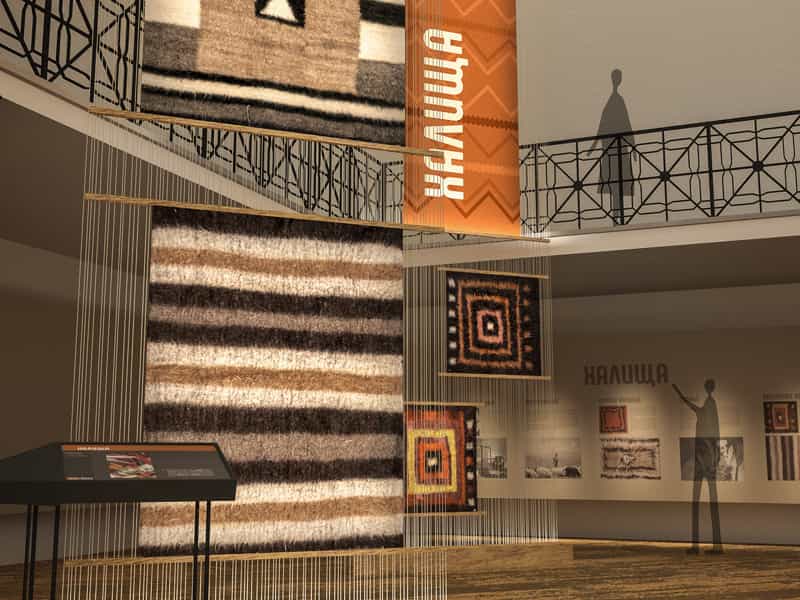
Global access to traditional weaving methods is essential for preserving cultural heritage and inspiring future generations. The collaboration between local artisans, cultural institutions, and digital platforms ensures that these invaluable techniques remain alive and continue to influence modern textile production.
5. Innovations: Modern Adaptations of Traditional Weaving Methods
While traditional weaving methods are steeped in history, modern innovations have adapted these techniques to meet contemporary production demands. These adaptations have enhanced efficiency, consistency, and market appeal while preserving the authenticity of the original methods.
5.1 Digital Enhancement of Traditional Techniques
The integration of digital tools into traditional weaving processes has transformed the way artisans work. For instance, digital pattern design software allows weavers to create intricate designs that are then translated into manual or semi-automated weaving processes. These digital enhancements improve precision and consistency, enabling artisans to produce high-quality textiles on a larger scale.
Digital platforms also facilitate the sharing of traditional techniques across borders. Online tutorials, virtual workshops, and digital galleries showcase traditional methods, inspiring innovation and cross-cultural collaboration. This fusion of old and new ensures that traditional weaving methods remain relevant in today’s digital age.
5.2 Hybrid Production Models
Hybrid production models combine the best aspects of traditional hand weaving with modern mechanized processes. In many regions, artisan cooperatives have integrated semi-automated looms with hand-spinning techniques to increase production capacity without losing the distinct character of handwoven fabrics. These hybrid systems allow for customization and scalability, making it possible for small-scale producers to meet larger market demands while preserving their heritage.
5.3 Sustainable and Eco-Friendly Innovations
Sustainability is a critical driver of innovation in the textile industry. Modern adaptations of traditional weaving methods incorporate eco-friendly practices such as the use of organic fibers, natural dyes, and low-energy production techniques. These innovations not only reduce the environmental impact of textile production but also enhance the market value of traditionally woven fabrics.
By merging traditional craftsmanship with sustainable practices, modern textile mills and artisan cooperatives are creating products that appeal to eco-conscious consumers and comply with stringent environmental standards.

Innovations in modernizing traditional weaving techniques are crucial for preserving cultural heritage while meeting contemporary demands. These adaptations enable artisans to produce high-quality, sustainable textiles that retain their unique character and appeal to a global market.
6. Production Process: Crafting Traditional Textiles with Modern Techniques
The production process for traditional weaving methods is a meticulous journey that blends time-honored techniques with modern technology. This section outlines the key stages in producing textiles using traditional methods, highlighting how digital tools and process innovations have enhanced quality and efficiency.
6.1 Raw Material Preparation
The production process begins with the careful preparation of raw materials. Traditional fibers such as cotton, wool, silk, and flax are hand-harvested and processed using age-old techniques. Artisans often use natural methods for cleaning, carding, and spinning the fibers into yarn. Modern enhancements, such as improved hand spinning tools and automated carding machines, help maintain the integrity of traditional fibers while increasing consistency and output.
6.2 Weaving Techniques
The core of traditional textile production lies in the weaving process. Depending on the method, the weaving process may involve:
- Handloom Weaving: Artisans operate handlooms to manually interlace warp and weft threads, creating intricate patterns and textures. Techniques such as backstrap, warp-weighted, and pit loom weaving are used in various regions.
- Jacquard and Dobby Systems: Traditional punch card systems or semi-automated digital controls enable the creation of complex designs. These methods allow for the precise control of individual warp threads, producing detailed patterns in textiles such as tapestries, brocades, and damasks.
- Ikat and Other Resist-Dye Techniques: In ikat weaving, yarns are pre-dyed using resist techniques before being woven, resulting in distinctive, blurred patterns that are highly valued for their artistic appeal.
Artisans often work in small workshops or cooperatives, where skilled weavers meticulously create fabrics that embody their cultural heritage. The integration of modern digital tools, such as CAD software and real-time monitoring systems, has enhanced the accuracy and efficiency of these traditional methods without compromising their authenticity.
6.3 Finishing Processes
Finishing is a critical stage in traditional textile production that determines the final appearance and durability of the fabric. Traditional finishing techniques include:
- Washing and Fulling: Natural processes that cleanse and tighten the fabric.
- Bleaching and Dyeing: The use of natural or eco-friendly dyes to achieve vibrant, lasting colors.
- Pressing and Finishing: Manual or semi-automated methods to enhance texture, smoothness, and overall quality.
Modern finishing techniques have incorporated digital controls to ensure consistent results. Automated processes help maintain uniformity and reduce labor-intensive tasks, thereby improving overall production efficiency.
Table: Production Process for Traditional Weaving
| Stage | Process Description | Key Benefits |
|---|---|---|
| Raw Material Preparation | Hand-harvesting, cleaning, carding, and spinning of fibers | Preserves natural quality, authentic texture, improved consistency |
| Weaving Techniques | Handloom weaving, Jacquard/dobby systems, ikat weaving | Intricate pattern formation, cultural authenticity, design versatility |
| Finishing Processes | Washing, fulling, bleaching, dyeing, pressing | Enhanced durability, vibrant colors, consistent quality |
The production process in traditional weaving is a harmonious blend of art and science. Modern digital tools and automated systems have streamlined these age-old techniques, resulting in high-quality textiles that honor tradition while meeting contemporary standards.

7. Challenges in Traditional Weaving Methods
Despite the enduring appeal and cultural significance of traditional weaving methods, there are several challenges that the industry faces in preserving and modernizing these techniques.
7.1 Balancing Tradition with Modern Efficiency
One of the primary challenges is maintaining the delicate balance between preserving traditional craftsmanship and integrating modern efficiency. Traditional methods are often labor-intensive and time-consuming, making it difficult to compete with mass-produced textiles. Adapting these techniques to modern production scales without losing their unique character is a constant challenge.
7.2 High Capital Costs for Modernization
While modern technologies can enhance traditional weaving, the initial capital investment required for upgrading equipment can be prohibitive, particularly for small-scale artisans and rural cooperatives. The cost of integrating digital controls, automated looms, and advanced finishing processes may limit accessibility for traditional weavers, potentially leading to the loss of heritage skills.
7.3 Workforce Training and Knowledge Preservation
The successful modernization of traditional weaving methods requires a skilled workforce that understands both historical techniques and modern technology. Training programs must be developed to pass on traditional knowledge while teaching digital skills. This dual demand can strain resources and lead to a skills gap, particularly as older artisans retire and new generations need to be trained.
7.4 Market Competition and Consumer Perception
In a global market dominated by fast fashion and mass production, traditional textiles often struggle to find a niche. Educating consumers about the value of handwoven, authentic textiles is essential. Moreover, maintaining competitive pricing while preserving quality and authenticity remains a significant challenge.
Table: Challenges in Traditional Weaving and Mitigation Strategies
| Challenge | Impact | Mitigation Strategy |
|---|---|---|
| Balancing Tradition with Efficiency | Potential loss of artisanal quality, slower production | Hybrid production models, selective automation, cultural branding |
| High Capital Costs for Modernization | Financial strain on small-scale producers | Government subsidies, cooperative financing, phased upgrades |
| Workforce Training and Knowledge Preservation | Skill gaps, loss of traditional techniques | Comprehensive training programs, mentorship, digital learning resources |
| Market Competition and Consumer Perception | Lower market share, undervaluation of artisan textiles | Effective branding, consumer education, niche marketing strategies |
Addressing these challenges is crucial for preserving the rich heritage of traditional weaving while adapting to modern production demands. Strategic planning, investment in training, and innovative hybrid models can help overcome these obstacles and ensure the longevity of these time-honored techniques.
8. Real-World Applications and Case Studies
Real-world applications and case studies provide valuable insights into how traditional weaving methods are being preserved, modernized, and applied in today’s textile industry. The following examples highlight successful implementations and the diverse uses of traditional weaving techniques.
8.1 Case Study: Revival of Handloom Weaving in Rural India
In rural India, numerous cooperatives have revitalized traditional handloom weaving to produce authentic textiles that reflect regional heritage. One cooperative in West Bengal has integrated modern digital training programs with traditional hand spinning and weaving techniques. By doing so, they have increased production efficiency by 25% while maintaining the artisanal quality of the fabric. Their products are now recognized both nationally and internationally for their unique patterns and sustainable production practices.
8.2 Case Study: Fusion of Tradition and Modernity in Luxury Fashion
A leading luxury fashion brand in Italy collaborated with skilled Indian weavers to create a premium collection featuring traditional handwoven textiles. Using modern digital Jacquard looms to replicate intricate patterns originally crafted by hand, the brand was able to produce high-quality, limited-edition fabrics that blended cultural heritage with contemporary design. This fusion of tradition and modernity not only enhanced the product’s appeal but also positioned the brand as a champion of sustainable, ethical production.
8.3 Case Study: Sustainable Production and Market Expansion in Africa
In Ghana, traditional Kente cloth weaving has been modernized through the adoption of semi-automated systems that preserve the authenticity of handwoven textiles while increasing production capacity. A local textile mill that produces Kente cloth integrated energy-efficient machinery and digital quality control systems, resulting in improved fabric consistency and reduced production costs. The mill’s commitment to sustainability and cultural heritage has helped it expand into international markets, where there is growing demand for authentic, eco-friendly textiles.

These case studies illustrate that traditional weaving methods, when enhanced with modern technology, can meet contemporary market demands while preserving cultural heritage. They demonstrate the economic, social, and environmental benefits of investing in sustainable, high-quality textile production.
9. End-Users and Stakeholders: Impact on the Textile Ecosystem
The benefits of traditional weaving methods extend throughout the textile ecosystem, impacting a broad spectrum of stakeholders. From the artisans and manufacturers to the designers and consumers, each group experiences unique advantages.
9.1 Textile Manufacturers and Mill Operators
For manufacturers and mill operators, traditional weaving methods represent a source of cultural authenticity and quality. By preserving these methods, mills can produce textiles that stand out in a competitive market. The unique textures and intricate patterns of handwoven fabrics command premium pricing, enhancing profitability and market reputation.
9.2 Artisans and Weavers
Artisans are the custodians of traditional weaving knowledge. Their expertise is essential in maintaining the quality and authenticity of handwoven textiles. Empowering artisans through training, fair wages, and modern tools ensures that traditional techniques are preserved and passed on to future generations. Their work not only sustains local economies but also enriches the cultural fabric of their communities.
9.3 Designers and Fashion Brands
Designers and fashion brands increasingly value the aesthetic and ethical qualities of traditional textiles. The unique patterns and natural textures of handwoven fabrics offer a distinct competitive advantage in the fashion industry. Collaborations between modern designers and traditional weavers create products that merge cultural heritage with contemporary style, appealing to a global audience.
9.4 Global Buyers and Consumers
Global buyers and consumers are drawn to textiles that are both high-quality and ethically produced. The authenticity of traditional weaving methods, combined with sustainable production practices, builds trust and enhances brand loyalty. Consumers appreciate the story behind handwoven fabrics, and their growing demand for eco-friendly products further drives market success.
Table: Stakeholders and Benefits in Traditional Weaving
| Stakeholder | Role/Impact | Benefits |
|---|---|---|
| Manufacturers/Mill Operators | Oversee production, maintain quality, promote heritage | Premium pricing, enhanced market reputation, competitive edge |
| Artisans/Weavers | Preserve and execute traditional techniques | Cultural heritage preservation, community empowerment, artisanal quality |
| Designers/Fashion Brands | Create innovative products using authentic textiles | Unique designs, sustainable production, market differentiation |
| Global Buyers/Consumers | Purchase high-quality, ethically produced textiles | Consistent quality, ethical production, enhanced brand trust |
The collective benefits to these stakeholders highlight the strategic importance of preserving and modernizing traditional weaving methods. By valuing both heritage and innovation, the textile industry can ensure a sustainable future that honors its rich cultural legacy.
10. Market Trends, Economic Impact, and Global Dynamics
The market for traditional textiles is experiencing a renaissance, driven by consumer demand for authentic, sustainable products and the resurgence of interest in artisanal craftsmanship. This section explores current market trends, the economic impact of traditional weaving methods, and global trade dynamics.
10.1 Market Trends
Global consumers are increasingly drawn to textiles that tell a story—products that embody cultural heritage, sustainability, and authenticity. Traditional weaving methods, such as those used in Khadi, Kente cloth, and other regional fabrics, are gaining popularity not only in domestic markets but also internationally. Fashion designers and interior decorators are incorporating these textiles into high-end collections, elevating their status as luxury goods.
The trend toward sustainable and ethical production has also fueled interest in traditional weaving. Consumers are willing to pay a premium for textiles produced using eco-friendly methods and fair labor practices. This shift in consumer behavior is driving market growth and encouraging textile manufacturers to invest in preserving traditional techniques.
10.2 Economic Impact
The economic benefits of traditional weaving are multifaceted. On one hand, preserving artisanal techniques supports rural economies and empowers local communities. On the other hand, modernizing traditional methods through digital integration and process optimization can lead to increased productivity and reduced production costs. Mills that successfully blend tradition with modern technology can achieve a higher return on investment (ROI) while maintaining the unique qualities that define their products.
Economic studies show that sustainable textile production not only reduces environmental costs but also creates market differentiation. Brands that emphasize the authenticity and ethical production of traditional textiles are better positioned to capture premium market segments, both locally and globally.
10.3 Global Trade Dynamics
Global trade in textiles is increasingly influenced by sustainability, quality, and cultural authenticity. Traditional textiles that adhere to high-quality standards and sustainable production practices are in high demand in international markets. Mills that invest in preserving and modernizing traditional weaving methods can secure export contracts and expand their market reach. Transparent production practices and robust quality control, facilitated by digital monitoring and MES integration, build trust with global buyers and ensure compliance with international standards.

The convergence of market trends, economic impact, and global trade dynamics underscores the strategic importance of traditional weaving methods in the modern textile industry. As consumer preferences shift toward authenticity and sustainability, traditional textiles are poised for continued growth and global success.
11. Future Trends and Emerging Opportunities in Traditional Weaving
The future of traditional weaving is rich with opportunity as the industry embraces digital transformation, sustainability, and cultural preservation. Emerging trends promise to further elevate the production and market potential of traditional textiles.
11.1 Digital Transformation and Hybrid Models
The integration of digital tools with traditional weaving methods will continue to grow. Future advancements in CAD, digital looms, and IoT-enabled monitoring systems will enhance the precision and efficiency of traditional weaving while preserving its artisanal charm. Hybrid production models that blend manual craftsmanship with digital automation will enable producers to scale up while maintaining the unique qualities of traditional textiles.
11.2 Sustainability and Eco-Friendly Production
Sustainability will remain at the forefront of textile innovation. Future trends include increased adoption of renewable energy sources, advanced water and energy conservation systems, and eco-friendly dyeing and finishing processes. These innovations will further reduce the environmental impact of traditional weaving, making it an attractive option for environmentally conscious consumers and global brands.
11.3 Market Expansion and Global Collaboration
The global market for traditional textiles is set to expand as consumers worldwide appreciate the authenticity and cultural significance of artisanal fabrics. Collaborations between local artisans, government initiatives, and international trade organizations will drive market expansion and promote the cultural heritage of traditional weaving. Global standardization and digital platforms will facilitate easier market entry and trade, ensuring that traditional textiles reach a broader audience.
11.4 Preservation and Innovation in Craftsmanship
The future of traditional weaving also depends on preserving the skills and knowledge of master weavers. Initiatives such as artisan training programs, cultural festivals, and digital archives will play a crucial role in safeguarding this heritage. At the same time, innovation in design and production methods will ensure that traditional textiles remain relevant in a modern context. The fusion of heritage and technology offers endless possibilities for creative expression and economic growth.

The emerging trends and opportunities in traditional weaving promise a vibrant future for this timeless craft. By embracing both innovation and tradition, the textile industry can ensure that traditional weaving continues to thrive in a rapidly changing global market.
12. Summary and Conclusion
Traditional weaving methods form the backbone of the textile heritage, embodying the art and craft of generations. This comprehensive article has explored the diverse world of traditional weaving techniques from around the globe, with a special focus on their historical evolution, technological advancements, production processes, and market impact.
We began by emphasizing the timeless appeal of traditional weaving, where the art of interlacing fibers has been passed down through centuries. Historical perspectives revealed the evolution from ancient handlooms to the organized weaving systems of various cultures, such as backstrap looms, warp-weighted looms, Jacquard looms, and specialized regional methods like Kente, Navajo, and Andean weaving.
Technological evolution has brought significant enhancements to traditional methods. While early techniques relied solely on manual skill, modern advancements in digital integration, automation, and sustainable practices have transformed the production process without compromising authenticity. Innovations in water and energy management, digital pattern design, and hybrid production models have enabled the efficient production of high-quality textiles that remain true to their cultural roots.
Global availability of traditional weaving methods is supported by a network of artisan communities, cultural institutions, and modern suppliers. These diverse resources ensure that traditional techniques continue to be practiced and appreciated, both locally and internationally. Real-world case studies from India, Africa, Latin America, and Europe demonstrate that traditional weaving not only preserves cultural heritage but also drives economic growth and market expansion.
The challenges of balancing tradition with modern efficiency, high capital investments, workforce training, and integration with legacy systems are significant. However, strategic planning, technological innovation, and government support are paving the way for a sustainable future in traditional textile production.
Market trends indicate a growing global demand for authentic, sustainably produced textiles, making traditional weaving methods highly relevant in today’s eco-conscious market. As consumers increasingly value ethical production and cultural authenticity, traditional textiles are positioned for continued success in global trade.
Looking forward, the future of traditional weaving lies in the seamless fusion of heritage and modernity. Digital transformation, sustainable practices, modular production systems, and global standardization will further enhance the production and marketability of traditional textiles. By embracing these emerging trends, the textile industry can ensure that the art of weaving remains vibrant, profitable, and environmentally responsible.
In conclusion, traditional weaving is more than a manufacturing process—it is a living art form that encapsulates the cultural, historical, and technological journey of humanity. Its evolution from ancient handlooms to modern, digitally enhanced systems illustrates the enduring power of human creativity and innovation. As the textile industry moves toward a future that values sustainability, authenticity, and efficiency, traditional weaving methods will continue to play a crucial role in shaping the global textile landscape.


