
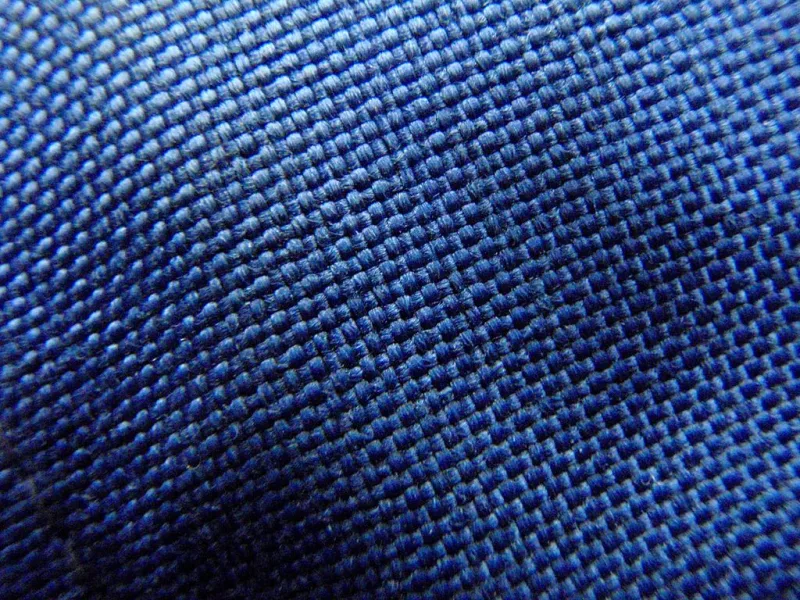
Nylon Fiber and Characteristics
Nylon does not absorb water – this is great for some uses, but also means that nylon fabric and movement combine to create static electricity.
Article
Page 58 of 84
Nylon does not absorb water – this is great for some uses, but also means that nylon fabric and movement combine to create static electricity.
Article

Wool is the protein fibre of the sheep fleece: why it is warm, felts and itches, its scales under a microscope, Merino grades, care and sourced fibre data.
Article
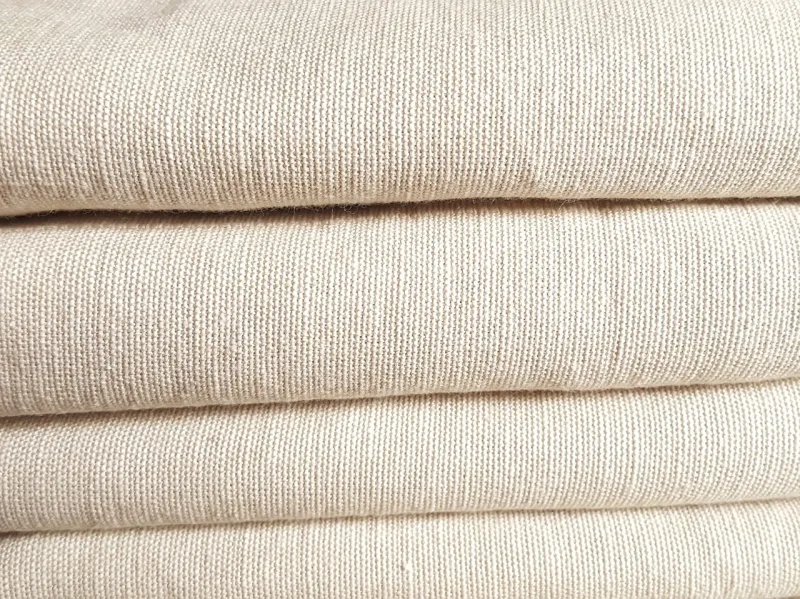
Linen is cloth woven from flax fibre: whether it breathes or shrinks, linen vs cotton, how to wash it, how flax is retted and spun, and sourced fibre data.
Article

Lingerie industry has been growing prosperously and the demand from the customers urges the industry to continuously improve its design and manufacturing technology so as to drive for excellence to match the ever-changing market. The company manufacture wide range of lingerie consists of brassiere, panties, control briefs, garters, foundation garments, corsets, bustier.Its a term that is used for undergarments which are alluring, appealing, erotic and fashionable.
Article
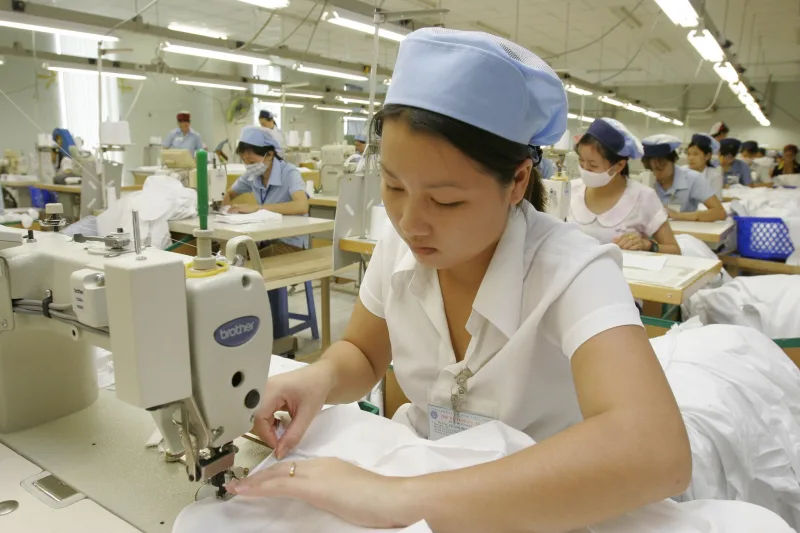
The global apparel industry and market are “at a tipping point”, with economic uncertainty casting doubts on levels of future growth, according to a new research report.
Article

Diagonal weave are basically type of twill weaves confined to bold twills running at angles greater than 45°, although often regular 45° twills are spoken of as diagonals; regular diagonals are generally formed by combining two regular 45° twills in their picks or ends.Diamond weaves are type of twill weave which forms the shape of a perfect diamond.
Article
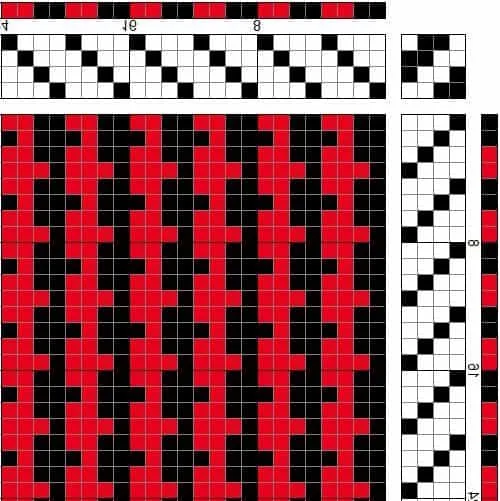
Skip twills are a type of broken twill effects formed by a skip drawing-in draft and a regular twill weave as a chain draft. The weaves that form a wave effects across the cloth known as pointed twills. These effects are also frequently spoken of as herring banes, or herring-bones stripes, because the radiating twill lines suggest the radiating bones of a fish’s backbone.
Article
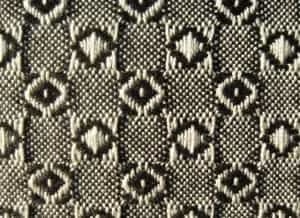
Fancy entwining twill effects are obtained by omitting one or more twill lines from each section and continuing the remaining twill lines of each section until they meet these of the other section. By this it means that two blank spaces are made in the weave, in which other weaves may be inserted. Curved twills are those in which the twill lines have a wavy, or curved, nature instead of being perfectly straight as in an ordinary twill weave. There are two methods of constructing these weaves,
Article
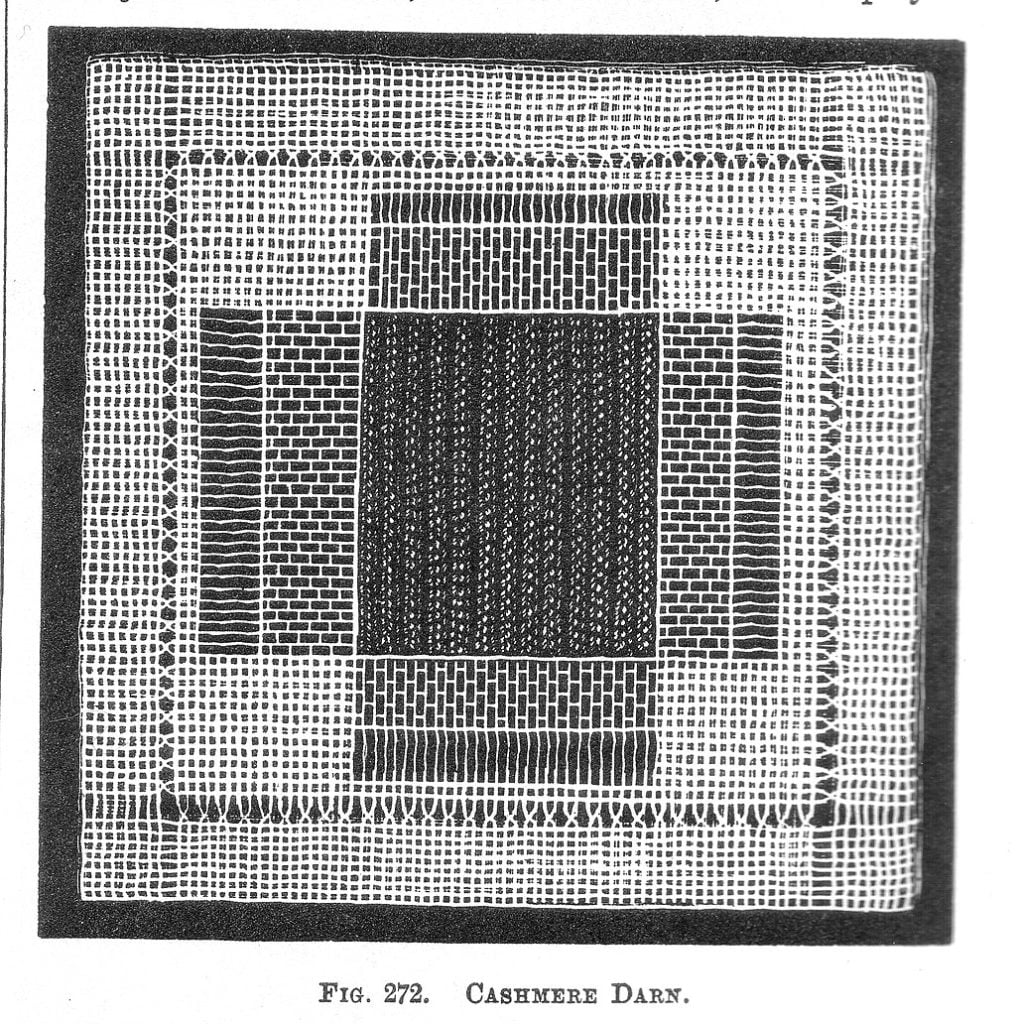
The fancy twill is formed by placing small spots between the main lines of twill. The first end of the weave should be a continuation of the last end and the first pick should be a continuation of the last pick, so that the weave will continue perfectly when repeated in either direction.
Article

Discover waving combination twills, dynamic zigzag weaves blending durability and style. Learn techniques and sustainable applications for eco-friendly textiles.
Article
Every record in these registers was sent in by somebody. Submissions are reviewed before they are published.
1,481 machines in the register.Tell us about a missing one 288 event series in the register.Submit a trade fair or conference 3,038 standards tracked in the register.Get the changes by email each week