

Apparel
13 Questions To Ask While Choosing The Perfect Winter Jacket
if you are thinking about buying some winter gear, don’t go shopping unless you know the answers to these questions.
Article
Covers fabric constructions from woven and knitted to nonwovens and composites. Details GSM, cover factor, drape, air permeability, pilling resistance, and handle. Includes test methods and how structure drives performance. This section explains practical decision criteria, typical test methods, and failure modes that matter in real production. Readers get checklists, calculation steps, and case examples connecting specifications to cost, reliability, and compliance. Links map core concepts to upstream inputs and downstream processes so choices remain consistent across sourcing, manufacturing, and end-use performance. Each article includes definitions, diagrams where helpful, and plain-language notes to help newcomers ramp quickly while giving experienced professionals the depth needed to troubleshoot and optimize. Standards references are cited with context, and whenever trade-offs exist, we make them explicit so you can defend decisions.
Apparel
if you are thinking about buying some winter gear, don’t go shopping unless you know the answers to these questions.
Article

Fabric
Bowing & Skewing are defects which are created when there is a distortion in weft laid across the whole with of the fabric.
Article
Weaving
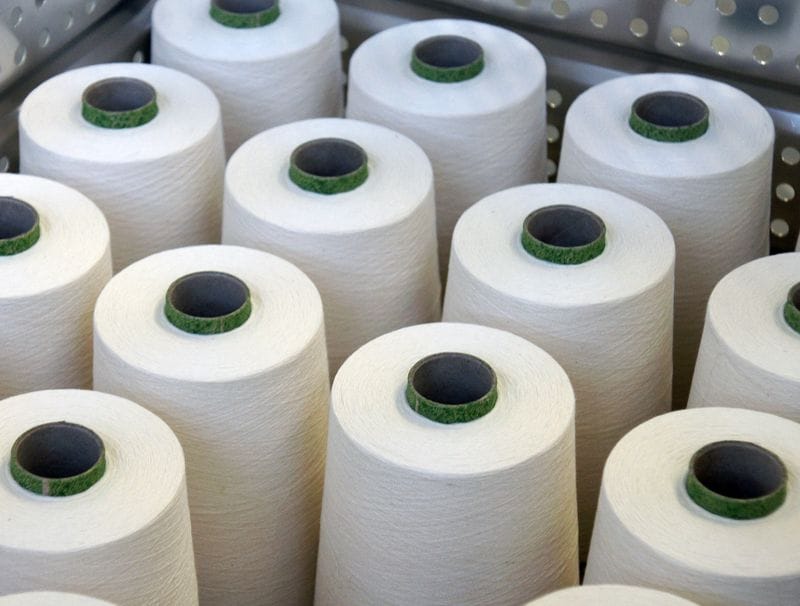
Physical properties of warp yarn are improved by incorporating oligomer resin into the yarn interior at the size box. These improvements yield benefits at each step of the fabric formation process from size box to the woven greige fabric. Warp sizing technology has been in a period of stagnation following the introduction of synthetic polymers into size formulations nearly 60 years ago. As noted in the following “Warp Sizing: A Brief History”, abrasion-resistant surface barriers may have reached optimum performance in sizing.
Article

Resources & General
Personal protective equipment (PPE) is used in a wide range of industries to protect workers from exposure to workplace hazards and is designed to address requirements specific to the context of its use. In healthcare, the goal of PPE is to protect healthcare personnel (HCP) from body fluids and infectious organisms via contact, droplet, or airborne transmission.
The ideal face mask blocks large respiratory droplets from coughs or sneezes – the primary method by which people pass the coronavirus to others – along with smaller airborne particles, called aerosols, produced when people talk or exhale. The World Health Organisation recommends medical masks for healthcare workers, elderly people, people with underlying health conditions, and people who have tested positive for the coronavirus or show symptoms.
Article
Printing/Dyeing
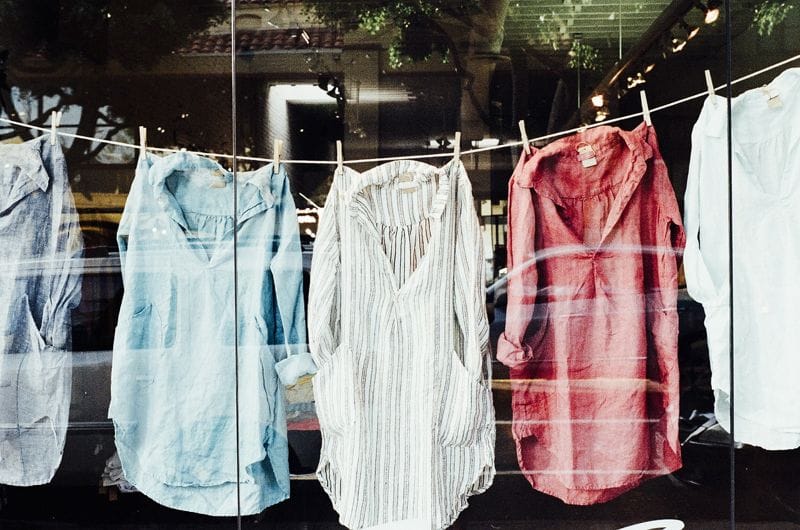
Cleaning ensures sanitization and thus the safety of the artefact itself and others stored/displayed in its vicinity. At the same time, the process invariably alters the character of textile to a certain extent. Cleaning ensures removal/deactivation of soil and harmful organic matter from the artefact. However, a small number of surface molecules from the textile might be eroded in the process as well. This leads to weakening of the textile and might cause alteration in colour spectrum/ depth etc. Controlled cleaning techniques in conservation laboratories focus on minimizing this damage. However, not much scientific data is available on the efficacy of present cleaning techniques employed in conservation laboratories. Presently aqueous cleaning and solvent cleaning are primary modes utilised as next step to dry tools. Additionally, novel cleaning technologies like enzyme wash and ultrasonic wash provide soil specific methodology that would reduce the threat to the base fabric.
The present paper is a systematic analysis of these cleaning techniques and their impact on aged museum fabrics, i.e., cotton, wool and silk. Change in tensile strength parameters, whiteness index and yellowness index have been used as indicators to test the efficacy of different cleaning techniques on aged museum textiles. Numerical data generated by laboratory experiments clearly indicate that there is no standard cleaning treatment available for the three natural fibres. Each fibre has exhibited suitability to different cleaning treatment while balancing between restored whiteness and minimizing strength loss.
Article
Natural Fiber
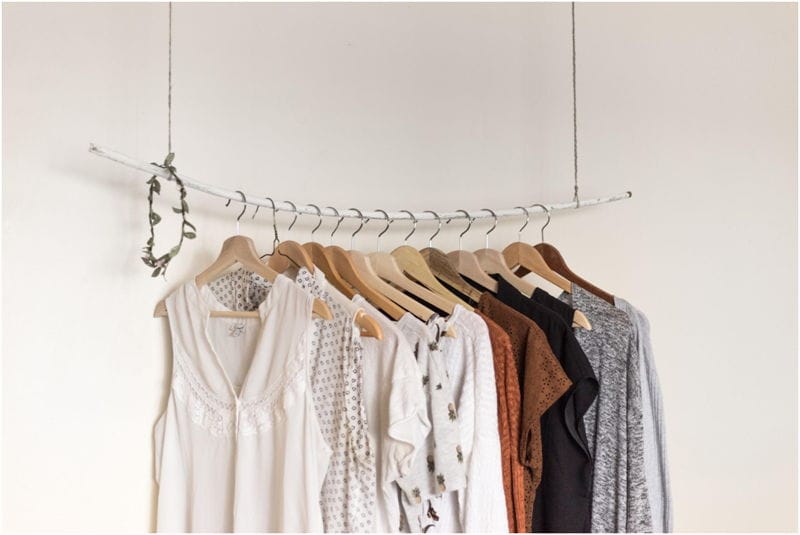
Cotton is one of the most popular fabrics in the world, but the difference between organically grown cotton and non-organic one is crucial. To make your clothes last longer you must be aware of its peculiarities.
Article

Apparel
Word “denim” comes from fabric “serge de Nimes” made in France city of Nimes from where it originates. It has been used in America since the late 18th century, colored blue with indigo dye to make blue “jeans”, a type of cotton pants.
Article

Apparel
Growing concern over the environmental and health impacts of textiles in general and denim, in particular, are putting pressure on companies to employ more sustainable production methods.
Article

Sponsored
There are many elements in addition to colors and patterns that you need to consider to buy the best fabric
Article

Assorted
A multilayer fabric with woven layers consists of a number of woven layers stacked on top of each other and held together with connection yarns in the third dimension (Z-direction).
Article
Every record in these registers was sent in by somebody. Submissions are reviewed before they are published.
1,496 machines in the register.Tell us about a missing one 306 event series in the register.Submit a trade fair or conference 3,038 standards tracked in the register.Get the changes by email each week