
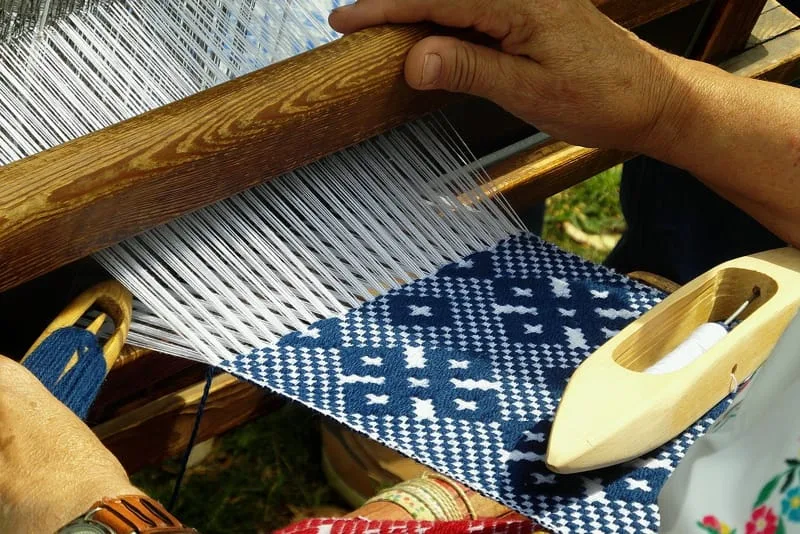
Fabric Construction: 10 Methods, How Each Is Made and How to Tell Them Apart
Fabric construction turns yarn or fibre into cloth. Weaving, knitting, nonwoven bonding and braiding are the four major methods; felt, lace and tufting follow.
Article
From warp preparation to loom tuning. Explains sheds, beat-up, take-up, and common faults. Includes reed and dent calculations, pick density planning, and productivity improvement with data. This section explains practical decision criteria, typical test methods, and failure modes that matter in real production. Readers get checklists, calculation steps, and case examples connecting specifications to cost, reliability, and compliance. Links map core concepts to upstream inputs and downstream processes so choices remain consistent across sourcing, manufacturing, and end-use performance. Each article includes definitions, diagrams where helpful, and plain-language notes to help newcomers ramp quickly while giving experienced professionals the depth needed to troubleshoot and optimize. Standards references are cited with context, and whenever trade-offs exist, we make them explicit so you can defend decisions.
Fabric construction turns yarn or fibre into cloth. Weaving, knitting, nonwoven bonding and braiding are the four major methods; felt, lace and tufting follow.
Article
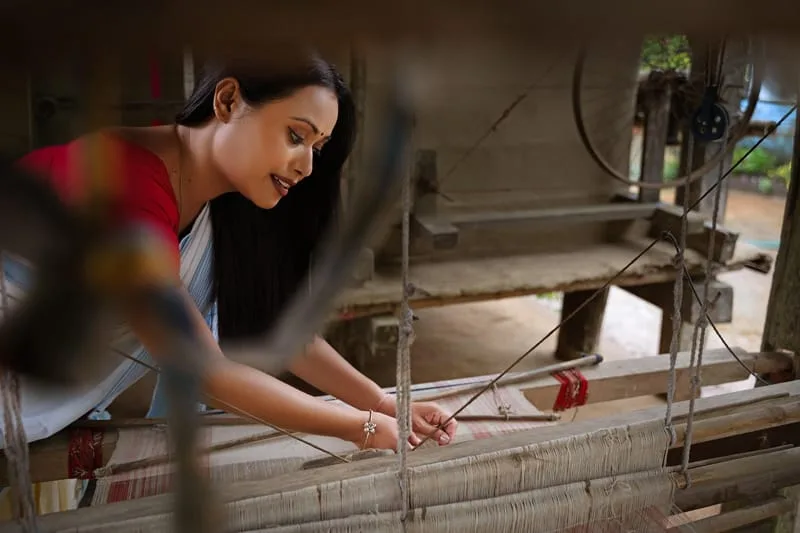
Tapestry weaving is a timeless art that has evolved from intricate handwoven techniques to sophisticated modern methods. This extensive article explores the rich history and technological advancements of tapestry weaving, detailing its evolution, production processes, innovations, and challenges. Through engaging narratives, technical diagrams, tables, and real-world examples, textile professionals, students, and enthusiasts gain deep insights into how tapestry weaving continues to influence fashion, art, and industrial applications in today’s dynamic textile industry.
Article
Water and energy conservation are critical priorities in modern weaving mills, where reducing resource consumption can significantly impact operational costs and environmental sustainability. This comprehensive article explores the evolution, innovative technologies, and practical strategies for conserving water and energy in weaving mills. Through rich historical context, technical analyses, real-world case studies, detailed diagrams, and actionable insights, textile professionals, engineers, and enthusiasts gain an in-depth understanding of how efficient resource management drives sustainability and profitability in the textile industry.
Article

Traditional weaving is cloth woven on hand-worked looms. Thirteen methods compared, from backstrap and ground looms to ikat, kente and jamdani.
Article

Khadi is cloth hand-woven from hand-spun yarn, defined by the KVIC Act 1956 and certified by the Khadi Mark. How it is spun on the charkha, woven and counted.
Article

A dobby loom lifts heald shafts pick by pick to weave small figures: how mechanical, rotary and electronic dobbies work, lifting plans, makers and fabrics.
Article

A Jacquard machine lifts warp ends singly through hooks and a harness. How it works, how a Jacquard design is made, and how the hooks set the repeat width.
Article

A projectile loom fires a small steel gripper across the warp with a torsion bar; it pulls the weft from a cone and returns under the warp on a conveyor.
Article

A rapier loom carries each pick across the warp on a gripper head mounted on a rod or tape; in most machines two rapiers hand the weft over mid-shed.
Article

An air-jet loom blows each pick across the warp with compressed air: a main nozzle starts it, and relay nozzles in a profiled reed carry it across.
Article
Every record in these registers was sent in by somebody. Submissions are reviewed before they are published.
1,496 machines in the register.Tell us about a missing one 306 event series in the register.Submit a trade fair or conference 3,038 standards tracked in the register.Get the changes by email each week