

Natural Fiber
Cotton Fibre: What Cotton Is, Its Properties, Structure and How It Is Made
Cotton is a seed fibre of almost pure cellulose: whether it absorbs or shrinks, Pima and Egyptian cotton, HVI grading, ginning and sourced fibre data.
Article
Explains origins, morphology, properties, and classification of textile fibers. Compares moisture regain, tensile behavior, thermal response, and sustainability profiles. Includes selection charts that link fiber choice to end-use performance and cost. This section explains practical decision criteria, typical test methods, and failure modes that matter in real production. Readers get checklists, calculation steps, and case examples connecting specifications to cost, reliability, and compliance. Links map core concepts to upstream inputs and downstream processes so choices remain consistent across sourcing, manufacturing, and end-use performance. Each article includes definitions, diagrams where helpful, and plain-language notes to help newcomers ramp quickly while giving experienced professionals the depth needed to troubleshoot and optimize. Standards references are cited with context, and whenever trade-offs exist, we make them explicit so you can defend decisions.
Natural Fiber
Cotton is a seed fibre of almost pure cellulose: whether it absorbs or shrinks, Pima and Egyptian cotton, HVI grading, ginning and sourced fibre data.
Article

Resources & General
This article provides an in-depth exploration of mathematical formulas critical to the textile industry, focusing on environmental impact, mechanical properties, production efficiency, and material characteristics. By presenting precise equations for carbon footprint, tensile strength, fiber yield, moisture regain, and other key metrics, this work aims to equip researchers, engineers, and industry professionals with tools to optimize textile processes and enhance sustainability. Each formula is accompanied by detailed explanations, practical applications, and considerations for real-world implementation.
Article
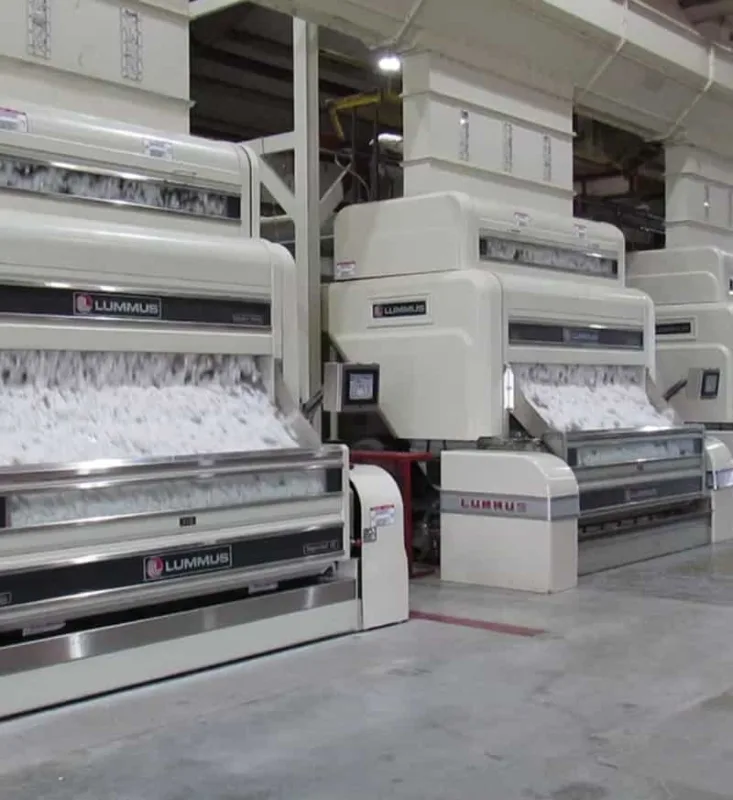
Natural Fiber
Cotton ginning separates cotton fibers from seeds and impurities, ensuring clean, high-quality fibers for textile production. Through processes like seed separation, cleaning, lint preservation, and waste management, ginning lays the foundation for efficient spinning and weaving, critical to the textile industry.
Article

Manmade Fiber
A number of fibers exist that are derived from natural mineral sources or are manufactured from inorganic and mineral salts. These fibers are predominantly derivatives of silica (Si02) or other metal oxides.
Article

Manmade Fiber
Vinyl fibers are those man-made fibers spun from polymers or copolymers of substituted vinyl monomers and include vinylon, vinyl, vinylon-vinyl matrix (Polychlal), saran, and polytetrafluoroethylene fibers.
Article

Resources & General
Fibers which do not logically “fit” under other classifications such as natural, manmade, mineral etc. such novaloid, carbon, poly-phenylene dibenzimidazole polyimide fibers etc. are categorized under miscellaneous fibers.
Article

Fiber
Elastomeric fibers are those fibers that possess extremely high elongations at break and that recover fully and rapidly from high elongations up to their breaking point. The fibers are all used in specialized applications where high elasticity is necessary within the textile structure. An Elastomer is a polymer with the physical property of elasticity. The elastomer is a term derived from elastic polymer, which is often used interchangeably with the term rubber.
Article
Manmade Fiber
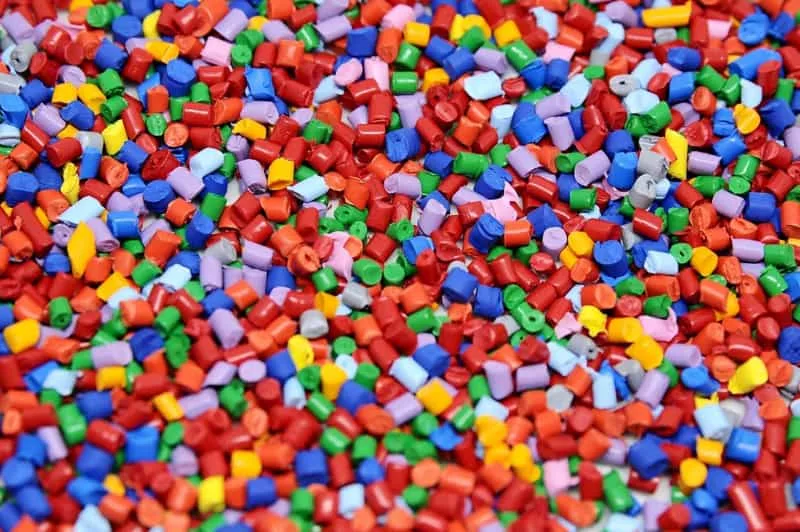
Polyolefin fibres, such as polypropylene and polyethylene, are manmade artificial textile fibres valued for their durability, lightweight properties, and resistance to chemicals. Used in applications like carpets, geotextiles, and apparel, these fibres offer cost-effective solutions while posing environmental challenges due to their non-biodegradable nature.
Article
Manmade Fiber
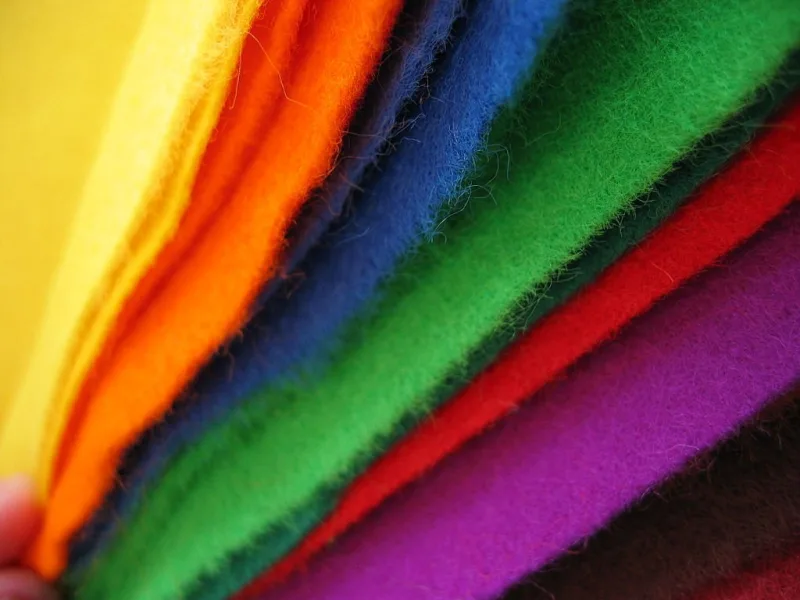
Acrylic is a synthetic wool substitute made from acrylonitrile: is it warm, is it safe, how to wash it, modacrylic, how it is made and sourced fibre data.
Article

Yarn
Threads are usually made up of several single strands twisted or plied together. The numbering system for threads has two parts: one related to the thickness of the single strand and the other to the number of strands (ply). Whereas the ply is expressed in thickness and the single strand is specified as a ?count? related to the length per unit weight. Cotton Count system, Tex system, and the Metric Ticket system are some of the commonly used thread numbering systems.
Article
Every record in these registers was sent in by somebody. Submissions are reviewed before they are published.
1,496 machines in the register.Tell us about a missing one 306 event series in the register.Submit a trade fair or conference 3,038 standards tracked in the register.Get the changes by email each week