

Types of Technical Textiles and Their Applications
Explore 12 types of technical textiles—from geotextiles to medical fabrics—and discover their uses in agriculture, construction, healthcare, and more.
Article
Performance-driven categories across mobiltech, meditech, protech, etc., with standards and testing. This section explains practical decision criteria, typical test methods, and failure modes that matter in real production. Readers get checklists, calculation steps, and case examples connecting specifications to cost, reliability, and compliance. Links map core concepts to upstream inputs and downstream processes so choices remain consistent across sourcing, manufacturing, and end-use performance. Each article includes definitions, diagrams where helpful, and plain-language notes to help newcomers ramp quickly while giving experienced professionals the depth needed to troubleshoot and optimize. Standards references are cited with context, and whenever trade-offs exist, we make them explicit so you can defend decisions. The coverage also includes metrics, data tables, and example calculations so results are reproducible. Where regulations apply, we highlight jurisdiction, scope, and verification pathways. Tools and templates are provided to speed up daily work without sacrificing rigor.
Explore 12 types of technical textiles—from geotextiles to medical fabrics—and discover their uses in agriculture, construction, healthcare, and more.
Article

Discover technical textiles—engineered for performance, not fashion. Learn types, uses, advantages, and future trends in this beginner’s guide.
Article
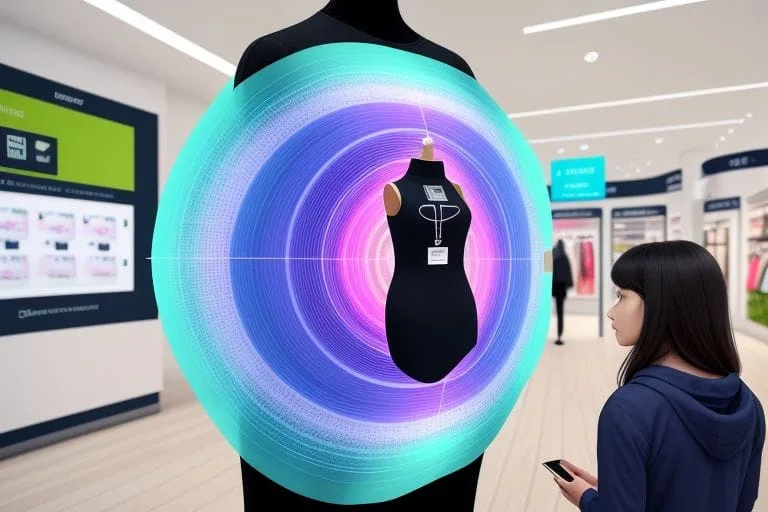
Augmented reality is transforming how we design, display, and try on textiles. Discover how AR is driving a new era in digital fashion—from 3D fabric simulation to personalized virtual try-ons.
Article

Nanotechnology is transforming the textile world, creating fabrics that resist stains, bacteria, and even odors. Learn how self-cleaning textiles are shaping a new era of smart, sustainable fashion.
Article
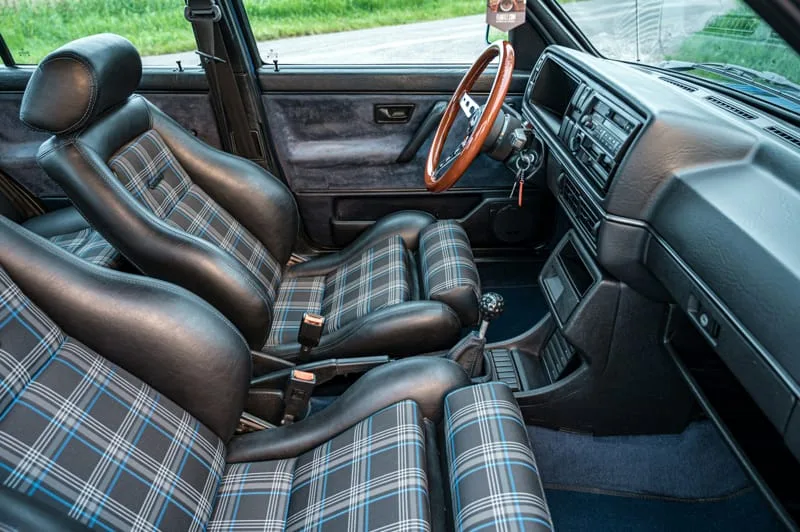
Automotive textiles are fabrics built into vehicles for safety, comfort and appearance. Early cars used cotton and wool mainly for basic upholstery; textiles now also provide sound insulation, impact protection and weight reduction, and include fire-retardant materials, airbag fabrics, moisture-wicking seat covers and smart textiles that monitor driver well-being. They must be durable yet lightweight […]
Article
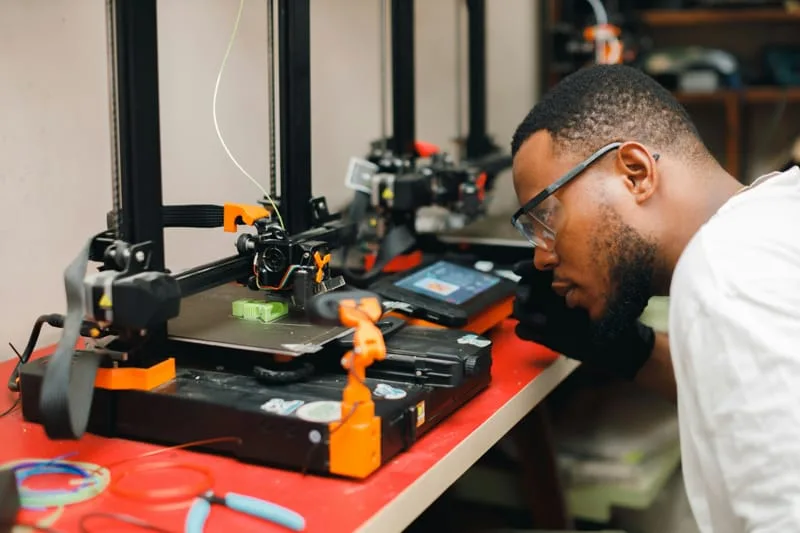
3D and 4D printing technologies are poised to transform the textile industry, offering innovative solutions for sustainable and customized fabric production. These advancements enable the creation of complex, waste-efficient textiles, with applications spanning fashion, sportswear, and healthcare. Innovations like Mitsubishi’s Diaplex® shape-changing membranes and ChroMorphous color-shifting fabrics highlight the potential for dynamic, functional designs. Despite challenges in scalability and material comfort, the integration of Industry 5.0 principles, emphasizing AI and human-centric design, suggests a future where 3D-printed fabrics redefine textile manufacturing with enhanced sustainability and creativity.
Article

Medical textiles are revolutionizing healthcare by integrating advanced materials and digital technologies to create smart, responsive fabrics that improve patient outcomes. This comprehensive guide covers the evolution, applications, and innovations in medical textiles, including 3D-printed vascular grafts, antimicrobial sutures, and IoT-enabled wearable systems. By embracing sustainable practices and adhering to rigorous quality standards, the industry is paving the way for a future where medical textiles play a crucial role in enhancing both clinical performance and environmental sustainability.
Article

Different kinds of narrow fabrics such as ribbons, laces, cords, tapes, labels, webbings, wicks, elastics, ropes, straps, trims, fringes, lanyards, etc. may be crafted out of different kinds of materials such as leather, cotton, polyester, Teflon, rubber, jute, nylon, fiberglass, and beads for Luggage manufacturing.
Article

Smart textiles are textiles that can sense and react to environmental conditions or stimuli from mechanical, thermal, chemical, electrical, or magnetic sources. Smart textiles may combine fabrics with glass, ceramics, metal, or carbon to produce lightweight hybrids with incredible properties. Sophisticated finishes, such as silicone coatings and holographic laminates, transform color, texture, and even form.
Article

Technical textile end-usage on heat and flame protection fabrics, waterproof fabrics, geotextiles, implantable and non-implantable medical textile materials, extracorporeal devices with technical textiles, and new developments in Technical Textiles
Article
Every record in these registers was sent in by somebody. Submissions are reviewed before they are published.
1,496 machines in the register.Tell us about a missing one 306 event series in the register.Submit a trade fair or conference 3,038 standards tracked in the register.Get the changes by email each week