Introduction
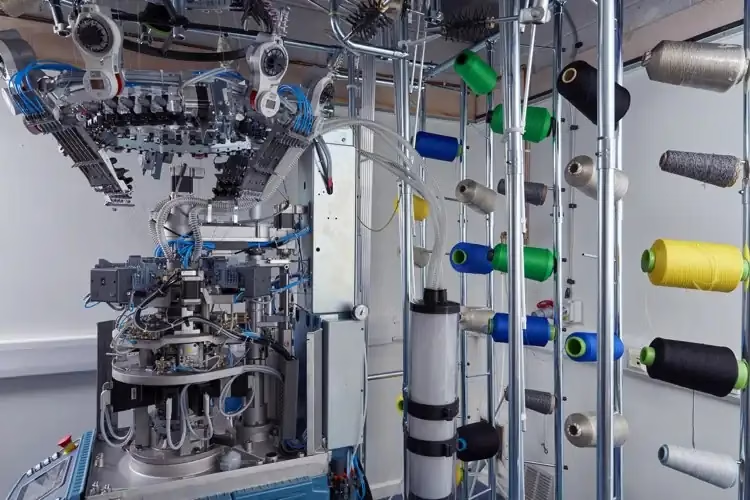
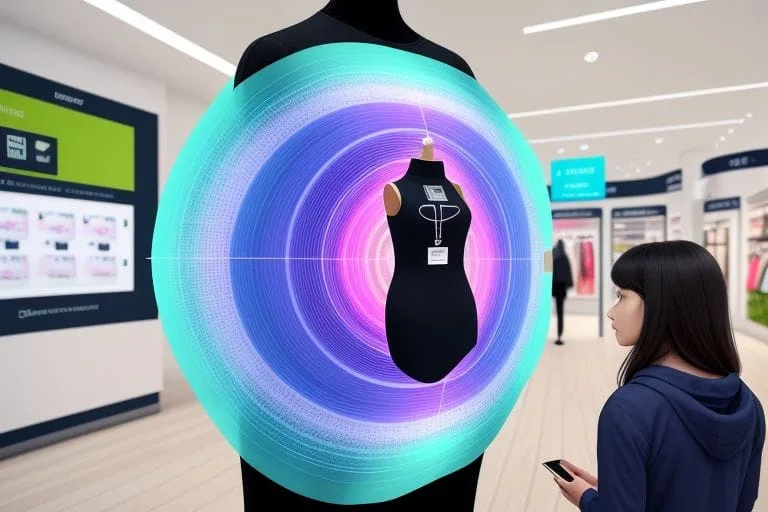
Imagine walking into a store, scanning a code, and instantly visualizing how a fabric will drape on your body, all through your smartphone. This is not a futuristic dream—augmented reality (AR) is already reshaping the textile and fashion industry by blending digital experiences with real-world shopping and design environments.
From virtual try-ons to fabric simulation, AR is not just a tool for novelty; it is revolutionizing how designers, retailers, and consumers interact with textiles. In 2025, this shift is more evident than ever, marking a pivotal point for digital transformation in fashion and textile design.
Early Developments in AR and Fashion
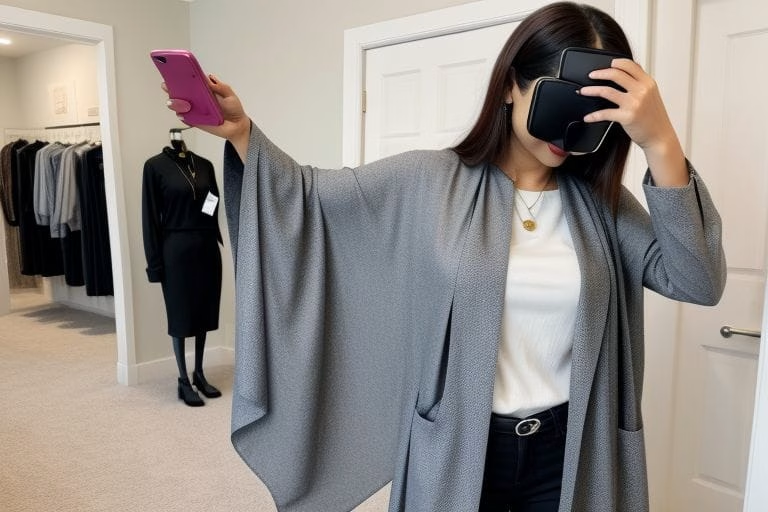
The fusion of technology and fashion has roots in early 2010s innovations, primarily focused on retail enhancement. Basic AR apps allowed users to see how sunglasses or makeup might look on their faces.
Over time, developers realized AR’s potential went far beyond accessories. The need to reduce return rates, increase e-commerce engagement, and streamline the design process fueled AR’s rise. Today, with advanced motion tracking, real-time rendering, and AI integration, the technology has reached unprecedented sophistication in the textile domain.
Technological Evolution of AR in Textile Design
The past decade saw significant growth in augmented reality technology for textiles. It transitioned from simple overlays to real-time, dynamic simulations of fabrics, patterns, and clothing. Key technological breakthroughs include:
- Real-time 3D visualization with fabric physics
- AI-enhanced body mapping for accurate size prediction
- AR-enabled smart mirrors and in-store try-on stations
- Cloud rendering to handle complex designs and texture data
These advancements mean designers can visualize a garment’s look, weight, and behavior without producing a single prototype.
The Virtual Textile Design Process
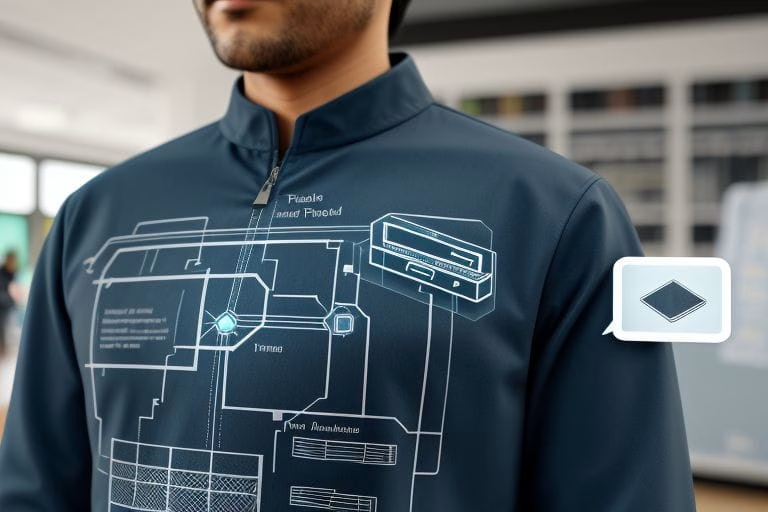
In AR-driven textile design, digital tools replace traditional sketching and sampling. The process now involves:
| Step | Description |
|---|---|
| 1 | Import fabric data (texture, weave, drape properties) into design software |
| 2 | Create or adapt 3D garment models |
| 3 | Apply fabrics virtually with real-world physics simulation |
| 4 | Use AR to visualize how the textile appears on virtual mannequins or human avatars |
| 5 | Modify in real time and finalize design |
The result is faster design cycles, reduced sampling costs, and a more sustainable workflow.
Innovations Powering AR in Fashion
Several innovations have propelled AR into mainstream textile usage:
- Haptic Feedback Wearables: Some labs are exploring wearables that simulate textile touch, enhancing virtual experiences.
- Smart Fabric Integration: AR overlays embedded with smart textiles offer live data and dynamic styling.
- Multi-Surface Projection AR: Projecting textiles onto mannequins or store walls with AR projectors.
- Voice-Activated Design Edits: Designers can modify garments via voice commands in AR environments.
Such innovations offer designers greater control while providing consumers with immersive and personalized experiences.
Types and Applications of AR in Textiles
AR in textiles is multifaceted. Here are the main categories:
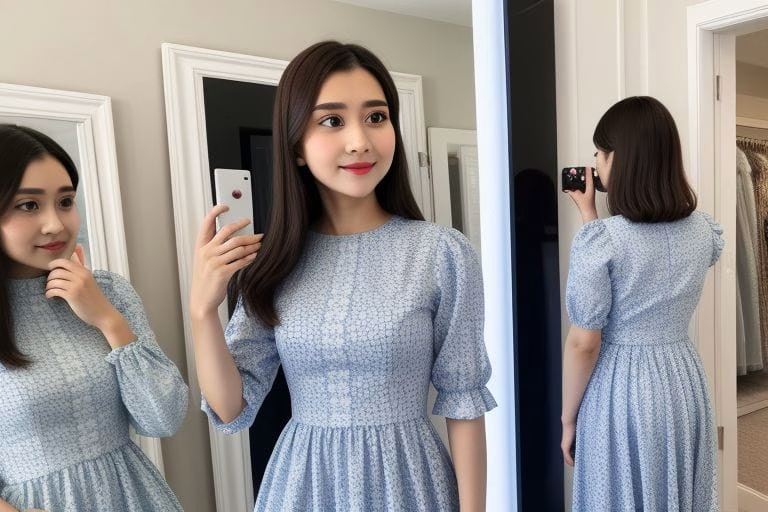
- Virtual Try-Ons: Using smartphones or smart mirrors, consumers can see how garments look and move.
- Fabric Simulation: Designers preview how textures and patterns interact with motion and light.
- Interactive Product Displays: AR labels or QR codes unlock hidden product features or customization options.
- Design Collaboration Tools: Remote teams can collaborate in AR, reviewing designs in 3D.
Each application addresses a key challenge in textile design—be it consumer confidence, design precision, or supply chain speed.
Real-World Use Cases
Numerous brands and institutions have implemented AR with remarkable outcomes:
- Zara introduced AR-powered store windows for real-time outfit previews.
- Nike uses AR to help customers find the right shoe size based on foot scans.
- Fashion institutes are integrating AR into design curriculums, enabling students to build full collections virtually.
These applications demonstrate AR’s versatility across retail, education, and design.
End-Users and Market Segments
AR in textiles serves a wide range of users:
- Fashion Designers: Use AR for fast prototyping and visual iteration
- Retailers: Enhance customer experience through try-ons and customization
- Educators: Train students in digital textile techniques
- Consumers: Make informed purchasing decisions with immersive previews
The global AR in retail market is projected to exceed $20 billion by 2027, with fashion and textiles forming a major share, according to Statista.
Challenges in AR Adoption
Despite its promise, AR in textiles still faces hurdles:
- Hardware Limitations: Not all users have access to high-performance devices.
- Design Complexity: Creating accurate 3D models and textures can be resource-intensive.
- User Training: Designers and retailers need training to use AR platforms effectively.
- Consumer Skepticism: Some shoppers still prefer traditional try-ons.
Overcoming these barriers will require continued investment in user-friendly solutions and education.
Sustainability Impact
AR directly contributes to sustainable textile practices in several ways:
- Reduced Sample Waste: Digital prototypes eliminate physical samples.
- Lower Return Rates: Better product visualization means fewer fit-related returns.
- Efficient Design Iteration: Cuts down time and resources spent on multiple versions.
In a world increasingly conscious of its environmental impact, AR is a crucial enabler of cleaner, smarter textile production.
Future Trends and Possibilities
Looking ahead, AR in textiles will likely evolve through:
- Metaverse Integration: Fashion shows and stores will become immersive, virtual experiences.
- AI + AR Fusion: AI will auto-generate designs tailored to consumer data.
- Blockchain & AR: Verify authenticity and origin of garments through AR-enabled digital tags.
- Body-Responsive AR: Real-time feedback based on user movement or biometric data.
These trends indicate a future where textile design is not just digital—but deeply interactive and data-driven.

Summary
The textile industry stands at the intersection of creativity and technology, and augmented reality is the bridge between them. From streamlining the design process to revolutionizing retail and enhancing consumer satisfaction, AR holds the key to a more efficient, innovative, and sustainable textile future.
What once seemed like science fiction is now a competitive necessity for forward-thinking brands and designers. As AR tools become more accessible, their influence will only deepen across the fabric of fashion.
As augmented reality technology matures, its impact on the textile industry becomes undeniable. It streamlines design, reduces waste, enhances retail engagement, and prepares the industry for a digital future. The evolution of AR represents not just a tech upgrade, but a redefinition of how we experience fabric, style, and creativity.
Citations:
- Statista: Global AR market projections: https://www.statista.com/statistics/1098630/global-augmented-reality-market-size/
- Forbes: How AR is revolutionizing retail: https://www.forbes.com/sites/forbestechcouncil/2023/06/20/how-augmented-reality-is-revolutionizing-fashion-retail/
- SpringerLink: AR in textile design methodologies: https://link.springer.com/article/10.1007/s00170-021-07100-5