Technical Textiles

Performance-driven categories across mobiltech, meditech, protech, etc., with standards and testing. This section explains practical decision criteria, typical test methods, and failure modes that matter in real production. Readers get checklists, calculation steps, and case examples connecting specifications to cost, reliability, and compliance. Links map core concepts to upstream inputs and downstream processes so choices remain consistent across sourcing, manufacturing, and end-use performance. Each article includes definitions, diagrams where helpful, and plain-language notes to help newcomers ramp quickly while giving experienced professionals the depth needed to troubleshoot and optimize. Standards references are cited with context, and whenever trade-offs exist, we make them explicit so you can defend decisions. The coverage also includes metrics, data tables, and example calculations so results are reproducible. Where regulations apply, we highlight jurisdiction, scope, and verification pathways. Tools and templates are provided to speed up daily work without sacrificing rigor.

3d printing

The Rise of 3D-Printed Fabrics: Future of Textile Design in 2025

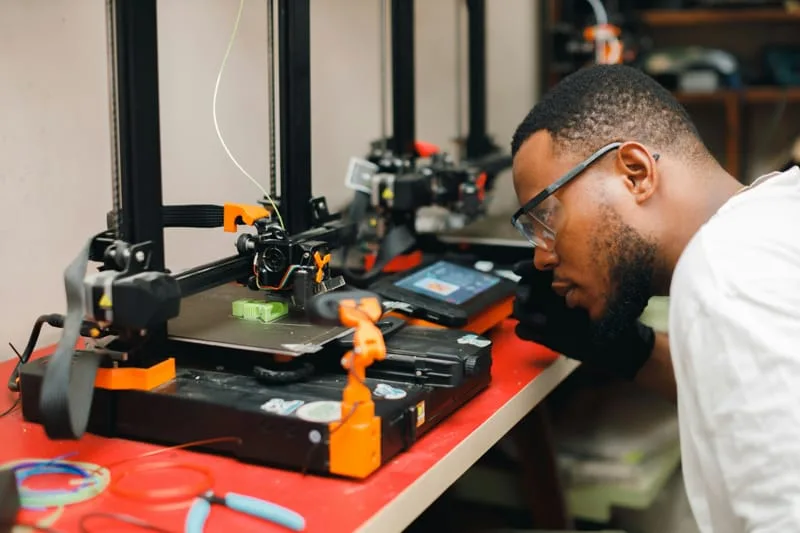
3D and 4D printing technologies are poised to transform the textile industry, offering innovative solutions for sustainable and customized fabric production. These advancements enable the creation of complex, waste-efficient textiles, with applications spanning fashion, sportswear, and healthcare. Innovations like Mitsubishi’s Diaplex® shape-changing membranes and ChroMorphous color-shifting fabrics highlight the potential for dynamic, functional designs. Despite challenges in scalability and material comfort, the integration of Industry 5.0 principles, emphasizing AI and human-centric design, suggests a future where 3D-printed fabrics redefine textile manufacturing with enhanced sustainability and creativity.

Read more »

Article

prosthetic hand

Medical Textiles Overview

Medical textiles are revolutionizing healthcare by integrating advanced materials and digital technologies to create smart, responsive fabrics that improve patient outcomes. This comprehensive guide covers the evolution, applications, and innovations in medical textiles, including 3D-printed vascular grafts, antimicrobial sutures, and IoT-enabled wearable systems. By embracing sustainable practices and adhering to rigorous quality standards, the industry is paving the way for a future where medical textiles play a crucial role in enhancing both clinical performance and environmental sustainability.

Read more »

Article

Smart Textiles and Intelligent Textiles

Smart textiles are textiles that can sense and react to environmental conditions or stimuli from mechanical, thermal, chemical, electrical, or magnetic sources. Smart textiles may combine fabrics with glass, ceramics, metal, or carbon to produce lightweight hybrids with incredible properties. Sophisticated finishes, such as silicone coatings and holographic laminates, transform color, texture, and even form.

Read more »

Article

Electrospinning as a nanoscale technology of the twenty-first century

ELECTROSPINNING PROCESS Electrospinning is from the academic as well as technical perspective presently the most versatile technique for the preparation of continuous nanofibers obtained from numerous materials including polymers, metals, and ceramics.  Electrospinning is a physical process used for the formation of thin fibers in which a viscous liquid is subjected to electrical shear stress […]

Read more »

Article

Nano technology – Introduction, Definition, Market, Applications

When the diameter of the fibers is in the nanometer range, several amazing characteristics appear, such as the very large surface area to volume ratio, flexibility in surface functionalities, and superior mechanical performance (e.g., stiffness and tensile strength) compared with any other known form of material.

Read more »

Article

Scroll to Top