apparel

Home » apparel » Page 3

Construction Pattern Marking of fabric

After cutting, there are several pattern markings that help us put the project together accurately. Not all markings will be found on every project, as some are specific to a particular construction technique. Some construction markings need to be transferred to the fabric so they will be visible for placement and sewing; others, like seamlines, small arrows, etc. do not need to be transferred, only heeded during assembly. Check the pattern directions for more specific marking needs.

Construction Pattern Marking of fabric Read More »

fabric cutting

Fabric Cutting Standards

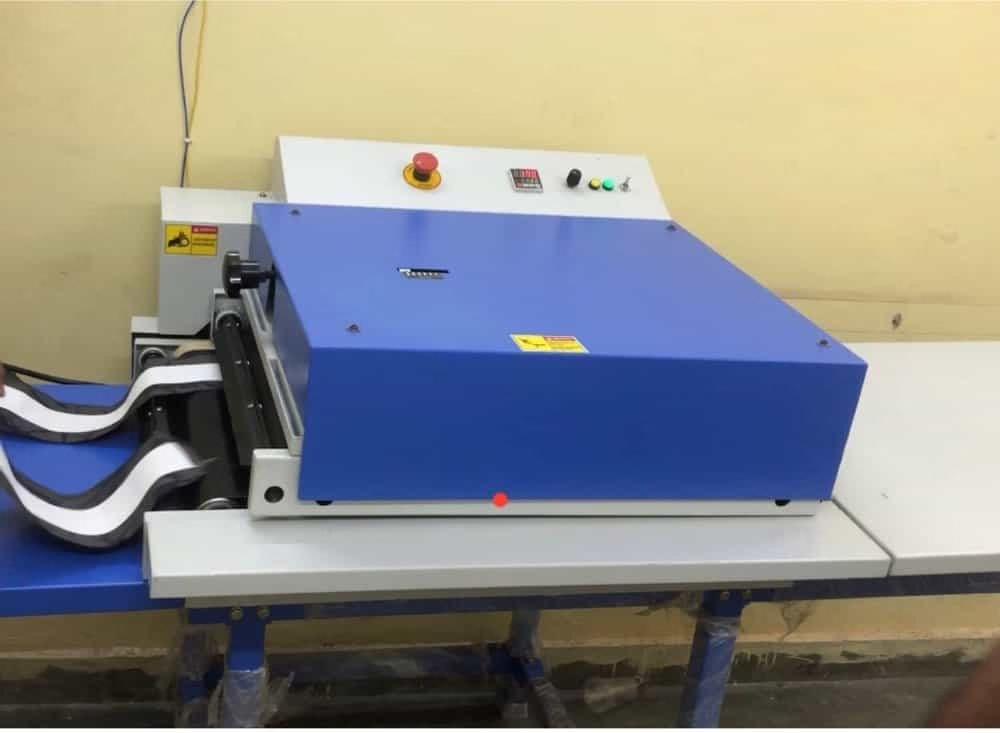
Where large quantities of a garment style must be cut, a layer is created which consists of many piles of fabric spread one above the other. From this, all the garment pieces for all the sizes that have been planned for that layer are cut. The pattern shapes for these garments may be drawn on a paper marker placed on top of the lay, or information as to their shape and position may be held within a computer, to be plotted similarly on a paper marker or used to drive an automatic cutter.

Fabric Cutting Standards Read More »

Preparing for Layout in Garment Making

This article offers an extensive exploration of preparing for layout in garment making. Covering everything from pre-production planning and digital integration to sustainable practices and quality control, it provides actionable insights for optimizing fabric usage, reducing waste, and enhancing production efficiency.

Our in-depth analysis of garment layout preparation covers the importance of pre-production planning, the role of digital tools in marker making, and the integration of sustainable practices. Real-world case studies and future trends highlight how technology and innovative strategies drive efficiency and quality in modern garment production. Embracing these practices positions the industry for a future defined by improved sustainability, cost efficiency, and creative excellence.

Preparing for Layout in Garment Making Read More »

boys-wear

Fabrics for Men’s and Boy’s Wear

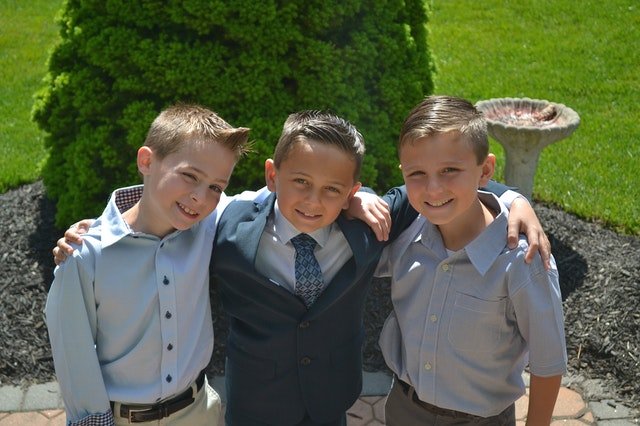
Men’s clothing includes garments such as suits, topcoats, cover coats, jackets, and slacks. Boy’s clothing includes suits, topcoats, overcoats, jackets, and raincoats. With the emergence of fashion as selling force, there are more divisions of men’s and boy’s section in department and specialty stores.

Fabrics for Men’s and Boy’s Wear Read More »

mens-briefs

Types of Men’s underwear/Brief styles

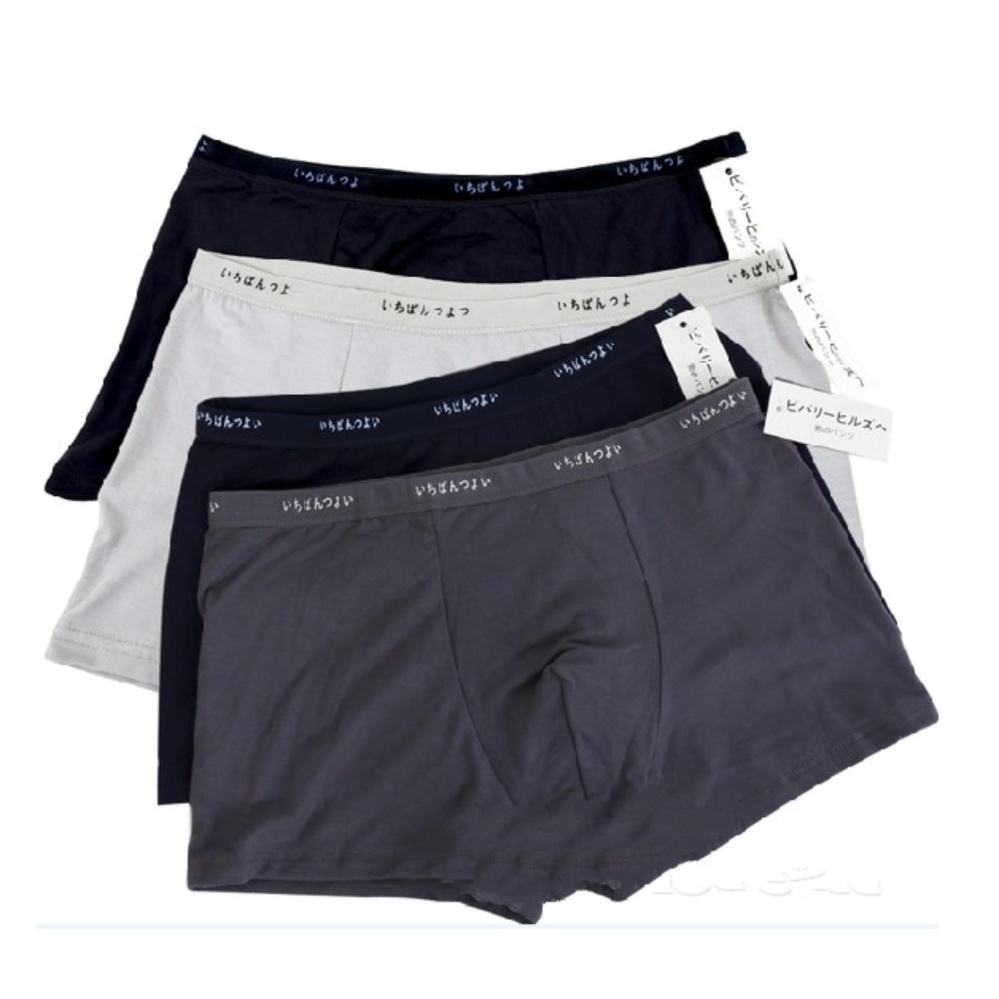
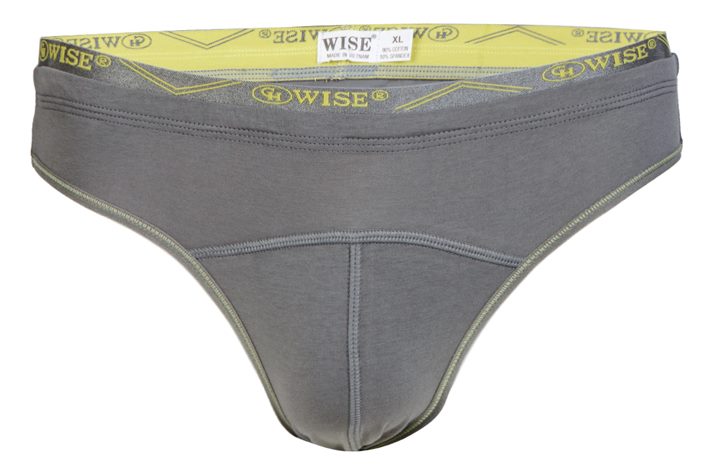
Todays’ designers are coming up with a new design every now and then. Some of the common styles of briefs are a boxer, bikini, Boser brief, Trunk, Brief, Long underwear, Mesh underwear, Tapered boxers, String Bikini, Long John’s, Jockstrap. Each of this style has been designed keeping certain factors in mind. Based on an individuals choice, one chooses a particular style.

Types of Men’s underwear/Brief styles Read More »

men's briefs

Men’s Underwear – Briefs

There are many different types of underwear for men in both modern and classic styles. This wide array of men’s underwear includes boxer brief, bikini, trunk, and boxer.In many cases, it depends on where they are going and what they will be doing that determines the type of underwear they will choose. Most men wear standard underwear briefs when they go to work or when they are at the gym. But other men like to wear boxer shorts, which they claim are more comfortable.Men’s underwear is available

Men’s Underwear – Briefs Read More »

fabric selection for garment making

What is Fabric selection in apparel manufacturing?

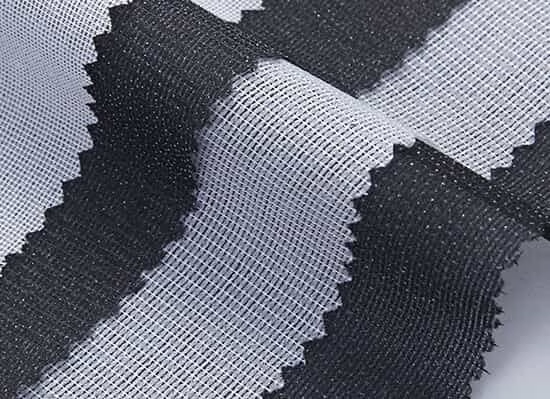
Fabric selection is a crucial step in designing a project because fabrics are designed for specific applications, a fabric manufactured for one purpose, may not be adaptable for another use.Therefore selecting the appropriate fabric is only the first step in providing serviceable fabrics for apparel manufacturing.Designers specify the fabric as part of their design concept. Designers may develop new styles for fabrics that have been successful.

What is Fabric selection in apparel manufacturing? Read More »

Scroll to Top