Bast fibers, derived from the phloem (or “bast”) of certain plants, have been used for millennia to produce textiles, ropes, and paper. Among these fibers, hemp, ramie, and jute are recognized for their unique combination of strength, durability, and sustainability. In today’s global textile market, these fibers have reemerged as vital components in eco‐friendly and high-performance products. This article explores every facet of bast fibers—from their historical origins to their modern applications—focusing on hemp, ramie, and jute. We will examine their botanical and chemical composition, physical and mechanical properties, processing techniques, and the sustainable practices behind their sourcing. Additionally, the guide includes real‐world examples, detailed charts, tables, diagrams, and formulas that illustrate key concepts.
The textile industry is undergoing a transformation driven by environmental concerns and consumer demand for sustainable products. Bast fibers offer a renewable, biodegradable alternative to synthetic materials. Their cultivation typically requires fewer pesticides and less water than conventional fibers like cotton. Moreover, bast fibers are ideal for blending with other materials to enhance performance attributes such as moisture management, durability, and texture. Manufacturers and designers increasingly rely on these fibers to create eco‐friendly textiles that do not compromise on quality or aesthetics.
The renewed interest in bast fibers is also supported by advances in agricultural practices and processing technology. Modern techniques have improved fiber quality, consistency, and yield. Research in plant genetics and sustainable farming methods has enabled producers to cultivate high-quality hemp, ramie, and jute with a reduced environmental footprint. The convergence of traditional knowledge and modern science ensures that these fibers remain competitive in an industry where sustainability, performance, and cost-effectiveness are paramount.
1. Introduction to Bast Fibers
Bast fibers refer to the long, strong fibers extracted from the inner bark or phloem of plants. They have been integral to human civilization for thousands of years, used in making textiles, ropes, and paper. Hemp, ramie, and jute are among the most prominent bast fibers and are valued for their superior mechanical properties, biodegradability, and versatility.
1.1 Definition and Scope
Bast fibers are naturally occurring plant fibers obtained from the phloem tissue. They differ from seed fibers (such as cotton) and leaf fibers (such as sisal). The term “bast” originates from the Latin word for bark and historically referred to the fibers that held plant tissues together. Today, these fibers are harvested, processed, and refined to create yarns and fabrics that serve a wide range of applications—from apparel to industrial composites.
TextileSchool.com is dedicated to educating professionals on topics such as fiber properties, processing techniques, and sustainability. In this context, understanding bast fibers is crucial as manufacturers shift toward eco-friendly practices. Hemp, ramie, and jute have emerged as key players due to their inherent sustainability and performance characteristics.
1.2 Importance in Modern Textiles
Modern textile manufacturing increasingly values sustainable and renewable resources. Bast fibers are celebrated for their low environmental impact. For example, hemp requires minimal water and few pesticides during cultivation, while ramie and jute contribute to soil fertility through natural crop rotations. These advantages make bast fibers attractive in a market that prioritizes eco-conscious production.
In addition to environmental benefits, bast fibers offer exceptional physical properties. They possess high tensile strength, low elongation, and excellent resistance to abrasion. These characteristics are particularly important for applications that demand durability, such as industrial textiles, home furnishings, and outdoor gear. The versatility of bast fibers also allows designers to blend them with synthetic or other natural fibers to achieve specific performance targets.
Manufacturers and researchers alike are exploring new methods to optimize bast fiber quality. Innovations in retting (a process to extract fibers), decortication, and enzymatic treatments are continuously improving fiber yield and consistency. These developments underscore the dynamic nature of bast fiber technology and its pivotal role in the future of sustainable textiles.

2. Historical Evolution and Cultural Significance
The use of bast fibers dates back to ancient civilizations. Archaeological evidence indicates that early humans harvested fibers from plants such as hemp, ramie, and jute for making clothing, ropes, and other essentials. This historical evolution is intertwined with human migration, trade, and cultural exchange.
2.1 Early Uses and Ancient Techniques
Ancient civilizations in Asia, Africa, and Europe relied on bast fibers long before the advent of synthetic materials. For instance, ancient Chinese texts describe the cultivation of hemp for making durable ropes and fabrics. Similarly, historical records from India and Egypt document the use of ramie and jute in weaving and papermaking. These early practices were highly sustainable, as communities used locally available resources and traditional agricultural methods that maintained ecological balance.
The traditional methods of fiber extraction, such as retting and decortication, were passed down through generations. Retting involves soaking the plant stems to loosen the fibers, followed by manual or mechanical separation. These techniques, although labor-intensive, produced high-quality fibers that were prized for their strength and versatility. Early artisans experimented with various processing methods, setting the foundation for the modern techniques used in bast fiber processing.
2.2 Cultural and Economic Impact
Bast fibers not only served practical needs but also played significant cultural roles. In many societies, the production and trade of bast fibers were central to local economies. Markets and trade routes developed around the exchange of hemp, ramie, and jute products. These fibers were integral to traditional crafts, and their processing was often a community activity that reinforced social bonds and cultural identity.
The cultural significance of bast fibers is evident in folklore, art, and traditional attire. Many indigenous communities have unique textile patterns and weaving techniques that highlight the natural beauty and durability of bast fibers. These cultural expressions continue to influence modern design, as contemporary fashion and home décor draw inspiration from traditional bast fiber textiles.
Economic benefits derived from bast fibers also drove technological innovation. As demand increased, artisans began to refine their processing techniques to produce more uniform and higher-quality fibers. Over time, the industrial revolution brought mechanization to bast fiber processing, allowing for greater production scale and consistency. Despite these changes, the intrinsic properties of bast fibers—such as their biodegradability and strength—remained highly valued.
The historical evolution of bast fibers reflects a journey of innovation, cultural exchange, and sustainable practices. Today’s resurgence of interest in these fibers is partly driven by a desire to reconnect with traditional methods that are environmentally friendly and culturally significant.
3. Botanical and Chemical Composition of Bast Fibers
Understanding the botanical and chemical composition of bast fibers is critical for optimizing their use in modern textiles. Hemp, ramie, and jute, though all classified as bast fibers, exhibit distinct chemical and structural properties that influence their performance and processing characteristics.
3.1 Botanical Origins and Plant Structure
Bast fibers are extracted from the phloem of plants. The three primary bast fibers—hemp, ramie, and jute—come from different botanical sources:
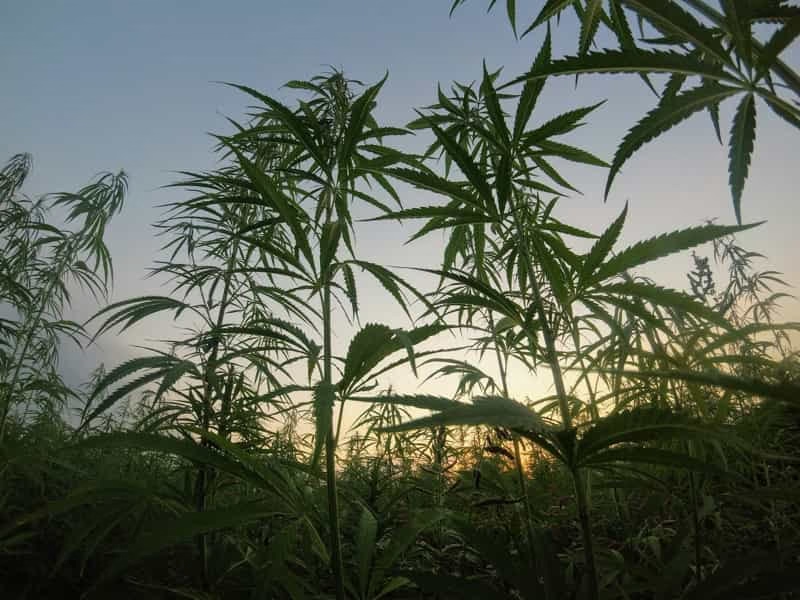
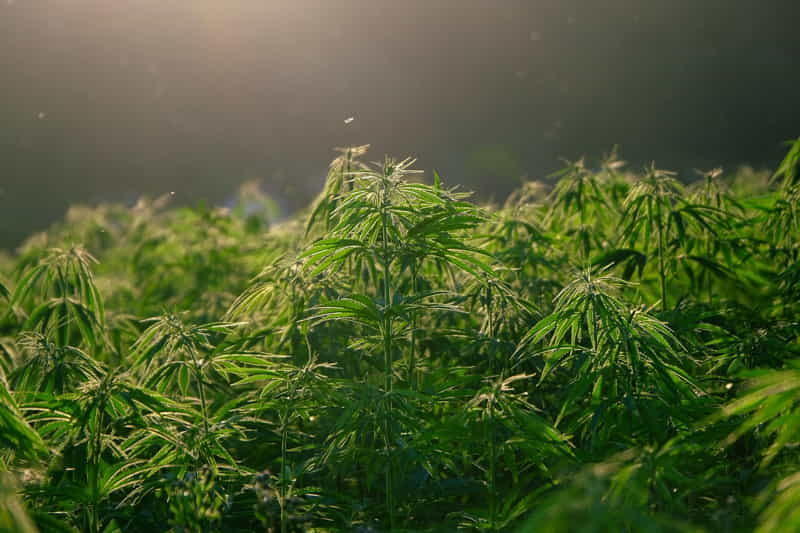
- Hemp (Cannabis sativa): Hemp is an annual plant known for its rapid growth and resilience. Its fibers are extracted from the stem’s outer layers.
- Ramie (Boehmeria nivea): Ramie is a perennial plant native to East Asia. Its long, lustrous fibers are prized for their strength and natural shine.
- Jute (Corchorus spp.): Jute is a tropical plant commonly grown in South Asia. Its fibers are coarse but very strong, making them ideal for industrial applications.
The plant structure of bast fibers typically consists of cellulose, hemicellulose, lignin, and pectin. These components determine the fiber’s strength, flexibility, and fineness.
3.2 Chemical Composition and Fiber Properties
The chemical composition of bast fibers can be represented in terms of percentages of cellulose, hemicellulose, lignin, and other minor components. The following table provides an approximate comparison of the chemical composition for hemp, ramie, and jute:
| Component | Hemp (%) | Ramie (%) | Jute (%) |
|---|---|---|---|
| Cellulose | 70–74 | 68–76 | 60–70 |
| Hemicellulose | 15–20 | 18–24 | 15–25 |
| Lignin | 5–8 | 4–7 | 10–13 |
| Pectin & Others | 3–7 | 3–5 | 2–5 |
Table 1. Approximate chemical composition of bast fibers.
These percentages indicate that hemp and ramie generally have higher cellulose content compared to jute, contributing to their superior tensile strength and finer texture. The lower lignin content in hemp and ramie also facilitates easier processing and better dye uptake.
3.3 Structural Analysis and Microscopic Characteristics
Microscopic studies reveal that bast fibers have a multi-layered structure. The outer cuticle is followed by primary and secondary walls, each contributing to the overall mechanical properties. For example, the crystalline regions in the cellulose microfibrils determine the fiber’s stiffness, while the amorphous regions provide flexibility.
Advanced analytical techniques, such as X-ray diffraction (XRD) and Fourier-transform infrared spectroscopy (FTIR), are used to study the crystallinity and chemical bonds in bast fibers. These analyses help determine the degree of polymerization and the orientation of microfibrils, which are critical for predicting fiber performance in end-use applications.
A simple formula used in fiber analysis is the calculation of crystallinity index (CI):
CI=I002−IamI002×100%\text{CI} = \frac{I_{002} – I_{\text{am}}}{I_{002}} \times 100\%
where I002I_{002} is the intensity of the crystalline peak and IamI_{\text{am}} is the intensity of the amorphous background in the XRD pattern.
Understanding these chemical and structural details is essential for tailoring processing conditions and blending strategies. Manufacturers use this knowledge to optimize spinning, dyeing, and finishing processes, ensuring that the final textile exhibits the desired properties.

4. Physical and Mechanical Properties of Bast Fibers
The physical and mechanical properties of bast fibers determine their suitability for various applications. Key properties include tensile strength, elongation, modulus of elasticity, and moisture absorption. In this section, we will discuss these properties in detail, highlighting differences among hemp, ramie, and jute.
4.1 Tensile Strength and Elongation
Tensile strength is a critical measure of a fiber’s ability to withstand stress without breaking. Bast fibers are known for their high tensile strength, which is one reason they are used in industrial textiles and composites. Tensile strength is typically measured in megapascals (MPa) and is determined by subjecting a fiber sample to a uniaxial force until it breaks.
A simplified formula for tensile strength is:

Hemp and ramie generally exhibit higher tensile strength compared to jute, largely due to their higher cellulose content and lower lignin content. Elongation at break, which indicates how much a fiber can stretch before breaking, is also an important property. Typically, bast fibers have low elongation values, indicating a rigid structure, which is beneficial for applications requiring dimensional stability.
4.2 Modulus of Elasticity
The modulus of elasticity (or Young’s modulus) measures the stiffness of a fiber. A higher modulus indicates a stiffer fiber that deforms less under stress. This property is crucial for applications where high dimensional stability is required. Hemp and ramie generally show higher moduli compared to jute, which is reflected in their more consistent performance in high-stress applications such as composites and technical textiles.
4.3 Moisture Absorption and Hydrophilicity
Moisture absorption affects both the comfort and processing characteristics of fibers. Bast fibers, being hydrophilic, absorb moisture from the environment, which can influence their mechanical properties and dye uptake. The degree of moisture absorption is determined by the fiber’s chemical composition, particularly the amount of cellulose available to form hydrogen bonds with water molecules.
The moisture regain of bast fibers can be measured using standard testing methods. For instance, cotton typically has a moisture regain of about 8%, whereas hemp, ramie, and jute may exhibit slightly different values based on their specific chemical composition. Managing moisture content is critical during processing to prevent issues such as static buildup and to ensure uniform dyeing.
4.4 Comparative Analysis
The table below summarizes key physical and mechanical properties for hemp, ramie, and jute:
| Property | Hemp | Ramie | Jute |
|---|---|---|---|
| Tensile Strength (MPa) | 550–900 | 400–800 | 250–500 |
| Elongation (%) | 1.5–3 | 1.5–2.5 | 2–4 |
| Modulus of Elasticity (GPa) | 20–30 | 15–25 | 10–20 |
| Moisture Regain (%) | 7–9 | 8–10 | 10–12 |
Table 2. Comparative physical and mechanical properties of bast fibers.
This comparative analysis helps manufacturers select the appropriate fiber for a given application. For instance, if high tensile strength and stiffness are required, hemp or ramie might be preferred. On the other hand, jute may be selected for applications where cost-effectiveness and high moisture regain are more critical.
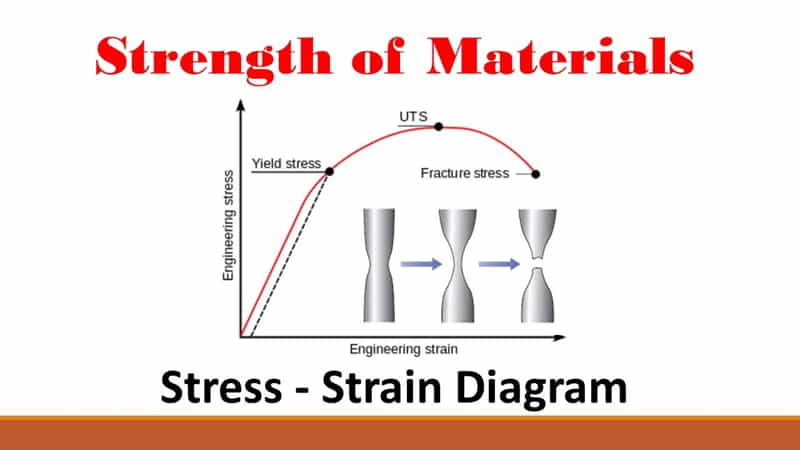
Diagrams and charts illustrating stress-strain curves for these fibers provide further insight. A typical stress-strain diagram for bast fibers shows a steep initial slope (indicating high stiffness) followed by a relatively short linear region before fracture. Such diagrams are essential for understanding the mechanical behavior under different loading conditions.
5. Processing Techniques for Bast Fibers
Processing bast fibers involves several critical steps that transform raw plant materials into usable textile fibers. These steps include retting, decortication, washing, combing, and spinning. Each stage is crucial for preserving the inherent properties of the fibers while enhancing their usability in textile applications.
5.1 Retting
Retting is the process of using moisture and microbial action to break down the pectin that binds the fiber bundles in the plant stem. There are two primary retting methods:
- Water Retting: Involves submerging the plant stems in water, either in ponds or tanks, to encourage microbial degradation.
- Dew Retting: Involves laying the stems on the ground and allowing natural moisture from dew and rainfall to facilitate retting.
Retting duration and conditions greatly affect fiber quality. Over-retting can weaken the fibers, while under-retting may result in incomplete separation. The degree of retting is typically monitored by measuring the fiber yield and strength after processing.
A diagram of the retting process is shown below:
[Plant Stem] → [Water/Dew Exposure] → [Microbial Action] → [Fiber Separation]
This simplified diagram outlines the key stages in retting, emphasizing the importance of controlled conditions for optimal fiber extraction.
5.2 Decortication
After retting, decortication is performed to mechanically separate the fibers from the woody core of the plant. Traditional decortication methods involve manual beating or scraping, while modern techniques use specialized decorticator machines that efficiently separate fibers with minimal damage.
Decortication is critical for ensuring that the fibers are clean and free from impurities. The quality of decorticated fibers directly influences the spinning process and the final yarn quality. Modern decorticators are designed to handle large volumes of material and to produce consistent, high-quality fibers ready for further processing.
5.3 Washing and Combing
Following decortication, the fibers undergo washing to remove residual pectin, lignin, and other impurities. Washing is often combined with mechanical combing, which aligns the fibers and removes short or damaged strands. Combing ensures that the fibers are uniform in length and parallel, which is essential for high-quality spinning.
A flowchart summarizing the processing steps is provided below:
Raw Plant Material → Retting → Decortication → Washing → Combing → Spinning
This flowchart emphasizes the sequential nature of the processing steps and highlights the importance of each stage in achieving the desired fiber quality.
5.4 Spinning and Yarn Formation
Spinning transforms combed fibers into yarn through twisting and drawing out the fiber bundles. The spinning method—whether ring spinning, rotor spinning, or air-jet spinning—affects the final yarn’s properties such as strength, evenness, and texture. In the case of bast fibers, spinning must be carefully controlled to maintain the inherent strength and stiffness while ensuring a soft hand feel.
Modern spinning technologies include computerized spinning frames that offer precise control over twisting, drafting, and tension. These innovations contribute to uniform yarn production and reduce the likelihood of defects. Manufacturers also blend bast fibers with other fibers to achieve desired performance characteristics, which is done through careful blending during the spinning process.
5.5 Finishing Processes
After spinning, yarns undergo various finishing processes such as dyeing, mercerizing, and heat-setting to enhance their appearance and performance. Finishing not only improves the aesthetic qualities of the fabric but also imparts properties like wrinkle resistance, enhanced luster, and improved dimensional stability.
A table summarizing the key processing steps and their purposes is shown below:
| Processing Step | Purpose | Key Considerations |
|---|---|---|
| Retting | Loosen fiber bundles via microbial action | Control time and environmental conditions |
| Decortication | Mechanically separate fibers from the core | Minimize fiber damage, ensure consistency |
| Washing & Combing | Clean and align fibers for uniformity | Remove impurities, standardize fiber length |
| Spinning | Convert fibers into yarn through twisting | Control tension, blending ratios |
| Finishing | Enhance fabric appearance and performance | Select appropriate treatments (e.g., dyeing, mercerizing) |
Table 3. Summary of processing steps for bast fibers.
Each processing step plays a vital role in ensuring that the final product retains the desirable properties of hemp, ramie, and jute. Effective process management and quality control at each stage are essential for producing high-performance bast fiber textiles.

6. Sustainable Sourcing and Environmental Impact
Sustainable sourcing of bast fibers is critical in today’s environmentally conscious market. Hemp, ramie, and jute are celebrated for their low environmental footprint and renewable nature. This section explores the sustainable cultivation practices, environmental benefits, and challenges associated with sourcing bast fibers.
6.1 Sustainable Cultivation Practices
Sustainable cultivation practices for bast fibers emphasize minimal use of synthetic chemicals, water conservation, and soil health. Many hemp growers use organic farming methods that avoid pesticides and chemical fertilizers. Ramie and jute are traditionally grown in regions with favorable climates, often relying on natural irrigation and low-input agriculture. These practices not only reduce environmental impact but also produce higher-quality fibers with fewer impurities.
Farmers often adopt crop rotation and intercropping strategies to maintain soil fertility and reduce pest outbreaks. These methods promote biodiversity and contribute to long-term sustainability. Certification programs, such as Global Organic Textile Standard (GOTS) and Fair Trade, help verify that bast fibers are produced responsibly.
6.2 Environmental Benefits
The environmental benefits of bast fibers are significant. Hemp, ramie, and jute require less water than conventional fibers like cotton. They also tend to use fewer pesticides and chemicals, reducing soil and water pollution. Moreover, these fibers are biodegradable and recyclable, which supports the circular economy. Hemp, for instance, grows rapidly and sequesters carbon, contributing to lower greenhouse gas emissions.
A chart illustrating the comparative water usage and carbon footprint of various fibers can be very informative. For example, a bar chart comparing water usage (liters per kilogram) for cotton, hemp, ramie, and jute would visually demonstrate the efficiency of bast fibers. Similarly, a line graph showing carbon sequestration rates for hemp versus other fibers can emphasize its environmental advantages.
6.3 Lifecycle Analysis
A lifecycle analysis (LCA) evaluates the environmental impact of a fiber from cultivation through processing to disposal. LCAs of bast fibers typically reveal lower energy consumption, reduced water usage, and minimal waste generation compared to synthetic fibers. Key LCA metrics include carbon footprint, water footprint, and energy input per unit of fiber produced.
A simplified lifecycle diagram can be presented as follows:
Cultivation → Harvesting → Processing → Spinning → Weaving/Knitting → Finishing → Use → End-of-Life
Each stage in the lifecycle is optimized to reduce environmental impact, ensuring that the overall footprint of bast fibers remains minimal.
6.4 Challenges in Sustainable Sourcing
Despite their benefits, sustainable sourcing of bast fibers faces challenges. These include:
- Market Access: Smallholder farmers may lack access to modern processing facilities and certification programs.
- Infrastructure Limitations: Rural areas where bast fibers are grown might have inadequate infrastructure for storage and transportation.
- Economic Viability: The cost of transitioning to sustainable practices can be high, and price competitiveness remains a concern.
Addressing these challenges requires collaboration among governments, industry stakeholders, and non-governmental organizations. Investment in rural infrastructure, fair pricing models, and capacity-building programs are essential for widespread adoption of sustainable practices.
In conclusion, sustainable sourcing of bast fibers not only benefits the environment but also supports economic development and social welfare. Manufacturers who commit to sustainability enhance their market competitiveness while contributing to a healthier planet.
7. Applications of Bast Fibers in Textiles
Bast fibers such as hemp, ramie, and jute are highly versatile and find applications in a wide range of textile products. Their inherent strength, durability, and eco-friendly characteristics make them suitable for both conventional and innovative uses.
7.1 Apparel and Fashion Textiles
Bast fibers are increasingly used in fashion textiles, particularly in eco-friendly clothing lines. Hemp fabric is renowned for its durability, breathability, and softness when blended with other fibers. Ramie, with its natural luster and crisp texture, is often used for high-end garments and accessories. Jute, though traditionally coarse, is finding new applications in fashion through blending and advanced finishing techniques that soften its texture.
Designers are experimenting with blends of bast fibers and other materials to create fabrics that combine the best attributes of each. For example, a cotton–hemp blend might offer the comfort of cotton with the durability of hemp. Innovative dyeing and finishing processes further enhance the aesthetic appeal of bast fiber textiles, making them competitive with conventional materials.
7.2 Home Furnishings and Upholstery
The robust nature of bast fibers makes them ideal for home furnishings. Jute, in particular, is widely used in upholstery, carpets, and rugs due to its strength and natural texture. Hemp and ramie also find applications in curtains, tablecloths, and other decorative textiles. The natural look and feel of these fibers contribute to a rustic or eco-friendly aesthetic that is popular in contemporary interior design.
Manufacturers often leverage the unique properties of bast fibers to produce fabrics with excellent durability and resistance to wear. Their natural resistance to mold and mildew also makes them suitable for outdoor applications. Advanced weaving and blending techniques enable the production of lightweight, breathable, and resilient fabrics for home décor.
7.3 Industrial and Technical Textiles
Beyond apparel and home furnishings, bast fibers are used in industrial applications. Their high tensile strength and biodegradability make them ideal for products such as ropes, geotextiles, and composite materials. Hemp and jute fibers are increasingly used in automotive interiors, construction materials, and packaging due to their eco-friendly properties and cost-effectiveness.
Technical textiles made from bast fibers are finding applications in areas such as filtration, insulation, and even ballistic protection. The ability to blend bast fibers with synthetic polymers enhances their performance in demanding environments. Manufacturers invest in research and development to optimize fiber blends for specific industrial requirements, ensuring that the final product meets stringent performance criteria.
A table summarizing various applications of bast fibers is shown below:
| Application Category | Common Bast Fibers Used | Key Properties |
|---|---|---|
| Apparel & Fashion | Hemp, Ramie | Breathability, softness, durability |
| Home Furnishings | Jute, Hemp, Ramie | Texture, strength, eco-friendly appeal |
| Industrial Textiles | Hemp, Jute | High tensile strength, biodegradability |
| Technical Textiles | Hemp, Jute, Blends | Resistance to wear, composite strength |
Table 4. Applications and key properties of bast fibers.

8. Comparative Analysis: Hemp vs. Ramie vs. Jute
A detailed comparative analysis of hemp, ramie, and jute helps manufacturers choose the appropriate fiber for specific applications. While all three are bast fibers, their properties vary significantly based on botanical, chemical, and mechanical factors.
8.1 Hemp
Properties:
- Tensile Strength: High
- Softness: Moderate to high (especially when blended)
- Environmental Impact: Low, requires minimal water and pesticides
- Processing: Relatively easy, but quality depends on retting and decortication
Applications:
Hemp is ideal for apparel, home textiles, and technical textiles due to its durability and eco-friendly profile.
8.2 Ramie
Properties:
- Tensile Strength: High
- Softness: High, with a natural luster
- Environmental Impact: Moderate; requires careful processing
- Processing: Challenging due to fiber stiffness; requires fine decortication
Applications:
Ramie is often used in high-end garments and industrial applications where a crisp, lustrous fabric is desired.
8.3 Jute
Properties:
- Tensile Strength: Moderate
- Softness: Lower, typically coarse
- Environmental Impact: Low; highly renewable and biodegradable
- Processing: Simple, but fiber coarseness limits its use in fine textiles
Applications:
Jute is commonly used for industrial applications, home furnishings, and as a component in composite materials.
A comparative table (see Table 2 in Section 4) and charts illustrating these differences help stakeholders make informed decisions. Graphical representations of tensile strength, elongation, and moisture regain for each fiber provide a clear visual comparison.
A diagram comparing the microstructures of hemp, ramie, and jute fibers might be depicted as follows:
Hemp: High cellulose content, moderate lignin → Fine, strong fibers
Ramie: High cellulose, low lignin, natural luster → Crisp, lustrous fibers
Jute: Moderate cellulose, higher lignin → Coarse, durable fibers
Such diagrams aid in understanding the inherent differences that drive processing and application choices.

9. Quality Control and Standards in Bast Fiber Processing
Maintaining high quality is essential for the successful utilization of bast fibers. Quality control measures are implemented at every stage of production—from cultivation and harvesting to processing and finishing. Consistent quality is critical for ensuring that the fibers meet both performance and aesthetic standards.
9.1 Quality Metrics and Testing Methods
Key quality metrics for bast fibers include:
- Fiber Length: Uniformity in length ensures even spinning.
- Tensile Strength: Measured using standard testing machines to determine resistance to breakage.
- Moisture Regain: Indicates the hydrophilic nature of the fiber, affecting dye uptake.
- Crystallinity Index: Determined using X-ray diffraction, which influences stiffness and strength.
Testing methods such as tensile testing, microscopy, and moisture analysis are used to monitor these metrics. Statistical process control (SPC) techniques help track quality during processing, enabling immediate corrective actions if deviations occur.
9.2 Standards and Certifications
Adherence to international standards and certifications ensures that bast fibers meet stringent quality and sustainability criteria. Certifications such as OEKO-TEX and Global Organic Textile Standard (GOTS) provide assurance that fibers are free from harmful substances and produced using sustainable practices.
Industry organizations and standards bodies, including the International Organization for Standardization (ISO), offer guidelines on fiber quality. Compliance with these standards not only enhances product performance but also facilitates market acceptance and global trade.
A flowchart outlining quality control measures in bast fiber processing might be structured as follows:
Raw Fiber → Quality Inspection (Length, Strength, Moisture) → Processing (Retting, Decortication) → Post-Processing Testing → Certification & Quality Assurance → Final Product
This flowchart emphasizes the continuous monitoring required to maintain high standards throughout the production process.

10. Incorporating Bast Fibers into Modern Textile Manufacturing
Integrating bast fibers into modern textile manufacturing requires careful planning, blending techniques, and innovative processing methods. Manufacturers often combine bast fibers with other materials to achieve desired properties, balancing natural advantages with engineered performance.
10.1 Blending Techniques
Blending bast fibers with cotton, polyester, or other fibers can enhance the final fabric’s performance. For instance, blending hemp with cotton improves durability while maintaining comfort. The blending process involves mixing fibers during carding or directly in the spinning stage to ensure a homogeneous yarn.
A simple diagram of a blending process might be:
Fiber A (Bast) + Fiber B (Cotton/Polyester) → Mixing Chamber → Carding → Blending → Spinning → Yarn Formation
This diagram illustrates the key stages where fibers are integrated, ensuring uniformity and consistent performance in the final product.
10.2 Process Adjustments for Bast Fiber Integration
Because bast fibers have unique characteristics—such as lower elongation and higher stiffness—processing equipment may need to be adjusted. Operators should optimize tension, drafting speeds, and twist levels to accommodate the fiber properties. Detailed technical guidelines and process simulations help manufacturers fine-tune these parameters.
10.3 Case Studies in Integration
Several leading textile brands have successfully integrated bast fibers into their product lines. One case study involves a manufacturer that developed a hemp-cotton blend for sustainable casual wear. By optimizing the fiber ratio and processing parameters, the manufacturer achieved a fabric that was both durable and comfortable. Another example is the use of jute fibers in composite materials for automotive interiors, where the natural strength and biodegradability of jute were key performance drivers.
These case studies demonstrate the practical benefits of integrating bast fibers into modern manufacturing. They highlight how technological innovation, process optimization, and market-driven design converge to create high-quality, sustainable products.

11. Technical Diagrams, Formulas, and Data Analysis
To support decision-making in the use of bast fibers, technical diagrams and formulas play a critical role. They help quantify the performance of fibers and predict how they will behave under various conditions.
11.1 Stress-Strain Diagrams
Stress-strain diagrams illustrate the mechanical properties of fibers. For bast fibers, the diagram typically shows a high initial modulus (stiffness) followed by a relatively short elongation before failure. Such diagrams are crucial for determining the fiber’s tensile strength and elasticity.
A typical stress-strain diagram for a bast fiber might look like this (conceptual):
Stress (MPa)
│
│    /
│   /
│  /
│ /
│/_____________ Strain (%)
This simple diagram indicates a steep linear region followed by a rapid break, highlighting the fiber’s strength and low elongation.
11.2 Tensile Strength Formula
The tensile strength of a fiber is calculated using the formula:
This formula is essential for comparing different fibers and optimizing processing parameters to achieve desired performance.
11.3 Data Analysis and Comparative Charts
Data analysis in fiber research often involves comparing multiple properties—such as tensile strength, elongation, and moisture regain—across different fiber types. Comparative charts and tables, like the one provided in Section 4, help visualize these differences. Advanced statistical tools are also used to analyze variability and predict performance in end-use applications.
A sample table summarizing key performance indicators might include:
| Indicator | Hemp | Ramie | Jute |
|---|---|---|---|
| Tensile Strength | 550–900 MPa | 400–800 MPa | 250–500 MPa |
| Elongation | 1.5–3% | 1.5–2.5% | 2–4% |
| Modulus of Elasticity | 20–30 GPa | 15–25 GPa | 10–20 GPa |
| Moisture Regain | 7–9% | 8–10% | 10–12% |
Table 5. Key performance indicators for bast fibers.
These technical elements provide a rigorous basis for understanding and optimizing the properties of bast fibers in textile applications.
12. Research and Development in Bast Fiber Technologies
Continuous research and development (R&D) are crucial to advancing the use of bast fibers in modern textiles. R&D efforts focus on improving fiber quality, processing efficiency, and sustainable practices. Collaborative projects between academic institutions, industry players, and government agencies drive innovation in this field.
12.1 Innovations in Cultivation and Processing
Recent R&D has led to significant improvements in the cultivation of hemp, ramie, and jute. Advanced agricultural practices, including precision farming and genetically optimized varieties, enhance fiber yield and quality. In processing, new enzyme-based retting and decortication methods have been developed to reduce environmental impact while improving fiber uniformity.
12.2 Development of Novel Fiber Blends
Research is also exploring novel fiber blends that combine bast fibers with synthetic or other natural fibers. These blends aim to leverage the best properties of each component, such as combining the durability of hemp with the softness of cotton or the elasticity of spandex. Innovations in blending technology and computer-aided design (CAD) tools allow for the simulation and testing of various fiber combinations, accelerating product development.
12.3 Sustainability and Lifecycle Optimization
R&D efforts increasingly focus on the sustainability of bast fibers. Lifecycle analysis (LCA) tools help researchers assess the environmental impact of fiber production from cultivation to end-of-life. Innovations in recycling and upcycling bast fibers are emerging as key strategies for minimizing waste and promoting a circular economy. Research in this area contributes to a deeper understanding of the trade-offs and benefits associated with sustainable textile production.
12.4 Collaborative Research Initiatives
Several international research consortia and academic institutions are dedicated to studying bast fibers. Collaborative initiatives, supported by government funding and industry partnerships, are exploring everything from fundamental fiber chemistry to advanced processing technologies. These collaborations not only accelerate technological innovation but also disseminate best practices across the global textile community.

13. Market Trends and Consumer Demand
Market trends indicate a growing demand for sustainable, eco-friendly textiles. Bast fibers, with their renewable and biodegradable nature, are well-positioned to meet this demand. This section reviews current market dynamics, consumer preferences, and the economic impact of sustainable bast fiber sourcing.
13.1 Global Market Growth
The global market for bast fibers has experienced significant growth over the past decade. Increased consumer awareness of environmental issues has driven demand for textiles made from hemp, ramie, and jute. Countries such as China, India, and Bangladesh are major producers, while markets in Europe and North America increasingly favor sustainably sourced products. Market analysis reports indicate that the demand for eco-friendly textiles is expected to grow at a compound annual growth rate (CAGR) of over 7% in the coming years.
13.2 Consumer Preferences
Modern consumers prioritize products that align with their values, including sustainability, ethical production, and transparency. Brands that source bast fibers sustainably and obtain certifications such as GOTS or Fair Trade are more likely to gain consumer trust and loyalty. Social media, influencer marketing, and transparent storytelling have all contributed to increasing consumer awareness of sustainable textile practices.
13.3 Economic Impact and Competitive Advantage
For manufacturers, sustainable sourcing of bast fibers translates into several economic benefits. These include cost savings from reduced resource consumption, access to premium markets, and enhanced brand reputation. Companies that invest in sustainable practices often command higher prices and enjoy stronger market positions. Comparative studies have shown that textiles made from sustainably sourced bast fibers tend to have a longer lifecycle and lower overall environmental impact, adding economic value to the supply chain.
A diagram summarizing the market dynamics of bast fibers may look like this:
Sustainable Practices → Enhanced Quality & Certification → Consumer Trust → Market Growth → Economic Benefits
This simple flow diagram emphasizes the interconnected nature of sustainability, consumer demand, and economic outcomes.
14. Challenges and Future Trends in Bast Fiber Utilization
Despite their many advantages, bast fibers face several challenges that must be addressed for broader adoption. This section examines the primary obstacles and discusses future trends that promise to overcome these challenges.
14.1 Supply Chain and Infrastructure Challenges
The cultivation and processing of bast fibers often occur in rural regions with limited infrastructure. Issues such as inadequate transportation, storage facilities, and processing plants can hinder large-scale production. Additionally, smallholder farmers may struggle to access modern technology and certifications, affecting overall fiber quality.
14.2 Technical Challenges in Processing
Processing bast fibers requires specialized techniques such as controlled retting, decortication, and precise spinning. Variability in fiber quality due to environmental factors or inconsistent processing methods can lead to defects in the final product. Research and development in process optimization, automation, and digital monitoring are essential to overcome these challenges.
14.3 Market and Economic Barriers
Fluctuations in global market prices, competition from synthetic fibers, and the cost of sustainable production practices pose economic challenges. Manufacturers must balance quality and sustainability with competitive pricing. Innovations in processing technology and increased demand for eco-friendly products are gradually mitigating these economic barriers.
14.4 Future Trends and Innovations
Looking ahead, several trends are set to transform the bast fiber landscape:
- Digital Transformation: Integration of IoT, AI, and blockchain technologies will enhance supply chain transparency, process control, and product quality.
- Advanced Processing: New enzyme-based and mechanical processing techniques promise to improve fiber yield and consistency.
- Circular Economy Models: Increased emphasis on recycling and upcycling bast fibers will drive sustainable growth and reduce waste.
- Research Collaborations: Greater collaboration among academia, industry, and government will foster innovative solutions and accelerate technology transfer.
By addressing these challenges, the bast fiber industry can unlock new opportunities for sustainable textile production and innovation.
15. Best Practices for Manufacturers and Designers
To maximize the potential of bast fibers in textiles, manufacturers and designers must adopt best practices that span every stage of production. These practices ensure high-quality output, consistent performance, and market competitiveness.
15.1 Strategic Sourcing
Manufacturers should develop long-term relationships with certified suppliers. This involves rigorous screening, regular audits, and adherence to sustainability standards. Transparent supply chain management is essential for ensuring that fibers are ethically produced and traceable.
15.2 Process Optimization
Implementing advanced machinery, digital monitoring, and process simulation can significantly enhance production efficiency. Manufacturers should invest in training programs and continuous improvement initiatives. Techniques such as Six Sigma and lean manufacturing help reduce waste and improve product quality.
15.3 Product Innovation and Customization
Designers must experiment with fiber blends and innovative finishing techniques to meet diverse consumer needs. Customization, whether in fabric texture, color, or performance, drives product differentiation. Collaborative design processes that integrate customer feedback and market research lead to more successful product launches.
15.4 Quality Assurance and Certification
Maintaining strict quality control measures is paramount. Routine testing, statistical process control, and adherence to international standards such as ISO and GOTS ensure consistent product quality. Manufacturers should leverage digital tools for real-time quality monitoring and data-driven decision-making.
A checklist for best practices might include:
- Engage with certified suppliers.
- Invest in process optimization and automation.
- Implement robust quality control measures.
- Foster collaborative innovation between design and production teams.
- Leverage digital traceability tools.
These best practices not only improve product performance but also enhance brand reputation and market positioning.

16. Conclusion and Future Directions
The properties and sustainable utilization of bast fibers such as hemp, ramie, and jute are reshaping the textile industry. These natural fibers offer an eco-friendly alternative to synthetic materials while delivering exceptional mechanical performance and versatility. From their historical roots and botanical composition to modern processing techniques and market applications, bast fibers represent a dynamic area of innovation and sustainability.
As the global demand for eco-friendly textiles increases, manufacturers and designers must continue to invest in research, technology, and sustainable practices. The integration of digital tools, advanced processing techniques, and circular economy principles promises to drive the next wave of innovation in bast fiber utilization. Challenges remain in supply chain management, processing consistency, and economic viability, but ongoing collaboration and technological advancement are steadily overcoming these obstacles.
The future of bast fibers lies in a holistic approach that encompasses sustainable cultivation, efficient processing, ethical sourcing, and market-driven innovation. By embracing these principles, the textile industry can deliver high-quality, sustainable products that meet the evolving demands of consumers and contribute to environmental stewardship.
In summary, sustainable sourcing and innovative processing of bast fibers create a win–win scenario for manufacturers, consumers, and the planet. The journey from ancient cultivation to modern high-performance textiles is a testament to human ingenuity and the enduring value of natural materials. As we look to the future, bast fibers will continue to play a critical role in driving sustainable textile production, fostering market growth, and enhancing global competitiveness.