

Introduction
Textiles form the backbone of countless industries, and their quality starts with the journey of raw materials. The global textile supply chain is an intricate, multi‑layered process that begins on farms and culminates in state‑of‑the‑art factories. Today, consumers expect fabrics that are not only aesthetically appealing but also sustainable, durable, and of superior quality. For industry professionals, understanding the hidden dynamics of the textile supply chain is crucial.
This article explores the secrets behind textile supply chains, offering an in‑depth look at their history, technological evolution, sources, innovations, production processes, challenges, real‑world applications, end‑user demands, market dynamics, and future prospects. We will also examine various types of supply chains and uncover how each stage impacts textile quality. As the industry evolves, continuous innovation and sustainable practices drive improvements in every step of the supply chain.
The textile supply chain is not linear; it is a global network where raw materials travel vast distances and pass through numerous processes before they become the fabrics we use every day. Whether you are a textile professional, a student, or simply curious about the journey of your favorite garments, this article provides valuable insights into the secrets that shape textile quality.
The History of Textile Supply Chains
Early Beginnings: From Farms to Handcrafted Fabrics
Textile production has ancient roots that stretch back thousands of years. Early civilizations cultivated natural fibers such as cotton, wool, and flax on small farms. Farmers hand‑picked raw materials and processed them using rudimentary techniques. The initial stages of textile production were entirely manual. Spinning, weaving, and dyeing took place in small workshops where local artisans produced fabrics for everyday use.
In ancient times, the journey from farm to finished fabric was short and localized. People relied on the natural availability of fibers and local knowledge. Techniques passed down through generations enabled early civilizations to create simple yet durable textiles. Despite limited technology, the basic processes of fiber cultivation and fabric production set the groundwork for future innovations in textile manufacturing.
As societies advanced, trade routes emerged. The Silk Road, for instance, enabled the exchange of textile materials across continents. This early globalization expanded the supply chain, allowing raw materials to travel further and enabling the cross‑pollination of textile techniques. Artisans began experimenting with different fibers and dyes, leading to the evolution of more sophisticated production methods. For more detailed insights into ancient textile techniques, check our Textile History page.
Industrial Revolution and Mass Production
The industrial revolution transformed textile production. Mechanization replaced many manual processes. Spinning jennies, power looms, and mechanized dyeing systems revolutionized the way textiles were produced. Factories emerged in Europe and America, marking the beginning of mass production. These factories relied heavily on coal and steam power, driving dramatic increases in output.
Mass production introduced standardized processes that improved the consistency and quality of textiles. Although production became more centralized, supply chains grew more complex. Raw materials now traveled longer distances from farms to the burgeoning factories. This period also saw the rise of global trade, as countries with abundant natural fibers began exporting to industrialized nations. This historical phase established the globalized textile supply chain we see today.
The industrial era marked a turning point. Textile quality improved, and innovations in production methods paved the way for the technological advancements that followed. The legacy of the industrial revolution continues to influence modern supply chains, even as technology evolves.
Technological Evolution in Textile Supply Chains
Automation and Robotics in Production
The evolution of textile supply chains owes much to automation. Modern factories use advanced robotics and automated systems to enhance productivity and ensure consistency. Computer‑controlled looms and knitting machines produce fabrics with high precision. These machines reduce human error and increase production speed. Automated cutting and sewing systems further streamline the transformation of raw materials into finished products.
Robotics has not only improved production efficiency but also enhanced quality control. Digital sensors monitor every stage of production, ensuring that each fabric meets strict quality standards. Advanced robotics work in tandem with digital twin technology to simulate production scenarios and optimize performance. Manufacturers use formulas such as:
Efficiency Ratio = (Output Quality × Production Speed) / (Material Cost × Waste Factor)
This ratio helps engineers refine production processes, reducing waste and ensuring cost efficiency. Automation has revolutionized textile manufacturing, making global supply chains more resilient and responsive to market demands.
Digital Transformation and Supply Chain Management
Digital transformation has reshaped textile supply chains. Advanced software systems manage inventory, track shipments, and monitor quality. Enterprise Resource Planning (ERP) and Supply Chain Management (SCM) systems provide real‑time data across the entire supply chain. These systems enable manufacturers to respond swiftly to disruptions and optimize logistics.
Digital platforms facilitate collaboration among suppliers, manufacturers, and retailers. Blockchain technology offers transparency and traceability, ensuring that every step of the supply chain is documented and verified. This digital integration builds trust among stakeholders and improves overall efficiency.
The use of IoT devices further enhances supply chain visibility. Sensors monitor environmental conditions during transportation and storage, protecting the quality of raw materials. Digital dashboards allow managers to track performance metrics and identify potential bottlenecks.
Advanced Materials and Fiber Technologies
Technological advances have revolutionized the raw materials used in textiles. Innovations in fiber technology have led to the development of high‑performance materials such as ultra‑high‑molecular‑weight polyethylene (UHMWPE) and advanced synthetic blends. These materials offer superior strength, durability, and resistance to environmental stressors.
Researchers continuously innovate to improve fiber properties. Nanotechnology enables the creation of fibers with enhanced UV protection, moisture‑wicking, and antimicrobial properties. Advanced chemical treatments improve the performance of natural fibers, making them competitive with synthetic options.
New materials also support sustainability. Eco‑friendly fibers such as recycled polyester and bio‑based polymers reduce the environmental impact of textile production. These advances not only improve textile performance but also contribute to a greener, more sustainable industry.

Sources and Availability: The Global Journey of Raw Materials
Diverse Raw Material Sources
Raw materials form the foundation of the textile supply chain. The journey begins on farms, where natural fibers like cotton, wool, and flax are cultivated. These natural fibers offer unique properties such as breathability, softness, and biodegradability. However, modern textiles increasingly rely on synthetic fibers like polyester, nylon, and acrylic. These materials offer high durability, cost efficiency, and enhanced performance.
Raw materials also include advanced composites and engineered fibers. Manufacturers source these materials from regions renowned for their textile production. Countries in Asia, Europe, and North America supply high‑quality fibers through well‑established global networks. These materials travel vast distances to reach processing facilities, underscoring the complexity of the textile supply chain.
Sustainable and Eco‑Friendly Sourcing
Sustainability is a central theme in modern textile production. Manufacturers now prioritize eco‑friendly raw materials. Recycled fibers, bio‑based polymers, and organic cotton are increasingly used in textile production. Sustainable sourcing practices reduce the environmental footprint and meet growing consumer demand for green products.
Eco‑friendly materials often require different processing techniques compared to conventional fibers. Manufacturers invest in sustainable production processes that minimize water and chemical usage. Certification programs such as Global Organic Textile Standard (GOTS) ensure that raw materials meet strict environmental and social criteria.
Sustainable sourcing also involves working with suppliers who adhere to ethical practices. This focus on sustainability enhances brand reputation and supports a greener supply chain.
Global Supply Networks and Logistics
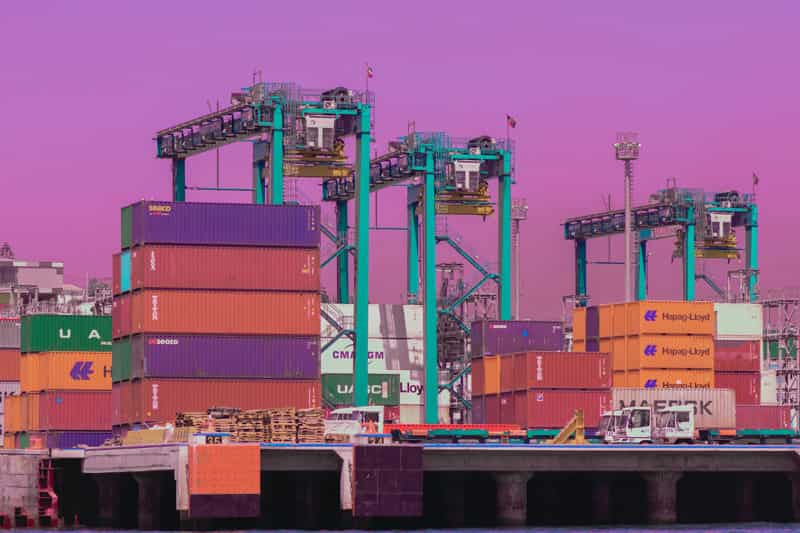
The global textile supply chain operates on a complex network of suppliers, manufacturers, and distributors. Raw materials travel from farms to processing facilities, then to factories, and finally to retailers worldwide. Advanced logistics and transportation networks enable the efficient movement of these materials.
Global supply networks face challenges such as geopolitical tensions, trade restrictions, and environmental regulations. Manufacturers mitigate these risks by diversifying suppliers and using advanced SCM systems. Digital tools and blockchain technology enhance transparency and traceability throughout the supply chain, ensuring that each step meets quality standards.
Table: A table comparing major raw material sources, their key properties, applications, and supply regions.
| Material Type | Key Properties | Applications | Major Supply Regions |
|---|---|---|---|
| Natural Fibers | Breathable, soft, biodegradable | Apparel, upholstery, nonwovens | USA, India, Turkey |
| Synthetic Fibers | Durable, cost‑effective, high performance | Sportswear, technical textiles | China, South Korea, Germany |
| Eco‑Friendly Fibers | Recycled, organic, sustainable | Green apparel, premium textiles | Europe, USA, India |
| Engineered Fibers | High strength, advanced properties | Protective wear, high‑performance fabrics | USA, Japan, Europe |

Innovations in the Textile Supply Chain
Digital Integration and Smart Logistics
The textile supply chain has embraced digital transformation. Digital integration streamlines processes from raw material sourcing to final product delivery. IoT devices monitor environmental conditions, ensuring raw materials maintain quality during transit. Blockchain technology enhances traceability, allowing stakeholders to track the journey of each material.
Digital dashboards provide real‑time insights into production and logistics. Advanced analytics help forecast demand, optimize inventory, and reduce waste. These digital innovations improve efficiency, reduce costs, and enhance transparency across the entire supply chain.
Advanced Fiber Technologies
Technological breakthroughs in fiber engineering are driving significant innovations. Researchers develop high‑performance fibers that enhance textile quality. Innovations include nanotechnology‑enhanced fibers, smart materials with integrated sensors, and eco‑friendly synthetic blends. These advanced fibers offer superior strength, durability, and resistance to environmental stressors.
Manufacturers continuously innovate to improve fiber properties. They invest in research that explores new chemical treatments, blending techniques, and sustainable alternatives. These innovations ensure that textiles meet the demands of modern applications, from performance sportswear to eco‑friendly apparel.
Sustainable Production Techniques
Sustainability is at the forefront of textile innovation. Manufacturers adopt green production methods that reduce water usage, chemical waste, and energy consumption. Eco‑friendly dyes, water‑based finishing agents, and recycled fibers are becoming standard. These sustainable practices not only comply with environmental regulations but also improve the overall quality and marketability of textiles.
Innovative finishing techniques, such as nano‑coatings and bio‑based polymers, enhance fabric performance while minimizing environmental impact. Sustainable production methods are integral to maintaining a competitive edge in an increasingly eco‑conscious market.
Automation and Robotics
Automation plays a critical role in modernizing the textile supply chain. Advanced robotics and automated systems streamline production processes, ensuring consistency and reducing labor costs. Automated looms, cutting machines, and sewing systems operate with precision. These systems reduce human error and improve production speed, leading to higher quality textiles.
Digital twin technology and AI‑driven quality control systems enable manufacturers to simulate production processes and optimize parameters. This technological integration enhances efficiency and ensures that each textile product meets rigorous quality standards.
The Production Process: From Farm to Factory
Concept and Design
The production process begins with conceptual design. Textile engineers and designers collaborate using CAD software to create prototypes that meet specific performance criteria. They experiment with various fiber blends, weaving techniques, and finishing processes. This iterative design phase ensures that the final fabric meets both aesthetic and functional requirements.
Designers incorporate market research and consumer feedback into the process. They analyze trends and performance data to create fabrics that offer superior durability, comfort, and sustainability. The creative process combines traditional craftsmanship with modern technology, setting the stage for high‑quality textile production.
Raw Material Preparation and Processing
Raw material preparation is critical to textile quality. Farmers cultivate natural fibers and suppliers produce synthetic fibers with precision. Raw materials undergo rigorous testing in laboratories to ensure they meet industry standards such as ISO and ASTM. Cleaning, sorting, and conditioning processes prepare the fibers for further production.
Modern processing facilities use advanced machinery to handle raw materials. Automated systems ensure consistent quality and minimize waste. Sustainable practices during this phase include water‑recycling systems and eco‑friendly chemical treatments, which reduce the environmental impact of textile production.
Fabric Formation and Weaving
Fabric formation is a cornerstone of the textile supply chain. Automated looms and knitting machines create the fabric base. Computer‑aided design (CAD) software guides these machines to produce intricate patterns and consistent quality. Techniques such as 3D knitting allow for the creation of seamless, multilayered fabrics that offer enhanced performance.
Digital printing integrates custom designs and color schemes directly into the fabric. This process supports mass customization and rapid production. Manufacturers monitor quality at every step, ensuring that the fabric meets strict performance standards. Advanced techniques such as air-jet weaving and rapier looms contribute to high-speed, high‑quality production.
Table: A table detailing the key steps in fabric formation, including technologies used and quality metrics such as thread count, tensile strength, and defect rate.
| Stage | Technology/Process | Key Quality Metrics |
|---|---|---|
| Weaving/Knitting | Automated looms, 3D knitting | Pattern consistency, tensile strength |
| Digital Printing | High‑resolution digital printers | Color accuracy, design resolution |
| Finishing | Nano‑coating, lamination | Stain resistance, UV protection |
Dyeing, Coating, and Finishing
After fabric formation, textiles undergo dyeing and finishing processes. Digital dyeing ensures precise color matching and uniformity across production batches. Manufacturers use eco‑friendly dyes that reduce chemical waste and water consumption. Finishing treatments such as nano‑coatings enhance fabric properties, including water repellency, durability, and resistance to UV light.
Advanced finishing techniques include lamination, flame‑retardant treatments, and antimicrobial coatings. These processes ensure that textiles not only look appealing but also perform reliably in diverse conditions. Quality control measures test for color fastness, texture consistency, and overall durability before the fabric moves to the next stage.
Cutting, Sewing, and Assembly
The final stage transforms fabric into finished textile products. Advanced cutting machines, often using laser technology, achieve precise cuts that minimize waste. Robotic sewing systems join fabric pieces with high accuracy, ensuring consistent seam quality. These automated systems work alongside skilled operators to assemble garments, upholstery, and other textile products.
Quality control teams inspect the final products to ensure that every item meets industry standards. Digital inspection systems and statistical process control methods help identify any defects early in the production process. The assembly stage marks the culmination of the textile supply chain, delivering high‑quality products to market.
Challenges in the Textile Supply Chain
Supply Chain Complexity and Globalization
The textile supply chain is a global network that spans continents. Raw materials travel from farms in developing countries to factories in industrialized nations. This complexity introduces numerous challenges. Geopolitical tensions, trade restrictions, and environmental policies can disrupt supply chains. Manufacturers must navigate these challenges to ensure a steady flow of high‑quality raw materials.
Advanced digital tools and SCM systems help manage these complexities. However, maintaining consistency and quality across global supply networks remains a persistent challenge. Companies invest in risk management strategies and diversified supplier portfolios to mitigate these issues.
Cost Pressures and Efficiency
Balancing innovation with cost efficiency is a constant challenge. High‑performance raw materials, advanced production technologies, and sustainable practices often drive up production costs. Manufacturers face intense competitive pressure to offer quality products at competitive prices. Strategies such as lean manufacturing, automation, and digital optimization help reduce waste and control costs, but achieving the optimal balance remains difficult.
Economic fluctuations, raw material price volatility, and currency exchange rates further complicate cost management. Manufacturers continuously refine their processes to optimize the efficiency of production and logistics while maintaining high standards of textile quality.
Environmental and Regulatory Challenges
The textile industry faces increasing environmental scrutiny. Manufacturers must adhere to strict regulations regarding water usage, chemical emissions, and waste management. Environmental policies drive the adoption of eco‑friendly production methods and sustainable raw materials. Compliance with these regulations often requires significant investment in green technologies, which can strain budgets.
Regulatory pressures, combined with consumer demand for sustainable products, force manufacturers to innovate. Although these challenges drive up costs, they also foster innovation in sustainable practices and materials. Manufacturers that successfully integrate green technologies into their supply chains gain a competitive advantage.
Technological Integration and Data Management
Digital transformation offers significant benefits but also poses challenges. Integrating advanced technologies such as IoT, AI, and blockchain into the textile supply chain requires significant capital and expertise. Data management and cybersecurity are critical as companies handle large volumes of production and logistics data. Ensuring that digital systems operate efficiently and securely while maintaining transparency and traceability is a major challenge.
Companies invest in robust IT infrastructure and training programs to ensure seamless integration. However, the rapid pace of technological change demands continuous adaptation and innovation.
Quality Consistency and Traceability
Maintaining quality consistency across the supply chain is vital. Even minor variations in raw materials or production conditions can impact the final textile quality. Manufacturers use advanced quality control systems and digital traceability solutions to monitor every stage of production. Ensuring uniformity from farms to factories is a complex task that requires meticulous attention to detail and continuous process improvement.
Digital traceability tools, including blockchain, enhance transparency and accountability. They allow companies to track the origin and processing of every fiber. However, implementing these systems across a global supply chain involves logistical and technical challenges that manufacturers must overcome.

Real-World Applications and Success Stories
Case Study: Sustainable Textile Production in Asia
A leading textile manufacturer in Asia implemented a fully integrated supply chain system that emphasized sustainability and quality. The company sourced raw materials from certified organic farms and processed them in state‑of‑the‑art facilities. Advanced digital tools tracked every step of the journey, ensuring transparency and consistency.
The manufacturer reduced waste by 20% and achieved a 15% cost saving by optimizing logistics. The sustainable practices enhanced the quality of the final textiles and improved market reputation. This case study demonstrates how integrated, eco‑friendly supply chains contribute to superior textile quality and efficiency.
Case Study: Global Supply Chain Resilience
An international textile brand faced supply chain disruptions due to geopolitical tensions. In response, the company diversified its supplier base and implemented blockchain‑based traceability systems. This strategy ensured a continuous supply of high‑quality raw materials despite global uncertainties. The digital traceability system enhanced transparency and built trust with customers and regulatory bodies.
The brand reported improved production efficiency and a significant reduction in quality inconsistencies. This case highlights the importance of resilient, technologically integrated supply chains in maintaining product quality and competitive advantage.
Case Study: Digital Transformation in European Textile Production
A European textile company embraced digital transformation to optimize its supply chain. The company integrated ERP and SCM systems that provided real‑time data on production and logistics. IoT sensors monitored environmental conditions during material transit, ensuring raw materials remained in optimal condition. Advanced analytics allowed the company to predict demand, manage inventory, and reduce lead times.
This digital integration resulted in a 25% increase in production efficiency and a marked improvement in textile quality. The case study illustrates how digital tools and data management can revolutionize the textile supply chain, driving innovation and sustainability.
Case Study: Traceability and Quality Control in North America
A North American manufacturer implemented a blockchain system to enhance traceability in its textile supply chain. This system tracked raw materials from the farm to the factory. The transparent record helped ensure that every batch met strict quality standards. Customers praised the brand for its commitment to quality and sustainability.
The blockchain system reduced quality control issues by 30% and improved overall customer satisfaction. This success story underscores the importance of digital traceability in modern textile supply chains.
Types of Textile Supply Chains
Traditional vs. Modern Supply Chains
The textile supply chain has evolved dramatically over time. Traditional supply chains were linear, with raw materials sourced locally and processed through a series of manual operations. Modern supply chains are global and integrated, leveraging digital technologies to enhance efficiency and transparency. They incorporate advanced logistics, automation, and data analytics to ensure that every step meets stringent quality standards.
Modern supply chains offer greater flexibility and resilience. They enable manufacturers to quickly adapt to market changes and respond to disruptions. In contrast, traditional supply chains were slower and less responsive, often resulting in higher costs and lower quality. This evolution has transformed the textile industry, driving innovation and improving overall product quality.
Vertical Integration and Decentralized Models
Vertical integration has become a key strategy in the textile supply chain. Many companies now control multiple stages of production—from raw material sourcing to finished products. This integration ensures consistent quality and reduces dependency on external suppliers. On the other hand, decentralized models focus on flexibility and specialization. Companies may outsource certain processes while maintaining core competencies in design and production.
Both vertical integration and decentralized models offer distinct advantages. Vertical integration enhances control and quality, while decentralized models promote specialization and innovation. Manufacturers choose the model that best aligns with their business strategy and market demands.
Global vs. Local Supply Chains
Global supply chains offer access to a wide range of raw materials and advanced production technologies. However, they also introduce complexity and risk. Local supply chains, in contrast, provide greater control, shorter lead times, and potentially lower environmental impact. Some companies are exploring hybrid models that combine the benefits of both global and local sourcing. These hybrid models allow for flexibility and resilience while minimizing risk.
Local sourcing may reduce transportation costs and support regional economies. Global sourcing, however, often provides access to premium materials and specialized expertise. Manufacturers must balance these factors to optimize their supply chain strategies.
End‑Users and Their Expectations
Textile Manufacturers and Producers
Textile manufacturers focus on delivering high‑quality, consistent products. They require raw materials that meet strict performance standards. Manufacturers invest in advanced production technologies and digital traceability systems to ensure quality control. Their goal is to produce textiles that satisfy the needs of diverse industries, from apparel to home furnishings.
Fashion Brands and Retailers
Fashion brands rely on robust supply chains to deliver trendy, high‑quality products. They demand rapid turnaround times and consistent quality. Customization and personalization are increasingly important. Brands value digital integration and agile supply chains that allow them to respond quickly to market trends. Retailers seek reliable suppliers who can provide quality products at competitive prices.
Consumers and End‑Users
Consumers play a critical role in driving supply chain innovation. They demand products that are not only aesthetically appealing but also sustainable and durable. The quality of raw materials and production processes directly influences consumer satisfaction. Transparency and traceability have become key selling points. Consumers appreciate eco‑friendly products and are willing to pay a premium for textiles produced through sustainable practices.
Institutional Buyers and B2B Clients
Institutional buyers, such as government agencies and large corporations, require bulk orders of high‑quality textiles. They prioritize consistency, reliability, and sustainability. B2B clients often have stringent specifications and quality control measures. Manufacturers must meet these demands by maintaining rigorous standards throughout the supply chain. Digital traceability and automated quality control systems help build trust and ensure compliance with industry standards.

Market Analysis and Competitive Landscape
Global Market Dynamics
The textile supply chain market is vast and multifaceted. Globalization has created complex networks that span continents. Market dynamics are influenced by technological advancements, sustainability trends, and shifting consumer preferences. Analysts forecast continued growth in the textile supply chain sector, driven by increased demand for high‑quality, sustainable, and traceable products.
Key growth drivers include advancements in digital integration, automation, and eco‑friendly production methods. Global supply networks ensure that premium raw materials are available, despite geopolitical challenges. Manufacturers must navigate these complexities while maintaining cost efficiency and product quality.
Competitive Forces
The competitive landscape in textile supply chains includes established industry giants and agile startups. Large manufacturers leverage economies of scale, advanced technologies, and global supply networks to produce high‑quality textiles. Innovative startups disrupt the market with niche solutions such as blockchain traceability and smart supply chain management. Strategic collaborations and partnerships drive continuous improvement and innovation.
Companies differentiate themselves by offering transparency, sustainability, and customization. Digital marketing and SEO practices play a crucial role in reaching niche audiences. Manufacturers invest in advanced quality control systems and digital SCM tools to maintain a competitive edge. The market rewards those who innovate while managing cost and complexity.
Regulatory and Environmental Considerations
The textile supply chain faces strict regulatory standards and environmental pressures. International standards such as ISO and ASTM guide production processes and material quality. Environmental regulations mandate sustainable practices, including eco‑friendly sourcing, reduced water usage, and minimal chemical emissions. Manufacturers that comply with these standards not only enhance product quality but also build consumer trust and brand reputation.
Regulatory pressures drive innovation in sustainable production methods and digital traceability. Manufacturers invest in technology to monitor and report environmental impact. Compliance with regulations remains a critical factor in market dynamics and competitive positioning.
Market Segmentation
The market segments within the textile supply chain include raw material sourcing, processing, production, logistics, and distribution. Each segment plays a vital role in determining overall textile quality. Manufacturers, suppliers, and retailers must coordinate effectively to meet market demands. Market segmentation enables companies to target specific niches, such as eco‑friendly textiles, high‑performance technical fabrics, or luxury textiles. Tailoring products and services to meet the needs of each segment drives market growth and customer satisfaction.
Future Trends and Prospects
Technological Innovations and Digital Transformation
The future of the textile supply chain lies in technological innovation. Emerging technologies such as IoT, blockchain, AI, and digital twin simulations will transform every aspect of the supply chain. These technologies provide real‑time data, enhance traceability, and optimize production processes. Manufacturers will integrate these tools to create more efficient, transparent, and resilient supply chains.
Digital transformation drives cost savings and quality improvements. Advanced analytics enable companies to predict demand, manage inventory, and reduce waste. IoT sensors monitor conditions during transit, ensuring that raw materials maintain quality. Blockchain systems offer immutable records of every transaction, building trust across the supply chain. These innovations will set new standards for the textile industry.
Sustainability and Green Supply Chains
Sustainability remains a top priority for the future. Manufacturers will continue to invest in green production methods and sustainable raw materials. Innovations in recycled fibers, bio‑based polymers, and eco‑friendly dyes will shape the future of textile production. Sustainable supply chains reduce environmental impact and appeal to consumers who prioritize eco‑friendly products.
The adoption of circular production models will become more prevalent. Companies will focus on reducing waste, reusing materials, and minimizing carbon footprints. Sustainable practices will not only improve environmental performance but also drive cost efficiencies over time. Manufacturers that lead in sustainability will enjoy enhanced market reputation and consumer loyalty.
Global Collaboration and Strategic Partnerships
Collaboration among global stakeholders will drive the future of textile supply chains. Manufacturers, suppliers, technology providers, and research institutions will form strategic alliances. Collaborative R&D projects will accelerate the development of breakthrough materials and production techniques. These partnerships will help standardize quality control and optimize supply chain processes globally.
Global collaboration enables companies to share best practices and innovations. It also mitigates risks associated with geopolitical tensions and supply chain disruptions. Manufacturers that embrace strategic partnerships will position themselves as leaders in the next generation of textile production.
Consumer Demand and Market Expansion
Consumer demand for high‑quality, sustainable textiles continues to grow. Modern consumers value transparency, traceability, and eco‑friendly products. The future market will reward manufacturers that deliver these attributes. Market expansion is driven by emerging economies, increased urbanization, and shifting consumer preferences toward sustainable products.
The digital age fosters rapid changes in consumer behavior. Brands that leverage digital marketing and customization will capture a larger share of the market. Mass personalization and interactive design platforms will become standard, driving engagement and customer satisfaction.

Real-World Applications and Success Stories
Case Study: Traceability in Sustainable Textile Production
A leading textile brand implemented blockchain technology to track raw materials from farms to factories. This digital traceability system improved quality control and ensured that eco‑friendly materials met strict sustainability standards. The project reduced waste by 20% and boosted consumer trust through transparent practices. This success story highlights how technology enhances traceability and drives sustainability in the textile supply chain.
Case Study: Optimizing Global Logistics
An international textile manufacturer faced challenges with supply chain disruptions. By integrating advanced SCM software and IoT sensors, the company optimized logistics and reduced lead times. Real‑time monitoring enabled rapid adjustments during transit, ensuring that raw materials remained in optimal condition. The implementation of digital tools improved efficiency and cut costs, demonstrating the benefits of a technologically advanced supply chain.
Case Study: Digital Transformation and Cost Efficiency
A European textile producer embraced digital twin simulations and AI‑driven quality control. These technologies enabled the company to simulate production processes and identify inefficiencies before mass production. The result was a 15% increase in production efficiency and a significant reduction in defects. This case illustrates how digital transformation drives cost efficiency and enhances product quality across the supply chain.
Case Study: Global Collaboration for Innovation
A global consortium of textile manufacturers and research institutions formed a strategic alliance to develop advanced eco‑friendly fibers. Collaborative research led to breakthroughs in bio‑based polymers and recycled fibers, reducing the environmental impact of textile production. The consortium’s innovative approach set new industry benchmarks and improved market competitiveness. This case demonstrates the power of global collaboration in driving technological innovation and sustainable practices in the textile supply chain.

Types of Textile Supply Chains
Traditional Supply Chains
Traditional textile supply chains follow a linear model. Raw materials are harvested locally, processed through manual or semi‑automated methods, and then transported to centralized factories. This model often involves multiple intermediaries and longer lead times. Quality control is challenging, and transparency is limited. Traditional supply chains served the industry well for centuries but now struggle to meet modern demands for speed, customization, and sustainability.
Modern, Digitally Integrated Supply Chains
Modern textile supply chains leverage digital technology to create integrated, agile networks. Digital platforms manage everything from raw material sourcing to final product distribution. IoT sensors and blockchain technology provide real‑time data, ensuring traceability and quality control. These supply chains are more resilient, transparent, and efficient. They enable rapid adaptation to market trends and support eco‑friendly production practices.
Vertical Integration and Decentralization
Vertical integration involves a single company controlling multiple stages of the supply chain—from raw material production to finished product distribution. This model enhances quality control and reduces costs by minimizing intermediaries. Conversely, decentralized supply chains focus on specialization, with different companies handling specific stages. Both models have distinct advantages. Manufacturers choose the model that best suits their strategy, balancing efficiency, quality, and flexibility.
Hybrid Supply Chain Models
Some companies adopt hybrid models that combine elements of vertical integration and decentralization. These models leverage the strengths of both approaches. For instance, a company might source raw materials locally while outsourcing fabrication and assembly to specialized partners. Hybrid models offer flexibility, scalability, and improved responsiveness to market demands. They represent the future of textile supply chains, blending efficiency with innovation.
End‑User Requirements and Consumer Expectations
Manufacturers and Producers
Textile manufacturers require consistent, high‑quality raw materials to produce durable fabrics. They need transparent supply chains that ensure the traceability of every fiber. Manufacturers invest in digital tools and advanced quality control systems to monitor production from farm to factory. Their goal is to produce textiles that meet stringent industry standards and deliver superior performance.
Fashion Brands and Retailers
Fashion brands rely on robust supply chains to deliver trendy, high‑quality products. They demand customizable, sustainable textiles that reflect their brand identity. Retailers require reliable suppliers who offer consistent quality and timely delivery. Consumer demands for eco‑friendly and traceable products drive brands to adopt advanced supply chain practices. These end‑users value transparency and innovation in the sourcing and production of textiles.
Institutional Buyers and B2B Clients
Large institutional buyers, including government agencies and corporate clients, demand bulk orders of high‑quality textiles. They require suppliers who can deliver consistent products that meet strict regulatory standards. B2B clients focus on reliability, cost efficiency, and sustainability. Manufacturers that offer robust traceability and digital integration build trust with these clients and secure long‑term contracts.
Consumers
Consumers increasingly demand transparency, quality, and sustainability. They value products that tell a story—from farm to finished textile. Eco‑friendly practices and digital traceability appeal to modern consumers who prioritize ethical and sustainable products. This trend drives the need for transparent supply chains and consistent quality control across all stages of production.

Market Analysis and Competitive Landscape
Global Market Dynamics
The global textile supply chain market is vast and complex. It spans multiple continents and involves a myriad of stakeholders—from farmers and raw material suppliers to manufacturers and retailers. Global demand for high‑quality, sustainable textiles continues to grow. Analysts forecast a robust CAGR for the sector over the next decade, driven by technological innovations, eco‑friendly production methods, and increasing consumer demand for transparency.
Global supply chains are subject to geopolitical, economic, and environmental influences. Manufacturers must navigate trade regulations, fluctuating raw material prices, and supply chain disruptions. Advanced digital tools and resilient SCM systems help mitigate these challenges. Overall, the market dynamics favor companies that embrace innovation and sustainability.
Competitive Forces
The competitive landscape in textile supply chains features established industry giants and agile startups. Large manufacturers leverage their extensive resources, global networks, and advanced production technologies to maintain market leadership. Meanwhile, innovative startups disrupt the market by offering niche solutions, such as blockchain traceability and smart supply chain management. Strategic partnerships drive continuous innovation and quality improvement.
Competition forces companies to balance cost efficiency with quality and sustainability. Digital marketing and SEO optimization are critical for reaching niche audiences. Manufacturers invest in automation, quality control, and digital integration to stay ahead of the curve. The market rewards those who offer transparency, customization, and eco‑friendly products.
Regulatory and Environmental Considerations
Textile supply chains must comply with strict international standards. Regulations such as ISO and ASTM guide production processes and quality control. Environmental policies require manufacturers to adopt sustainable practices, reduce chemical usage, and minimize waste. Compliance with these regulations enhances product quality and builds consumer trust. Companies that integrate green technologies into their supply chains gain a competitive advantage and improve market reputation.
Market Segmentation
The textile supply chain market segments into various stages: raw material sourcing, processing, production, logistics, and distribution. Each stage contributes to the overall quality and performance of the final textile. Manufacturers, suppliers, and retailers operate within these segments to meet diverse consumer demands. Understanding market segmentation allows companies to tailor their strategies to specific niches, such as sustainable textiles, high‑performance fabrics, or luxury materials.

Future Trends and Prospects in Textile Supply Chains
Technological Breakthroughs and Digital Integration
The future of textile supply chains lies in technological innovation. Emerging technologies such as IoT, AI, blockchain, and digital twin simulations will transform supply chain management. These tools offer real‑time data, enhanced traceability, and predictive analytics that improve efficiency and quality. Digital integration reduces waste, optimizes logistics, and builds transparency throughout the supply chain.
Future supply chains will become more agile and responsive. Manufacturers will use digital platforms to monitor every step, from raw material production to product delivery. This digital transformation will drive cost savings and support sustainable practices across the industry.
Sustainability and Green Innovations
Sustainability remains a key focus for the textile industry. Future trends emphasize eco‑friendly production methods, recycled fibers, and biodegradable materials. Manufacturers will adopt circular production models that minimize waste and promote resource efficiency. Innovations in sustainable dyeing and finishing technologies will further reduce the environmental impact of textile production.
Green supply chains will not only meet regulatory requirements but also appeal to consumers who prioritize ethical and sustainable products. Companies that invest in eco‑innovation will capture emerging market segments and improve their competitive positioning. The future of textile supply chains is inherently linked to the global push for sustainability.
Global Collaboration and Strategic Partnerships
Collaboration among global stakeholders will drive future advancements. Strategic partnerships between manufacturers, suppliers, technology providers, and research institutions will accelerate innovation in the textile supply chain. Joint ventures and collaborative R&D projects will standardize processes and optimize supply chains globally.
These partnerships will enable companies to share best practices, reduce risks, and navigate complex regulatory environments. Global collaboration enhances resilience and ensures that high‑quality, innovative textiles reach the market consistently. This cooperative approach is essential for driving long‑term growth and innovation in the textile industry.
Mass Personalization and Market Expansion
Mass personalization is set to transform the textile market. Advanced digital printing and flexible manufacturing processes enable rapid customization of fabrics. Consumers will demand personalized textiles that reflect their unique tastes and needs. This trend will drive market expansion, particularly in sectors such as fashion, home furnishings, and specialty textiles.
Market expansion will also occur through emerging economies. Increased urbanization, rising consumer incomes, and growing demand for high‑quality textiles will drive growth in regions like Asia, Latin America, and Africa. Manufacturers that adapt to these trends by offering customizable, eco‑friendly, and high‑performance textiles will capture new market opportunities.
Real-World Applications and Success Stories
Case Study: Blockchain for Traceability
A global textile brand implemented blockchain technology to track raw materials from farms to factories. This digital traceability system improved quality control and ensured compliance with sustainability standards. The project reduced waste and built consumer trust through transparency. This case study demonstrates how blockchain can revolutionize the textile supply chain, providing an immutable record of every step from raw material to finished product.
Case Study: Digital Transformation in Supply Chain Management
An innovative textile manufacturer integrated IoT sensors and AI‑driven analytics into its supply chain. The digital transformation allowed the company to monitor production processes in real time, adjust parameters dynamically, and predict potential disruptions. As a result, the manufacturer achieved a 20% increase in production efficiency and a significant reduction in defects. This case highlights the benefits of digital integration for cost control and quality improvement.
Case Study: Sustainable Sourcing and Green Production
A leading textile producer focused on sustainability transformed its supply chain by sourcing recycled fibers and adopting eco‑friendly production methods. The company invested in renewable energy and water‑recycling systems to reduce its environmental impact. The initiative resulted in lower production costs and improved market reputation. Consumers responded positively, and sales increased as the brand positioned itself as a leader in green textiles.
Case Study: Global Supply Chain Resilience
During a global supply chain disruption, an international textile company diversified its supplier base and adopted advanced SCM tools. The company implemented blockchain traceability and real‑time monitoring to maintain quality and efficiency. These measures mitigated risks and ensured a steady supply of raw materials, ultimately preserving production schedules and enhancing product quality. This case demonstrates the importance of resilient supply chain strategies in an unpredictable global market.
Types of Textile Supply Chains
Traditional Linear Supply Chains
Traditional textile supply chains follow a linear process. Raw materials are harvested, processed, and manufactured in a sequential order. This model, while effective in the past, often lacks transparency and agility. It involves multiple intermediaries, which can lead to delays and quality inconsistencies. Traditional supply chains were once the norm but now struggle to meet modern demands for speed and sustainability.
Modern Integrated Supply Chains
Modern supply chains leverage digital tools to integrate every stage of production. They connect farms, processing facilities, factories, and retailers through real‑time data systems. Digital integration enhances transparency, traceability, and efficiency. These supply chains are agile and resilient, allowing manufacturers to respond quickly to market changes and disruptions.
Vertically Integrated Supply Chains
Vertical integration involves a single company controlling multiple stages of the supply chain. This model offers enhanced quality control and reduced dependency on external suppliers. Companies that adopt vertical integration can manage everything from raw material production to final product distribution. This approach minimizes variability and ensures consistent quality, though it requires significant capital investment and strategic planning.
Decentralized and Hybrid Models
Decentralized supply chains focus on specialization and flexibility. Companies may outsource certain stages while maintaining core competencies in design and production. Hybrid models combine vertical integration with decentralized elements, optimizing efficiency and responsiveness. These models allow manufacturers to leverage the best practices of both approaches, balancing control with flexibility.
Table: A table comparing different types of textile supply chains, including traditional, modern integrated, vertical, and hybrid models, with pros and cons for each.
| Supply Chain Type | Description | Pros | Cons |
|---|---|---|---|
| Traditional Linear | Sequential, multi‑intermediary process | Established methods, simplicity | Less transparency, slower response |
| Modern Integrated | Digitally connected, real‑time data across stages | Agility, transparency, efficiency | High initial investment, complex integration |
| Vertically Integrated | Single company controls multiple stages | Quality control, consistency | Capital intensive, less flexibility |
| Decentralized/Hybrid | Combination of outsourcing and in‑house production | Flexibility, specialization | Coordination challenges, variability |
End‑User Requirements and Consumer Expectations
Manufacturers and Textile Producers
Manufacturers demand raw materials of consistent, high quality. They need efficient, transparent supply chains to ensure that every fiber meets rigorous industry standards. Advanced SCM systems and digital traceability are critical for maintaining quality. Textile producers rely on robust supply chains to deliver materials that translate into superior final products.
Fashion Brands and Retailers
Fashion brands seek textiles that reflect their unique identity. They value customization, rapid turnaround times, and sustainable sourcing. Retailers require dependable supply chains that ensure product consistency and on‑time delivery. Consumer expectations drive brands to adopt advanced technologies and sustainable practices throughout the supply chain.
Institutional Buyers and B2B Clients
Large institutional buyers and B2B clients demand bulk orders of high‑quality textiles. They require products that meet strict safety and environmental standards. Transparent, efficient supply chains that offer traceability and consistency are essential. B2B clients prioritize reliability, cost efficiency, and adherence to regulatory requirements.
End‑Consumers
Consumers increasingly value transparency and sustainability in textiles. They appreciate products with verifiable supply chain data and eco‑friendly credentials. Quality, durability, and ethical production practices influence their purchasing decisions. Modern consumers seek textiles that combine functionality with environmental responsibility, driving demand for sustainable supply chains.

Market Analysis and Competitive Landscape
Global Market Dynamics
The global textile supply chain market is vast and multifaceted. It operates on a global scale, connecting farms, processing facilities, factories, and retail networks. Global demand for high‑quality, sustainable textiles continues to rise. Analysts forecast a robust compound annual growth rate (CAGR) for the sector over the next decade, driven by technological innovations, eco‑friendly production methods, and increasing consumer demand for transparency.
Global supply networks span continents, with key suppliers in Asia, Europe, and North America. Manufacturers leverage advanced SCM tools, digital integration, and sustainable practices to navigate the complex global market. These dynamics create both opportunities and challenges, influencing production costs, quality, and delivery times.
Competitive Forces
The competitive landscape in textile supply chains includes established multinational corporations and agile startups. Large manufacturers benefit from economies of scale, advanced technology, and extensive supply networks. They dominate global markets through robust production capabilities and quality control systems. Meanwhile, innovative startups focus on niche solutions such as blockchain traceability and smart supply chain management. These startups disrupt traditional models and drive continuous innovation.
Competitive strategies focus on quality, sustainability, and cost efficiency. Companies invest in automation, digital integration, and advanced logistics to optimize their supply chains. Digital marketing and SEO optimization play a crucial role in targeting niche audiences and enhancing online visibility. The market rewards those who innovate while maintaining competitive pricing and superior quality.
Regulatory and Environmental Influences
Regulatory standards and environmental policies significantly shape the textile supply chain. International standards such as ISO and ASTM guide production and quality control processes. Environmental regulations mandate sustainable practices, reduced water and chemical usage, and lower carbon emissions. Manufacturers that comply with these standards build consumer trust and enhance market reputation.
Environmental pressures drive investments in green technologies and eco‑friendly production methods. Compliance with regulatory requirements not only improves product quality but also fosters innovation in sustainable practices. Companies that lead in eco‑innovation capture emerging market segments and secure a competitive advantage.
Market Segmentation
The textile supply chain market segments into raw material sourcing, processing, production, logistics, and distribution. Each segment plays a critical role in determining overall textile quality. Manufacturers, suppliers, and retailers operate within these segments to meet diverse consumer demands. Market segmentation enables companies to tailor their strategies to specific niches, such as sustainable textiles, high‑performance technical fabrics, or luxury materials. Understanding these segments drives innovation and supports targeted marketing strategies.
Future Trends and Prospects in Textile Supply Chains
Technological Innovations and Digital Transformation
The future of the textile supply chain lies in technological breakthroughs. Emerging technologies such as IoT, blockchain, AI, and digital twin simulations will transform every stage of the supply chain. These innovations provide real‑time data, enhance traceability, and optimize production processes. Digital integration will streamline supply chain operations, reducing waste and lowering costs while improving quality.
Future supply chains will become more agile, resilient, and responsive to market changes. Manufacturers will leverage digital platforms to monitor raw material quality and production efficiency. The integration of advanced technologies will redefine supply chain management, driving innovation across the textile industry.
Sustainability and Eco‑Innovation
Sustainability will remain a dominant force in textile supply chains. Manufacturers will invest in eco‑friendly production methods, sustainable raw materials, and green finishing techniques. Innovations in recycled fibers, bio‑based polymers, and water‑based dyes will reduce environmental impact and meet regulatory requirements. Future trends will likely include circular production models that emphasize waste reduction and resource efficiency.
Eco‑innovation not only meets consumer demands but also enhances market competitiveness. Manufacturers that adopt sustainable practices gain a competitive edge, improve brand reputation, and tap into emerging market segments. Sustainability and green technologies will drive the next generation of textile supply chains, ensuring a lower carbon footprint and higher product quality.
Global Collaboration and Strategic Partnerships
Collaboration among global stakeholders will drive future advancements in textile supply chains. Strategic partnerships between manufacturers, suppliers, technology providers, and research institutions will accelerate innovation and standardize quality control processes. Joint ventures and collaborative R&D projects will optimize supply chains and reduce production costs.
Global collaboration enables companies to share best practices and adapt to regional market dynamics. These partnerships help navigate geopolitical risks, regulatory challenges, and supply chain disruptions. Collaborative innovation will shape the future, creating a robust, integrated supply chain that meets the demands of a globalized market.
Mass Personalization and Consumer-Driven Supply Chains
Consumer demand for personalized and traceable products continues to grow. Digital tools enable mass personalization of textiles, allowing consumers to customize colors, patterns, and finishes. Future supply chains will integrate digital customization platforms, enabling on‑demand production and rapid response to market trends. Consumer-driven supply chains enhance transparency, reduce inventory costs, and drive customer satisfaction.
Personalization and customization add significant value. Manufacturers that offer bespoke solutions can differentiate their products and capture niche markets. Digital integration, combined with sustainable practices, will drive the evolution of textile supply chains, ensuring they remain responsive to consumer trends and technological advancements.
Real-World Applications and Success Stories
Case Study: Blockchain Traceability in Sustainable Textiles
A global textile brand implemented blockchain technology to track raw materials from farms to factories. The digital traceability system ensured that every fiber met strict quality and sustainability standards. This transparency reduced waste by 20% and boosted consumer trust. The project demonstrated that integrating blockchain into the textile supply chain enhances quality control and supports eco‑friendly practices.
Case Study: Digital Transformation in European Textile Production
A leading European textile manufacturer embraced digital transformation to optimize its supply chain. IoT sensors and AI‑driven analytics provided real‑time data on production and logistics. This digital integration improved production efficiency by 25% and reduced defects significantly. The case study highlights how digital tools and advanced SCM systems revolutionize the textile supply chain, driving cost savings and quality improvements.
Case Study: Sustainable Sourcing in North America
A North American textile company focused on sustainable sourcing and green production methods. The company adopted recycled fibers and eco‑friendly dyes while implementing water‑recycling systems. These sustainable practices lowered production costs and minimized environmental impact. The company reported increased market share and improved brand reputation as consumers favored eco‑friendly products. This case underscores the importance of sustainability in modern textile supply chains.
Case Study: Global Collaboration for Innovation
A consortium of textile manufacturers, technology providers, and research institutions collaborated on an innovative project to develop advanced eco‑friendly fibers. The joint venture produced breakthrough materials that combined recycled content with high‑performance properties. The collaboration standardized quality control across multiple regions, optimizing the global supply chain. The success of this initiative set new industry benchmarks and demonstrated the power of global partnerships.

Types of Textile Supply Chains
Traditional Linear Supply Chains
Traditional textile supply chains follow a sequential, linear model. Raw materials are harvested locally, processed through manual or semi‑automated methods, and then transported to centralized factories. Although effective in the past, this model often suffers from inefficiencies, limited transparency, and slower response times. Traditional supply chains rely heavily on established practices and may struggle to adapt to modern market demands.
Modern Digitally Integrated Supply Chains
Modern textile supply chains leverage digital technologies to create integrated, agile networks. Digital platforms connect every stage of production, from raw material sourcing to final product distribution. IoT sensors, blockchain traceability, and AI‑driven analytics enhance transparency and efficiency. These supply chains respond rapidly to market trends and mitigate risks by providing real‑time data and predictive analytics. Modern integrated supply chains set new standards for quality and sustainability.
Vertically Integrated Supply Chains
Vertical integration involves a single company controlling multiple stages of the supply chain. This approach enhances quality control and reduces dependency on external suppliers. Companies that adopt vertical integration manage everything from raw material production to final product delivery, ensuring consistency and efficiency. However, vertical integration requires significant investment and may reduce flexibility in adapting to market changes.
Decentralized and Hybrid Models
Decentralized supply chains emphasize specialization. Companies outsource specific stages of production while focusing on core competencies. Hybrid models combine vertical integration with decentralized strategies, optimizing cost efficiency and innovation. These models allow manufacturers to leverage the benefits of both approaches, balancing control with flexibility. Hybrid supply chains offer adaptability in response to global market fluctuations and emerging consumer trends.
Table: A comparative table outlining the key characteristics, advantages, and disadvantages of traditional, modern integrated, vertically integrated, and hybrid textile supply chains.
| Supply Chain Model | Characteristics | Advantages | Disadvantages |
|---|---|---|---|
| Traditional Linear | Sequential, manual processes | Simplicity, established methods | Inefficiency, limited transparency |
| Modern Integrated | Digitally connected, real‑time data | Agility, transparency, efficiency | High initial investment, complex integration |
| Vertically Integrated | Single company control across stages | Consistent quality, strong control | Capital intensive, reduced flexibility |
| Hybrid/Decentralized | Combination of in‑house and outsourcing | Flexibility, specialization, cost efficiency | Coordination challenges, variable quality |
End‑User Requirements and Consumer Expectations
Manufacturers and Producers
Textile manufacturers require high‑quality raw materials and efficient supply chains. They rely on digital traceability and advanced quality control systems to ensure consistency. Manufacturers demand robust, transparent supply chains that deliver premium fibers and components. This reliability is crucial for producing high‑quality textiles that meet stringent industry standards.
Fashion Brands and Retailers
Fashion brands depend on supply chains that offer customization, sustainability, and rapid turnaround. They demand textiles that reflect their brand identity and meet consumer expectations for eco‑friendly products. Retailers look for consistent quality, timely delivery, and competitive pricing. The ability to customize and personalize products through digital integration adds significant value to fashion brands and enhances market competitiveness.
Institutional Buyers and B2B Clients
Institutional buyers require bulk orders of textiles that adhere to strict quality and regulatory standards. They prioritize reliability, traceability, and cost efficiency. B2B clients expect transparent supply chains that provide detailed information about raw material origins and processing methods. Manufacturers that deliver consistent quality and sustainable products build trust and secure long‑term contracts.
End‑Consumers
Modern consumers value transparency, sustainability, and quality. They appreciate products with verifiable supply chain data and eco‑friendly credentials. Consumer expectations include durability, comfort, and ethical production practices. The journey from farm to factory influences purchasing decisions, making transparency and traceability critical selling points in the textile market.
Market Analysis and Competitive Landscape
Global Market Dynamics
The global textile supply chain market is vast and complex. It spans continents and involves a myriad of stakeholders—from small farms to advanced factories. Global demand for high‑quality, sustainable textiles continues to grow. Analysts predict a robust compound annual growth rate (CAGR) for the sector over the next decade, driven by technological innovation, sustainability initiatives, and increased consumer demand for transparency.
Global supply networks face challenges such as geopolitical tensions, economic fluctuations, and regulatory pressures. Manufacturers invest in advanced SCM systems, digital traceability, and eco‑friendly production methods to navigate these complexities. Market dynamics favor companies that innovate and adapt to changing global conditions.
Competitive Forces
The competitive landscape in textile supply chains features both established industry giants and innovative startups. Large manufacturers leverage extensive resources, global supply networks, and advanced production technologies to produce high‑quality textiles at scale. Startups disrupt traditional models with niche solutions such as blockchain traceability, smart supply chain management, and eco‑innovative materials. Strategic partnerships and collaborative research drive continuous innovation, forcing companies to optimize production and reduce costs.
Digital marketing and SEO strategies play a crucial role in reaching niche audiences. Companies that focus on quality, sustainability, and technological integration differentiate themselves and capture market share.
Regulatory and Environmental Influences
Regulatory standards and environmental policies shape every aspect of the textile supply chain. International standards such as ISO and ASTM ensure that production processes meet strict quality criteria. Environmental regulations mandate sustainable production practices, including reduced water usage, minimal chemical emissions, and effective waste management. Manufacturers that embrace these regulations not only improve product quality but also build consumer trust and enhance brand reputation.
Environmental pressures drive innovation in green technologies and sustainable materials. Companies that adopt eco‑friendly practices gain a competitive edge and appeal to increasingly eco‑conscious consumers.
Market Segmentation
The textile supply chain market segments into raw material sourcing, processing, production, logistics, and distribution. Each segment plays a critical role in determining the quality and performance of the final textile product. Manufacturers and suppliers tailor their products to meet the specific needs of various market segments, such as high‑performance technical textiles, luxury fabrics, or eco‑friendly materials. Understanding these segments enables companies to optimize production, reduce costs, and target niche audiences effectively.
Future Trends and Prospects in Textile Supply Chains
Technological Innovations and Digital Transformation
The future of textile supply chains lies in continuous technological innovation. Emerging technologies such as IoT, blockchain, AI, and digital twin simulations will revolutionize the entire supply chain. These technologies provide real‑time data, enhance traceability, and optimize production processes. Digital integration will reduce waste, lower production costs, and improve product quality across the board.
Manufacturers will leverage advanced SCM tools to predict market trends, manage inventory, and optimize logistics. The integration of digital platforms with global supply networks will create more resilient, agile, and sustainable supply chains.
Sustainability and Eco‑Innovation
Sustainability remains a key driver of future textile supply chains. Manufacturers will adopt greener production methods and sustainable raw materials to reduce environmental impact. Innovations in recycled fibers, bio‑based polymers, and eco‑friendly dyes will become increasingly important. Companies will focus on circular production models that emphasize waste reduction and resource efficiency.
Green supply chains not only comply with regulatory standards but also resonate with consumers who demand ethical and sustainable products. Future investments in eco‑innovation will drive market growth and enhance brand reputation.
Global Collaboration and Strategic Partnerships
Global collaboration is essential for future success. Strategic partnerships between textile manufacturers, technology providers, and research institutions will accelerate the development of breakthrough materials and production techniques. Collaborative R&D projects will standardize quality control measures and optimize supply chain processes on a global scale.
These partnerships will help companies navigate regulatory challenges and mitigate risks associated with geopolitical and economic fluctuations. Global collaboration fosters shared innovation and drives the evolution of the textile supply chain toward greater efficiency and sustainability.
Consumer Demand and Market Expansion
Consumer expectations continue to evolve. Modern consumers demand transparency, sustainability, and high quality in every product. The digital age has made supply chain transparency a key selling point, with consumers seeking detailed information about product origins and production practices. Market expansion will be driven by rising consumer demand for eco‑friendly textiles and ethical production methods.
Emerging markets in Asia, Latin America, and Africa will contribute to significant growth. Manufacturers that can rapidly adapt to consumer preferences and integrate digital customization will capture new market segments and drive long‑term growth.

Real-World Applications and Success Stories
Case Study: Blockchain-Enabled Traceability
A global textile brand integrated blockchain technology to track raw materials from farms to factories. The digital traceability system improved quality control and ensured that every fiber met sustainability standards. This implementation reduced waste and enhanced consumer trust by providing an immutable record of the supply chain. The success of this project demonstrated how blockchain can revolutionize the textile supply chain and drive sustainable practices.
Case Study: IoT and AI-Driven Production Efficiency
A leading European textile manufacturer embraced IoT sensors and AI‑driven analytics to monitor production processes in real time. The digital integration enabled the company to optimize production parameters and reduce defects by 20%. Advanced SCM systems provided real‑time data on raw material quality and logistics, enhancing overall efficiency. This case study highlights the transformative impact of digital technologies on the textile supply chain.
Case Study: Sustainable Sourcing in Action
A North American textile producer focused on sustainable sourcing, using recycled fibers and eco‑friendly dyes. The company implemented green production methods and water‑recycling systems to minimize environmental impact. The result was a high‑quality product with a reduced carbon footprint. This initiative increased market share and built a strong reputation among eco‑conscious consumers.
Case Study: Global Supply Chain Resilience
An international textile company faced significant supply chain disruptions due to geopolitical tensions. By diversifying its supplier base and integrating digital SCM tools, the company maintained a steady flow of high‑quality raw materials. Blockchain traceability enhanced transparency and quality control, ensuring consistent production despite global challenges. This case underscores the importance of resilient supply chain strategies in a volatile global market.

Types of Textile Supply Chains
Traditional Linear Supply Chains
Traditional textile supply chains operate on a linear model. Raw materials are sourced locally and processed through manual or semi‑automated methods before being transported to factories. Although this model has served the industry for centuries, it often suffers from inefficiencies, lack of transparency, and slower response times. Traditional supply chains can struggle to meet the demands of modern consumers who expect speed and sustainability.
Modern Digitally Integrated Supply Chains
Modern supply chains leverage digital technology to create an interconnected network. These supply chains integrate raw material sourcing, processing, production, and distribution through advanced digital platforms. IoT devices, blockchain, and AI‑driven analytics enhance transparency and traceability. Modern integrated supply chains respond swiftly to market changes and improve overall efficiency, reducing waste and lowering production costs.
Vertically Integrated Supply Chains
Vertical integration allows a single company to control multiple stages of the supply chain. This model provides better quality control and consistency by reducing reliance on external suppliers. Manufacturers that adopt vertical integration can oversee raw material production, processing, and final product manufacturing, ensuring that every step meets strict quality standards. However, vertical integration requires significant capital investment and may reduce flexibility.
Hybrid and Decentralized Models
Hybrid models combine elements of vertical integration and decentralized outsourcing. Companies may produce core materials in‑house while outsourcing specialized processes. Decentralized supply chains focus on specialization, with different companies handling specific production stages. Hybrid models offer a balance between control and flexibility, optimizing efficiency and responsiveness to market demands. This approach allows manufacturers to adapt to diverse challenges while maintaining high quality.
Table: A table comparing traditional, modern integrated, vertically integrated, and hybrid textile supply chains, highlighting advantages and disadvantages for each model.
| Supply Chain Model | Characteristics | Advantages | Disadvantages |
|---|---|---|---|
| Traditional Linear | Sequential, manual processes | Simplicity, established practices | Inefficient, low transparency |
| Modern Integrated | Digitally connected, real‑time data | Agility, high efficiency, transparency | High initial investment, complex integration |
| Vertically Integrated | Single company controls all stages | Consistent quality, full control | Capital intensive, reduced flexibility |
| Hybrid/Decentralized | Combination of in‑house and outsourced processes | Flexibility, specialization, cost efficiency | Coordination challenges, variable quality |
End‑User Requirements and Consumer Expectations
Manufacturers and Producers
Textile manufacturers demand high‑quality raw materials, efficient production processes, and transparent supply chains. They rely on advanced SCM systems and digital traceability to ensure that every fiber meets rigorous standards. Manufacturers seek to reduce waste, optimize costs, and produce consistent, high‑quality textiles that satisfy the demands of various industries.
Fashion Brands and Retailers
Fashion brands depend on robust supply chains to deliver trendy, high‑quality textiles. They value customization, sustainability, and rapid production cycles. Brands require products that reflect their unique identity and meet consumer demands for eco‑friendly and traceable materials. Retailers need reliable suppliers who offer consistent quality and timely delivery. These end‑users push manufacturers to adopt digital tools, automation, and sustainable practices.
Institutional Buyers and B2B Clients
Large institutional buyers and B2B clients demand bulk orders of textiles that adhere to strict quality and regulatory standards. They require transparent supply chains with detailed information on raw material origins and processing methods. Consistency, reliability, and cost efficiency are critical for these clients. Manufacturers that can provide traceable, high‑quality products build strong, long‑term relationships with institutional buyers.
Consumers
Modern consumers expect textiles that are sustainable, high‑quality, and ethically produced. They value transparency and traceability, seeking products that tell a story from farm to factory. Consumers are increasingly eco‑conscious and willing to pay a premium for textiles produced through green practices. The journey of raw materials influences purchasing decisions and builds brand loyalty.

Market Analysis and Competitive Landscape
Global Market Dynamics
The global textile supply chain market is both vast and dynamic. Globalization has created a network that spans continents, connecting raw material farms, processing facilities, factories, and retail markets. Consumer demand for high‑quality, sustainable textiles continues to rise. Analysts forecast robust growth for the sector over the next decade, driven by technological advancements, eco‑friendly production methods, and increased consumer transparency.
Global supply networks face challenges such as geopolitical tensions, economic fluctuations, and environmental regulations. Manufacturers invest in advanced digital tools, automation, and SCM systems to navigate these complexities and maintain competitive advantage. The market rewards companies that innovate while managing costs and ensuring quality.
Competitive Forces
The competitive landscape in textile supply chains features both established multinational corporations and innovative startups. Large manufacturers leverage extensive resources, global networks, and cutting‑edge technology to produce consistent, high‑quality textiles at scale. Innovative startups disrupt the market with niche solutions such as blockchain traceability and smart supply chain management. Strategic collaborations among manufacturers, suppliers, and technology providers drive continuous innovation and improvement.
Competitive strategies focus on quality, sustainability, and customization. Companies invest in digital integration and advanced analytics to optimize production processes. These investments help manufacturers differentiate themselves and capture market share in a highly competitive environment.
Regulatory and Environmental Considerations
Regulatory standards and environmental policies profoundly impact the textile supply chain. International standards such as ISO and ASTM set strict guidelines for production processes and product quality. Environmental regulations require manufacturers to adopt sustainable practices, reduce waste, and minimize chemical usage. Compliance with these standards builds consumer trust and enhances brand reputation.
Environmental pressures drive the development of green technologies and eco‑friendly materials. Manufacturers that embrace sustainability gain a competitive edge and appeal to the growing market of eco‑conscious consumers. Regulatory and environmental considerations remain central to market dynamics and future growth.
Market Segmentation
The textile supply chain market segments into key stages: raw material sourcing, processing, production, logistics, and distribution. Each segment contributes to overall textile quality and performance. Manufacturers tailor their strategies to address the specific needs of each segment. Market segmentation helps companies optimize production, reduce costs, and target niche audiences effectively.
Understanding these segments allows manufacturers to deliver specialized products, such as high‑performance technical textiles, luxury fabrics, and sustainable materials. This segmentation drives innovation and ensures that products meet diverse consumer demands across the global market.
Future Trends and Prospects in Textile Supply Chains
Technological Innovations and Digital Transformation
The future of the textile supply chain lies in technological innovation. Emerging technologies such as IoT, blockchain, AI, and digital twin simulations will revolutionize supply chain management. These digital tools provide real‑time insights, improve traceability, and optimize production processes. Digital transformation drives cost savings, reduces waste, and enhances product quality.
Manufacturers will integrate advanced SCM systems that connect every stage of the supply chain. Digital integration will create agile, resilient, and transparent supply chains that adapt swiftly to market changes. This technological revolution will set new industry standards and propel the textile supply chain into a new era.
Sustainability and Eco‑Innovation
Sustainability remains a critical driver in the textile industry. Future supply chains will emphasize green production methods, eco‑friendly raw materials, and sustainable finishing techniques. Manufacturers will invest in recycled fibers, bio‑based polymers, and water‑based dyes to reduce environmental impact. Eco‑innovation will become a key differentiator in the market, as consumers demand products that are ethically and sustainably produced.
Circular production models and green technologies will dominate the future. Companies that adopt sustainable practices will improve operational efficiency and enhance brand reputation. Sustainability and eco‑innovation will drive long‑term growth and reshape the global textile supply chain.
Global Collaboration and Strategic Partnerships
Global collaboration will play a pivotal role in future advancements. Strategic partnerships among textile manufacturers, technology providers, and research institutions will accelerate innovation and standardize quality control processes. Collaborative R&D projects and joint ventures will help companies navigate geopolitical challenges and optimize supply chains on a global scale.
These partnerships will enable manufacturers to share best practices and leverage emerging technologies. Global collaboration fosters innovation and resilience, ensuring a consistent supply of high‑quality materials. As the textile industry evolves, strategic alliances will drive the future of the global supply chain.
Consumer-Driven Supply Chains and Mass Personalization
Modern consumers demand transparency, customization, and sustainability. Digital tools enable mass personalization of textiles, allowing consumers to tailor products to their preferences. Future supply chains will integrate interactive design platforms, enabling on‑demand production and rapid response to market trends. This consumer‑driven approach will reduce inventory costs, minimize waste, and deliver products that meet specific consumer needs.
Mass personalization and customization will become standard in textile production. Companies that harness digital printing and agile manufacturing processes will capture new market segments and drive growth. Consumer‑driven supply chains represent the future of textile innovation, where products are not only high‑quality but also uniquely tailored to individual preferences.
Real-World Applications and Success Stories
Case Study: Digital Traceability with Blockchain
A global textile brand revolutionized its supply chain by implementing blockchain technology. The system tracked raw materials from farms to factories, ensuring full traceability and adherence to sustainability standards. This digital traceability reduced waste, improved quality control, and increased consumer trust. The project demonstrated that blockchain can provide a transparent and secure foundation for the textile supply chain.
Case Study: IoT-Enabled Production Efficiency
An international textile manufacturer integrated IoT sensors into its production processes. The sensors monitored environmental conditions, machine performance, and material quality in real time. This digital integration allowed the company to optimize production parameters, reduce defects by 20%, and lower production costs. The case study highlights how IoT and real‑time data analytics enhance supply chain efficiency and product quality.
Case Study: Sustainable Sourcing in Action
A North American textile producer embraced sustainable sourcing and green production practices. The company adopted recycled fibers, eco‑friendly dyes, and water‑based finishing processes. Advanced SCM systems tracked raw material quality and ensured compliance with environmental standards. The sustainable approach reduced the company’s carbon footprint and improved market reputation. This success story underscores the growing consumer demand for eco‑friendly textiles.
Case Study: Global Supply Chain Resilience
During a global supply chain disruption, a leading textile manufacturer diversified its supplier base and integrated digital SCM tools. Blockchain traceability and IoT monitoring ensured that raw materials maintained consistent quality. The company reported improved production efficiency and a stable supply chain despite geopolitical challenges. This case demonstrates the importance of resilient, digitally integrated supply chains in maintaining product quality and market competitiveness.
Summary and Conclusion
The journey of raw materials from farms to factories lies at the heart of the textile industry. The textile supply chain is a vast, intricate network that drives the quality and performance of the fabrics we use daily. Historical evolution, technological advancements, and global collaboration have transformed traditional supply chains into modern, digitally integrated networks that ensure efficiency, transparency, and sustainability.
Advances in automation, digital printing, smart sensors, and eco‑friendly production methods have redefined how raw materials are processed and transformed. The integration of digital tools like IoT, blockchain, and AI‑driven analytics has enhanced traceability, optimized production processes, and reduced waste. These innovations have a direct impact on textile quality, enabling manufacturers to produce high‑performance fabrics that meet stringent global standards.
The supply chain’s evolution from local, linear models to complex global networks underscores the dynamic nature of the textile industry. Real‑world applications and success stories from blockchain traceability to IoT‑enabled production illustrate the profound impact of these innovations on efficiency and quality. As consumer demand shifts toward sustainability and customization, manufacturers continue to adapt, ensuring that every step in the supply chain contributes to the final product’s excellence.
Looking ahead, the future of textile supply chains promises further innovation. Emerging technologies, enhanced digital integration, and sustainable practices will drive the evolution of the industry. Global collaboration and strategic partnerships will play a crucial role in addressing challenges and expanding market opportunities. In an era where transparency, efficiency, and sustainability are paramount, the textile supply chain remains a critical driver of industry success.
In summary, uncovering the secrets of the textile supply chain reveals a fascinating journey from farms to factories. This intricate network not only ensures the quality of raw materials but also drives innovation in every step of production. As the industry continues to evolve, technological breakthroughs and sustainable practices will further enhance textile quality and market competitiveness. The future of textile supply chains is bright, promising a more efficient, transparent, and eco‑friendly industry that meets the demands of modern consumers.
Textile supply chain secrets reveal the hidden journey from farms to factories, where advanced technologies and sustainable practices drive quality and innovation. This intricate network transforms raw materials into high‑performance textiles, ensuring efficiency, transparency, and environmental responsibility. As the industry embraces digital transformation and global collaboration, the future of textile production promises greater resilience, customization, and eco‑innovation.






Really insightful — this article shows how textile products start all the way on farms and go through a complex, tech-driven chain before becoming what we wear. It’s eye-opening how digital tools, sustainability, and innovation now shape every step from fiber to fabric.