Introduction: The Foundation of Functional Design
Upholstery fabric serves as the critical interface between human comfort and furniture durability, representing one of the most important decisions in interior design and furniture manufacturing. Far more than mere decoration, upholstery fabrics must withstand thousands of hours of use, countless spills, and the constant stress of supporting human weight while maintaining their aesthetic appeal and structural integrity.
The world of upholstery fabrics encompasses an extraordinary range of materials, from traditional natural fibers that have adorned furniture for centuries to cutting-edge synthetic blends engineered for specific performance characteristics. Each fabric type brings its own unique combination of benefits and challenges, making the selection process both an art and a science.
Modern upholstery fabrics must meet increasingly demanding standards for performance, sustainability, and style. Whether covering a family sofa that sees daily use, creating luxurious automotive interiors, or furnishing high-traffic commercial spaces, today’s upholstery fabrics incorporate advanced textile technologies while maintaining the timeless appeal that makes furniture both functional and beautiful.
Understanding upholstery fabrics requires knowledge of multiple disciplines: textile engineering, chemistry, design aesthetics, and practical home management. This comprehensive guide explores every aspect of upholstery fabric selection, care, and performance, providing the knowledge needed to make informed decisions that will serve users well for years to come.
The Science of Durability: Understanding Fabric Performance Standards
The durability of upholstery fabric is not left to chance or subjective opinion. Instead, it is rigorously tested and quantified through standardized procedures that provide objective measures of performance. These scientific approaches to fabric testing have revolutionized the upholstery industry, allowing manufacturers and consumers to make informed decisions based on measurable data.
Abrasion Resistance Testing
The most fundamental measure of upholstery fabric durability is abrasion resistance, typically measured through two primary testing methods: the Wyzenbeek and Martindale tests. The Wyzenbeek double-rub test consists of a mechanical finger rubbing back and forth on the piece of fabric until that fabric starts to show some sort of wear, while the Martindale test involves rubbing the fabric against a standard abrasive surface until it shows signs of wear.
The Wyzenbeek Test Standard: This American standard measures durability in “double rubs,” where one back-and-forth motion equals one double rub. The results create clear categories for fabric use: Light Duty fabrics (3,000-9,000 double rubs) will only last 1-3 years before showing noticeable signs of wear and are best for formal living rooms that aren’t used on a daily basis.
Durability Classifications: The industry has established clear guidelines for fabric performance based on double rub counts. Medium-duty fabrics typically range from 9,000 to 15,000 double rubs, suitable for moderate daily use. Heavy-duty fabrics achieve 15,000 to 30,000 double rubs, making them appropriate for family rooms and high-use residential furniture. Upholstery fabrics for heavy-duty use are rated at 30,000 rubs and are appropriate for intensive use.
Commercial-grade fabrics often exceed 30,000 double rubs, with some specialized materials achieving 100,000 or more double rubs for extreme-use environments like airports, hotels, and healthcare facilities.
Additional Performance Criteria
Beyond abrasion resistance, upholstery fabrics undergo testing for multiple performance characteristics. The Association for Contract Textiles evaluates four aspects of fabric durability: Wet & Dry Crocking, Colorfastness to Light, Physical Properties, and Abrasion, along with flammability standards.
Colorfastness Testing: This measures how well fabric retains its color when exposed to light, washing, and rubbing. Fabrics are rated on a scale from 1 to 5, with 5 representing excellent colorfastness. Professional-grade upholstery typically requires a rating of 4 or higher.
Tensile Strength: This measures the force required to tear the fabric, crucial for understanding how well the material will withstand stress at seams and stress points.
Dimensional Stability: Testing determines how much the fabric will shrink or stretch when exposed to moisture and heat, essential for maintaining proper fit over furniture frames.
Fabric Fiber Fundamentals: Natural vs. Synthetic Materials
The choice of fiber content fundamentally determines an upholstery fabric’s characteristics, from durability and comfort to maintenance requirements and environmental impact. Understanding the properties of different fibers enables informed decision-making that balances performance needs with aesthetic preferences and practical considerations.
Natural Fiber Excellence
Cotton: The Breathable Foundation Cotton remains one of the most popular choices for residential upholstery due to its exceptional breathability, comfort, and versatility. Cotton fibers allow air circulation, preventing the buildup of moisture and heat that can make synthetic fabrics uncomfortable during extended use. The fiber’s natural properties make it easily dyeable, resulting in vibrant, lasting colors that resist fading better than many synthetic alternatives.
However, cotton’s absorbent nature can be both an advantage and a disadvantage. While it provides comfort in various climates, it can also absorb spills and stains more readily than synthetic alternatives. Modern cotton upholstery often receives protective treatments to improve stain resistance while maintaining the fiber’s natural benefits.
Linen: Luxury with Character Linen offers unmatched elegance and breathability, making it particularly desirable for high-end upholstery applications. The fiber’s natural irregularities create texture and visual interest that synthetic fibers struggle to replicate. Linen’s exceptional durability means that well-made linen upholstery can last for decades with proper care.
The primary challenges with linen include its tendency to wrinkle and its susceptibility to staining. Many modern linen upholstery fabrics receive special treatments to minimize these issues while preserving the fiber’s distinctive character.
Wool: Natural Performance Fiber Wool provides unique advantages for upholstery applications, including natural flame resistance, excellent durability, and inherent stain resistance due to the fiber’s molecular structure. Wool’s ability to absorb moisture while remaining dry to the touch makes it comfortable across various climate conditions.
Modern wool processing has largely eliminated traditional concerns about wool upholstery, such as itchiness and moth damage, through advanced treatments and blending techniques.
Synthetic Fiber Innovation
Polyester: The Durability Champion Polyester has become the backbone of modern upholstery fabric due to its exceptional durability, fade resistance, and versatility. Modern polyester fibers can be engineered to mimic the feel and appearance of natural fibers while providing superior performance characteristics.
Solution-dyed polyester offers particular advantages for upholstery, as the color is locked into the fiber during manufacturing, providing exceptional fade resistance and stain cleanability. Heavy-duty fabrics include microfibres, vinyls, and polyester blends that are extremely durable and abrasion-resistant.
Nylon: Strength and Resilience Nylon provides exceptional strength and abrasion resistance, making it ideal for high-traffic upholstery applications. The fiber’s resilience allows it to bounce back from compression, maintaining the furniture’s appearance over time.
Recent developments in nylon processing have improved the fiber’s feel and appearance, addressing earlier concerns about synthetic texture and static buildup.
Acrylic: Wool Alternative Acrylic fibers offer many of wool’s benefits, including softness, warmth, and natural-looking texture, while providing easier care and better fade resistance. Acrylic upholstery is particularly popular for outdoor furniture due to its resistance to moisture and UV radiation.
Olefin: Specialized Performance Olefin (polypropylene) provides unique benefits for specific applications, including inherent stain resistance, moisture resistance, and excellent cleanability. These properties make olefin particularly valuable for marine upholstery and applications where moisture exposure is likely.
Blended Solutions
Modern upholstery increasingly utilizes fiber blends that combine the best characteristics of different materials. Cotton-polyester blends provide comfort and breathability while improving durability and stain resistance. Wool-nylon combinations offer luxury feel with enhanced strength. These sophisticated blends allow designers to optimize fabric performance for specific applications while maintaining desired aesthetic qualities.
Weave Structures: The Architecture of Upholstery Fabric
The way fibers are interlaced during weaving profoundly affects the resulting fabric’s appearance, texture, strength, and performance characteristics. Understanding different weave structures helps explain why fabrics with identical fiber content can have vastly different properties and suitability for various applications.
Fundamental Weave Types
Plain Weave: The Foundation Plain weave is the simplest and most common type of weave, made using a loom to weave individual threads (the vertical warp threads and the horizontal weft threads) into a larger whole. In plain weave, each weft thread passes alternately over and under each warp thread, creating a stable, balanced structure.
Plain weave upholstery fabrics offer several advantages: excellent durability due to the maximum number of interlacings, good dimensional stability, and typically lower cost due to efficient production. The even interlacing pattern distributes stress evenly across the fabric, making it resistant to tearing and stretching.
However, plain weave fabrics can be less visually interesting than more complex weaves and may show soil more readily due to their flat, even surface.
Twill Weave: Diagonal Distinction Twill is a type of textile weave with a pattern of parallel, diagonal ribs, made by passing the weft thread over one or more warp threads then under two or more warp threads with a “step” or offset. This creates the characteristic diagonal lines that distinguish twill fabrics.
Twill is popular because it is very durable and hides stains well, making it excellent for upholstery applications. The diagonal structure allows for more flexibility than plain weave while maintaining strength. Twill weaves can accommodate various fiber types and weights, enabling creation of both lightweight decorative fabrics and heavy-duty upholstery materials.
The offset pattern of twill weaves also creates natural texture and visual interest, helping to camouflage wear and soil that might be more visible on plain weave fabrics.
Satin Weave: Smooth Elegance Satin weave creates smooth, lustrous surfaces by floating warp or weft threads over multiple threads in the opposite direction before interlacing. This produces fabrics with distinctly different front and back surfaces, with the face showing predominantly one thread direction.
Satin weave upholstery offers luxurious appearance and smooth texture but generally provides less durability than plain or twill weaves due to longer float lengths that can snag or wear more easily. These fabrics are often chosen for decorative applications where appearance takes precedence over heavy-duty performance.
Complex Decorative Weaves
Jacquard Weave: Woven Artistry The jacquard weave is, at its most simple, an alternate version of the 1 x 1 plain weave but made on a special loom to create very intricate patterns, operating with either electronic controllers or mechanical punch cards to lift individual warp strands.
Jacquard upholstery fabric has a dense weave, which builds the structure, creating a softer feel. Jacquard fabrics are also more plush than other fabrics, and given the quality of the dyes, it’s easier to wash these patterns and colors without fear of bleaching or fading.
Jacquard weaves enable creation of complex patterns, from subtle textures to elaborate pictorial designs, all woven directly into the fabric structure rather than printed on the surface. This integration of pattern and structure provides excellent durability since the design cannot wear off or fade like surface treatments.
Dobby Weave: Geometric Patterns Dobby weave is a patterned, plain weave with small designs/geometric patterns that may repeat throughout the fabric. These fabrics offer visual interest through woven-in patterns while maintaining the structural advantages of plain weave construction.
Dobby weaves are particularly popular for traditional and transitional upholstery styles, providing texture and pattern without the complexity or cost of full jacquard construction.
Specialty Upholstery Weaves
Pile Weaves: Textural Dimension Pile weaves create three-dimensional surface textures through additional yarns that form loops or cut ends extending from the base fabric. Velvet, corduroy, and chenille represent different approaches to pile construction, each offering unique aesthetic and functional properties.
Pile fabrics provide exceptional comfort and luxury appearance but require special consideration for wear patterns and cleaning methods. The raised pile surface can show wear patterns more readily than flat weaves but also provides excellent insulation and sound absorption properties.
Textured Weaves: Performance and Beauty Modern upholstery increasingly utilizes complex textural weaves that combine multiple construction techniques to achieve specific performance and aesthetic goals. These might include combination weaves that vary structure across the fabric surface, creating zones of different performance characteristics.
Specialized Applications: From Living Rooms to Luxury Vehicles
Upholstery fabric applications extend far beyond residential furniture, encompassing diverse environments that each present unique performance requirements. Understanding these specialized applications helps explain the remarkable diversity of modern upholstery fabrics and the sophisticated engineering behind their development.
Residential Upholstery: Balancing Life and Style
Family-Friendly Performance Modern families demand upholstery fabrics that can withstand the rigors of daily life while maintaining aesthetic appeal. This has driven development of fabrics with integrated stain protection, enhanced cleanability, and patterns that help camouflage inevitable wear and soil.
Crypton® fabrics represent one approach to family-friendly upholstery, incorporating liquid barriers at the fiber level while maintaining the feel and breathability of traditional fabrics. These advanced materials allow spills to be quickly wiped away without penetrating the fabric structure.
Performance fabrics designed for families often feature solution-dyed fibers that provide excellent colorfastness, antimicrobial treatments that resist odor and bacterial growth, and construction techniques that enhance durability without sacrificing comfort.
Luxury Residential Applications High-end residential upholstery emphasizes premium materials, sophisticated construction techniques, and distinctive aesthetic appeal. These applications might utilize rare natural fibers, complex weave structures, or specialized finishing techniques that create unique visual and tactile experiences.
Luxury upholstery often incorporates hand-finishing techniques, custom patterns, and materials selected for their exclusivity rather than just performance metrics. However, modern luxury upholstery increasingly combines traditional craftsmanship with advanced performance technologies.
Commercial and Hospitality Applications
Healthcare Environments Healthcare upholstery must meet stringent requirements for cleanability, infection control, and durability under intensive cleaning protocols. These fabrics typically feature antimicrobial properties, fluid barriers, and the ability to withstand harsh cleaning agents and procedures.
Healthcare fabrics increasingly incorporate copper or silver ions that provide ongoing antimicrobial protection, helping to reduce the risk of healthcare-associated infections. The challenge lies in providing these performance characteristics while maintaining patient comfort and aesthetic appeal.
Office and Corporate Settings Commercial office upholstery emphasizes durability, professional appearance, and minimal maintenance requirements. These fabrics must withstand heavy daily use while maintaining a professional appearance with minimal care.
Modern office fabrics often feature soil-hiding patterns, enhanced cleanability, and fade resistance to maintain appearance under fluorescent lighting. Sustainability considerations increasingly influence commercial fabric selection, with recycled content and end-of-life recyclability becoming important factors.
Hospitality Industry Demands Hotels, restaurants, and entertainment venues present extreme challenges for upholstery fabrics. These materials must withstand intensive use by multiple users daily while maintaining attractive appearance with minimal maintenance.
Hospitality fabrics often achieve double rub counts exceeding 100,000 cycles and incorporate multiple protection systems including stain resistance, antimicrobial properties, and flame retardancy. The aesthetic requirements remain high, as these fabrics contribute significantly to the overall ambiance and brand image of hospitality spaces.
Transportation Applications
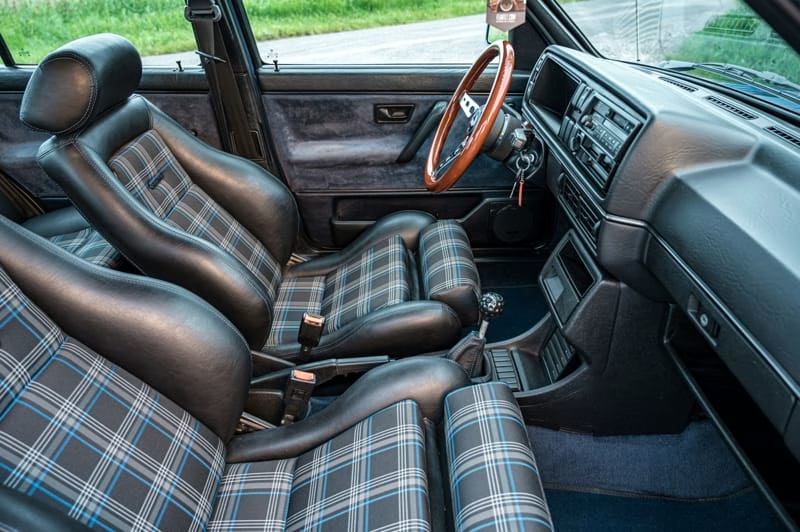
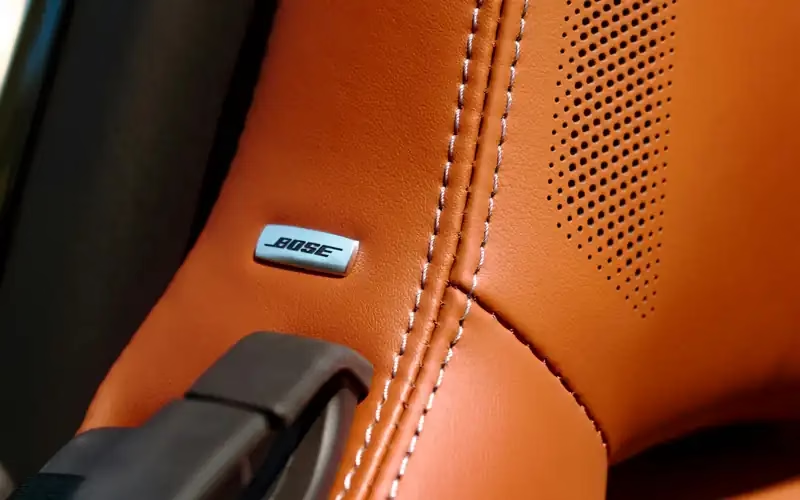
Automotive Interior Evolution Automotive upholstery represents one of the most demanding applications for textile materials. These fabrics must withstand extreme temperature variations, intense UV exposure, abrasion from entry and exit, and various contaminants while maintaining appearance and performance for many years.
Modern automotive fabrics increasingly utilize synthetic materials engineered for specific performance characteristics. Advanced polyester and nylon blends provide durability and fade resistance, while specialized treatments add water repellency, stain resistance, and antimicrobial properties.
Luxury automotive interiors might incorporate genuine leather, premium wool blends, or innovative synthetic materials that provide leather-like appearance with enhanced performance characteristics. The integration of heating, cooling, and massage systems requires fabrics with specific thermal and electrical properties.
Aviation and Marine Applications Aircraft and boat upholstery must meet additional requirements for flame retardancy, weight minimization, and performance under unique environmental conditions. Aviation fabrics must pass stringent flammability tests while providing passenger comfort during extended flights.
Marine upholstery faces challenges from moisture, salt exposure, and UV radiation that exceed even automotive requirements. Specialized synthetic materials, often based on solution-dyed acrylics or advanced polyesters, provide the necessary performance characteristics while maintaining aesthetic appeal.
Specialty and Emerging Applications
Outdoor and Weather-Resistant Upholstery The growing popularity of outdoor living spaces has driven development of weather-resistant upholstery fabrics that maintain indoor-quality comfort and appearance while withstanding outdoor conditions.
These fabrics typically utilize solution-dyed acrylic or polyester fibers that provide excellent UV resistance, quick-drying properties, and mold/mildew resistance. Advanced treatments may add water repellency while maintaining breathability for comfort.
Smart and Interactive Upholstery Emerging applications incorporate electronic components directly into upholstery fabrics, creating smart textiles that can provide heating, cooling, massage, or health monitoring functions. These applications require fabrics that can accommodate electronic components while maintaining traditional upholstery performance characteristics.
The integration of technology with textiles represents a growing field that will likely expand significantly in coming years, particularly in automotive, healthcare, and luxury residential applications.
Maintenance and Care: Preserving Performance and Beauty
Proper maintenance is crucial for realizing the full potential of upholstery fabric investments. Different fabric types, constructions, and treatments require specific care approaches to maintain their appearance, performance, and longevity. Understanding these requirements helps ensure that upholstery continues to provide satisfaction throughout its intended lifespan.
Professional vs. Home Care
When to Call Professionals Professional cleaning becomes essential for valuable upholstery, fabrics with special treatments, or when dealing with significant soiling that exceeds home cleaning capabilities. Professional cleaners have access to specialized equipment, cleaning agents, and expertise that can address challenging situations without damaging fabrics.
Professional cleaning is particularly important for natural fiber upholstery like silk, wool, or linen, which may be damaged by improper home cleaning attempts. Additionally, fabrics with specialized treatments or finishes often require professional care to avoid voiding warranties or damaging protective properties.
Home Maintenance Strategies Regular home maintenance significantly extends upholstery life and reduces the need for professional intervention. Daily care should include removing debris, fluffing cushions to maintain shape, and addressing spills immediately before they can penetrate fabric structures.
Weekly maintenance might include vacuuming with appropriate attachments, rotating cushions to ensure even wear, and checking for developing problems that might require professional attention. Monthly care could involve deeper cleaning of heavily used areas and application of protective treatments as needed.
Fabric-Specific Care Requirements
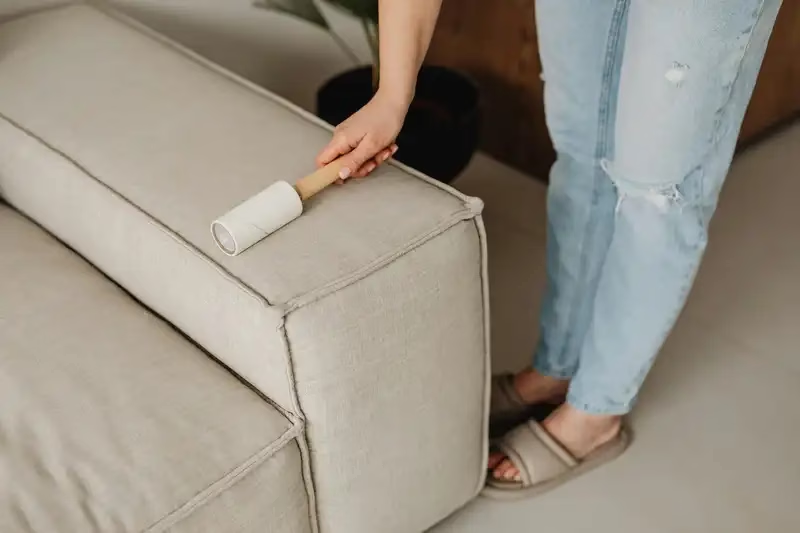
Natural Fiber Care Natural fiber upholstery requires gentle care that respects the inherent characteristics of the materials. Cotton upholstery generally tolerates standard cleaning methods but may be susceptible to shrinkage if over-wetted. Linen requires careful moisture control to prevent watermarks and may need professional pressing to maintain appearance.
Wool upholstery benefits from specialized cleaning products designed for protein fibers and should be protected from moth damage in appropriate climates. The natural lanolin in wool provides some soil resistance, but this protection diminishes over time and may need restoration through professional cleaning.
Synthetic Fiber Maintenance Synthetic upholstery generally tolerates more aggressive cleaning methods than natural fibers but still benefits from appropriate care techniques. Polyester upholstery resists most stains but can be susceptible to oil-based soils that may require specialized cleaning agents.
Nylon upholstery provides excellent durability but may show soil more readily due to its molecular structure’s affinity for certain types of dirt. Regular maintenance becomes particularly important for maintaining the appearance of nylon upholstery.
Performance Fabric Care Fabrics with integrated performance treatments require specific care to maintain their protective properties. Solution-dyed fabrics can typically tolerate aggressive cleaning but may be damaged by bleach or other harsh chemicals.
Stain-resistant treatments may be damaged by certain cleaning products or methods, requiring careful selection of appropriate cleaning agents. Antimicrobial treatments similarly require compatible cleaning products to maintain their effectiveness.
Stain Management and Removal
Immediate Response Protocols The key to successful stain management is immediate response. Most spills can be successfully managed if addressed quickly, before they penetrate fabric structures or set through heat or time. Blotting rather than rubbing prevents spreading and minimizes fabric damage.
Different types of spills require different response strategies. Water-based spills should be blotted and dried quickly, while oil-based spills may require absorbent materials to draw oils from fabric structures. Protein-based spills need cool water treatment to prevent setting.
Advanced Stain Removal Persistent stains may require specialized treatment approaches that consider both the stain type and the fabric characteristics. Professional-grade spot cleaners designed for upholstery provide better results than general-purpose cleaners while minimizing fabric damage risks.
Understanding the interaction between cleaning agents and fabric treatments helps prevent damage while achieving effective stain removal. Some advanced stain removal techniques may temporarily affect fabric appearance but can be corrected through proper finishing techniques.
Long-Term Preservation Strategies
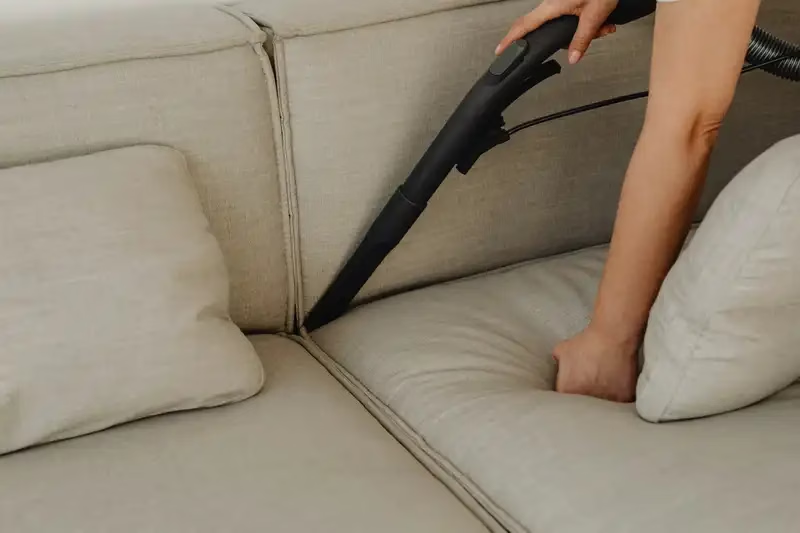
Environmental Protection Protecting upholstery from environmental damage significantly extends its useful life. UV protection through window treatments prevents fading and fiber degradation. Humidity control prevents mold growth and dimensional instability in natural fibers.
Temperature control prevents accelerated aging and helps maintain fabric flexibility. Air circulation prevents accumulation of contaminants and reduces the risk of odor development.
Preventive Measures Using protective covers during high-risk periods, implementing no-shoes policies, and controlling pet access can significantly reduce soil accumulation and damage. Arm covers and head protectors can prevent soil buildup in critical wear areas.
Regular rotation of cushions and furniture position helps ensure even wear patterns and prevents premature failure of high-stress areas. Professional inspection and maintenance on a scheduled basis can identify developing problems before they become major issues.
Sustainability and Environmental Considerations
The upholstery industry faces increasing pressure to address environmental concerns throughout the fabric lifecycle, from raw material production through end-of-life disposal. This challenge has spurred innovation in sustainable materials, manufacturing processes, and fabric design approaches that minimize environmental impact while maintaining performance standards.
Sustainable Fiber Options
Recycled and Upcycled Materials The development of high-quality fabrics from recycled materials represents a significant advancement in sustainable upholstery. Recycled polyester from plastic bottles now achieves performance levels comparable to virgin materials while reducing waste streams and energy consumption.
Advanced recycling processes can separate and purify different fiber types from post-consumer textiles, enabling creation of new fabrics from old upholstery materials. This circular approach reduces reliance on virgin materials while addressing textile waste issues.
Bio-Based Alternatives Innovation in bio-based materials offers alternatives to petroleum-derived synthetic fibers. New materials derived from agricultural waste, algae, or other renewable sources provide comparable performance characteristics while reducing carbon footprint and resource depletion.
These materials face challenges in achieving the performance levels required for upholstery applications, but ongoing research continues to improve their properties and expand their applicability.
Responsibly Sourced Natural Fibers Sustainable approaches to natural fiber production emphasize responsible farming practices, fair labor conditions, and environmental stewardship. Organic cotton, responsibly sourced wool, and sustainably harvested linen provide traditional fiber benefits while addressing environmental and social concerns.
Certification programs help identify materials that meet sustainable production standards, providing consumers and manufacturers with reliable information for making responsible choices.
Manufacturing Process Improvements
Reduced Chemical Usage Advanced manufacturing processes increasingly minimize chemical usage through more efficient application methods, closed-loop systems that recycle process chemicals, and alternative treatment methods that achieve desired properties with fewer environmental impacts.
Water-based treatments replace solvent-based processes where possible, reducing volatile organic compound emissions and improving workplace safety. Advanced application techniques ensure more precise chemical usage, minimizing waste and environmental release.
Energy Efficiency Modern textile manufacturing emphasizes energy efficiency through process optimization, waste heat recovery, and renewable energy integration. These improvements reduce the carbon footprint of fabric production while often reducing manufacturing costs.
Advanced machinery designs achieve better performance with lower energy consumption, while process integration eliminates redundant heating and cooling cycles that waste energy.
End-of-Life Considerations
Recyclability Design Designing upholstery fabrics for end-of-life recyclability requires consideration of material combinations, treatment methods, and construction techniques that facilitate material recovery. Mono-material designs or easily separable constructions enable more effective recycling.
Avoiding treatments or additives that contaminate recycling streams helps ensure that fabrics can be successfully processed into new materials rather than requiring disposal.
Biodegradability Options For applications where recyclability is not practical, developing biodegradable upholstery materials provides an alternative end-of-life pathway. Natural fiber fabrics with minimal synthetic treatments can biodegrade under appropriate conditions.
Research into biodegradable synthetic materials continues to advance, with new polymer formulations that maintain upholstery performance while breaking down safely in appropriate environments.
Consumer Education and Responsibility
Lifecycle Thinking Educating consumers about the total lifecycle impact of upholstery choices helps promote more sustainable decisions. Higher-quality, longer-lasting fabrics may have higher initial costs but lower total environmental impact through extended useful life.
Understanding maintenance requirements and their environmental implications helps consumers make informed trade-offs between convenience and environmental responsibility.
Responsible Disposal Providing clear guidance on responsible disposal options helps ensure that upholstery materials are handled appropriately at end-of-life. Textile recycling programs, donation opportunities, and proper disposal methods reduce environmental impact.
Supporting development of local textile recycling infrastructure creates opportunities for responsible end-of-life management while supporting community economic development.
Color, Pattern, and Aesthetic Considerations
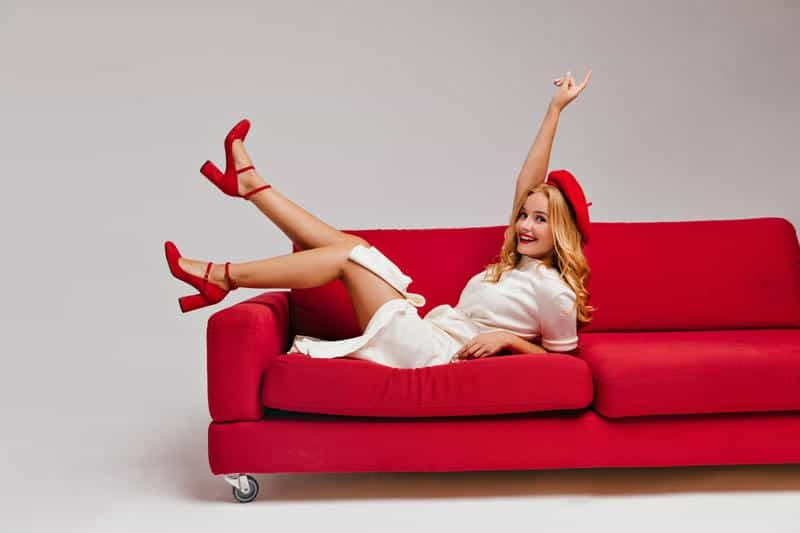
The visual aspects of upholstery fabric significantly influence interior design success and user satisfaction. Understanding how color, pattern, and texture interact with environmental factors, other design elements, and practical considerations helps ensure that aesthetic choices enhance rather than compromise the overall success of upholstery applications.
Color Theory and Upholstery Selection
Psychological Impact of Color Color profoundly affects human psychology and behavior, making color selection a critical aspect of upholstery design. Warm colors like reds, oranges, and yellows create energizing, social atmospheres appropriate for gathering spaces, while cool colors like blues, greens, and purples provide calming, restorative environments suitable for relaxation areas.
Neutral colors offer versatility and longevity, serving as foundations for interiors that can be updated through accessories and accent pieces. However, neutral selections still require careful consideration of undertones, which can significantly affect how colors appear in different lighting conditions.
Practical Color Considerations Light colors show soil and wear more readily than dark colors, requiring more frequent cleaning and potentially shorter useful life in high-traffic applications. However, light colors can make spaces appear larger and brighter, providing significant aesthetic benefits that may justify the additional maintenance requirements.
Dark colors hide soil and wear better but can absorb heat, fade under UV exposure, and make spaces appear smaller. Understanding these trade-offs helps balance aesthetic preferences with practical requirements.
Color Harmony and Coordination Successful upholstery color selection considers the overall color palette of the space, including wall colors, flooring, window treatments, and other furnishings. Understanding color harmony principles helps create cohesive designs that feel intentional and sophisticated.
Advanced color matching techniques ensure that upholstery colors work effectively with existing elements while providing desired aesthetic impact. Digital color matching tools increasingly enable precise color coordination across different materials and manufacturers.
Pattern Selection and Scale
Pattern Psychology and Function Patterns serve both aesthetic and practical functions in upholstery applications. Large-scale patterns create visual impact and can make bold design statements, while small-scale patterns provide texture and interest without overwhelming spaces.
Geometric patterns offer contemporary appeal and often hide soil and wear effectively, while organic patterns provide natural appeal that complements traditional and transitional design styles. Abstract patterns can bridge multiple design styles while offering maximum flexibility in coordination with other elements.
Scale Relationships Pattern scale must be appropriate for both the furniture size and the room scale. Large patterns on small furniture pieces can appear overwhelming, while tiny patterns on large furniture may appear insignificant. Understanding these relationships helps ensure that pattern choices enhance rather than detract from overall design success.
The viewing distance also affects pattern perception. Patterns that appear bold up close may read as solid colors from typical viewing distances, while patterns designed for distance viewing may appear chaotic when seen closely.
Pattern Matching and Alignment Professional upholstery requires careful attention to pattern matching and alignment, particularly for patterned fabrics with obvious repeats. Poor pattern matching can make even high-quality fabrics appear amateurish, while expert pattern matching creates sophisticated, intentional appearances.
Understanding pattern repeats and fabric requirements helps estimate material needs and costs accurately while ensuring sufficient material for proper pattern matching throughout the piece.
Texture and Tactile Considerations
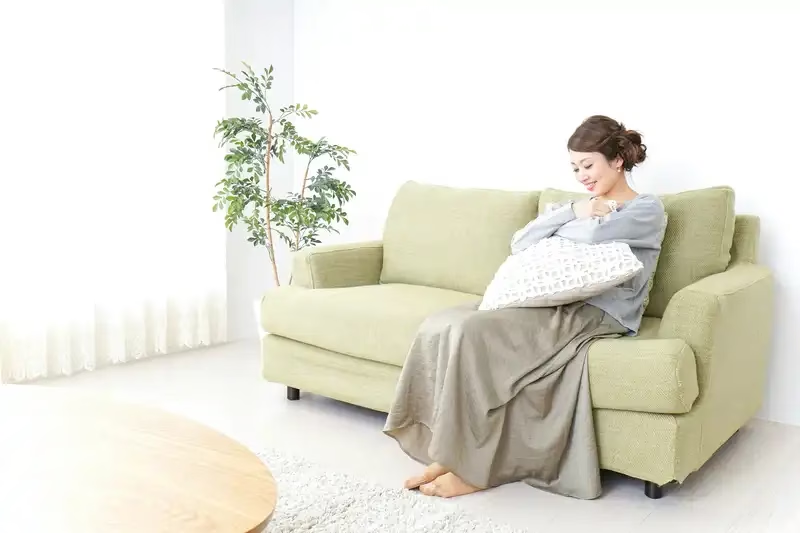
Texture Psychology Texture significantly affects human response to fabrics, with smooth textures often perceived as formal or sophisticated, while textured surfaces appear more casual and approachable. Understanding these associations helps select textures appropriate for desired atmospheric effects.
Tactile qualities become particularly important for frequently touched surfaces like chair arms and cushion edges. Texture selection should consider both visual appeal and actual touch sensation to ensure user satisfaction.
Texture and Maintenance Different textures have varying maintenance requirements and soil-hiding capabilities. Smooth textures may show fingerprints and surface soil more readily, while complex textures can trap soil and prove more difficult to clean thoroughly.
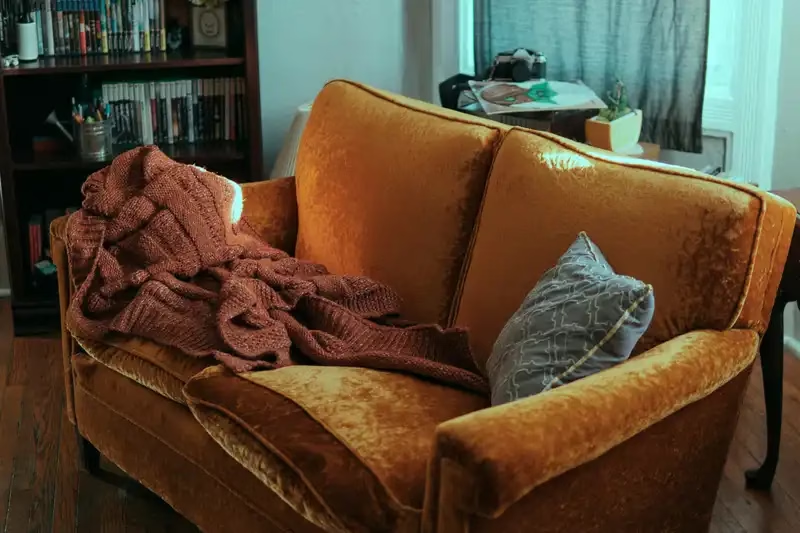
Pile fabrics like velvet provide luxurious appearance and feel but may show wear patterns more readily than flat weaves. Understanding these characteristics helps set appropriate expectations and maintenance schedules.
Visual Texture Effects Texture significantly affects how colors appear, with the same color appearing different on smooth versus textured surfaces due to light reflection patterns. Smooth surfaces reflect light directly, creating bright, clear colors, while textured surfaces scatter light, creating softer, more muted color appearances.
These optical effects must be considered when selecting colors, particularly when coordinating with other materials in the space that may have different surface characteristics.
Future Trends and Innovations
The upholstery fabric industry continues to evolve rapidly, driven by technological advances, changing consumer preferences, and environmental concerns. Understanding emerging trends helps predict future developments and identify opportunities for innovation in both product development and application approaches.
Smart Textile Integration
Electronic Integration The integration of electronic components into upholstery fabrics opens possibilities for heating, cooling, massage, and health monitoring functions. Conductive fibers woven into fabric structures can carry electrical signals while maintaining traditional textile characteristics.
Challenges include durability of electronic components under typical upholstery stress, maintenance requirements for electronic textiles, and cost considerations for widespread adoption. However, ongoing development continues to address these challenges while expanding capabilities.
Responsive Materials Phase change materials incorporated into upholstery can provide automatic temperature regulation, absorbing excess heat when temperatures rise and releasing stored heat when temperatures fall. These materials offer improved comfort without requiring external energy sources.
Shape memory materials enable upholstery that automatically returns to preferred shapes, potentially extending furniture life and maintaining appearance with minimal maintenance.
Advanced Performance Features
Self-Cleaning Technologies Photocatalytic treatments that break down organic soils when exposed to light offer possibilities for self-cleaning upholstery. These technologies could significantly reduce maintenance requirements while maintaining hygiene standards.
Antimicrobial treatments continue to advance, with new materials providing longer-lasting protection against bacteria, viruses, and fungi. These developments are particularly relevant for healthcare and high-traffic commercial applications.
Enhanced Durability Nanotechnology applications enable modification of fiber properties at the molecular level, potentially creating materials with unprecedented combinations of strength, flexibility, and other desirable characteristics.
Advanced fiber spinning techniques enable creation of fibers with varied properties along their length, providing opportunities for fabrics with multiple performance zones optimized for different functional requirements.
Sustainability Innovations
Circular Design Principles Design approaches that consider entire product lifecycles from material sourcing through end-of-life disposal are becoming standard practice. These approaches optimize material selection, construction techniques, and finishing methods for minimal environmental impact.
Modularity in upholstery design enables replacement of worn components without discarding entire pieces, extending useful life and reducing waste generation.
Biodegradable Performance Materials Research into biodegradable materials that maintain upholstery performance standards continues to advance, with new polymer formulations showing promise for applications where recyclability is not practical.
Bio-based materials derived from agricultural waste, algae, or other renewable sources continue to improve in performance while reducing environmental impact compared to petroleum-based alternatives.
Manufacturing and Production Advances
Digital Manufacturing Digital printing technologies enable cost-effective custom patterns and small-batch production, reducing inventory requirements and enabling more personalized upholstery options. Advanced printing techniques can integrate multiple colors and effects in single-pass processes.
Automated cutting and sewing technologies improve precision while reducing labor costs, potentially making high-quality upholstery more accessible to broader markets.
Quality Control Innovation Advanced sensing technologies enable real-time monitoring of fabric properties during production, ensuring consistent quality and reducing waste from defective materials.
Predictive analytics help optimize production processes and identify potential quality issues before they affect finished products.
Selection Guide: Matching Fabric to Application
Selecting appropriate upholstery fabric requires systematic consideration of multiple factors that affect performance, maintenance, cost, and aesthetic satisfaction. This comprehensive approach helps ensure that fabric choices meet both immediate needs and long-term expectations.
Performance Requirements Assessment
Usage Analysis Understanding how furniture will be used provides the foundation for fabric selection. Light-use formal living rooms require different performance characteristics than family rooms with children and pets. Commercial applications demand higher performance standards than residential use.
Traffic patterns, user demographics, and environmental conditions all affect fabric performance requirements. High-traffic areas need materials with superior abrasion resistance, while moisture-prone environments require enhanced cleanability and quick-drying properties.
Duration Expectations Expected furniture lifespan affects fabric selection priorities. Temporary or trend-focused applications may prioritize appearance and cost over long-term durability, while investment pieces require materials that maintain performance and appearance over many years.
Understanding replacement cycles helps balance initial costs against total ownership costs, often making higher-quality materials more cost-effective over time.
Environmental Factor Consideration
Climate Conditions Humidity levels affect fabric performance and comfort, with natural fibers generally providing better moisture management in humid conditions. Temperature extremes may require materials with enhanced thermal stability or specialized treatments.
UV exposure through windows can cause fading and fiber degradation, requiring materials with appropriate fade resistance or UV protection treatments.
Indoor Air Quality Fabric selection can affect indoor air quality through emissions from treatments, dyes, or fiber materials. Low-emission materials become particularly important in environments with sensitive occupants or limited ventilation.
Antimicrobial treatments may be beneficial in healthcare environments but unnecessary in typical residential applications.
Budget and Value Optimization
Total Cost Analysis Initial fabric costs represent only part of total ownership costs. Maintenance requirements, expected lifespan, and potential replacement costs should be factored into selection decisions.
Higher-performance materials often provide better value through reduced maintenance costs and extended useful life, even when initial costs are higher.
Quality vs. Price Balance Understanding the relationship between price and performance helps identify optimal value points for specific applications. Premium materials may provide minimal benefit for some applications, while economy materials may prove costly through frequent replacement needs.
Professional consultation can help identify appropriate quality levels for specific requirements while avoiding unnecessary over-specification.
Summary
Upholstery fabric represents a sophisticated intersection of textile engineering, aesthetic design, and practical functionality. From the fundamental fiber choices that determine basic performance characteristics to the complex weave structures that affect durability and appearance, every aspect of upholstery fabric design serves multiple purposes in creating successful furniture applications.
The evolution of upholstery fabrics continues to accelerate, driven by advancing technology, environmental concerns, and changing consumer expectations. Modern materials achieve performance levels that would have been impossible just decades ago, while emerging technologies promise even greater capabilities in smart textiles, sustainable materials, and advanced manufacturing processes.
Success in upholstery fabric selection requires understanding the complex relationships between materials, construction techniques, environmental factors, and user requirements. This knowledge enables informed decisions that balance aesthetic preferences with performance needs, maintenance capabilities, and budget constraints.
As the industry continues to evolve, the fundamental principles of upholstery fabric selection remain constant: understanding the application requirements, matching material properties to those requirements, and considering the total lifecycle impact of fabric choices. These principles, applied with knowledge of current technologies and future trends, enable creation of upholstered furniture that provides lasting satisfaction and value.
The future of upholstery fabrics holds exciting possibilities for materials that are more sustainable, more functional, and more responsive to human needs. By understanding these developments and their implications, designers, manufacturers, and consumers can make informed choices that contribute to both immediate satisfaction and long-term environmental stewardship.
Citations
- Association for Contract Textiles – Performance Standards
- Textile Research Journal – Upholstery Fabric Testing
- International Furnishings and Design Association – Industry Standards
- Sustainable Furnishings Council – Environmental Guidelines
- American Society for Testing and Materials – Textile Standards
FAQ – Upholstery Fabrics
Wyzenbeek test uses a rubbing motion back and forth on fabric until wear appears, measuring durability in “double rubs.” The Martindale test rubs fabric against an abrasive surface in a circular motion. Both measure abrasion resistance but use different methods, with Wyzenbeek being more common in North America and Martindale in Europe.
A: Light-duty applications (formal living rooms) need 3,000-9,000 double rubs, medium-duty (moderate daily use) requires 9,000-15,000, heavy-duty (family rooms) needs 15,000-30,000, and commercial applications typically require 30,000+ double rubs for durability.
A: Yes, outdoor fabrics often work well indoors and provide superior stain resistance and durability. However, they may feel different than traditional indoor fabrics and might not offer the same aesthetic options. Consider the trade-offs between performance and comfort.
A: Look for fabrics with high abrasion ratings (15,000+ double rubs), integrated stain protection like Crypton®, and darker colors or patterns that hide soil. Synthetic blends often perform better than natural fibers for family environments, and microfiber can be particularly durable and cleanable.
A: Commercial fabrics should have high double rub counts (typically 30,000+), meet flammability standards, have good colorfastness ratings (4-5 on light fastness tests), and often require specific certifications for contract use. Check with manufacturers for commercial suitability.
A: UV radiation from sunlight is the primary cause of fading. Prevention includes using window treatments, rotating furniture periodically, choosing solution-dyed fabrics with better fade resistance, and selecting fabrics with high light fastness ratings (4-5 on standard tests).
A: Branded performance fabrics often justify their higher cost through superior performance, warranties, and extensive testing. They’re particularly valuable for high-use applications, families with children/pets, or situations where replacement would be costly or difficult.
A: Professional cleaning frequency depends on usage and fabric type. High-use furniture may benefit from annual professional cleaning, while formal pieces might only need cleaning every 2-3 years. Regular home maintenance can extend the time between professional cleanings.