This comprehensive article delves into the essential role of flame-retardant fabrics in preventing injuries from fire hazards in industrial settings. It examines top materials, their properties, compliance standards, and practical applications, while offering guidance on selection, maintenance, and emerging trends to empower safety professionals with solutions that prioritize worker well-being and operational efficiency.
Introduction
In the high-stakes world of industrial operations, where sparks fly, temperatures soar, and hazards lurk around every corner, the right protective gear can mean the difference between a routine shift and a life-altering incident. Flame-retardant (FR) fabrics stand at the forefront of this defense, engineered to resist ignition, limit flame spread, and self-extinguish when exposed to fire. As industries like oil and gas, manufacturing, electrical utilities, and construction continue to evolve, the demand for reliable FR materials has never been greater. With global safety regulations tightening and workplace incidents underscoring the need for robust protection, understanding the best FR fabrics is crucial for safety managers, procurement teams, and workers alike.
This article provides an in-depth exploration of the top flame-retardant fabrics tailored for industrial safety. We’ll break down the science behind their resistance, compare inherent and treated options, highlight leading materials such as aramids and modacrylics, and discuss how they align with key standards. Beyond the basics, we’ll cover real-world applications, selection criteria, maintenance practices, and forward-looking trends shaping the landscape in 2025 and beyond. By the end, you’ll have actionable insights to enhance safety protocols, reduce risks, and foster a culture of protection in your organization.
The importance of FR fabrics cannot be overstated. According to industry reports, fire-related incidents in workplaces result in thousands of injuries annually, many preventable with proper protective clothing. These fabrics not only shield against direct flames but also mitigate secondary burns from melting or dripping materials. As we navigate an era of technological advancements and sustainability pressures, the fabrics discussed here represent the pinnacle of innovation, balancing durability, comfort, and environmental responsibility.
Understanding Flame-Retardant Fabrics: The Basics
Flame-retardant fabrics are specialized textiles designed to protect against thermal hazards by resisting ignition and minimizing burn injuries. Unlike everyday materials that can ignite easily and sustain flames, FR fabrics are formulated to either inherently resist fire due to their molecular structure or be treated with chemicals that enhance their protective qualities. This resistance is achieved through mechanisms like char formation, where the fabric creates a barrier that insulates the skin, or the release of non-flammable gases that dilute combustible elements in the air.
The core principle behind FR fabrics is their ability to self-extinguish once the ignition source is removed, providing precious seconds for escape. This is quantified through metrics such as the Limiting Oxygen Index (LOI), which measures the minimum oxygen concentration needed for combustion—higher LOI values indicate better resistance. For industrial safety, these fabrics must withstand extreme conditions, including flash fires, arc flashes, and molten metal splashes, while remaining wearable for extended periods.
Two primary categories define FR fabrics: inherent and treated. Inherent FR fabrics incorporate fire-resistant properties at the fiber level, ensuring lifelong protection that doesn’t wash out. Treated fabrics, on the other hand, rely on chemical applications to standard materials like cotton, offering cost-effective options but potentially diminishing efficacy over time. Choosing between them depends on the specific hazards, budget, and longevity requirements of the job.
In industrial contexts, FR fabrics are integral to personal protective equipment (PPE), forming the basis of coveralls, jackets, shirts, and pants. Their evolution has been driven by regulatory bodies and technological breakthroughs, leading to materials that not only protect but also enhance mobility and comfort. As we delve deeper, it’s clear that selecting the right FR fabric involves a nuanced understanding of material science and hazard assessment.
Inherent vs. Treated Flame-Retardant Fabrics
The distinction between inherent and treated FR fabrics is fundamental to making informed choices for industrial safety. Inherent FR fabrics are made from fibers where fire resistance is built into the molecular structure. Examples include aramids like Nomex and Kevlar, which feature aromatic rings that promote thermal stability and char formation rather than melting. These fabrics maintain their protective properties throughout the garment’s life, resisting degradation from laundering, abrasion, or UV exposure. This permanence makes them ideal for high-risk environments where consistent performance is non-negotiable.
Treated FR fabrics, conversely, start as standard textiles—often cotton or blends—and are impregnated with flame-retardant chemicals, such as phosphorus-based compounds. These treatments work by promoting charring or releasing gases that interrupt the combustion process. While effective and often more affordable, their protection can wane with repeated washes or exposure to contaminants like oils and solvents. For instance, FR-treated cotton is popular for its breathability and natural feel but requires careful monitoring to ensure ongoing compliance with safety standards.
Pros of inherent fabrics include superior durability and reliability, making them suitable for industries with frequent laundering cycles, such as utilities or petrochemicals. They also tend to offer better arc flash protection, measured by Arc Thermal Performance Value (ATPV), which quantifies energy resistance in cal/cm². Treated options shine in comfort and cost, providing a soft, cotton-like experience that’s less restrictive for all-day wear. However, blending approaches—combining inherent fibers like modacrylic with treated cotton—can optimize both worlds, enhancing strength, moisture management, and overall user satisfaction.
In practice, the choice hinges on hazard analysis. For arc flash risks in electrical work, inherent fabrics with high ATPV ratings are preferred. In contrast, treated fabrics suffice for lower-intensity hazards like welding sparks, where budget constraints are a factor. Ultimately, both types must meet rigorous testing, but inherent fabrics often provide a longer-term investment in safety.
Top Flame-Retardant Fabrics for Industrial Use
When it comes to the best FR fabrics for industrial safety, several stand out for their proven track records in protection, comfort, and versatility. Let’s examine the leaders in detail.
Aramid Fibers: Nomex and Kevlar
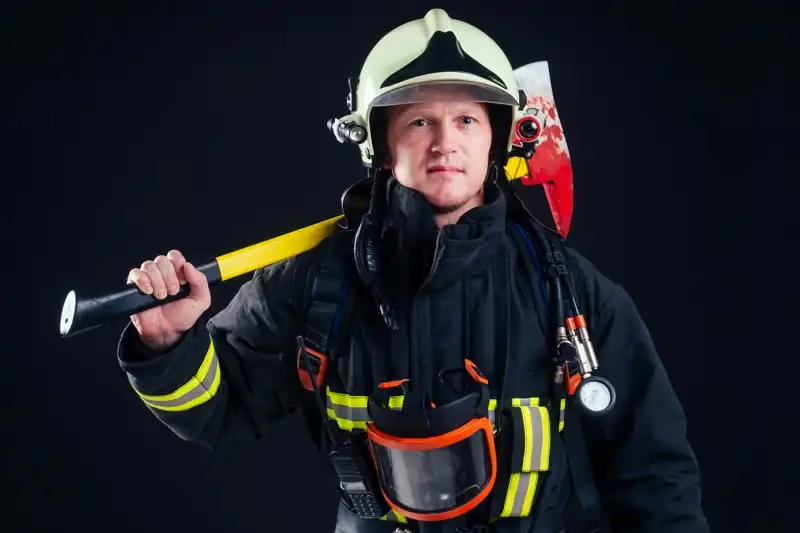
Aramid fibers, particularly Nomex and Kevlar from DuPont, are synonymous with high-performance FR protection. Nomex, a meta-aramid, excels in thermal stability, resisting temperatures up to 370°C without melting. It’s widely used in firefighter gear and industrial coveralls due to its ability to form a protective char layer that insulates against heat. Kevlar, a para-aramid, adds exceptional strength and cut resistance, making it ideal for environments with mechanical hazards alongside fire risks, such as mining or automotive manufacturing.
These fabrics boast high tensile strength—Kevlar is five times stronger than steel by weight—and resist abrasion, chemicals, and solvents. In industrial safety, they comply with standards like NFPA 2112 for flash fire protection and NFPA 70E for electrical safety. Blends like Nomex with modacrylic enhance comfort by improving breathability and moisture-wicking, reducing heat stress during prolonged use.
Pros include lifelong FR properties and multi-hazard protection, but they can be pricier and less soft than cotton-based alternatives. For 2025, advancements in aramid blends focus on sustainability, incorporating recycled fibers without compromising performance.
Modacrylic Blends
Modacrylic fibers are synthetic powerhouses known for their inherent FR qualities, durability, and comfort. Often blended with cotton or lyocell, modacrylics like those in Tecasafe Plus fabrics increase LOI values, disperse static, and retain shape under stress. They resist ignition by forming stable chars and are lightweight, making them suitable for everyday workwear in oil and gas or chemical industries.
Key benefits include quick-drying properties, abrasion resistance, and color retention after industrial laundering. In blends, modacrylics boost overall fabric strength while maintaining a soft hand feel, addressing common complaints about stiff FR gear. They meet ASTM D6413 for vertical flame tests and offer ATPV ratings from 8 to 40 cal/cm², covering a range of hazard levels.
For industrial safety, modacrylic blends provide a balanced solution: protective yet comfortable, with emerging eco-friendly variants using lower-toxicity formulations.
FR-Treated Cotton
FR-treated cotton remains a staple for its natural comfort and affordability. By applying phosphorus or nitrogen-based retardants, cotton becomes resistant to flames, self-extinguishing rapidly. It’s breathable, absorbs moisture well, and feels familiar, reducing wearer fatigue in hot environments like construction sites or refineries.
However, its FR properties depend on the treatment’s quality—permanent treatments last longer, enduring 50+ washes, while others may fade. Standards like ISO 11612 ensure heat and flame protection, with options for anti-static additions in explosive atmospheres. Blends with nylon or polyester enhance durability, making treated cotton versatile for mid-level hazards.
In 2025, sustainable treatments using biodegradable chemicals are gaining traction, aligning with green initiatives.
Polybenzimidazole (PBI) and Advanced Polymers
PBI is an ultra-high-performance fiber used in extreme conditions, such as firefighting or molten metal handling. It withstands temperatures over 500°C, doesn’t burn in air, and maintains integrity in harsh chemicals. Often blended with aramids, PBI offers superior thermal protection but at a higher cost, reserved for specialized industrial roles.
Other advanced polymers, like polyamide-imide, provide similar benefits with added flexibility. These materials represent the cutting edge, with 2025 trends emphasizing integration with smart sensors for real-time hazard monitoring.
Natural Fibers: Wool and Silk
Natural fibers like wool and silk offer inherent FR properties without treatments. Wool’s high moisture content and tight weave make it hard to ignite, ideal for base layers in cold-weather industries. Silk provides lightweight protection but is less common due to cost. Both can be enhanced with treatments for broader use, though synthetics often outperform in durability.
Standards and Certifications for FR Fabrics
Compliance with international standards is non-negotiable for industrial FR fabrics. NFPA 2112 outlines requirements for flash fire protection, mandating no melting, dripping, or after-flame beyond two seconds. NFPA 70E focuses on electrical arc hazards, categorizing PPE into Hazard Risk Categories (HRC) with minimum ATPV ratings—e.g., HRC 2 requires 8 cal/cm².
ASTM F1506 tests for arc flash, while ISO 11611 and 11612 cover welding and heat/flame protection, respectively. EN 13501 addresses European fire classifications. Certifications from third parties like UL ensure fabrics meet these benchmarks, with labels indicating wash durability and hazard types.
For 2025, evolving regulations emphasize sustainability, phasing out toxic retardants like certain BFRs due to health concerns.
Applications in Key Industries
FR fabrics find critical applications across sectors. In oil and gas, modacrylic blends protect against flash fires during drilling. Electrical utilities rely on aramids for arc flash resistance in substations. Manufacturing and welding use treated cotton for spark protection, while mining benefits from Kevlar’s cut-and-flame resistance.
Case studies illustrate impact: A refinery adopting Nomex coveralls reduced burn injuries by 40%, highlighting ROI in safety investments. In automotive, PBI gear safeguards against molten metals in forging.
Selecting the Right FR Fabric
Selection involves hazard assessment, comfort evaluation, and budget analysis. Conduct a Job Hazard Analysis (JHA) to identify risks, then match ATPV or LOI to needs. Prioritize breathability for hot climates and durability for abrasive tasks. Test fits ensure mobility, and consult suppliers for custom blends.
Maintenance and Care of FR Clothing
Proper care extends FR garment life. Follow manufacturer guidelines: wash in mild detergents, avoid bleach or softeners that degrade treatments. Inherent fabrics tolerate industrial laundering; treated ones need periodic testing. Inspect for damage regularly, replacing worn items to maintain protection.
Future Trends in FR Fabrics for 2025 and Beyond
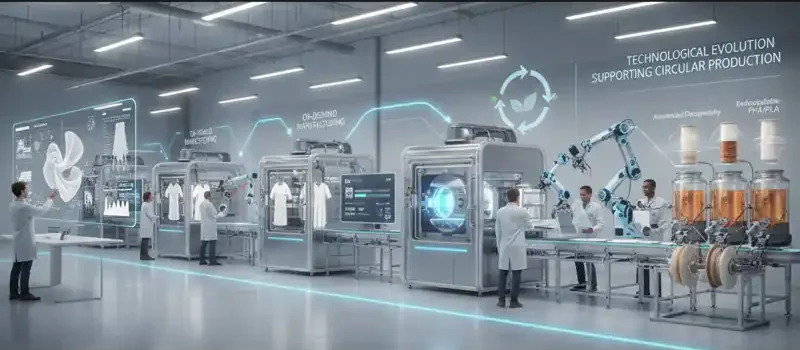
Looking ahead, 2025 trends include sustainable FR fabrics with biodegradable treatments and recycled fibers, driven by regulations like reduced chemical usage. Smart textiles with embedded sensors for heat monitoring are emerging, alongside nanoparticles for enhanced durability. Market growth, projected at 6.3% CAGR to $4.84 billion in 2025, reflects demand in Asia-Pacific and electric power sectors.
Innovations like plasma-coated fabrics and inherent eco-blends from manufacturers like Begoodtex promise lighter, greener protection without sacrificing safety.
Case Studies: Real-World Success
In a 2024 chemical plant overhaul, switching to modacrylic workwear cut incident rates by 25%. Similarly, an electrical firm using Westex UltraSoft fabrics reported improved worker satisfaction and compliance.
Conclusion
Flame-retardant fabrics are indispensable for industrial safety, evolving to meet modern challenges with innovation and reliability. By choosing the best materials—like aramids, modacrylics, and treated cotton—organizations can protect their most valuable asset: their people. As we advance into 2025, embracing sustainable and smart technologies will further elevate standards, ensuring safer workplaces for generations to come.
Citations
- NASP, “Flame Resistant Clothing: 5 Key Things You Need to Know,” NASP, https://www.naspweb.com/blog/5-key-things-to-know-about-flame-resistant-clothing/
- TenCate Protective Fabrics, “Breaking Down the Science: How FR Fabrics Resist Ignition,” TenCate Fabrics, https://us.tencatefabrics.com/blog/science-of-fr-fabrics
- Westex: A Milliken Brand, “Leader in FR/AR Protective Fabric,” Westex, https://westex.com/
- Begoodtex, “2025 Trends in Fire Retardant Fabric Manufacturers,” Begoodtex, https://www.begoodtex.com/fire-retardant-fabric-manufacturers/
- The Business Research Company, “Fire Resistant Fabrics Market Report 2025,” The Business Research Company, https://www.thebusinessresearchcompany.com/report/fire-resistant-fabrics-global-market-report
FAQ – Flame-retardant fabrics
Inherent FR fabrics have fire-resistant properties built into their fibers, providing permanent protection that doesn’t diminish with washing. Treated FR fabrics are coated with chemicals to achieve resistance, which can wear off over time but offer a more affordable and comfortable option for less demanding applications.
Assess specific hazards like flash fires or arc flashes, then select fabrics meeting relevant standards such as NFPA 2112 or 70E. Consider factors like comfort, durability, and ATPV ratings, and consult with safety experts or conduct trials to ensure the fabric suits your work environment.
Wash FR garments using mild detergents without bleach or fabric softeners, following manufacturer instructions. Dry at low temperatures, inspect for damage regularly, and avoid contaminants. Inherent fabrics are more forgiving, but treated ones may require professional re-treatment after extensive use.
Trends include sustainable materials with biodegradable treatments, smart integrations like temperature sensors, and nanoparticle enhancements for better durability. Focus on eco-friendly aramids and modacrylics aligns with stricter regulations and growing demand in emerging markets.
Yes, fibers like wool and silk offer natural resistance and can be treated for enhanced protection, providing breathability for base layers. However, they are often blended with synthetics for superior durability and multi-hazard defense in high-risk industries.