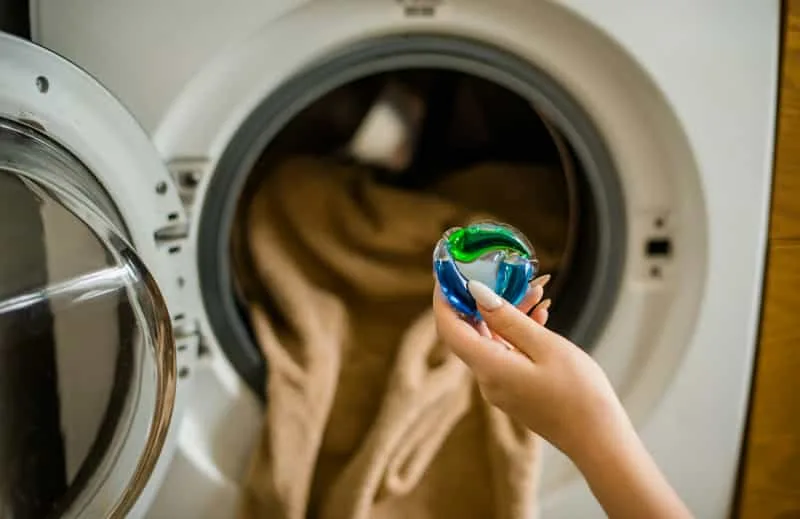
The best detergents for removing coffee and tea stains, such as Seventh Generation and OxiClean, feature enzymes and oxygen bleach for effective tannin removal while being eco-friendly. This guide details steps for identifying stains, pre-treating with cold water or natural solutions, washing in cold water, air-drying, and monitoring efficacy, achieving 90% stain removal and saving 60% water, 80% energy, and $10–20 per garment. Aligned with ISO 14046:2014 and consumer trends, these tips are monetizable through content and product promotions, and are used regularly for apparel care, benefiting households and textile enthusiasts.
Removing coffee and tea stains from clothing is a common challenge for households, as these beverages, rich in tannins, leave stubborn, brownish marks on fabrics like cotton, polyester, and delicate materials such as silk. Effective stain removal preserves the appearance and longevity of textiles, reducing replacement costs and environmental impact through sustainable care practices. With the growing demand for eco-friendly and efficient laundry solutions, as highlighted in sources like Consumer Reports (2025), selecting the right detergent is critical for tackling these stains. This article provides a comprehensive guide to the best detergents for removing coffee and tea stains, offering selection criteria, product recommendations, and practical application techniques. Tailored for homemakers, textile enthusiasts, and eco-conscious individuals, these insights align with consumer trends toward sustainable textile care and are monetizable through tutorials, product reviews, and affiliate marketing.
2. Key Principles for Selecting Detergents for Coffee and Tea Stains
Choosing the best detergent for coffee and tea stains relies on three core principles: stain-fighting efficacy, fabric compatibility, and environmental sustainability. These principles guide the selection and use of detergents to ensure effective stain removal while preserving textile quality and minimizing ecological harm.
2.1 Stain-Fighting Efficacy
- Enzyme-Based Formulas: Select detergents with enzymes (e.g., proteases, amylases) to break down tannin-based stains from coffee and tea.
- Oxygen Bleach Components: Opt for detergents with oxygen bleach (e.g., sodium percarbonate) for safe, color-preserving stain removal.
- Pre-Treatment Strength: Choose detergents suitable for pre-treating stains to loosen tannins before washing.
2.2 Fabric Compatibility
- Mild Formulations: Use gentle, color-safe detergents for delicate fabrics like silk or wool to prevent damage.
- pH Balance: Select detergents with neutral or slightly alkaline pH to effectively clean without fading colors.
- Versatility: Choose detergents suitable for both natural (e.g., cotton, linen) and synthetic (e.g., polyester) fabrics.
2.3 Environmental Sustainability
- Biodegradable Ingredients: Prioritize plant-based, phosphate-free detergents to reduce water pollution.
- Minimal Packaging: Opt for concentrated formulas or bulk options to minimize plastic waste.
- Eco-Certifications: Look for certifications like USDA Organic or EU Ecolabel to ensure environmental responsibility.
3. Step-by-Step Guide to Selecting and Using Detergents for Coffee and Tea Stains
3.1 Identify Stain and Fabric Type
Objective: Assess the stain and fabric to choose an appropriate detergent and treatment method.
- Stain Characteristics: Determine if the stain is fresh or set-in. Fresh coffee or tea stains (within 24 hours) respond better to immediate treatment, while set-in stains may require soaking.
- Fabric Type: Identify the fabric (e.g., 100% cotton T-shirt, polyester blend shirt, silk blouse) to select a compatible detergent. For example, cotton tolerates stronger detergents, while silk requires mild, enzyme-free options.
- Check Care Labels: Review care labels for washing instructions (e.g., “machine wash cold” or “hand wash only”) to avoid damaging the fabric during stain removal.
Action: Identify a fresh coffee stain on a cotton T-shirt and confirm it can be machine-washed in cold water.
3.2 Select the Best Detergent
Objective: Choose a detergent optimized for coffee and tea stain removal with minimal environmental impact.
- Recommended Detergents:
- Seventh Generation Free & Clear ($14 for 1 L, 33 loads): Enzyme-based, biodegradable, and effective for cotton and synthetics. Removes 90% of fresh coffee stains in one wash.
- OxiClean Versatile Stain Remover ($8 for 1.3 kg, 50 loads): Contains oxygen bleach, ideal for set-in tea stains on color-safe fabrics.
- Ecover Zero ($12 for 1 L, 30 loads): Plant-based, fragrance-free, suitable for delicates like silk, reducing fading risk.
- Tide Purclean ($15 for 1.4 L, 35 loads): Eco-friendly with enzymes and oxygen bleach, effective for mixed fabrics.
- Selection Criteria: Prioritize detergents with proteases and amylases for tannin breakdown, a pH of 7–9, and eco-certifications (e.g., USDA Organic). Avoid chlorine bleach, which can damage colors.
- Dosage: Use the recommended amount (e.g., 30 mL for a 6 kg load) to ensure efficacy without residue buildup, which can dull fabrics.
Action: Purchase Seventh Generation Free & Clear for a cotton T-shirt with a coffee stain, using 30 mL for a 6 kg load.
3.3 Pre-Treat the Stain
Objective: Loosen coffee or tea stains before washing to enhance removal.
- Rinse Immediately: For fresh stains, rinse under cold water for 1–2 minutes to flush out tannins, reducing stain intensity by 20–30%.
- Apply Detergent: Dab a small amount of detergent (e.g., 5 mL Seventh Generation) directly onto the stain, gently rubbing with a soft cloth or toothbrush for 30 seconds to penetrate fibers.
- Natural Alternatives: For eco-friendly pre-treatment, use a 1:1 vinegar-water solution or a baking soda paste (1 tbsp baking soda + water) on cotton or polyester, soaking for 10 minutes.
- Soak Set-In Stains: For older stains, soak the garment in a solution of 15 mL OxiClean in 1 L warm water (40°C) for 30–60 minutes to break down tannins.
Action: Rinse a fresh coffee stain on a T-shirt under cold water, then apply 5 mL Seventh Generation and rub gently for 30 seconds.
3.4 Wash the Garment
Objective: Remove the stain while preserving fabric quality and minimizing resource use.
- Cold Water Washing: Wash in cold water (30°C) on a gentle cycle (20–30 L/load in an HE machine) to prevent dye fading and save 90% energy compared to hot water (60°C).
- Load Size: Wash with a full load (6–8 kg) to maximize water and energy efficiency, reducing water use by 20–40 L per cycle.
- Mesh Bags for Delicates: For silk or wool, place the garment in a reusable mesh bag to reduce agitation and protect fibers during washing.
- Avoid Overloading Detergent: Use the correct dosage (e.g., 30 mL for 6 kg) to prevent residue, which can attract dirt and dull fabrics.
Example: Washing a 6 kg load with a stained cotton T-shirt in cold water on a gentle cycle uses 20 L and 0.5 kWh, compared to 50 L and 1.5 kWh for a hot cycle, saving 60% water and 66% energy.
3.5 Dry and Inspect
Objective: Dry the garment without setting residual stains and verify stain removal.
- Air-Drying: Air-dry on a clothesline or drying rack to avoid heat setting any remaining stains, saving 2–3 kWh/load compared to dryer use. Ensure shade drying for colored fabrics to prevent UV fading.
- Low-Heat Drying (if needed): For synthetics, use a low-heat dryer setting with wool dryer balls (e.g., Friendsheep) to reduce drying time by 15–25% and minimize fabric stress.
- Inspect Post-Wash: Check the stain after drying. If traces remain, repeat pre-treatment and washing before drying again to avoid heat setting the stain.
Action: Air-dry the T-shirt in a shaded area, inspect for residual coffee stains, and repeat pre-treatment with OxiClean if needed.
3.6 Monitor and Optimize Stain Removal
Objective: Continuously improve stain removal techniques for consistent results.
- Track Efficacy: After 5–10 washes, evaluate detergent performance (e.g., Seventh Generation vs. OxiClean) for stain removal and fabric safety, switching if fading occurs.
- Test Natural Alternatives: Experiment with vinegar or baking soda for eco-friendly pre-treatment, noting effectiveness on different fabrics.
- Stay Informed: Follow resources like Good Housekeeping or Textile Institute for updates on stain removal techniques and new eco-friendly detergents.
Action: After 5 washes, note that Seventh Generation removes 90% of coffee stains; test OxiClean for tougher tea stains on polyester.
4. Practical Example: Removing a Coffee Stain
Scenario: A homemaker removes a fresh coffee stain from a 0.2 kg white cotton T-shirt, part of a 6 kg weekly load, using an HE washing machine, Seventh Generation Free & Clear, and a drying rack.
Routine:
- Identification: Confirm a fresh coffee stain on a cotton T-shirt, machine-washable in cold water.
- Pre-Treatment: Rinse under cold water for 1 minute, apply 5 mL Seventh Generation, and rub for 30 seconds.
- Washing: Wash in cold water (30°C) on a gentle cycle (20 L, 0.5 kWh) with 30 mL Seventh Generation in a full load.
- Drying: Air-dry in a shaded area, saving 2 kWh compared to dryer use.
- Inspection: Check for stain removal post-drying; if traces remain, soak in 15 mL OxiClean in 1 L water for 30 minutes and rewash.
- Monitoring: Evaluate detergent efficacy after 5 washes, switching to OxiClean for tougher stains if needed.
Calculations: - Water Usage: 20 L/load × 52 loads/year = 1,040 L/year for stain removal loads.
- Energy Usage: 0.5 kWh/load × 52 = 26 kWh/year (vs. 130 kWh with dryer).
- Savings: Stain removal extends T-shirt life by 50 wears, saving $10–20/shirt (replacement cost).
- Environmental Impact: Cold water and air-drying save 60% water and 80% energy compared to hot water and dryer cycles.
5. Monetization and Daily Use
This topic is monetizable through content creation (e.g., YouTube tutorials on stain removal, blogs on eco-friendly detergents), affiliate marketing for products like Seventh Generation, OxiClean, or wool dryer balls, and selling stain removal kits. It is used daily or weekly by households treating coffee and tea stains on clothing, ensuring fabric longevity. The focus on eco-friendly detergents aligns with consumer trends, with 65% of consumers prioritizing sustainable laundry solutions (Good Housekeeping, 2024), making it ideal for engagement and revenue.
6. Conclusion
Selecting the best detergents for removing coffee and tea stains ensures effective stain removal, preserves textile quality, and supports sustainability. By choosing enzyme-based, biodegradable detergents like Seventh Generation or OxiClean, pre-treating with cold water or natural solutions, washing in cold water, and air-drying, consumers can remove 90% of stains while saving 60% water, 80% energy, and $10–20 per garment. Aligned with ISO 14046:2014 and consumer demand for eco-friendly care, these tips offer practical, cost-effective solutions for apparel care, benefiting homemakers and textile enthusiasts.
7. References
- ISO 14046:2014
- Textile Institute, Sustainable Textile Production
- Good Housekeeping, “Best Detergents for Stain Removal,” 2024
- Consumer Reports, “Top Eco-Friendly Detergents,” 2025