

Pressing or Folding in Garment Manufacturing
Although pressing remains largely a manual task, new automated process exists that apply force and steam to garments placed over a body form.
Pressing or Folding in Garment Manufacturing Read More »
Although pressing remains largely a manual task, new automated process exists that apply force and steam to garments placed over a body form.
Pressing or Folding in Garment Manufacturing Read More »

Sewers stitch fabric pieces together, and a garment is assembled.
Sewing – stitching garments Read More »
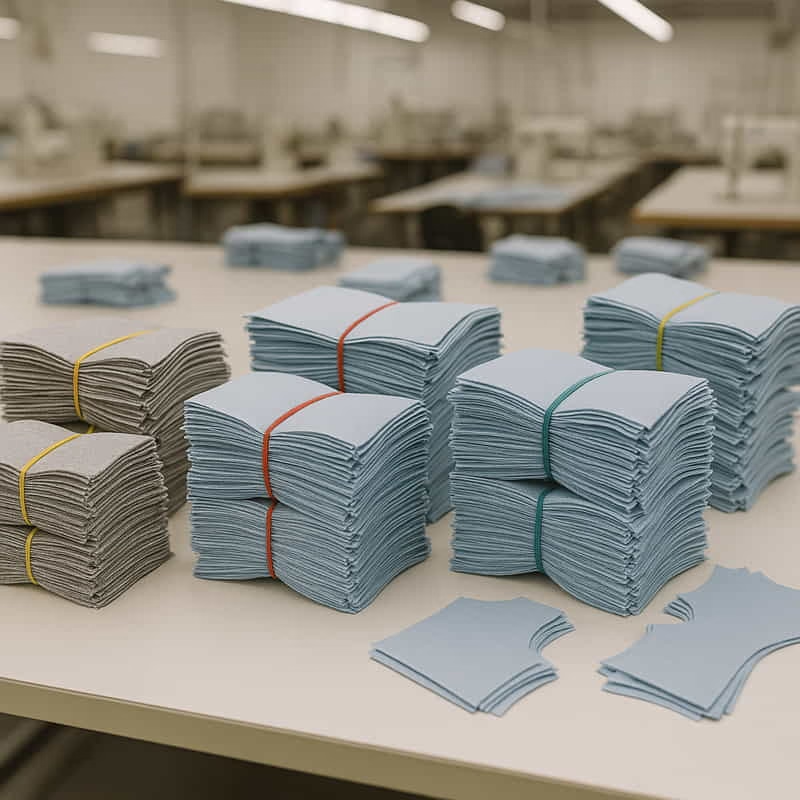
Bundling is the process of disassembling the stacked and cut pieces and reassembling them in production lots grouped by garment unit, colour dye lot, and number of garments.
Bundling in garment manufacturing Read More »

Cutting is the process which cut out the pattern pieces from specified fabric for making garments.Using the markers made from graded patterns and in accordance with the issue plan, fabrics are cut to prepare garment assembly. This is the major operation of the cutting room, of all of the operations in the cutting room this is the most decisive because once the fabric has been cut, very little can be done to rectify serious mistakes.
Fabric Cutting in Garment Manufacturing Read More »

Marking refers to the process of placing pattern pieces to maximize the number of patterns that can be cut out of a given piece of fabric in order to make garments.Pattern making is a highly skilled technique which calls for technical ability, sensitivity for design interpretation and a practical understanding of the process technology used by the factory.
Pattern Markings in Garment Manufacturing Read More »

Pattern Grading is the process whereby patterns of different sizes are produced from the original master pattern. This process can be performed manually or automatically by a computerized system. Patterns are graded according to size charts which present the sizes and the average measurements of the population group for which the garments are intended.
Pattern Grading in Garment Manufacturing Read More »
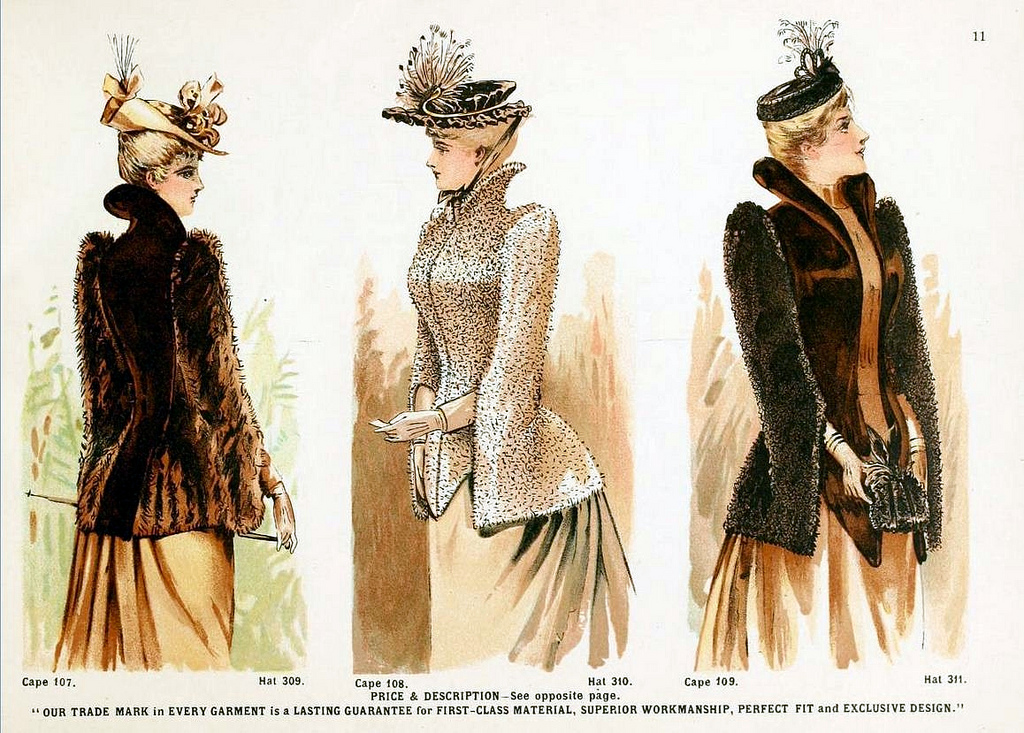
Garment designers begin to materialize their ideas using hand sketches, off-the-rack garments, technical drawings, three-dimensional draping on dress forms, or computer-aided design (CAD)
Product Design in Garment Manufacturing Read More »

A product or manufacturing specification should be used to test against when evaluating to check whether the product is correctly made. The manufacturing specification provides all the detailed information required to make the product.
Apparel Manufacturing Process Read More »
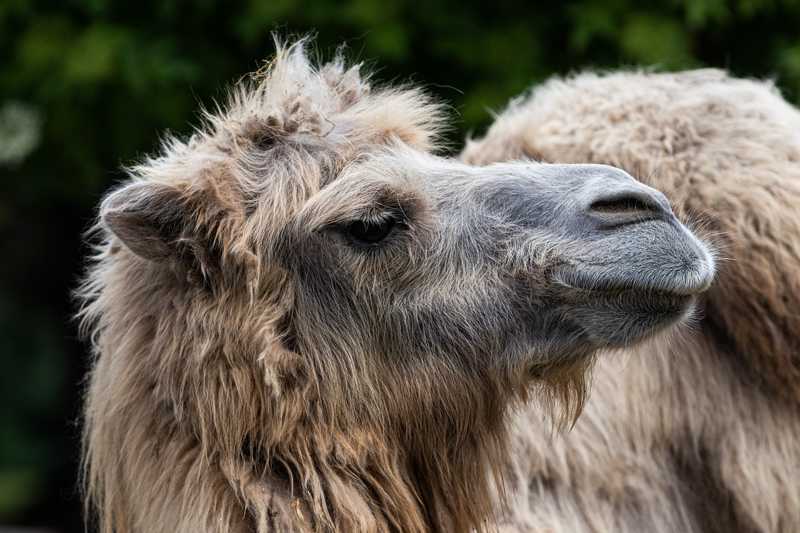
Alpaca, llama, cashmere, mohair, and camel hair fibers are luxurious natural fibers valued for their softness, warmth, and versatility in textiles. Used in high-end apparel and home textiles, these fibers offer unique properties while posing environmental and ethical considerations, making them key players in sustainable luxury textile manufacturing.
Hair Fibers: Alpaca, Llama, Cashmere, Mohair, and Camel in Textile Manufacturing Read More »

Sheep and Merino wool fibers drive textile innovation by offering unmatched comfort, durability, and sustainability. This comprehensive guide explores the evolution, processing techniques, quality control measures, and emerging digital technologies in wool production. It delves into economic trends, environmental impacts, and career opportunities, highlighting the crucial role of sustainable practices and advanced digital integration in shaping the future of wool textiles.
Sheep/Merino Wool Fibers Read More »