Angora wool is the long, silky underwool of the Angora rabbit, a rare, lightweight luxury fiber of 12–16 microns that gives garments a soft halo. It is very warm and contains no lanolin, but its low elasticity and tendency to shed or mat mean it is often blended with wool or nylon. The fiber is harvested by shearing, combing or plucking, and live-plucking has drawn criticism on animal-welfare grounds.
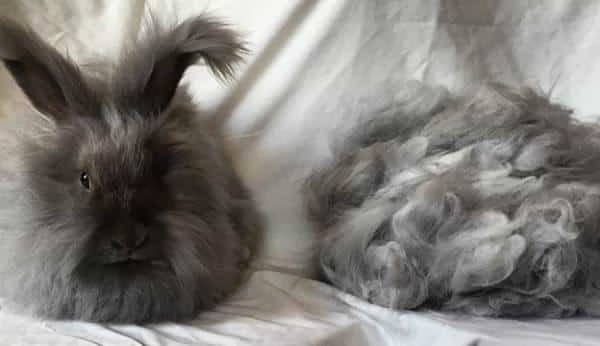
Angora wool, or rabbit fiber, is one of the most refined natural fibers used in the textile industry. It comes from Angora rabbits, which have been bred specifically for their long, silky underwool. Known for its softness, warmth, and the beautiful halo effect it gives garments, Angora is a true luxury—though one with ethical considerations.
1. Origin of Angora Wool: The Rabbit Behind the Fiber
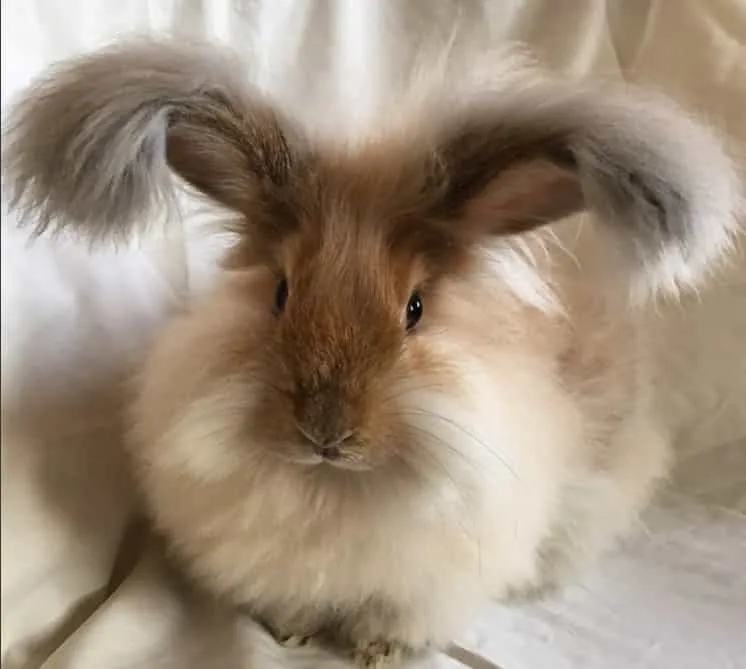
The Angora rabbit is thought to have originated in Ankara (formerly Angora), Turkey, and was introduced to Europe in the 18th century. There are four main breeds used for wool production:
- English Angora – Known for ultra-soft wool and facial fluff
- French Angora – Easier to maintain, coarser guard hairs
- Giant Angora – High-yield breed, developed in the U.S.
- Satin Angora – Very fine and shiny fiber, lower yield
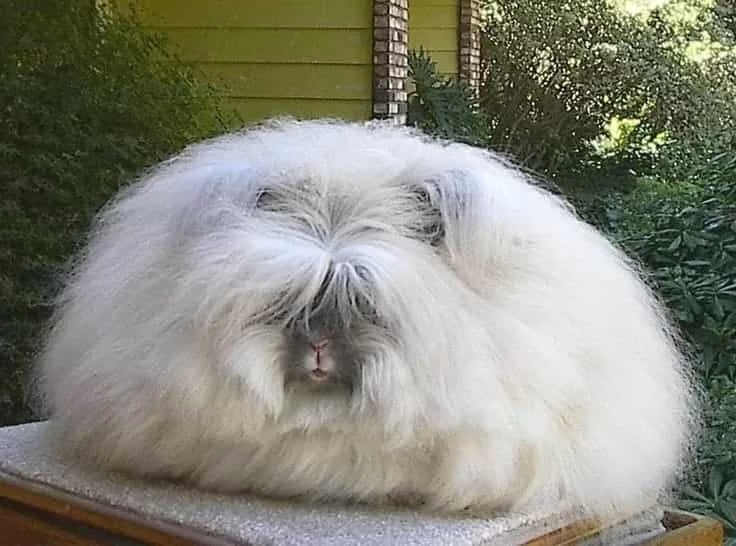
These rabbits produce wool throughout the year, which can be harvested by plucking, combing, or shearing, depending on breed and husbandry method.
2. Properties of Angora Fiber
Angora wool is appreciated not only for its touch but also for its thermal and aesthetic properties.
| Property | Details |
|---|---|
| Fiber Diameter | 12–16 microns (finer than cashmere) |
| Warmth | ~7–8 times warmer than sheep wool |
| Texture | Extremely soft, fluffy, silky |
| Sheen | Lustrous, with a “halo” when spun |
| Elasticity | Low – often blended with wool or nylon |
| Hypoallergenic | No lanolin, so less allergenic than wool |
| Moisture Wicking | Excellent |
| Lightness | Very light and insulating |
3. Angora Wool vs Other Rare Fibers
| Fiber | Softness | Warmth | Durability | Elasticity | Shrink Resistance |
|---|---|---|---|---|---|
| Angora | ★★★★★ | ★★★★★ | ★★☆☆☆ | ★★☆☆☆ | ★☆☆☆☆ |
| Qiviut (Musk-ox) | ★★★★★ | ★★★★★ | ★★★★☆ | ★★★☆☆ | ★★★★★ |
| Cashmere | ★★★★☆ | ★★★★☆ | ★★★☆☆ | ★★★☆☆ | ★★☆☆☆ |
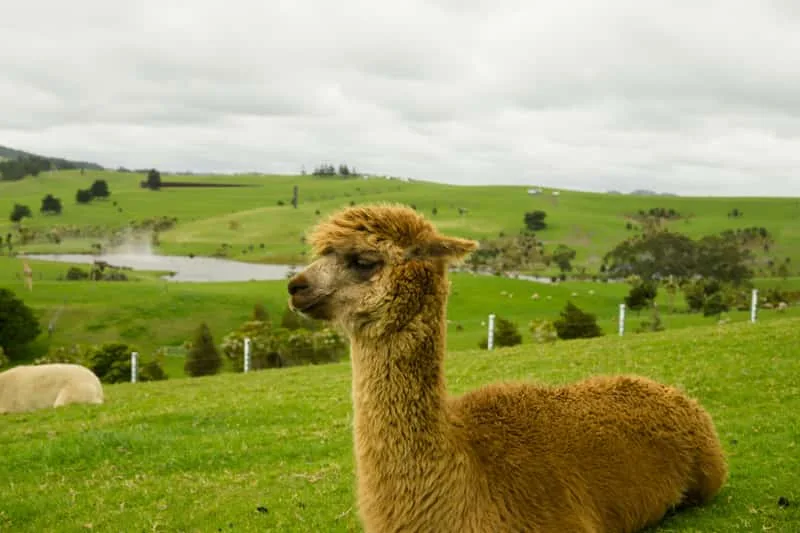
| Alpaca | ★★★★☆ | ★★★★☆ | ★★★★☆ | ★★★☆☆ | ★★★☆☆ |
Angora’s softness and warmth are unmatched, but its low elasticity and tendency to shed or mat make it better suited for delicate garments.
4. Ethical Considerations in Angora Production
Angora production has received criticism in the past, especially regarding live-plucking practices in some mass-production countries. Ethical concerns include:
- Stress and pain during plucking
- Poor living conditions
- Overbreeding in cramped cages
In response, many fashion brands banned Angora temporarily in the 2010s.
Ethical sourcing is now available from:
- Small farms using hand-shearing or combing techniques
- Certified cruelty-free producers
- Domestic/hobby farms in the U.S., U.K., and France
Consumers should look for certified humane Angora or support local artisans for ethically sourced fiber.
5. Harvesting and Yield
Angora rabbits produce fiber every 90–120 days. On average:
- English/French Angoras: 10–16 oz per year
- Giant Angoras: 1–1.5 lb per year
Fiber is collected by:
- Plucking: For naturally molting rabbits (less common now due to ethics)
- Shearing: Quick and humane, reduces matting risk
- Combing: Gentle but time-consuming
6. Uses of Angora Fiber
Due to its softness and thermal insulation, Angora is ideal for:
- Sweaters
- Scarves
- Socks and mittens
- Baby garments
- Luxury blends with wool, cashmere, or silk
Pure Angora is often reserved for small-scale or high-end handmade products.
7. Care and Maintenance
Angora is delicate and needs gentle handling:
- Hand-wash only, cold water
- Use mild detergent, no agitation
- Lay flat to dry
- Store in sealed containers (moths love it!)
Due to its tendency to shed and felt, garments should be used with care.
8. Cultural and Niche Value
- Hand spinners and knitters treasure Angora for its rarity and softness.
- In some East Asian and European traditions, Angora is a status symbol.
- It’s often used in healing or therapeutic garments due to its warmth.
Conclusion
Angora rabbit fiber represents the intersection of luxury and responsibility. While it offers unmatched softness and insulation, ethical concerns have reshaped the way we source and use this fiber. When ethically harvested, Angora is a testament to humane luxury and artisanal craftsmanship in textiles.
Citations & References:
- American Rabbit Breeders Association (ARBA) – Angora Rabbit Breed Standards
- PETA Reports on Angora Practices – 2013–2022
- Interweave Press – “The Spinner’s Book of Rare Fibers”
- Ethical Angora Farm Certifications – Global Animal Partnership
- The Textile Institute – Natural Animal Fibers Overview
- European Commission Reports – Sustainable Animal Fiber Production
- International Wool Textile Organization (IWTO) – Specialty Fiber Reports