
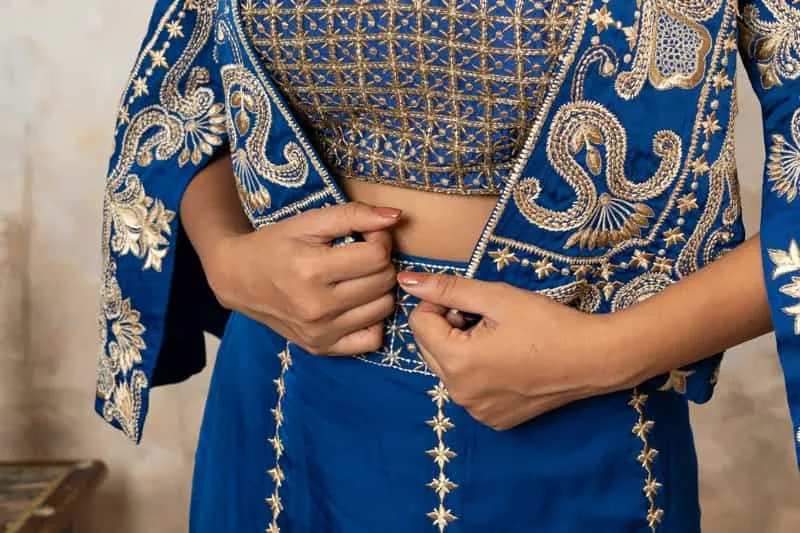
Trims and accessories are the supplementary components added to a garment to improve its function, appearance or structure. Trims such as buttons, zippers, ribbons and elastic fasten garments or reinforce seams; accessories such as patches, beads and embroidery add decoration; labels and tags carry care, size and brand information. Sustainable options include buttons of wood or coconut shell in place of plastic, and biodegradable threads.
Introduction to Trims and Accessories in Garment Making
Trims and accessories are the unsung heroes of garment making, transforming basic fabrics into functional, aesthetically pleasing, and sustainable clothing. From buttons and zippers to labels and embroidery, these elements enhance the design, durability, and utility of garments. In the context of sustainable fashion, trims and accessories are evolving to incorporate eco-friendly materials, innovative technologies, and ethical production practices. By aligning with principles of circular economy, they reduce waste and environmental impact while supporting artisan communities. This article examines the types, roles, and sustainable innovations of trims and accessories, their integration with other sustainable textile practices, and their transformative potential in the global and Indian fashion industries.
Understanding Trims and Accessories
Trims and accessories refer to the supplementary components added to garments to enhance their functionality, aesthetics, or structural integrity. Trims include elements like buttons, zippers, ribbons, and elastic, which serve practical purposes such as fastening or reinforcing seams. Accessories, such as patches, beads, and embroidery, add decorative flair, elevating the visual appeal of clothing. These components are integral to garment construction, affecting both the wearer’s experience and the garment’s marketability.
In sustainable fashion, trims and accessories are increasingly designed with eco-friendly materials and ethical production methods. For example, buttons made from natural materials like wood or coconut shells replace plastic, while biodegradable threads reduce environmental impact. In India, traditional embellishments like zari embroidery and handcrafted beads blend cultural heritage with modern sustainability goals, making trims and accessories a focal point for innovation.
Types of Trims and Accessories
Trims and accessories encompass a wide range of components, each serving specific purposes:
| Type | Examples | Functionality |
|---|---|---|
| Fasteners | Buttons, zippers, hooks, snaps | Secure garments, enable adjustability |
| Structural Trims | Elastic, piping, interfacing, shoulder pads | Reinforce seams, enhance fit and shape |
| Decorative Trims | Ribbons, lace, braid, piping | Add aesthetic appeal, texture |
| Accessories | Beads, sequins, embroidery, patches | Enhance visual design, personalization |
| Labels and Tags | Care labels, brand tags, size labels | Provide information, branding |
Fasteners like zippers and buttons ensure ease of wear, while structural trims like elastic improve fit and comfort. Decorative trims and accessories, such as lace or hand-embroidered motifs, add individuality, particularly in India’s vibrant textile traditions. Labels provide essential information, with eco-friendly options now using recycled or biodegradable materials.
Roles in Garment Making
Trims and accessories serve multiple roles in garment making:
- Functionality: Fasteners and structural trims ensure garments are practical and durable, enabling ease of use and longevity.
- Aesthetics: Decorative trims and accessories, like embroidery or sequins, enhance visual appeal, making garments stand out in competitive markets.
- Branding: Labels and tags reinforce brand identity, with sustainable brands using eco-friendly materials to align with their values.
- Sustainability: Eco-friendly trims, such as biodegradable buttons or recycled zippers, reduce environmental impact and support circular economy principles.
- Cultural Significance: In India, traditional trims like Kantha embroidery or mirror work add cultural value, preserving heritage while appealing to global markets.
These roles make trims and accessories critical to creating garments that are functional, beautiful, and sustainable.
Sustainable Innovations in Trims and Accessories
Sustainability is reshaping the design and production of trims and accessories:
- Eco-Friendly Materials: Buttons made from natural materials like bamboo, coconut shells, or corozo nuts replace plastic, reducing non-biodegradable waste. Recycled metal zippers and biodegradable threads are also gaining traction.
- Ethical Production: Fair trade cooperatives in India produce handcrafted trims like zari embroidery, ensuring fair wages and safe working conditions for artisans.
- Biodegradable Trims: Threads and labels made from organic cotton or PLA (polylactic acid) decompose naturally, minimizing environmental impact.
- Recycled Accessories: Patches and beads crafted from upcycled fabrics or recycled glass reduce waste, aligning with circular economy goals.
- Low-Impact Manufacturing: Techniques like waterless dyeing for ribbons or laser-cutting for precise trims reduce resource consumption and pollution.
In India, brands like Anokhi use hand-block printed trims from upcycled fabrics, blending sustainability with traditional craftsmanship.
Integration with Other Sustainable Textile Practices
Trims and accessories integrate with other sustainable textile practices to create holistic, eco-friendly solutions:
- Upcycling: Upcycled fabric scraps are transformed into decorative trims like patches or piping, reducing textile waste. In India’s Garo Hills, artisans use upcycled materials for embroidered accessories, supporting local economies.
- Biodegradable Textiles: Trims like biodegradable buttons or threads complement biodegradable fabrics like hemp or lyocell, ensuring garments decompose naturally.
- Antimicrobial Treatments: Trims like buttons or zippers can be coated with natural antimicrobial agents like neem, enhancing hygiene in medical or activewear garments.
- Ethical Sourcing and Fair Trade: Ethically sourced trims, such as handwoven ribbons from fair trade cooperatives, ensure fair labor practices and environmental stewardship.
- Life Cycle Assessment (LCA): LCA evaluates the environmental impact of trims, guiding the selection of sustainable materials like recycled zippers or organic threads.
- Smart Textiles: Trims like conductive threads or sensor-embedded buttons enable smart functionalities, such as health monitoring, in wearable technology.
- Nanotechnology: Nano-coated trims, such as water-repellent zippers or antimicrobial beads, enhance functionality while maintaining sustainability.
- Functional Medical Textiles: Trims like antimicrobial zippers or biodegradable sutures enhance the performance of medical garments, supporting infection control and sustainability.
This integration ensures that trims and accessories contribute to both the functionality and sustainability of garments.
Applications Across Industries
Trims and accessories are applied across various sectors of the textile industry:
- Fashion: Decorative trims like lace and embroidery add elegance to haute couture and ready-to-wear garments. Sustainable brands use eco-friendly beads and recycled ribbons to appeal to eco-conscious consumers.
- Medical Textiles: Antimicrobial zippers and biodegradable sutures enhance hygiene and sustainability in surgical gowns and implantable devices.
- Sportswear: Elastic bands and moisture-wicking trims improve fit and performance in athletic wear, with brands like Adidas using recycled materials.
- Workwear: Reinforced trims like heavy-duty zippers and reflective piping enhance durability and safety in industrial uniforms.
- Home Textiles: Decorative trims like tassels or piping add flair to curtains and upholstery, with eco-friendly options reducing environmental impact.
In India, traditional trims like zari and mirror work are used in both fashion and home textiles, blending cultural heritage with modern sustainability.
Challenges in Sustainable Trims and Accessories
Adopting sustainable trims and accessories faces several challenges:
- Cost: Eco-friendly materials like biodegradable buttons or recycled zippers are often more expensive, impacting affordability in mass markets.
- Scalability: Producing sustainable trims at scale, particularly handcrafted ones, is challenging due to limited infrastructure in regions like India.
- Durability: Biodegradable trims must balance eco-friendliness with durability to withstand wear and washing.
- Consumer Awareness: Many consumers prioritize aesthetics or price over sustainability, requiring education to drive demand for eco-friendly trims.
- Supply Chain Transparency: Tracing the origin of trims, especially in complex global supply chains, is difficult, complicating ethical sourcing efforts.
In India, where small-scale artisans dominate, access to sustainable materials and technology is a barrier, but local initiatives are addressing these challenges.
Opportunities for Innovation
The challenges of sustainable trims and accessories present opportunities for innovation:
- Material Innovation: Developing biodegradable alternatives, such as PLA-based zippers or hemp threads, reduces environmental impact.
- Digital Manufacturing: Technologies like 3D printing and laser-cutting enable precise, low-waste production of trims, improving scalability.
- Artisan Empowerment: In India, fair trade cooperatives are training artisans to produce sustainable trims, blending traditional skills with modern technology.
- Circular Design: Modular trims, like detachable buttons or reusable zippers, facilitate recycling and repair, extending garment lifecycles.
- Consumer Education: Campaigns highlighting the benefits of sustainable trims can shift consumer preferences, driving demand.
In India, startups like Doodlage are innovating with upcycled trims, while organizations like SEWA empower women artisans to create eco-friendly accessories.
Case Studies: Global and Indian Innovations
Globally, brands like Patagonia use recycled polyester threads and metal zippers in their garments, aligning with their commitment to sustainability. Stella McCartney incorporates biodegradable beads and organic cotton labels, setting a benchmark for eco-friendly fashion.
In India, Anokhi produces hand-block printed trims from upcycled fabrics, supporting artisans while reducing waste. Fabindia integrates sustainable trims like wooden buttons and handwoven ribbons into khadi garments, blending tradition with eco-conscious design. The Better Cotton Initiative (BCI) promotes ethically sourced threads, reducing the environmental impact of cotton-based trims. These initiatives highlight India’s potential to lead in sustainable trims and accessories.
Integration with Other Sustainable Practices
The synergy between trims and accessories and other sustainable practices enhances their impact:
- Upcycling: Upcycled trims, like patches from fabric scraps, reduce waste while adding unique design elements, as seen in Indian artisanal cooperatives.
- Biodegradable Textiles: Biodegradable trims complement eco-friendly fabrics, ensuring that entire garments are compostable.
- Antimicrobial Treatments: Trims with neem-based coatings enhance hygiene in medical and activewear applications, aligning with India’s traditional practices.
- Ethical Sourcing and Fair Trade: Ethically sourced trims from fair trade cooperatives support artisan livelihoods and sustainable production.
- Life Cycle Assessment (LCA): LCA guides the selection of low-impact trims, such as recycled buttons, to minimize environmental footprints.
- Smart Textiles and Nanotechnology: Conductive threads and nano-coated zippers enable smart functionalities, such as health monitoring, in wearable technology.
- Functional Medical Textiles: Antimicrobial trims and biodegradable sutures enhance the performance of medical garments, supporting infection control.
This integration creates a comprehensive approach to sustainable garment making, maximizing both functionality and eco-friendliness.
The Future of Trims and Accessories
The future of trims and accessories in garment making is promising, driven by technological advancements and consumer demand for sustainability. Innovations like 3D-printed biodegradable buttons and smart conductive threads will enhance functionality while reducing environmental impact. Digital platforms, such as blockchain, will improve supply chain transparency, ensuring ethical sourcing of trims.
In India, the integration of traditional techniques like zari and Kantha embroidery with sustainable materials offers significant potential. Affordable, eco-friendly trims can enhance the global competitiveness of Indian textiles, particularly in fashion and medical applications. Consumer education and eco-labeling will drive demand, while policy support, such as incentives for sustainable production, will accelerate innovation.
Conclusion
Trims and accessories are vital to garment making, enhancing functionality, aesthetics, and sustainability. From biodegradable buttons to handcrafted embroidery, these components are evolving to meet the demands of eco-conscious consumers. By integrating with sustainable practices like upcycling, biodegradable textiles, antimicrobial treatments, ethical sourcing, LCA, smart textiles, nanotechnology, and functional medical textiles, trims and accessories contribute to a circular economy. Despite challenges like cost and scalability, innovations in materials and manufacturing are paving the way for a sustainable future. In India, the fusion of traditional craftsmanship with modern technology positions trims and accessories as key drivers of sustainable fashion, transforming the industry globally.
Citations
- Ellen MacArthur Foundation. A New Textiles Economy: Redesigning Fashion’s Future. 2017, www.ellenmacarthurfoundation.org/publications/a-new-textiles-economy-redesigning-fashions-future.
- Fletcher, Kate. Sustainable Fashion and Textiles: Design Journeys. Routledge, 2014.
- Global Organic Textile Standard. GOTS Standard. www.global-standard.org/the-standard. Accessed 15 July 2025.
- Better Cotton Initiative. Our Impact. bettercotton.org/our-impact. Accessed 15 July 2025.







Very detailed and explanatory, quite helpful.
I NEED TO BUY A SHOULDER TAPE 10 ROLLS WHITE AND 8 BLACK 8mm.