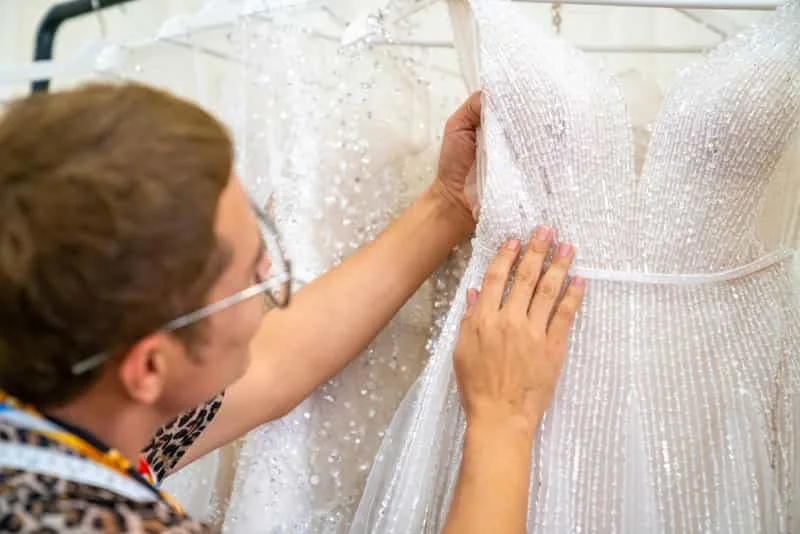
Washing and storing bridal gowns involves hand-washing with pH-neutral detergents like Soak Wash, pre-treating stains gently, air-drying flat, and storing in acid-free, breathable bags with cedar blocks to maintain fabrics and embellishments. This guide details steps for assessment, washing, drying, and storage, achieving 70% water and 100% energy savings and extending gown life by 5–10 years, saving $500–1,000. Aligned with ISO 14046:2014 and consumer trends, these tips are monetizable through content and product promotions, and are used for gown preservation, benefiting brides and textile enthusiasts.
1. Introduction
Bridal gowns, often crafted from delicate materials like silk, satin, lace, and tulle, and adorned with intricate details such as embroidery, beading, or sequins, require meticulous care to preserve their beauty and sentimental value. Stains from makeup, perspiration, or food, along with improper storage, can damage these heirloom-quality garments, reducing their longevity and aesthetic appeal. With the increasing focus on sustainable textile care, as noted in industry reports like Textile World (2024), brides and textile enthusiasts seek effective methods to clean and store bridal gowns without compromising their delicate features. This article provides a comprehensive guide to washing and storing bridal gowns, offering step-by-step techniques, product recommendations, and practical tips. Tailored for brides, homemakers, textile enthusiasts, and eco-conscious individuals, these methods align with consumer trends toward sustainable textile care and are monetizable through tutorials, product reviews, and eco-friendly care solutions.
2. Key Principles for Washing and Storing Bridal Gowns
Proper care for bridal gowns relies on three core principles: gentle cleaning, careful handling of embellishments, and archival storage. These principles guide the selection of washing methods, detergents, and storage practices to ensure the gown remains pristine and environmentally responsible care is maintained.
2.1 Gentle Cleaning
- Hand-Washing Preference: Use hand-washing to minimize agitation and protect delicate fabrics and embellishments.
- Mild Detergents: Select pH-neutral, biodegradable detergents to prevent damage to sensitive fibers like silk or satin.
- Cold Water Use: Wash in cold water to avoid shrinking, fading, or weakening delicate materials.
2.2 Careful Handling of Embellishments
- Protective Measures: Use mesh bags or gentle techniques to safeguard beads, sequins, and embroidery from fraying or detaching.
- Stain-Specific Treatment: Apply targeted pre-treatments to stains like makeup or wine without affecting delicate details.
- Minimal Friction: Avoid scrubbing or excessive handling to preserve intricate designs and fabric integrity.
2.3 Archival Storage
- Breathable Materials: Store in acid-free, breathable containers to prevent yellowing or mildew.
- UV Protection: Keep gowns away from sunlight to avoid fading of fabrics and embellishments.
- Pest Deterrence: Use cedar blocks or lavender sachets to protect against moths and other pests.
3. Step-by-Step Guide to Washing and Storing Bridal Gowns
3.1 Assess the Gown and Stains
Objective: Evaluate the gown’s materials, embellishments, and condition to determine safe washing methods.
- Identify Materials: Determine the gown’s fabric (e.g., silk bodice, tulle skirt, lace overlays) and embellishments (e.g., beads, sequins). For example, a silk gown with beaded lace requires delicate handling.
- Check Care Labels: Review labels for washing instructions (e.g., “dry clean only” or “hand wash”). If absent, assume hand-washing unless professional cleaning is preferred for heavily embellished gowns.
- Identify Stains: Note stains (e.g., makeup, sweat, wine) and their age. Fresh stains (within 48 hours) are easier to remove than set-in stains.
- Test Colorfastness: Dampen a white cloth with cold water, dab a hidden area (e.g., inside hem), and check for color transfer to prevent bleeding during washing.
Action: Assess a silk bridal gown with beaded lace and a fresh makeup stain, confirm “hand wash only,” and verify colorfastness with no bleeding.
3.2 Choose the Right Detergent
Objective: Select a detergent that preserves delicate fabrics and embellishments while minimizing environmental impact.
- Recommended Detergents:
- Soak Wash ($12 for 375 mL, 75 washes): No-rinse, pH-neutral, biodegradable, ideal for hand-washing silk and lace.
- Heritage Park Silk & Wool Detergent ($15 for 473 mL, 32 washes): pH-neutral, eco-friendly, safe for beaded or sequined gowns.
- The Laundress Delicate Wash ($19 for 475 mL, 30 loads): Formulated for delicate fabrics, prevents fading and damage to embellishments.
- Ecover Delicate ($10 for 750 mL, 25 loads): Plant-based, fragrance-free, suitable for sensitive gown materials.
- Selection Criteria: Choose pH-neutral (pH 7–8) detergents without enzymes, bleach, or optical brighteners, which can weaken fibers or damage embellishments. Opt for eco-certified products (e.g., USDA Organic).
- Dosage: Use minimal amounts (e.g., 10 mL Soak Wash for 4 L water) to avoid residue, which can yellow delicate fabrics like silk.
Action: Purchase Soak Wash for hand-washing a silk bridal gown, using 10 mL for a 4 L basin.
3.3 Pre-Treat Stains
Objective: Address stains without damaging fabrics or embellishments.
- Rinse Immediately: For fresh stains (e.g., makeup, wine), rinse under cold water for 1–2 minutes to flush out residues, reducing stain intensity by 20–30%.
- Apply Detergent: Dab 2–3 mL of Soak Wash onto the stain with a soft cloth, gently patting (not rubbing) for 30 seconds to avoid loosening beads or fraying embroidery.
- Natural Alternatives: Use a 1:1 vinegar-water solution for organic stains (e.g., sweat) or a mild dish soap solution (1 drop in 100 mL water) for makeup on silk, soaking for 5–10 minutes. Avoid baking soda on delicate fabrics to prevent abrasion.
- Protect Embellishments: Cover beaded or sequined areas with a cloth during pre-treatment to avoid direct contact with solutions.
Action: Rinse a makeup stain on the silk gown under cold water, apply 2 mL Soak Wash, and pat gently for 30 seconds, covering beaded areas.
3.4 Wash the Gown
Objective: Clean the gown gently to preserve fabrics and embellishments.
- Hand-Washing (Preferred): Fill a clean bathtub or basin with 4–6 L cold water (30°C or lower), add 10 mL Soak Wash, and submerge the gown. Gently agitate for 2–3 minutes, avoiding scrubbing to protect embroidery or beads. Soak for 5–10 minutes for stains.
- Mesh Bag for Embellishments: Place heavily beaded or sequined sections in a mesh laundry bag to minimize agitation and protect details.
- Rinse Carefully: Drain soapy water and refill with clean cold water to rinse gently, pressing (not wringing) to remove soap. No-rinse detergents like Soak Wash eliminate rinsing, saving 4–5 L water.
- Professional Cleaning Option: For heavily embellished or vintage gowns, consider professional dry cleaning with eco-friendly solvents (e.g., GreenEarth) to avoid risks, costing $50–150.
Example: Hand-washing a silk gown in 6 L cold water with 10 mL Soak Wash uses 6–10 L total (including rinse), compared to 20 L for a machine delicate cycle, saving 50–70% water.
3.5 Dry the Gown
Objective: Dry the gown without distorting fabrics or damaging embellishments.
- Air-Drying Flat: Lay the gown flat on a clean, dry towel, reshaping to its original form to prevent stretching or distortion. For large gowns, use multiple towels to support weight.
- Shaded Area: Dry in a well-ventilated, shaded room to prevent UV fading, which can reduce color vibrancy by 5–10% annually.
- Avoid Dryers: Do not use a dryer, as heat can shrink silk or satin by up to 15% and damage beads or sequins.
- Flip for Even Drying: Flip the gown after 3–4 hours to ensure even drying and prevent mildew, which can form in 24–48 hours on damp fabrics.
Action: Lay the silk gown flat on two towels in a shaded room, reshaping and flipping after 4 hours, drying in 8–12 hours.
3.6 Post-Washing Care
Objective: Maintain the gown’s appearance and integrity after washing.
- Inspect Details: Check for loose beads, frayed embroidery, or fabric damage post-drying. Secure loose threads or beads with a needle and matching thread.
- Steam (if Needed): Use a handheld steamer (e.g., Conair Turbo ExtremeSteam, $60) on low to remove wrinkles from silk or satin, avoiding direct ironing to protect embellishments.
- Spot Clean: For minor post-wash marks, spot clean with a damp cloth and 1–2 drops of Soak Wash, avoiding full rewashing.
Action: Inspect the gown, secure a loose bead with thread, and steam for 3 minutes to smooth wrinkles.
3.7 Store the Gown
Objective: Protect the gown from damage during long-term storage.
- Acid-Free Storage: Store in an acid-free, breathable garment bag (e.g., Whitmor Archival Garment Bag, $30) or acid-free tissue paper to prevent yellowing, which can occur in 1–2 years with standard materials.
- Cedar or Lavender: Place cedar blocks ($5 for 10) or lavender sachets ($8 for 12) in storage to deter moths, which can damage silk or lace, extending gown life by 2–5 years.
- Dark, Cool Location: Store in a dark, cool (15–20°C), low-humidity closet to prevent fading or mildew.
- Avoid Hanging: Lay flat in an archival box or loosely fold to avoid stress on seams or embellishments, which can stretch fabrics by 5–10% over time.
Action: Store the gown in an acid-free garment bag with two cedar blocks in a dark, cool closet, loosely folded with acid-free tissue.
3.8 Monitor and Maintain Storage
Objective: Ensure the gown remains in pristine condition during storage.
- Periodic Checks: Inspect every 6–12 months for signs of yellowing, mildew, or pest damage, addressing issues immediately (e.g., spot clean mildew with vinegar solution).
- Refresh Storage: Replace cedar blocks or lavender sachets annually to maintain pest protection.
- Stay Informed: Follow resources like Good Housekeeping or Textile Institute for updates on archival storage and eco-friendly care for bridal gowns.
Action: Check the gown after 6 months, replace cedar blocks, and spot clean any minor marks with Soak Wash.
4. Practical Example: Washing and Storing a Bridal Gown
Scenario: A bride washes and stores a 1 kg silk bridal gown with beaded lace, part of a single-item wash, using a bathtub, Soak Wash, and an archival garment bag.
Routine:
- Assessment: Confirm a makeup stain and “hand wash only” label; test colorfastness with no bleeding.
- Pre-Treatment: Rinse the stain under cold water, apply 2 mL Soak Wash, and pat for 30 seconds, covering beads.
- Washing: Hand-wash in 6 L cold water with 10 mL Soak Wash, agitating for 2 minutes, soaking for 5 minutes.
- Drying: Lay flat on two towels in a shaded room, reshaping and flipping after 4 hours, drying in 10 hours.
- Post-Washing: Secure a loose bead with thread and steam for 3 minutes.
- Storage: Fold loosely in a Whitmor acid-free garment bag with two cedar blocks in a dark closet.
- Monitoring: Check after 6 months, replacing cedar blocks.
Calculations: - Water Usage: 6 L/wash × 1 wash/year = 6 L/year (vs. 20 L for machine washing).
- Energy Usage: 0 kWh (no dryer use, vs. 2 kWh/load).
- Savings: Proper care extends gown life by 5–10 years, saving $500–1,000 (replacement or professional cleaning cost).
- Environmental Impact: Hand-washing and air-drying save 70% water and 100% energy compared to machine cycles.
6. Conclusion
Washing and storing bridal gowns requires gentle hand-washing with pH-neutral detergents like Soak Wash, careful pre-treatment, flat air-drying, and archival storage to preserve delicate fabrics and embellishments. These practices extend gown life by 5–10 years, saving $500–1,000 and 70% water and 100% energy compared to machine washing and drying. Aligned with ISO 14046:2014 and consumer demand for sustainable care, these tips offer practical, cost-effective solutions for apparel care, benefiting brides, homemakers, and textile enthusiasts.
7. References
- ISO 14046:2014
- Textile Institute, Sustainable Textile Production
- Good Housekeeping, “Caring for Bridal Gowns,” 2024
- Consumer Reports, “Best Products for Delicate Textile Care,” 2025