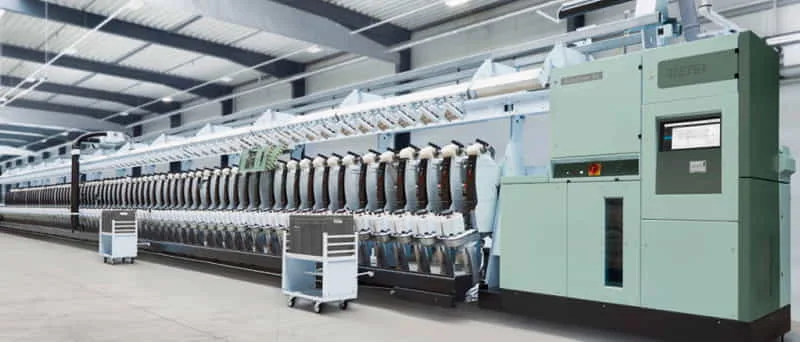
The lap former process in yarn spinning consolidates carded slivers into a uniform lap, preparing fibers for the combing process. Key objectives include sliver consolidation, uniform lap formation, fiber alignment, and quality control, ensuring high-quality yarn production. This article explores the lap former process, its significance, and operational mechanisms in textile manufacturing.
Introduction
The lap former process is a crucial intermediate stage in yarn spinning, bridging carding and combing processes in the production of high-quality combed yarn. This process involves consolidating multiple carded slivers into a uniform lap—a compact, continuous sheet of fibers—suitable for feeding into the combing machine. The lap former enhances fiber alignment and uniformity, directly impacting the quality of the final yarn. This article details the objectives, mechanisms, and significance of the lap former process in textile manufacturing [1].
Objectives of the Lap Former Process
The lap former process serves several critical functions to prepare carded slivers for combing. These objectives are outlined below:
1. Sliver Consolidation
The primary objective of the lap former is to consolidate multiple carded slivers—typically 16 to 32—into a single, cohesive lap. This process involves feeding slivers through a drafting system, where they are combined and compacted into a uniform sheet. Sliver consolidation ensures a consistent fiber mass, which is essential for effective combing and subsequent yarn production [2].
2. Uniform Lap Formation
Producing a uniform lap with consistent thickness and weight is a key objective. The lap former employs drafting rollers and calender rollers to regulate sliver tension and compress the fibers into a lap of uniform density. This uniformity is critical for ensuring even combing, which removes short fibers and impurities, resulting in smoother and stronger yarn.
3. Fiber Alignment
The lap former process enhances fiber alignment by drafting and parallelizing fibers as slivers are combined. Improved alignment ensures that fibers are oriented in a parallel configuration, facilitating efficient combing and reducing fiber breakage. Proper fiber alignment contributes to the strength and uniformity of the final yarn [1].
4. Quality Control
Quality control is an essential objective, as the lap former removes minor irregularities in the slivers and ensures a clean, consistent lap. Modern lap formers are equipped with sensors and monitoring systems to detect variations in sliver thickness or density, allowing for adjustments to maintain quality. This process minimizes defects in the lap, ensuring high-quality input for the combing stage.
Importance of the Lap Former Process
The lap former process is integral to producing high-quality combed yarn, as it directly influences the efficiency of the combing stage. Sliver consolidation and uniform lap formation ensure consistent material for combing, while fiber alignment enhances yarn strength and smoothness. Quality control mechanisms reduce defects, improving the overall quality of the yarn. Inadequate lap forming can lead to uneven laps, poor combing efficiency, and compromised yarn quality, making this process indispensable in textile manufacturing.
Key Components and Actions in the Lap Former Process
The lap former machine consists of several key components that facilitate its objectives:
- Sliver Feed Table: Aligns and feeds multiple carded slivers into the machine.
- Drafting Rollers: Regulate sliver tension and promote fiber alignment.
- Calender Rollers: Compress slivers into a uniform lap.
- Lap Winding Mechanism: Winds the lap onto a spool for transport to the combing machine.
- Monitoring Systems: Ensure consistent lap quality through sensors and controls.
These components work together to draft, consolidate, and wind slivers into a uniform lap, preparing them for combing.
Challenges and Considerations
Achieving the objectives of the lap former process requires addressing several challenges:
- Uneven Lap Formation: Variations in sliver tension or roller settings can lead to inconsistent laps, requiring precise calibration.
- Fiber Breakage: Excessive drafting may damage fibers, necessitating gentle handling.
- Sliver Irregularities: Inconsistent carded slivers can affect lap quality, requiring robust quality control.
- Machine Maintenance: Regular cleaning and maintenance are essential to prevent fiber buildup and ensure smooth operation.
Proper machine settings, routine maintenance, and adherence to manufacturer guidelines are critical to overcoming these challenges.
Conclusion
The lap former process is a vital step in yarn spinning, preparing carded slivers for combing through sliver consolidation, uniform lap formation, fiber alignment, and quality control. By producing a consistent, well-aligned lap, this process enhances the efficiency of combing and the quality of the final yarn. Leveraging specialized lap former machines and addressing operational challenges ensures optimal performance, making the lap former process a cornerstone of high-quality combed yarn production in textile manufacturing.