Polyolefin fibres, including polypropylene and polyethylene, are versatile manmade artificial textile fibres known for their strength, lightweight nature, and chemical resistance. This article explores their production, properties, applications in textiles, and environmental considerations, emphasizing their role in durable and cost-effective textile manufacturing.
Introduction
Polyolefin fibres, a class of manmade artificial textile fibres, are derived from polyolefin polymers, primarily polypropylene and polyethylene. These synthetic fibres are produced through polymerization of olefin monomers, offering unique properties such as high strength, lightweight structure, and resistance to chemicals and moisture. Widely used in textiles for their durability and cost-effectiveness, polyolefin fibres play a significant role in various applications, from apparel to industrial textiles. This article examines the production, properties, applications, and environmental implications of polyolefin fibres in textile manufacturing [1].
Production of Polyolefin Fibres
Polyolefin fibres are manufactured through a melt-spinning process, which involves the following steps:
- Polymerization: Olefin monomers (propylene or ethylene) are polymerized to form polypropylene or polyethylene resins.
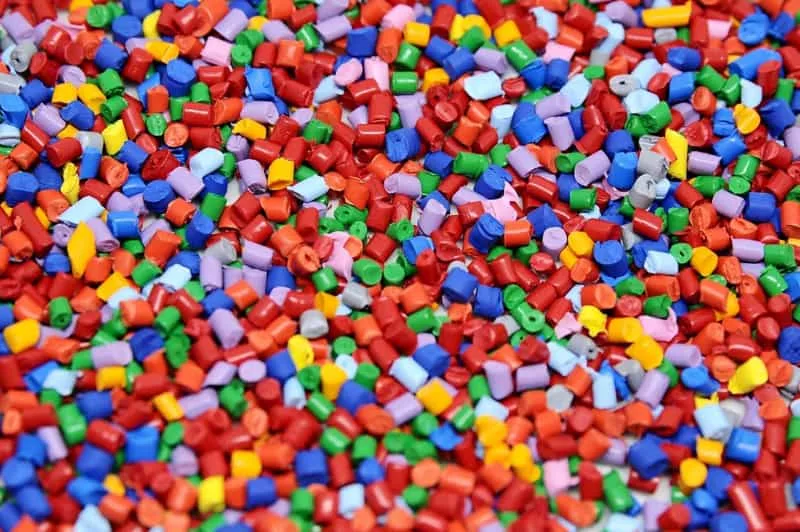
- Melt Spinning: The polymer resin is melted and extruded through spinnerets to form continuous filaments.
- Cooling and Solidification: The extruded filaments are cooled in air or water to solidify into fibres.
- Stretching and Orientation: Fibres are drawn to align polymer chains, enhancing strength and stability.
- Finishing: Fibres undergo treatments like texturing or cutting to meet specific textile requirements.
This efficient production process ensures polyolefin fibres are cost-effective and adaptable for various textile applications [2].
Properties of Polyolefin Fibres
Polyolefin fibres possess several distinctive properties that make them valuable in textile manufacturing:
- High Strength: Polyolefin fibres, particularly polypropylene, exhibit excellent tensile strength, making them suitable for durable textiles.
- Lightweight: With low density, these fibres are among the lightest synthetic fibres, enhancing comfort in applications like apparel.
- Chemical Resistance: They resist acids, alkalis, and most chemicals, ideal for industrial and outdoor textiles.
- Moisture Resistance: Polyolefin fibres have low moisture absorption, making them quick-drying and resistant to mildew.
- Non-Biodegradable: Unlike natural fibres, polyolefins are not biodegradable, posing environmental challenges.
- Low Thermal Resistance: These fibres have a low melting point, limiting their use in high-temperature applications.
These properties make polyolefin fibres versatile for both consumer and industrial textile applications.
Types of Polyolefin Fibres
The primary types of polyolefin fibres used in textiles are:
- Polypropylene Fibres: The most common polyolefin fibre, known for its strength, versatility, and cost-effectiveness, used in carpets, ropes, and apparel.
- Polyethylene Fibres: Including high-density polyethylene (HDPE) and ultra-high molecular weight polyethylene (UHMWPE), these fibres are used in high-performance applications like protective gear and geotextiles.
Each type is tailored to specific textile needs, with polypropylene dominating due to its widespread applicability.
Applications in Textile Manufacturing
Polyolefin fibres are employed in a wide range of textile applications due to their durability and cost-effectiveness:
- Carpets and Rugs: Polypropylene fibres are widely used in carpets for their stain resistance and durability.
- Geotextiles: Used in construction and landscaping for erosion control and soil stabilization due to their strength and chemical resistance.
- Apparel: Incorporated in activewear and outdoor clothing for their lightweight and moisture-resistant properties.
- Ropes and Nets: Polyolefin fibres are used in marine and industrial ropes for their strength and resistance to water.
- Medical Textiles: Employed in non-woven fabrics for disposable medical products like masks and gowns.
These applications highlight the adaptability of polyolefin fibres in diverse textile sectors [2].
Environmental and Economic Significance
Polyolefin fibres offer economic advantages due to their low production costs and versatility, making them a preferred choice for cost-sensitive textile applications. However, their non-biodegradable nature poses significant environmental challenges, contributing to plastic waste in landfills and oceans. Recycling initiatives and innovations in biodegradable polyolefin blends are being explored to mitigate these impacts. The development of sustainable production methods and recycling technologies is crucial to enhancing the environmental profile of polyolefin fibres.
Challenges and Considerations
Despite their advantages, polyolefin fibres face several challenges:
- Environmental Impact: Non-biodegradability necessitates improved recycling and waste management strategies.
- Low Thermal Resistance: Their low melting point limits use in high-temperature environments, requiring careful application selection.
- Dyeability: Polyolefin fibres have poor dye affinity, often requiring specialized dyeing techniques or pigments during production.
Addressing these challenges through technological advancements is essential for expanding their sustainability and applicability.
Conclusion
Polyolefin fibres, including polypropylene and polyethylene, are vital manmade artificial textile fibres valued for their strength, lightweight nature, and chemical resistance. Their applications in carpets, geotextiles, apparel, and medical textiles underscore their versatility in textile manufacturing. While economic benefits drive their widespread use, environmental challenges due to non-biodegradability highlight the need for sustainable innovations. Continued advancements in recycling and production technologies will further enhance the role of polyolefin fibres in modern textile industries.