The textile industry faces mounting pressure to reduce environmental impacts and embrace sustainable practices. Life Cycle Assessment (LCA) has emerged as a robust tool that evaluates the environmental performance of textile products across their entire lifespan. This article presents an in-depth exploration of LCA for textiles. We cover its history, technological evolution, data sourcing, breakthrough innovations, production process integration, challenges, real-world applications, and market impacts. By examining LCA from multiple perspectives, this guide helps industry professionals understand how sustainable practices drive competitiveness and long-term value.
LCA quantifies environmental impacts—from raw material extraction, manufacturing, use, to end-of-life disposal. It integrates energy consumption, water usage, greenhouse gas emissions, and waste generation. Standardized frameworks from organizations like ISO and the European Commission have advanced LCA methodologies. These tools empower textile companies to optimize production, reduce waste, and enhance resource efficiency. Continuous improvement in LCA processes fosters transparency and enables stakeholders to make data-driven decisions that support sustainable growth.
1. Introduction to Life Cycle Assessment in Textiles
Life Cycle Assessment provides a systematic approach to measure the environmental impacts associated with textile products. It examines every phase of a textile’s life—from fiber production and fabric processing to distribution, use, and disposal. This holistic view helps companies identify environmental hotspots and opportunities for improvement. The integration of LCA into textile production leads to more responsible manufacturing practices that support environmental stewardship.
Textile companies increasingly rely on LCA to comply with regulatory requirements, meet consumer expectations, and demonstrate corporate responsibility. LCA serves as a decision-making tool that informs product design, material selection, and process optimization. It helps organizations compare the impacts of different production routes and select methods that lower energy use and emissions. In a market where sustainability drives consumer choices, LCA provides a competitive edge by highlighting efficiency and reducing waste.
Furthermore, LCA facilitates communication among stakeholders. Manufacturers, suppliers, and customers benefit from transparent data that supports sustainability claims. Companies leverage LCA results to publish eco-labels, sustainability reports, and marketing collateral that underscore their commitment to the environment. In this way, LCA bridges technical analysis with strategic communication, helping brands build trust with environmentally conscious consumers.

2. Historical Perspectives and Evolution of LCA in Textiles
The origins of Life Cycle Assessment date back to the 1960s and 1970s when environmental concerns began to influence industrial practices. Early research focused on energy audits and resource consumption rather than a comprehensive environmental impact analysis. As public awareness grew, environmental scientists sought methods to quantify the cumulative effects of production processes. These early efforts laid the groundwork for modern LCA.
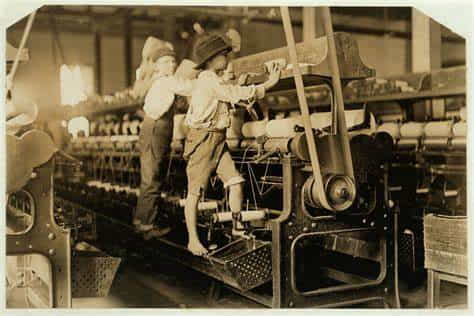
In the textile industry, early LCA studies emerged in the 1990s. Researchers started evaluating the impacts of cotton production, synthetic fiber manufacturing, and dyeing processes. The pioneering work of academic institutions and environmental organizations highlighted the significant environmental burdens of textile production. During this period, researchers often used simple input–output models to estimate energy use and emissions. Although these models were rudimentary, they set the stage for more sophisticated assessments.
Over the past two decades, LCA methodologies have evolved considerably. International standards such as ISO 14040 and ISO 14044 provided rigorous frameworks for conducting LCAs. These standards standardized the phases of LCA: goal and scope definition, inventory analysis, impact assessment, and interpretation. The textile sector embraced these methodologies to assess everything from apparel and home textiles to technical fabrics. Historical case studies reveal that companies implementing LCA achieved notable reductions in resource consumption and emissions.
Innovative research projects have further refined LCA techniques by incorporating regional data, social impacts, and economic considerations. In parallel, computer simulation and digital data analysis have transformed LCA from a theoretical exercise into a practical tool for decision-making. This evolution has enabled manufacturers to make incremental improvements and integrate sustainability into their core business strategies.
The historical evolution of LCA in textiles reflects an increasing complexity in assessing environmental performance. Initially, studies focused on singular aspects such as water usage or energy consumption. Today, LCAs provide a comprehensive picture that factors in environmental trade-offs and guides sustainable practices throughout the supply chain.
3. Technological Evolution in LCA Methodologies
Technological advancements have significantly transformed the practice of Life Cycle Assessment in textiles. Modern LCA tools leverage sophisticated software and vast databases to model environmental impacts with high precision. Digital simulation, cloud computing, and artificial intelligence now enable more accurate, real-time assessments. These tools facilitate faster decision-making and help companies quickly identify areas for improvement.
One notable technological innovation is the development of user-friendly LCA software. Programs such as SimaPro, GaBi, and OpenLCA allow users to build detailed models of textile production processes. These platforms integrate comprehensive databases containing emission factors, energy use data, and material properties. The software calculates environmental impacts using standardized methodologies and visualizes results through graphs, charts, and impact assessment matrices. For instance, impact categories may include global warming potential, eutrophication, and acidification. Such detailed outputs empower companies to refine production methods and reduce environmental footprints.
Digital advancements extend to remote data collection and integration. Sensors embedded in production lines and smart devices capture real-time data on energy consumption, water usage, and emissions. This information feeds directly into LCA models, providing accurate and dynamic assessments of process performance. Cloud-based solutions facilitate the storage and analysis of large datasets, allowing multiple stakeholders to access up-to-date information simultaneously.

Furthermore, advancements in artificial intelligence have begun to enhance predictive capabilities in LCA. AI algorithms analyze historical production data to forecast environmental impacts under different scenarios. This predictive analysis helps companies simulate the effects of process modifications before implementing them in production. By optimizing process parameters, manufacturers can reduce energy consumption and waste generation while maintaining product quality.
The technological evolution in LCA methodologies not only improves accuracy but also makes the assessment process more accessible. Even small and medium-sized enterprises can now implement robust LCA practices thanks to affordable software solutions and open-access databases. These advancements democratize sustainability assessments, fostering a culture of continuous environmental improvement across the textile industry.
4. Sources, Data, and Availability in LCA for Textiles
Accurate data forms the backbone of Life Cycle Assessment. Reliable input data determines the precision of environmental impact evaluations. For textiles, key data sources include primary data from manufacturing processes, secondary data from literature, and databases maintained by standard organizations. Access to comprehensive and high-quality data remains critical to achieving robust LCA results.
Primary data originates directly from textile mills and production facilities. Manufacturers measure energy consumption, water usage, chemical inputs, and waste outputs during various production stages. These on-site measurements provide the most reliable inputs for LCA models. However, collecting primary data can be resource-intensive. Many companies collaborate with research institutions and technology partners to automate data collection and analysis.
Secondary data comes from published research, industry reports, and global databases such as Ecoinvent and the US Life Cycle Inventory Database. These sources provide average values for emission factors, energy use, and resource consumption across various textile processes. Secondary data helps fill gaps when primary data is unavailable or inconsistent. Researchers combine these data sources to build comprehensive inventories that capture the full spectrum of environmental impacts.
Table: Common Data Sources for Textile LCA
| Data Source | Description | Example Metrics |
|---|---|---|
| Primary Data | On-site measurements from manufacturing facilities | Energy use (kWh), water usage (m³), waste (kg) |
| Secondary Data | Published databases and literature | Emission factors (kg CO₂-eq), resource consumption rates |
| International Databases | Standardized data repositories (e.g., Ecoinvent) | Material extraction impacts, transport emissions |
| Industry Reports | Trade publications and sustainability reports | Process benchmarks, best practices |
The availability of high-quality data improves as digital technologies advance. Automated sensors, IoT devices, and cloud computing facilitate continuous, accurate data collection. Integration of data management systems ensures that information remains current and accessible. These systems enable real-time adjustments and foster continuous improvement in production processes.
Moreover, regulatory agencies and industry associations play a key role in data standardization. They publish guidelines and protocols for data collection that ensure consistency across the industry. Organizations such as the International Organization for Standardization (ISO) offer frameworks that harmonize data inputs and improve comparability. As a result, textile companies can benchmark their environmental performance against global standards and identify areas for improvement.
Access to reliable data not only supports LCA but also underpins broader sustainability initiatives. Transparent data practices help build consumer trust and support certification schemes like Cradle to Cradle and Global Organic Textile Standard (GOTS). By ensuring that data sources are robust and verifiable, the textile industry can drive meaningful environmental improvements and communicate its progress to stakeholders.
5. Breakthrough Innovations and Emerging Trends in Textile LCA
Innovation in LCA methodologies continues to push the boundaries of environmental assessment. Breakthroughs in modeling techniques, software capabilities, and data integration have enhanced the precision and usability of LCAs in textiles. Emerging trends signal a future where LCA becomes even more integral to sustainable production.
One key innovation involves the integration of social and economic dimensions into traditional environmental LCAs. Life Cycle Sustainability Assessment (LCSA) expands upon LCA by incorporating social impacts such as labor conditions, community effects, and economic viability. This holistic approach enables companies to evaluate the sustainability of textiles across multiple dimensions, aligning environmental stewardship with social responsibility and financial performance.
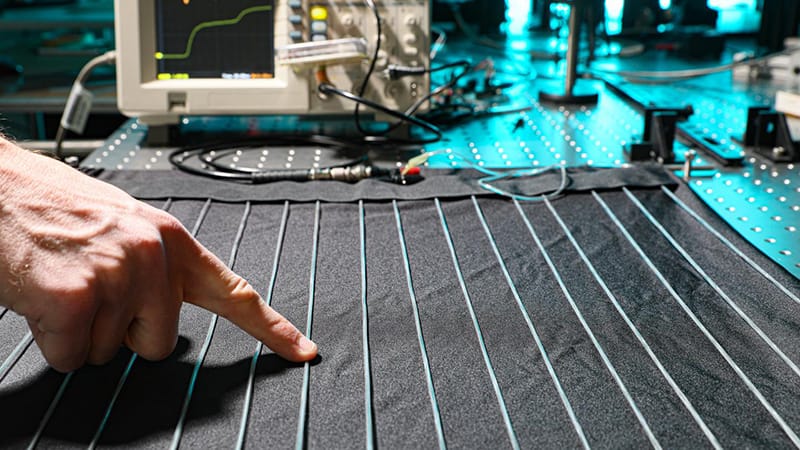
Advancements in digital twin technology represent another breakthrough. A digital twin is a virtual replica of a physical production system that mirrors real-time performance. By linking sensor data to digital twin models, companies can simulate environmental impacts dynamically. These models predict the outcomes of process changes, allowing manufacturers to optimize production parameters for minimal environmental impact before implementing changes on the shop floor.
Innovative LCA software now incorporates artificial intelligence and machine learning algorithms. These tools analyze historical data and detect patterns that can forecast environmental performance under different scenarios. By simulating alternative production routes, AI-driven LCAs help identify cost-effective measures that reduce emissions and resource consumption. For example, machine learning models can predict how changes in energy sources affect greenhouse gas emissions across the life cycle of a textile product.
Blockchain technology also offers promising innovations for LCA. By securely recording data at each stage of the textile value chain, blockchain ensures data transparency and traceability. This technology enhances the credibility of LCA results by providing an immutable record of production data and environmental metrics. Companies can use blockchain to verify sustainability claims and share trustworthy information with consumers and regulators.
Furthermore, emerging trends in LCA focus on real-time monitoring and adaptive assessment. Mobile applications and cloud-based platforms allow companies to perform continuous LCAs, adjusting metrics as production conditions change. This dynamic approach enables proactive management of environmental impacts and supports agile decision-making. As the textile industry faces increasing pressures from climate change and resource scarcity, these innovations in LCA offer powerful tools for driving sustainability.
Table: Innovations in Textile LCA and Their Impacts
| Innovation Area | Description | Impact on Sustainability |
|---|---|---|
| Life Cycle Sustainability Assessment (LCSA) | Integration of social, economic, and environmental data | Holistic sustainability evaluation |
| Digital Twin Technology | Virtual replicas of production systems for simulation | Real-time optimization and predictive analysis |
| AI and Machine Learning | Data-driven forecasting and scenario analysis | Enhanced accuracy and process improvements |
| Blockchain Integration | Secure, immutable tracking of production data | Increased transparency and credibility |
| Continuous and Adaptive LCA | Real-time monitoring using mobile/cloud platforms | Proactive environmental management |
These breakthrough innovations and emerging trends are reshaping how textile companies conduct LCAs. By adopting these cutting-edge tools, manufacturers can achieve deeper insights, optimize resource use, and drive substantial environmental improvements. The future of textile LCA promises not only enhanced accuracy but also broader integration with overall sustainability strategies.
6. Integrating LCA into the Textile Production Process
The successful integration of LCA into textile production can transform sustainability efforts. By embedding LCA into every stage of production, manufacturers gain valuable insights that lead to improved product design, process efficiency, and reduced environmental impacts. Integrating LCA begins with goal and scope definition and extends through to final product certification.
The process starts with a clear definition of system boundaries. Manufacturers determine which production stages to include, from raw material extraction and fiber processing to dyeing, finishing, and distribution. Early collaboration between process engineers and sustainability experts ensures that the LCA model accurately reflects production realities. The definition phase establishes a baseline for subsequent performance improvements and guides data collection efforts.
Once the scope is defined, manufacturers gather data on resource use, energy consumption, waste generation, and emissions. This data populates the LCA inventory analysis and forms the basis for impact assessment. Advanced software tools compile the data into impact categories such as global warming potential, water footprint, and toxic emissions. These metrics provide a quantitative foundation for assessing the environmental performance of textile products.
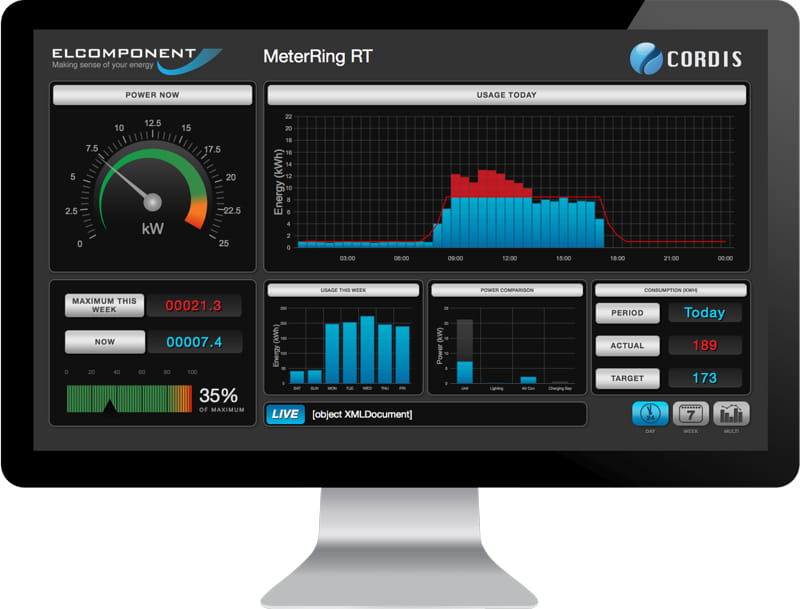
During the production process, continuous monitoring and periodic assessments enable proactive adjustments. Operators receive real-time feedback on environmental performance, prompting immediate process modifications if necessary. For example, if water usage exceeds acceptable limits during dyeing, process engineers can adjust flow rates or optimize chemical dosages. This feedback loop enhances process efficiency and reduces resource waste.
The final stages of production include post-production evaluations. Finished products undergo final LCA to ensure that environmental improvements align with sustainability targets. Quality assurance teams compare LCA results against industry benchmarks and certification standards. Comprehensive reports support product labeling and sustainability claims that resonate with environmentally conscious consumers.
The integration of LCA into production not only supports environmental performance but also drives cost savings. Improved process efficiencies reduce energy consumption, minimize waste, and lower operational costs. In a competitive market, these savings translate into a better return on investment and increased market share. Companies that embed LCA in production also enhance their brand reputation, appealing to consumers who prioritize sustainability.
7. Challenges and Limitations in Textile LCA
Despite its numerous benefits, conducting a Life Cycle Assessment in textiles poses several challenges. Data gaps, methodological inconsistencies, and complex supply chains present obstacles that can affect the accuracy and reliability of LCA results. Understanding these challenges is essential for continuous improvement.
One major challenge involves data availability and quality. Obtaining primary data from diverse production processes remains difficult, especially for complex supply chains that span multiple regions. Inaccurate or incomplete data can lead to errors in impact calculations. Manufacturers mitigate this challenge by combining primary data with reliable secondary data from reputable databases. Nonetheless, achieving consistency in data collection across different facilities and regions requires significant investment in training and technology.
Methodological differences represent another challenge. Although international standards such as ISO 14040 provide a framework, variations in interpretation can occur. Different modeling assumptions and impact assessment methods lead to variations in LCA results. Harmonizing methodologies and ensuring comparability between studies remains an ongoing issue. Industry associations and research institutions collaborate to refine guidelines and develop best practices, but standardization remains an iterative process.
The complexity of the textile supply chain further complicates LCA. Textiles often involve numerous processing steps, each with its own environmental footprint. Capturing all indirect impacts, such as transportation, packaging, and retail operations, increases the complexity of the model. Additionally, emerging trends like recycled fibers and blended materials introduce additional variables that must be considered. Balancing the comprehensiveness of the LCA model with the need for practical usability is a delicate task.
Table: Key Challenges in Textile LCA and Mitigation Strategies
| Challenge | Impact on LCA Accuracy | Mitigation Strategy |
|---|---|---|
| Data Availability & Quality | Inconsistent or incomplete data | Integrate primary and secondary data; invest in sensor technology |
| Methodological Variability | Differences in impact calculations | Adopt standardized protocols (ISO 14040/44) and best practices |
| Complex Supply Chains | Difficulty capturing indirect impacts | Use detailed supply chain mapping and digital tools |
| Evolving Materials & Processes | New variables increase uncertainty | Regularly update databases and refine assumptions |
Another limitation is the time and cost associated with conducting detailed LCAs. Comprehensive assessments require significant human and financial resources, which can be a barrier for small and medium enterprises. Companies must balance the benefits of LCA with the associated costs and develop scalable methods that fit their operational size.
Despite these challenges, ongoing advancements in digital tools and data analytics offer promising solutions. Emerging technologies such as machine learning, IoT data integration, and cloud computing can streamline data collection and processing. Collaborative platforms that share best practices and standardized data further enhance the reliability of LCA studies. Continuous improvement in LCA methodologies remains essential as the textile industry evolves.
8. Real-World Applications and Case Studies of LCA in Textiles
The practical application of Life Cycle Assessment in textiles demonstrates its value in reducing environmental impacts and optimizing resource use. Numerous case studies highlight how companies use LCA to improve product design, enhance production efficiency, and communicate sustainability achievements.
In the apparel sector, LCA has been employed to assess the environmental performance of cotton versus synthetic fibers. Detailed studies have revealed that natural fibers often have a lower carbon footprint when produced under sustainable agricultural practices. Conversely, synthetic fibers may consume less water during production but require significant energy inputs and produce plastic waste. By comparing these factors, companies can choose materials that align with their sustainability goals and market positioning. Case studies show that brands incorporating LCA insights achieve reductions in greenhouse gas emissions and water usage.
Medical textiles also benefit from LCA. Hospitals and healthcare providers demand high-performance materials that meet strict regulatory requirements. LCAs of surgical gowns, drapes, and sterilization wraps have revealed areas for improvement in chemical use and energy consumption. Manufacturers have used these insights to redesign production processes, reduce waste, and achieve certifications that validate their sustainability claims. These case studies underscore the value of LCA in enhancing both environmental performance and product safety.
The automotive and aerospace industries apply LCA to evaluate textile components used in interior design, insulation, and composite materials. For instance, LCAs of seat covers and interior linings reveal trade-offs between durability and resource consumption. Detailed case studies demonstrate that using recycled fibers and eco-friendly dyes can significantly reduce environmental impacts without compromising product performance. These findings support strategic decisions that drive innovation and cost efficiency.
In addition, LCAs support the development of eco-labels and sustainability certifications. Brands leverage LCA results to earn certifications that differentiate their products in the market. Transparent communication of environmental performance builds consumer trust and supports premium pricing strategies. Retailers and end-users increasingly rely on verified sustainability claims when making purchasing decisions, demonstrating the real-world impact of LCA on market dynamics.
These real-world applications illustrate how LCA transforms environmental data into actionable insights. Companies using LCA not only reduce their ecological footprint but also drive innovation, improve market competitiveness, and meet evolving regulatory standards. The integration of LCA into strategic planning supports long-term sustainability and operational excellence across the textile industry.
9. End-Users, Stakeholders, and Their Roles
A wide range of stakeholders benefit from Life Cycle Assessment in textiles. Manufacturers, consumers, regulatory bodies, and research institutions all play critical roles in the effective implementation of LCA. Understanding these roles helps to create a more sustainable and transparent textile supply chain.
Manufacturers use LCA to optimize production processes and reduce environmental impacts. They integrate LCA data into product design, material selection, and process improvement. By identifying environmental hotspots, manufacturers can target specific areas for efficiency improvements. This proactive approach results in reduced resource consumption, lower energy costs, and minimized waste. Companies that embrace LCA enjoy enhanced brand reputation and increased consumer trust.
Consumers benefit from LCA through improved product transparency and environmental performance. Eco-conscious customers seek products with verified sustainability credentials. When brands publish LCA-based sustainability reports and eco-labels, consumers gain confidence in their purchasing decisions. This transparency not only supports ethical consumerism but also drives market demand for sustainable textiles.
Regulatory bodies and certification organizations rely on LCA to establish environmental standards and verify compliance. Government agencies incorporate LCA results into policies and regulations that guide sustainable production practices. Certification schemes use LCA data to assess products, ensuring that they meet established benchmarks for environmental performance. These measures protect public health and promote responsible resource use across the industry.
Research institutions and academic centers contribute by developing new LCA methodologies and refining existing models. Collaborative research projects generate innovative approaches that enhance the accuracy and efficiency of LCA. These institutions serve as knowledge hubs, disseminating best practices and training the next generation of sustainability professionals. Their work supports continuous improvement and drives the evolution of LCA in textiles.
Table: Key Stakeholders in Textile LCA and Their Contributions
| Stakeholder Type | Role/Contribution | Examples/Benefits |
|---|---|---|
| Manufacturers | Implement LCA for process optimization | Improved efficiency, cost reduction |
| Consumers | Demand transparency and eco-friendly products | Informed purchasing decisions, eco-labels |
| Regulatory Bodies | Set standards and enforce compliance | Environmental regulations, certifications |
| Research Institutions | Innovate and refine LCA methodologies | New assessment models, academic training |
The collaboration among these stakeholders ensures that LCA becomes an integral part of the textile industry. Their combined efforts drive innovation, improve data quality, and enhance the overall sustainability of textile production. As end-users become more environmentally conscious, the role of LCA in shaping industry practices grows even more significant.
10. Market Trends, Economic Impact, and Competitive Advantages
Textile companies that adopt Life Cycle Assessment can secure a competitive edge in a market increasingly driven by sustainability. Market trends indicate that consumers, investors, and regulators favor companies that demonstrate a commitment to environmental responsibility. LCA provides the quantitative evidence necessary to support these claims.
Economic analysis shows that implementing LCA can lead to significant cost savings. By identifying inefficiencies in energy use, water consumption, and waste management, companies can reduce operating costs and improve profitability. Companies that invest in LCA also mitigate risks associated with regulatory changes and resource scarcity. The proactive management of environmental impacts results in fewer disruptions and a more resilient supply chain.
Market data reveals that sustainable textiles command higher prices and attract premium customers. Eco-labels and sustainability certifications based on LCA results enhance brand value and market positioning. Retailers increasingly seek suppliers with verified environmental credentials, driving demand for products that have undergone rigorous LCA. This shift encourages further innovation and collaboration among manufacturers and technology providers.
Investment in digital tools and data analytics plays a crucial role in maximizing the benefits of LCA. Cloud-based platforms, real-time monitoring, and AI-driven analytics streamline data collection and interpretation. These technologies empower companies to make informed decisions quickly, respond to market shifts, and continuously optimize their production processes. The result is a dynamic, data-driven approach to sustainability that enhances market competitiveness.
The economic impact of LCA extends across the entire supply chain. Suppliers, manufacturers, and distributors benefit from reduced waste, lower energy costs, and improved operational efficiency. This collective improvement drives industry-wide gains in sustainability and economic performance. As companies increasingly integrate LCA into their strategies, market trends will continue to favor those that can demonstrate tangible environmental benefits alongside financial performance.
11. Future Prospects and Emerging Opportunities in Textile LCA
The future of Life Cycle Assessment in textiles is bright, as emerging technologies and increasing global focus on sustainability drive continuous innovation. Advances in digitalization, data analytics, and material science will further refine LCA methodologies, making assessments more precise, accessible, and actionable.
One major future trend is the integration of real-time monitoring into LCA. The use of IoT devices and sensor networks will allow manufacturers to collect continuous data throughout production. This real-time data can be fed directly into LCA models, enabling dynamic assessments that adjust to changing production conditions. Predictive analytics and machine learning will play key roles in forecasting environmental impacts and optimizing processes on the fly.
Another promising area is the development of standardized LCA frameworks that incorporate social and economic dimensions alongside environmental impacts. Future models may evolve into full Life Cycle Sustainability Assessments (LCSA) that offer a comprehensive view of a product’s impacts. Such frameworks will help companies balance environmental goals with social responsibility and economic performance. As sustainability becomes central to business strategy, these integrated assessments will guide product design, sourcing, and manufacturing decisions.
Innovations in material science will also drive the evolution of textile LCAs. The emergence of new fibers, eco-friendly dyes, and recycling technologies will transform production practices. LCAs will need to adapt to these innovations by incorporating new data and impact factors. Research institutions and industry consortia are already working on developing LCA models for next-generation textiles that prioritize circularity and resource efficiency.
Global collaboration and international standardization will continue to shape the future of LCA. Harmonizing methodologies across regions will facilitate global trade and improve comparability between studies. As more countries adopt stringent environmental regulations, companies will increasingly rely on standardized LCA data to meet compliance requirements. This international cooperation will further drive improvements in data quality and assessment accuracy.
The market for sustainable textiles is poised for robust growth. As consumers become more environmentally conscious, the demand for transparently produced textiles will rise. Companies that invest in advanced LCA methodologies will secure a competitive advantage, reduce costs, and enhance their brand reputation. The integration of continuous improvement strategies and digital innovations will pave the way for a more sustainable and profitable textile industry.
12. Summary and Conclusion
Life Cycle Assessment (LCA) for textiles offers an invaluable framework to evaluate environmental impacts throughout a product’s lifespan. From its early development and historical evolution to the integration of advanced digital tools, LCA has become an essential component of sustainable textile production. This comprehensive article has examined the origins, technological evolution, data sourcing, innovative breakthroughs, production integration, and challenges associated with textile LCAs.
Real-world case studies demonstrate that companies using LCA achieve significant improvements in resource efficiency, waste reduction, and overall sustainability. As market trends increasingly favor eco-friendly products, LCA serves as both a strategic tool and a competitive differentiator. Stakeholders across the textile supply chain—from manufacturers and consumers to regulatory bodies and research institutions—benefit from the transparent, data-driven insights provided by LCA.
Looking ahead, the future of textile LCA is promising. Emerging technologies such as IoT, AI, digital twin modeling, and blockchain will further refine the assessment process. Integrated sustainability frameworks that combine environmental, social, and economic dimensions will offer a holistic view of product impacts. Through continuous innovation and global collaboration, the textile industry can leverage LCA to drive substantial environmental improvements, reduce costs, and meet the growing demands of eco-conscious consumers.
In conclusion, Life Cycle Assessment stands as a cornerstone of sustainable textile production. By providing detailed, actionable insights into the environmental impacts of textile products, LCA supports strategic decision-making, enhances market competitiveness, and fosters a more responsible approach to manufacturing. As the textile industry continues to evolve, the role of LCA will only grow in importance, ensuring that sustainability remains at the forefront of innovation and global trade.