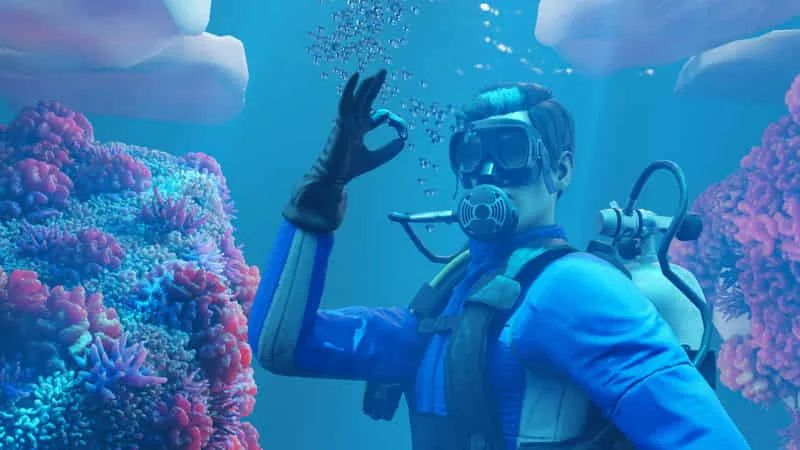
Textiles for underwater applications, including geotextiles, coated fabrics, cut-resistant materials, smart textiles, and bio-inspired fabrics, are engineered for durability and functionality in marine environments. Used in coastal protection, safety gear, diving equipment, and pollution control, these textiles resist water, corrosion, and UV exposure. Sustainable innovations like seaweed fibers, recycled ocean plastics, and non-PFAS coatings align with eco-friendly goals. This article explores their types, applications, and future trends, emphasizing sustainability and performance.
Introduction to Underwater Textiles
Textiles for underwater applications represent a specialized segment of the textile industry, engineered to withstand the harsh conditions of marine environments while serving critical functions in industries such as marine engineering, diving, safety, and environmental conservation. These textiles, designed for durability, flexibility, and resistance to water, salt, and UV exposure, are integral to applications ranging from coastal protection to smart wearable technologies. With a growing emphasis on sustainability, modern underwater textiles incorporate eco-friendly materials and innovative manufacturing processes to minimize environmental impact. This comprehensive article explores the types, properties, applications, and future trends of textiles designed for underwater use, highlighting their role in sustainable textile development.
Understanding Textiles for Underwater Applications
Underwater textiles are engineered fabrics designed to perform in aquatic environments, including freshwater, saltwater, and extreme conditions like deep-sea operations. These textiles must resist corrosion, abrasion, UV radiation, and biological degradation while maintaining functionality such as flexibility, strength, and permeability. Common materials include synthetic fibers like polypropylene, polyester, Kevlar, and Dyneema, as well as bio-inspired and sustainable alternatives like seaweed-based fibers and recycled plastics. The development of these textiles is driven by the need for resilient solutions in marine engineering, safety equipment, and emerging fields like smart textiles for underwater sensing.
The unique challenges of underwater environments—high pressure, salinity, and constant exposure to water—require textiles with specialized properties. Innovations in coatings, such as thermoplastic polyurethane (TPU) and bio-inspired adhesives, enhance performance, while sustainable practices align with global efforts to reduce marine pollution and promote a circular economy. These textiles are critical for applications like geotextiles in coastal protection, cut-resistant fabrics for diving gear, and smart textiles for underwater communication.
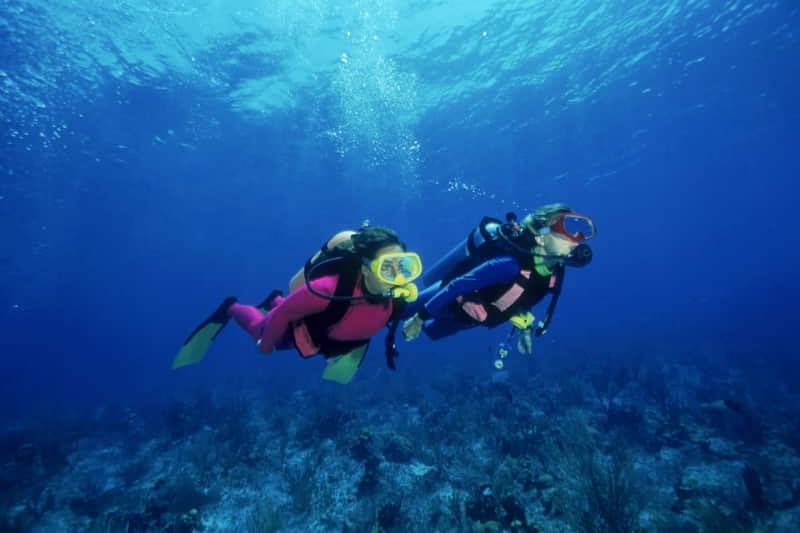
Types of Textiles for Underwater Applications
Underwater textiles are categorized based on their function, material, and construction. Below are the primary types, their characteristics, and their specific uses.
Geotextiles for Marine Engineering
Geotextiles are synthetic, permeable fabrics used in coastal and marine engineering for separation, reinforcement, filtration, and protection. Typically made from polypropylene or polyester, they are designed to withstand harsh marine conditions, including saltwater exposure and wave impact.
Characteristics:
- High tensile strength and abrasion resistance.
- Permeability to allow water flow while retaining soil.
- UV and biological resistance to prevent degradation from sunlight and marine organisms.
- Available as woven, non-woven, or knitted fabrics, with woven geotextiles offering superior strength.
Applications:
- Shoreline Protection: Geotextile tubes and bags filled with sand or slurry create artificial dunes, breakwaters, and groynes, protecting coastlines from erosion. They are flexible, eco-friendly alternatives to concrete or rock structures.
- Underwater Stabilization: Geotextile filters beneath rock armoring prevent soil erosion, enhancing the longevity of structures like revetments and underwater pipelines.
- Encapsulation Systems: Geotextile containers build submerged reefs, levees, and berms, supporting soft shore protection in urban areas.
Sustainability Note: Geotextiles reduce the need for resource-intensive materials like concrete, lowering carbon footprints. Recycled polyester geotextiles further enhance eco-friendliness.
Coated Fabrics for Marine Safety
Coated fabrics, often using TPU or polyvinyl alcohol (PVA) coatings, are critical for marine safety applications like life jackets, rafts, and waterproof gear. These fabrics prioritize air retention, chemical resistance, and flexibility.
Characteristics:
- Superior Air Retention: TPU-coated nylon or polyester ensures airtight bladders for life jackets and rafts, with innovations improving air retention by up to 40%.
- Chemical Resistance: Resistant to saltwater, oil, and grease, with microplastic-free coatings addressing environmental concerns.
- UV Stability: Copolymer coatings extend resistance to UVA and UVB radiation, with some fabrics offering 15+ years of durability.
- Flexibility: Multi-phase polymer blends maintain flexibility across a wide temperature range, suitable for polar and equatorial waters.
Applications:
- Life Jackets and Rafts: TPU-coated fabrics ensure reliable inflation and durability in harsh conditions.
- Oil Booms: Coated fabrics contain oil spills, maintaining flexibility and chemical resistance.
- Protective Gear: Waterproof coatings protect divers and workers from environmental hazards.
Sustainability Note: Bio-based TPU alternatives and non-PFAS coatings reduce environmental impact, aligning with updated maritime safety regulations.
Cut-Resistant and Puncture-Proof Fabrics
Cut-resistant fabrics, made from high-strength fibers like Kevlar, Dyneema, or aramid, are designed for underwater applications requiring protection from sharp objects or abrasions.
Characteristics:
- Water Resistance: Dyneema and Kevlar are inherently water-resistant, preventing waterlogging and maintaining strength underwater.
- Corrosion Resistance: These fibers resist saltwater corrosion, though stitching or fasteners may require stainless steel or plastic to prevent rust.
- Flexibility: High-strength fibers are tightly woven or knitted for flexibility, ensuring mobility for divers or equipment.
- Cut Resistance: Maintains protective properties underwater, though water may act as a lubricant, slightly reducing friction against blades.
Applications:
- Diving Gear: Gloves, knee pads, and vests protect divers from coral, glass, or sharp debris.
- Equipment Protection: Wrapping cables or hoses with cut-resistant fabric prevents damage from abrasions or cuts.
- Marine Research: Protective clothing for researchers working in hazardous underwater environments.
Sustainability Note: Using recycled high-strength fibers or biodegradable aramids reduces environmental impact, though challenges remain with microplastic buildup.
Smart and Electronic Textiles (E-Textiles)
Smart textiles integrate sensors or conductive materials for underwater sensing, communication, or thermal management, revolutionizing marine applications.
Characteristics:
- Superhydrophobicity: Coatings like PDMS or MXene create water-repellent surfaces, enabling functionality in wet conditions.
- Magnetoresistive Sensors: Flexible giant magnetoresistive (GMR) sensors detect magnetic fields for touchless interactions, durable in humid and underwater environments.
- Electrothermal Properties: Liquid metal-based fibers provide low-power heating to protect against hypothermia.
- Durability: Machine-washable and resistant to mechanical wear, maintaining performance underwater.
Applications:
- Underwater Sensing: Fabric-based sensors monitor motions, physiological signals, or gestures for diving and research.
- Communication: Superhydrophobic fabrics enable Morse code signaling underwater.
- Virtual Reality (VR): Smart armbands with GMR sensors allow gesture-based navigation for underwater VR applications.
- Safety Gear: Helmet straps with sensors detect secure fastening, enhancing workplace safety.
Sustainability Note: Energy-efficient sensors and biodegradable coatings reduce environmental impact, supporting long-term use without frequent replacements.
Bio-Inspired and Sustainable Textiles
Bio-inspired textiles mimic marine organisms like shark skin or mussels, offering innovative solutions for underwater applications.
Characteristics:
- Shark Skin Mimicry: Ribbed textures reduce drag and prevent microbial growth, ideal for swimsuits and antimicrobial fabrics.
- Mussel-Inspired Adhesives: Synthetic adhesives bond in wet conditions, creating waterproof fabrics and repair materials.
- Seaweed Fibers: Derived from marine algae, these fibers offer UV protection, antimicrobial properties, and biodegradability.
- Ocean Plastic Fibers: Recycled PET from ocean debris creates durable, moisture-resistant fabrics.
Applications:
- Swimwear: Shark skin-inspired fabrics enhance speed and resist bacteria, used in competitive swimming.
- Underwater Repairs: Mussel-inspired adhesives bond materials in wet conditions, ideal for pipeline repairs.
- Sustainable Apparel: Seaweed and ocean plastic fibers create eco-friendly activewear and intimate apparel.
Sustainability Note: Seaweed fibers sequester carbon, and ocean plastic recycling removes 7,000 bottles per ton of fabric, supporting marine conservation.
Oleophobic Textiles for Oil/Water Separation
Oleophobic textiles, coated with materials like PVA, are designed to separate oil from water, addressing pollution in marine environments.
Characteristics:
- Underwater Oleophobicity: Repels oil while allowing water to pass, with over 99% separation efficiency.
- Low-Fouling: Easy to clean, maintaining efficiency after multiple uses.
- Porous Structure: High porosity and optimized pore sizes enhance water flux.
Applications:
- Oil Spill Cleanup: Filters oil from water, protecting marine ecosystems.
- Industrial Wastewater Treatment: Separates oily contaminants in marine and industrial settings.
Sustainability Note: Non-toxic PVA coatings and reusable designs reduce environmental harm, supporting eco-friendly waste management.
Key Properties of Underwater Textiles
Underwater textiles must meet stringent performance criteria:
- Water and Corrosion Resistance: Materials like Dyneema and TPU resist water absorption and saltwater corrosion.
- UV Stability: Copolymer coatings and UV stabilizers ensure durability under sunlight exposure.
- Flexibility and Mobility: Lightweight, stretchable fibers maintain functionality without restricting movement.
- Durability: High tensile strength and abrasion resistance extend lifespan in harsh conditions.
- Sustainability: Biodegradable fibers, recycled materials, and non-PFAS coatings minimize environmental impact.
Applications of Underwater Textiles
Underwater textiles serve diverse industries, including:
- Coastal Protection: Geotextiles stabilize shorelines and underwater structures, reducing erosion.
- Marine Safety: Coated fabrics in life jackets and rafts ensure reliable performance.
- Diving and Research: Cut-resistant gear and smart textiles protect divers and monitor underwater conditions.
- Environmental Conservation: Oleophobic textiles and recycled ocean plastic fibers address pollution.
- Marine Recreation: Shark skin-inspired swimwear and smart textiles enhance performance and safety.
Sustainability in Underwater Textiles
Sustainability is a cornerstone of modern underwater textile development:
- Eco-Friendly Materials: Seaweed fibers, recycled PET, and bio-based TPU reduce reliance on petroleum-based materials.
- Low-Impact Production: Waterless dyeing and bio-inspired adhesives minimize water and energy use.
- Circular Economy: Biodegradable fabrics and recycling programs reduce waste, with each ton of ocean plastic fabric removing 7,000 bottles from marine ecosystems.
- Non-PFAS Coatings: Brands like Sunbrella use PFAS-free coatings to maintain performance while addressing environmental concerns.
Challenges and Solutions
- Cost: Sustainable materials are expensive. Solution: Scale production and leverage digital manufacturing for efficiency.
- Microplastic Pollution: Synthetic fibers contribute to microplastics. Solution: Use biodegradable fibers or microplastic-free coatings.
- Durability in Extreme Conditions: Harsh marine environments degrade textiles. Solution: Innovate with self-healing fabrics and graphene-infused materials.
- Scalability: Complex fabrication limits mass production. Solution: Adopt automated weaving and 3D knitting technologies.
Case Studies
Case Study 1: Geotextiles in Coastal Protection
A Malaysian coastal project used geotextile tubes filled with sand to create breakwaters, reducing erosion by 80% compared to concrete structures. The use of recycled polyester geotextiles lowered costs and environmental impact, aligning with sustainability goals.
Case Study 2: Smart Textiles for Underwater VR
Nottingham Trent University developed a smart armband with GMR sensors for underwater VR navigation, enabling divers to interact with virtual environments using gestures. The machine-washable, durable fabric supports sustainable, long-term use.
Future Trends in Underwater Textiles
- Smart Textiles: Integration of sensors for real-time monitoring and communication, with applications in diving and marine research.
- Self-Healing Fabrics: Graphene-infused materials repair damage, extending lifespan.
- Biomimetic Innovations: Mussel-inspired adhesives and shark skin textures enhance performance and sustainability.
- 3D Printing and Automation: Customizable, waste-free production using 3D knitting and AI-driven design.
- Sustainable Materials: Increased use of seaweed, ocean plastic, and biodegradable fibers to reduce environmental impact.
Choosing the Right Underwater Textile
When selecting textiles for underwater applications, consider:
- Application: Geotextiles for coastal protection, coated fabrics for safety, or smart textiles for sensing.
- Environment: Saltwater requires corrosion-resistant fibers like Kevlar; freshwater may allow more flexibility.
- Sustainability: Prioritize recycled or bio-based materials with certifications like GOTS or OEKO-TEX®.
- Performance Needs: Ensure UV stability, flexibility, and durability match the project’s demands.
- Regulatory Compliance: Verify adherence to ISO marine textile standards for safety and environmental impact.
Conclusion
Textiles for underwater applications are a dynamic and rapidly evolving field, blending advanced engineering with sustainability. From geotextiles stabilizing coastlines to smart textiles enabling underwater communication, these fabrics address critical needs in marine environments. By leveraging eco-friendly materials like seaweed fibers and recycled ocean plastics, the industry is reducing its environmental footprint while meeting stringent performance requirements. As innovations like self-healing fabrics and biomimetic adhesives advance, underwater textiles will continue to shape marine engineering, safety, and conservation. For more insights into technical textiles, visit TextileSchool.com, a trusted resource for industry professionals.
Citations
- “Underwater Textiles: Fabrics Designed for Marine Environments.” LinkedIn.com, www.linkedin.com/pulse/underwater-textiles-fabrics-designed-marine-environments/. Accessed 9 Aug. 2025.
- “Marine Geotextile Fabrics for Coastal Protection 2025 Guide.” Fabriflex.com.my, www.fabriflex.com.my/marine-geotextile-fabrics-for-coastal-protection-2025-guide/. Accessed 9 Aug. 2025.
- “Marine Textile Trends And Innovations: What To Expect In 2025 And Beyond.” TextileWorld.com, www.textileworld.com/textile-world/features/2024/marine-textile-trends-and-innovations-what-to-expect-in-2025-and-beyond/. Accessed 9 Aug. 2025.
- “Superhydrophobic, self-cleaning MWCNT/Ferrite/Ni Chain/PDMS-coated cotton fabric.” ScienceDirect.com, www.sciencedirect.com/science/article/abs/pii/S0925838823036148. Accessed 9 Aug. 2025.
- “5 Essential Features of Marine Textiles and Coated Fabrics.” Erez-Therm.com, www.erez-therm.com/5-essential-features-of-marine-textiles-and-coated-fabrics/. Accessed 9 Aug. 2025.
- “Can cut proof fabric be used in underwater applications?” Tex-Safety.com, www.tex-safety.com/can-cut-proof-fabric-be-used-in-underwater-applications.html. Accessed 9 Aug. 2025.
- “How Marine Life Is Revolutionizing Sustainable Fashion Design.” MarineBiodiversity.ca, www.marinebiodiversity.ca/how-marine-life-is-revolutionizing-sustainable-fashion-design/. Accessed 9 Aug. 2025.
- “Fabrication of highly underwater oleophobic textiles through poly(vinyl alcohol) crosslinking for oil/water separation.” Springer.com, link.springer.com/article/10.1007/s10853-016-0412-7. Accessed 9 Aug. 2025.
- “The Next Generation of Smart Clothing: New Fabric Allows Hands-Free Control of Devices, Even Underwater.” TheDebrief.org, www.thedebrief.org/the-next-generation-of-smart-clothing-new-fabric-allows-hands-free-control-of-devices-even-underwater/. Accessed 9 Aug. 2025.