Humans are close to textiles more than anything, and certainly, we carry it most, other than anything. The last few decades have shown enormous growth in the development of wireless communication technologies, nanoengineering, information technologies, and miniaturization of electronic devices. These developments draw the attention of researchers to envisage the significant characteristics of these advancements to the belongings with whom we are most close. Researchers are now evaluating the new ideas and possibilities to functionalize this ‘natural necessity feature of human beings’ with emerging technologies into different arrays of human life especially in the Medical and Healthcare management – as mobile monitoring of health care, protection from life risk factors, lifestyle management, rehabilitation and into other facilitation of our lives, by Hybridizing the Smart or Intelligent Technology in Textiles.
Intelligent textiles represent the next generation of fibers, fabrics, and articles produced from them. They can be described as textile materials that think for themselves, for example through the incorporation of electronic devices or smart materials. Many intelligent textiles already feature in advanced types of clothing, principally for protection and safety and for added fashion or convenience.
One of the main reasons for the rapid development of intelligent textiles is the important investment made by the military industry. This is because they are used in different projects such as extreme winter condition jackets or uniforms that change color so as to improve camouflage effects. Nowadays, the military industry has become aware of the advantage of sharing knowledge with the various industrial sectors, because with joint collaboration far better results can be obtained through teamwork.
Intelligent textiles provide ample evidence of the potential and enormous wealth of opportunities still to be realized in the textile industry in the fashion and clothing sector, as well as in the technical textiles sector. Moreover, these developments will be the result of active collaboration between people from a whole variety of backgrounds and disciplines: engineering, science, design, process development, and business and marketing. Our very day-to-day lives will, within the next few years, be significantly regulated by intelligent devices and many of these devices will be in textiles and clothing.
- The range and variety of high-performance textiles that have been developed to meet present and future requirements are now
- Textile materials are now combined, modified, and tailored in ways far beyond the performance limit of fibers drawn from the silkworm cocoon, grown in the fields, or spun from the fleece of
- And the future promises even more!
Smart Textiles and Intelligent Textiles
- What new capacities should we expect as a result of future developments in smart/interactive textiles?
- They should include tera and nanoscale magnitudes, complexity, cognition and
- The new capability of terascale takes us three orders of magnitude beyond the present general-purpose and generally accessible computing capabilities. The technology of nanoscale takes us three orders of magnitude below the size of most of today’s human-made devices.
- It allows arranging molecules inexpensively in most of the ways permitted by physical
- It lets make supercomputers that fit on the head of fiber, and fleets of medical nano-robots smaller than a human cell to eliminate cancers, infections, clogged
- Fibers are relentlessly replacing traditional materials in many more From super-absorbent diapers to artificial organs, to construction materials for moon-based space stations.
- Clothing with its own senses and brain are integrated with Global Positioning Systems (GPS) and mobile phone technology to provide the position of the wearer and
- Biological tissues and organs, like ears and noses, are grown from textile scaffolds made from bio-degradable
- Integrated with nano-materials, textiles are imparted with very high energy absorption capacity and other functions such as stain proofing, abrasion resistance, light emission,
A few years ago, smart textiles were presented as imaginary products and as a non-competitive market. After scientific efforts and development phases, nowadays SFIT is an implanted customer interest and is presented as the future of the textile industry. A lot of commercial products are available and, as was presented during this document, many scientists are developing new solutions, ideas, and concrete products. Some approximations reveal a market size of 1 billion dollars by 2010, which certainly explains the current passion for these new developments.
What are smart textiles?
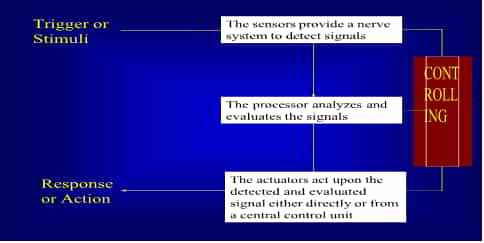
Smart textiles are defined as textiles that can sense and react to environmental conditions or stimuli from mechanical, thermal, chemical, electrical, or magnetic sources. According to functional activity, smart textiles can be classified into three categories:
Smart textiles are materials that are developed and/or designed for a special need or application where very high performance is required. Smart textiles may combine fabrics with glass, ceramics, metal, or carbon to produce lightweight hybrids with incredible properties. Sophisticated finishes, such as silicone coatings and holographic laminates, transform color, texture, and even form.
Smart Textiles Materials should have the following
- Optimized moisture management
- Better heat flow control
- Improved thermal insulation
- Breathability
- High performance in hazard protection
- Environmental friendly
- Increased abrasion resistance
- Health control and healing aid
- Body control
- Easy care
- High aesthetic appeal
- Enhanced handle
- High/low visibility

The action of Smart textiles
Classification of Smart Textiles
Passive Smart materials
Passive smart materials can only sense environmental conditions or stimuli. The first generations of smart textiles, which can only sense the environmental conditions or stimulus, are called Passive Smart Textiles.
Active Smart materials
Active smart materials, which sense and react to the condition or stimuli. The second generation has both actuators and sensors. The actuators act upon the detected signal either directly or from a central control unit. Active smart textiles are shape memory, chameleonic, water-resistant and vapour permeable (hydrophilic/non porous), heat storage, thermo regulated, vapour absorbing, heat evolving fabric and electrically heated suits.
Very Smart materials
Very smart materials, which can sense, react and adapt themselves accordingly. Very smart textiles are the third generation of smart textiles, which can sense, react and adopt themselves to environmental conditions or stimuli. A very smart or intelligent textile essentially consists of a unit, which works like the brain, with cognition, reasoning and activating capacities. The production of very smart textiles is now a reality after a successful marriage of traditional textiles and clothing technology with other branches of science like material science, structural mechanics, sensor and actuator technology, advance processing technology, communication, artificial intelligence, biology, etc.
Intelligent materials
Intelligent materials are those capable of responding or being activated to perform a function in a manual or pre-programmed manner. New fiber and textile materials, and miniaturised electronic components make the preparation of smart textiles possible, in order to create truly usable smart clothes. These intelligent clothes are worn like ordinary clothing, providing help in various situations according to the designed applications.
Application of Smart and Intelligent Textiles
Shape Memory Materials
These are the materials which are stable at two or more states of temperature. In these different temperature states, they have the potential to assume different shapes, when their transformation temperatures have been reached. There are another type of shape memory materials which are basically composed of electro active polymers (EAPs), which can change shape in response to electrical stimuli. Shape changing fibers, yarns and fabrics are also produced with the help of suitably designed stimuli sensitive copolymers that respond quickly and reversibly to small changes in temperature and pH. These materials are capable of providing sensing functions. EAPs can provide a range of basic actuator mechanisms, force and displacement levels. Also yarns made from Shape Memory Polymers are widely used to make fabrics which possess different properties below and above the temperature at which it is activated.
Principle of shape memory materials
There are two types of Shape Memory Materials .
- The first classes are materials stable at two or more temperature states. In these different temperature states, they have the potential to assume different shapes, when their transformation temperatures have been reached. This technology has been pioneered by the UK Defence Clothing and Textiles
- The other types of shape memory materials are the electroactive polymers, which can change shape in response to electrical stimuli. In the last decade there have been significant developments in electroactive polymers (EAPs) to produce
substantial change in size or shape and force generation for actuation mechanisms in a wide range of applications. In contrast to many conventional actuation systems, many types of EAPs are also capable of providing sensing functions. EAPs can provide a range of basic actuator mechanisms, force and displacement levels.

Shape Memory Textiles
Chromic Materials
Other types of intelligent textiles are those, which change their colour reversibly according to external environmental conditions, for this reason they are also called chameleon fibres .Chromic materials are the general term referring to materials which radiate the colour, erase the colour or just change it because its induction caused by the external stimulus, as “Chromic” is a suffix that means colour. Therefore we can classify chromic materials depending on the stimulus affecting them.
- Photochromic: external stimulus is light.
- Thermochromic: external stimulus is heat.
- Electrochromic: external stimulus is electricity.
- Piezorochromic: external stimulus is pressure.
- Solvatechromic: external stimulus is liquid or gas.
Materials and applications in Smart Textiles
Photocromic materials are generally reversible unstable organic molecules that change of molecular configuration with the influence of a special radiation. The molecular arrangement also perturbs the absorption spectra of the molecule and in consequences it colour. The applications in textile are intended to the fashion area and only a few for the solar protection.
Thermochromic materials are those whose colour changes as a result of reaction to heat, especially through the application of thermochromic dyes whose colours change at particular temperatures. Two types of thermochromic systems that have been used successfully in textiles are: the liquid crystal type and the molecular rearrangement type. In both cases, the dyes are entrapped in microcapsules and applied to garment fabric like a pigment in a resin binder .
The most important types of liquid crystal for thermochromic systems are the so-called cholesteric types, where adjacent molecules are arranged so that they form helices. Thermochromism results from the selective reflection of light by the liquid crystal. The wavelength of the light reflected is governed by the refractive index of the liquid crystal and by the pitch of the helical arrangement of its molecules. Since the length of the pitch varies with temperature, the wavelength of the reflected light is also altered, and colour changes occur. An alternative means of inducing thermochromism is by means of a rearrangement of the molecular structure of a dye, as a result of a change in temperature.
The most common types of dye, which exhibit thermo chromism through molecular rearrangement, are the spirolactones, although other types have also been identified. A colourless dye precursor and a colour developer are both dissolved in an organic solvent. The solution is then microencapsulated and is solid at lower temperatures. Upon heating, the system becomes coloured or loses colour at the melting point of the mixture. The reverse change occurs at this temperature if the mixture is then cooled. However, although thermochromism through molecular rearrangement in dyes has aroused a degree of commercial interest, the overall mechanism underlying the changes in colour is far from clear-cut and is still very much open to speculation.
The Sensory Baby Vest
The sensory baby vest is equipped with sensors that enable the constant monitoring of vital functions such as heart, lungs, skin and body temperature which can be used in the early detection and monitoring of heart and circulatory illness. It is hoped to use this vest to prevent cot death and other life-threatening situations in babies. The sensors are attached in a way that they do not pinch or disturb the baby when it is sleeping.
Reflective Technology
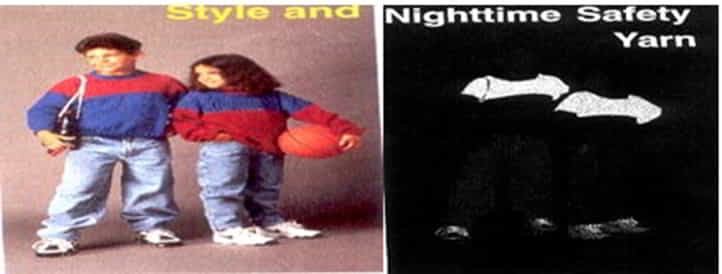
Technology has been created to convert proprietary materials into miniature reflectors that, when embedded into fabric by the millions, reflect oncoming light, such as automobile headlights, in a way that illuminates the full silhouette of a person, bicycle, or any other object. The reflectors are smaller than a grain of sand and finer than human hair. They can be embedded into the weave of almost any fabric. The end result is a fabric that remains soft to the touch and retains its function and fashion. During the day, the treated fabrics are indistinguishable from untreated fabrics.
Thermal Performance Enhancing Fabric
Hydroweave® provides extraordinary protection against heat, actively cooling the wearer through evaporation, and helping to maintain the core body temperature in high-heat environments. It is a three-layer design that combines special hydrophilic and hydrophobic fibers into a fibrous batting core. The batting is sandwiched between a breathable outer shell fabric and a thermally conductive, inner lining.
Flash Dried Fabrics
3XDRY® finishing technology was developed to provide a treatment that retains water resistance on the face of fabric and increases wicking on the back. The two functions are truly separated within the fabric, which remains highly breathable.
3XDRY® uses a special process to apply a hydrophilic finish on the back that wicks perspiration away from the body, spreading it over the fabric, and evaporating it quickly on the face. It also has a hydrophobic finish that repels water and dirt.
The fabric dries six to eight times faster than untreated fabric. 3XDRY ® also incorporates a hygienic treatment to control odor.
Protective Flex
The new “smart response” fiber is proving to enhance passenger safety because of its unique energy-management properties. Securus™ is the first in a new category of polyester copolymer fibers being developed for managed-load applications. It combines polyethylene terephthalate (PET), which provides restraining properties, and polycaprolactone (PCL), which provides flexibility and cushioning. During a collision, Securus fiber seat belts protect the passenger in a three-step process: holding the passenger securely in place; elongating and cushioning the body as it absorbs the energy of its forward motion, and restraining and limiting that motion.
Thermal Sensitivity
SmartSkin™ hydrogel is a new technology involving a hydrophilic/hydrophobic copolymer, which is embedded in an open-cell foam layer bonded to the inside of a closed-cell neoprene layer in a composite wet suit fabric with nylon or nylon/Lycra® outer and inner layers. SmartSkin absorbs cold water that has flushed into the suit and expands to close openings at the hands, feet, and neck, preventing more water from entering. Water trapped inside the suit heats up upon body contact. If the water warms up past a transition temperature determined by the proportion of hydrophilic to hydrophobic components, the hydrogel releases water and contracts, allowing more water to flush through the suit. This passive system constantly regulates the internal temperature — no batteries or mechanical action are needed.
Phase Change Materials
Outlast® temperature-regulating technology effectively recycles body heat, keeping the wearer’s skin temperature within a comfortable range. Outlast was first developed for use in astronaut uniforms and as a protection for instruments against the severe temperature changes in outer space. The technology is now used in apparel, footwear, equipment, and linens. Outlast is a paraffin wax compound that is micro-encapsulated into thousands of minuscule, impenetrable, hard shells. It recycles body heat by absorbing, storing, distributing, and releasing heat on a continuous basis, keeping the wearer’s skin temperature within a comfortable range.
Wearable Technology
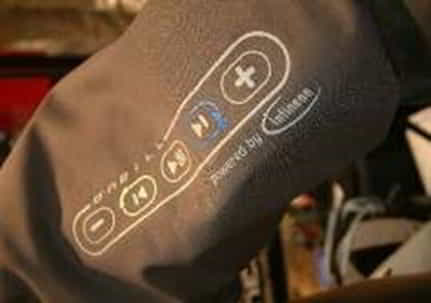
Clothing is currently supposed to have more functions than just certain climatic protection and a good look. These functions can be referred to as wearing and durability properties. A revolutionary new property of clothing is to exchange information. Clothing is now capable of recording, analyzing, storing, sending, and displaying data, which is a new dimension of intelligent systems. Clothing can extend the user’s senses, augment the view of reality and provide useful information anytime and anywhere the user goes.
Application fields are:
- Working: displaying helpful data, connecting to the internet or to other people
- Medicine: monitoring health parameters
- Security: detecting danger, calling for help
Wearable Technology
Bio-mimics
Fibers have been developed that can quickly change their color, hue, depth of shade or optical transparency by application of an electrical or magnetic field could have applications in coatings, additives, or stand-alone fibers. Varying the electrical or magnetic field changes the optical properties of certain oligomeric and molecular moieties by altering their absorption coefficients in the visible spectrum as a result of changes in their molecular structure.
The change in color is due to the absence of specific wavelengths of light; it varies due to structural changes with the application of an electromagnetic field.
Tissue Engineering
Tissue engineering uses living cells and their extracellular components with textile-based biomaterial scaffolds to develop biological tissues for human body repair. The scaffolds provide support for cellular attachment and subsequent controlled proliferation into predefined tissue shapes. Such an engineering approach would solve the severe shortage problem associated with organ transplants. Textile-based scaffolds have been used for such tissue engineering purposes. The most frequently used textile-based scaffolds are non-woven structures, preferably of biodegradable materials, because then there is no permanent foreign-body tissue reaction toward the scaffolds and, over time, there is more volume space into which the engineered tissue can grow.
Detection of Vital Signals
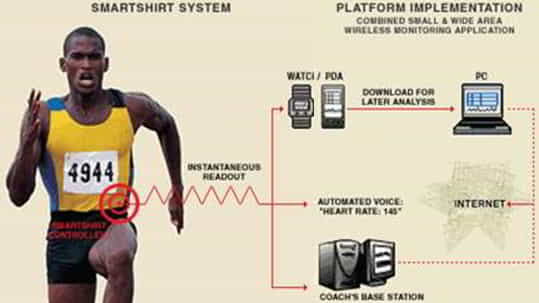
Sensatex is developing a SmartShirt™ System specifically for the protection of public safety personnel, namely firefighters, police officers, and rescue teams. Used in conjunction with a wireless-enabled radio system, the SmartShirt™ can monitor the health and safety of public safety personnel/victims trapped in a building or underneath rubble with the ability to detect the exact location of victims through positioning capability. In addition to monitoring vital signs, the system can detect the extent of falls, and the presence of hazardous gases; it also offers two-way voice communication.
Global Positioning System (GPS)
Textiles integrated with sensory devices driven by a GPS can detect a user’s exact location anytime and in any weather. Interactive electronic textiles with integrated GPS enhance safety by quickly locating the wearer and allowing the suit to be heated. GPS can provide added safety for firefighters and emergency personnel by facilitating offsite monitoring of vitals. It is wireless, hands-free communication. Fabric area networks (FANs) enable electronic devices to exchange digital information, power, and control signals within the user’s personal space and remote locations. FANs use wireless RF communication links using currents measuring one nanoamp; these currents can transmit data at a speed equivalent to a 2400-baud modem.
Global Positioning System (GPS)
Cooling – Warming System
A new high-tech vest has been developed to help keep soldiers, firefighters, etc. alive in the searing temperatures of deserts, mines, and major fires. The vest uses a personal cooling system (PCS), which is based on heat pipe technology which works by collecting body heat through vapor-filled cavities in a vest worn on the body. The heat is then transferred via a flexible heat pipe to the atmosphere with the help of an evaporative cooling heat exchanger. The heat exchanger is similar in principle to a bush fridge where a cold cloth is put over a container and the temperature drop caused by evaporation keeps the food cool. It is designed to be worn by personnel underneath NBC (nuclear, biological, and chemical) clothing, body armor, and other protective clothing.
Warning Signaling
A combination of sensors and small flexible light-emitting displays (FLED) can receive and respond to stimuli from the body, enabling a warning signal to be displayed or sent. The sensors can monitor EKG, heart rate, respiration, temperature, and pulse oximetry readings. If vital signals were below critical values, a FLED would automatically display, for example, a flashing red light, and a wireless communication system could send a distress signal to a remote location.
Self Cleaning Fabrics
Far from being a dream, nanotechnology has proved successful in many of the emerging businesses during this time including textiles and fashion industries. Out of some of the most exciting areas of challenges and opportunities in this field such as the development of carbon nano tube-based “super carbon fiber”, solar cells to store energy for electro textiles, Quantum dots to create the shades which are not achievable by normal techniques, etc., self-cleaning fabric is of major interest for garment and fashion-related industries

Nanosize particles of Titanium Dioxide, Zinc Oxide, etc, possess photocatalytic and oxidizing ability which is exploited in making self-cleaning fabrics. The fabric is coated with a thin layer of titanium dioxide particles that measure only 20 nanometers in diameter. When this semi-conductive layer is exposed to light photons with energy equal to or greater than the bandgap of the titanium dioxide excites electrons up to the conduction band.
The excited electrons within the crystal structure react with oxygen atoms in the air, creating free-radical oxygen. These oxygen atoms are powerful oxidizing agents, which can break down most carbon-based compounds through oxidation-reduction reactions. In these reactions, the organic compounds (i.e. dirt, pollutants, and microorganisms) are broken down into substances such as carbon dioxide and water. Since the titanium dioxide only acts as a catalyst to the reactions, it is never used up. This allows the coating to continue breaking down stains over and over.
Electrical conductive fabrics
Electrical conductive fabrics are manufactured by using metals and polymers. However, the same materials can be used for both conductivity (thermal and electric). Fabrics are manufactured by direct use of conductive yarns in order to provide a versatile combination of physical and electrical properties for a variety of demanding applications. The yarn could constitute metal such as silver, copper, etc… or conductive polymers such as polythiophene, polyaniline, and their derivatives. These conductive fabrics satisfy very well all the important properties that a garment should have. They are lightweight, durable, flexible, and cost-competitive and they are able to be crimped and soldered, and subjected to textile processing without any problems.
Smart Bra
One of the best examples of conductive polymer-coated fabric for improving the comfort properties of women is the Smart Bra, an Australian invention. Wallace et. al at the University of Wollongong has developed a bra that will change its properties in response to breast movement. This bra will provide better support to active women when they are in action. The smart bra will tighten and loosen its straps, or stiffen and relax its cups to restrict breast motion, preventing breast pain and sag. The fabrics can alter their elasticity in response to information about how much strain they are under.
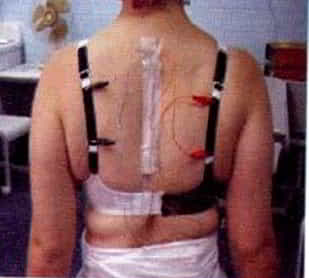
The smart bra will be capable of instantly tightening and loosening its straps or stiffening cups when it detects excessive movement These conductive fabrics have also found wide application in the field of making sports garments. Also, these conductive textile materials can be used as heated clothes for extreme winter conditions or heated diving suits to resist very cold water. Other main applications of conductive textile materials are their uses for the power supply of electronic devices used in the garments called “SMART SHIRT” which is manufactured for use in combat conditions, for fire-fighters where the sensor that monitors oxygen or hazardous gas levels and other sensors monitor respiration rate and body temperature, etc.
Electronic Embedded Smart Textiles
Today, the interaction of human individuals with electronic devices demands specific user skills. In this context, the concept of smart clothes promises greater user-friendliness and more efficient services cost level of important microelectronic functions is sufficiently low 5, and enabling key technologies are mature enough to exploit this vision. An interconnect and packaging technology is demonstrated using a polyester narrow fabric with several warp threads replaced by copper wires which are coated with silver and polyester. Six of those parallel conductive warp threads from one lead. For the electrical connections, the coating of the wires and the surrounding textile material is removed by laser treatment forming holes.
Wearable computing
Electronic circuits built entirely out of textiles to distribute data and power have been devised by researchers at MIT, USA. They can perform touch sensing, and use passive components sewn from conductive yarns as well as conventional electronic components. This creates interactive electronic devices such as musical keyboards and graphic input surfaces. One day entire computers may be made from textile articles that people prefer to wear. And these electronic circuits are a modest beginning in that direction.
The first conductive fabric tried was silk organza which contains two types of fibers. On the warp is a plain silk thread while running in the other direction on the weft is a silk thread wrapped in thin copper foil. This metallic yarn is prepared just like cloth-core telephone wire and is highly conductive.
The silk fiber core has high tensile strength and can withstand high temperatures. This allows the yarn to be sewn or embroidered with industrial machinery. The spacing between these fibers also permits them to be taken care of individually, so a strip of this fabric can function like a ribbon cable. Circuits fabricated on organza only need to be protected from folding contact with themselves, which can be accomplished by coating, supporting or backing the fabric with an insulating layer which can also be cloth. There are also conductive yarns manufactured specifically for producing filters for the processing of fine powders.
These yarns have conductive and cloth fibers interspersed throughout. Varying the ratio of the two constituent fibers leads to differences in resistivity. These fibers can be sewn to create conductive traces and resistive elements. While some components such as resistors, capacitors, and coils can be sewn out of fabric, there is still a need to attach other components to the fabric. This can be done by soldering directly onto the metallic yarn. Surface mount LEDs, crystals, piezo transducers, and other surface mount components with pads spaced more than 0.100 inches apart are easy to solder into the fabric.
Once components are attached, their connections to the metallic yarn may need to be mechanically strengthened. This can be achieved with acrylic or another flexible coating. Components with ordinary leads can be sewn directly into circuits on fabric, and specially shaped feet could be developed to facilitate this process. Gripper snaps make excellent connectors between the fabric and electronics. Since the snap pierces the yarn it creates a surprisingly robust electrical contact. It also provides a good surface to solder to. In this way, subsystems can be easily snapped into clothing or removed for washing.
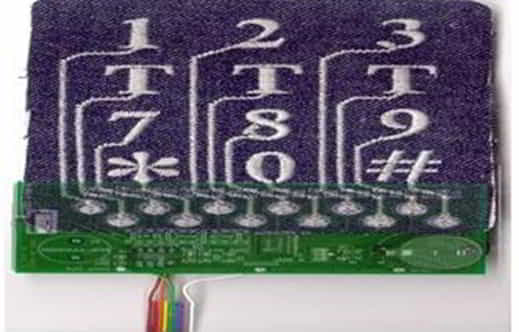
Wearable electronic circuit
Several circuits have been built on and with fabric to date, including busses to connect various digital devices, microcontroller systems that sense proximity and touch, and all-fabric keyboards and touchpads. Building systems in this way is easy because components can be soldered directly onto the conductive yarn.
The addressability of conductors in the fabric makes it a good material for prototyping and it can simply be cut where signals lines are to terminate. Keyboards can also be made in a single layer of fabric using capacitive sensing [Baxter97], where an array of embroidered or silk-screened electrodes make up the points of contact. This is shown in the figure. A finger’s contact with an electrode can be sensed by measuring the increase in the electrode’s total capacitance.
It is worth noting that this can be done with a single bidirectional digital I/O pin per electrode, and a leakage resistor sewed in highly resistive yarn. Capacitive sensing arrays can also be used to tell how well a piece of clothing fits the wearer because the signal varies with pressure.
The keypad is flexible, durable, and responsive to touch. A printed circuit board supports the components necessary to do capacitive sensing and output keypress events as a serial data stream.
The circuit board makes contact with the electrodes at the circular pads only at the bottom of the electrode pattern. In a test application, 50 denim jackets were embroidered in this pattern. Some of these jackets are equipped with miniature MIDI synthesizers controlled by the keypad.
The responsiveness of the keyboard to touch and timing were found by several users to be excellent. These researchers have tried to combine conventional sewing and electronics techniques with a novel class of materials to create interactive digital devices. All of the input devices can be made by seamstresses or clothing factories, entirely from fabric. These textile-based sensors, buttons, and switches are easy to scale in size. They also can conform to any desired shape, which is a great advantage over most existing, delicate touch sensors that must remain flat to work at all. Subsystems can be connected together using ordinary textile snaps and fasteners. Finally, they can be washed like regular clothes when subjected to dirt.
Smart Textiles in Fashion
Chameleonic textiles
Chameleonic textiles
These are intelligent textiles which change color (because the dye applied on the surface change color) with change in temperature. Chromic materials are the general term referring to materials which radiate the colour, erase the colour or just change it because of its induction caused by the external stimuli, such as light, heat, electricity, solvent, pressure.
The color change is especially due to application of thermo chromic dyes whose color changes at particular temperature. 2 types of thermo chromic systems that have been successfully applied to textiles may be recognized, the liquid crystal type and the molecular rearrangement type. In both the cases, the dye is entrapped in microcapsules, applied to garment fabric like a pigment in a resin binder.
The most important types of liquid crystals for the thermo chromic systems are the so called cholesteric types, where adjacent molecules are so arranged that they form helices. Themochromism results from selective reflection of light by the liquid crystal. The wavelength of the light reflected is governed by the refractive index of the liquid crystal and by the pitch of the helical arrangement of its molecules. Since the length of the pitch varies with temperature, the wavelength of the reflected light is also altered, and a color change results.
An alternative way of inducing thermo chromism is by means of a rearrangement of the molecular structure of a dye as a result of a change in temperature. The most common types of dye which exhibit thermo chromism through molecular rearrangement are the Spiro lactones, although other types have also been identified.
A colorless dye precursor is microencapsulated and is solid at lower temperatures. On heating, the system becomes colored or loses color at the melting point of the mixture. The reverse change occurs at this temperature if the mixture is then cooled. However, although thermo chromism and molecular rearrangement in dyes has aroused a degree of commercial interest, the overall mechanism underlying the changes in color is far from clear cut and is still very much open to speculation7.
A temperature sensitive fabric with trade name SWAY was manufactured by introducing microcapsules, diameter 3-4mm to enclose heat sensitive dyes, which are resin coated homogeneous over fabric surface. The microcapsules were made of glass and contained the dyestuff, the chromophore agent (electron acceptor) and color neutralizers (alcohol etc.) which reacted and exhibited color/no color according to environmental temperature. SWAY had 4 basic colors and 64 combined colors. It could reversibly change color at temperature greater than 5◦C and could be operated from -40◦C to 80◦C.
Danial Cooper has designed a jacket that is useful for protecting the wearer from pollution. The front panels are made of nylon fabric embedded with nitrogen oxide, sulfur dioxide and ozone monitors. When there is pollution, the fabric changes its color from blue to orange16.
Musical Jackets
Musical jacket turns an ordinary jacket into a wearable musical instrument. Musical jacket allows the wearer to play notes, chords, rhythms, and accompaniment using any instrument available in the general music scheme. It integrates fabric keypad, a sequencer, synthesizer, amplifying speakers, conductive organza, and batteries to power these subsystems.
The smart suit consists of global mobile system for communication, functional architecture for navigation, and electrically heated fabric panels for heating. The sensor system consists of a heart rate sensor, three position and movement sensors, ten temperature sensors, an electrical conductivity sensor and two impair detecting sensors.
The implementations and synchronization requires a user interface (UI), a central processing unit (CPU) and a power source. Each main module, excluding the sensors and the user interface is set into the supporting vests. This smart suit allows easy, fast, and cost efficient group communication. A cellular telephone, loudspeaker and microphone are incorporated in the belt. By pulling a tag on this belt, communication can be achieved by groups of people.
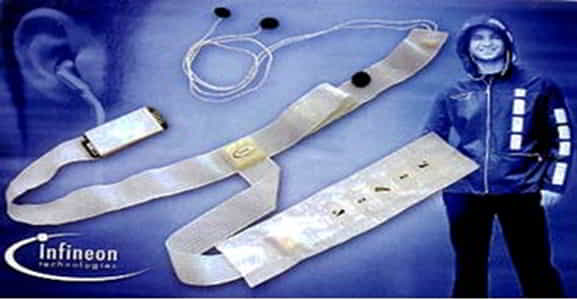
Smart mp3 player
Aviation
Aircraft maneuverability depends heavily on the movement of flaps found at the rear or trailing edge of the wings. The efficiency and reliability of operating these flaps is of critical importance. Most aircraft in the air today operate these flaps using extensive hydraulic systems. These hydraulic systems utilize large centralized pumps to maintain pressure, and hydraulic lines to distribute the pressure to the flap actuators. In order to maintain reliability of operation, multiple hydraulic lines must be run to each set of flaps. This complex system of pumps and lines is often relatively difficult and costly to maintain. Many alternatives to the hydraulic systems are being explored by the aerospace industry. Among the most promising alternatives are piezoelectric fibers, electrostrictive ceramics, and shape memory alloys.
The flaps on a wing generally have the same layout shown on the left, with a large hydraulic system attached to it at the point of the actuator connection. “Smart” wings system is much more compact and efficient, in that the shape memory wires only require an electric current for movement.
The shape memory wire is used to manipulate a flexible wing surface. The wire on the bottom of the wing is shortened through the shape memory effect, while the top wire is stretched bending the edge downwards, the opposite occurs when the wing must be bent upwards. The shape memory effect is induced in the wires simply by heating them with an electric current, which is easily supplied through electrical wiring, eliminating the need for large hydraulic lines. By removing the hydraulic system, aircraft weight, maintenance costs, and repair time are all reduced. The smart wing system is currently being developed cooperatively through the Defense Advanced Researched Project Agency (DARPA, a branch of the United States Department of Defense), and Boeing.

Smart jet
Space research
Spacesuits
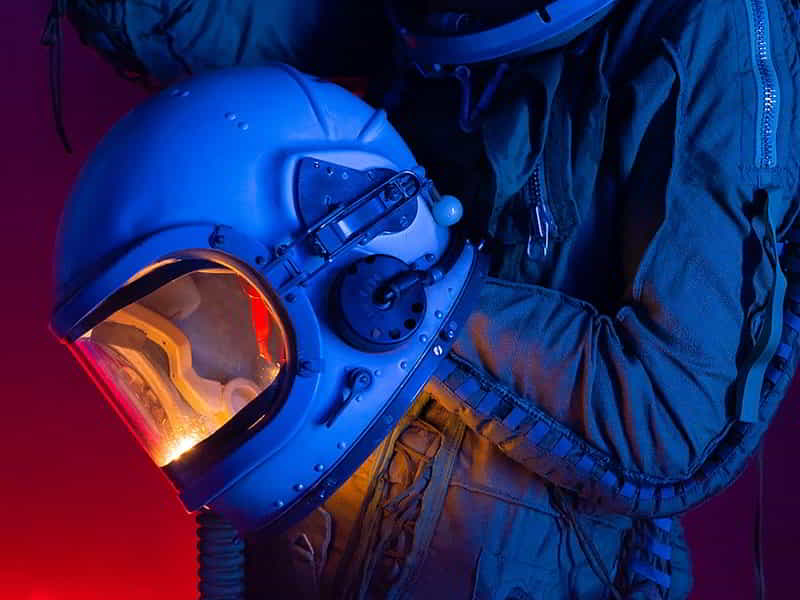
The earliest developed Apollo spacesuits contained an inner layer of nylon fabric with network of thin walled plastic tubing which circulated cooling water around the astronaut to prevent overheating. This inner layer was comfort layer of lightweight nylon with fabric ventilation ducts, and then a three layer system formed the pressure garment.
Then aluminized Mylar was used for heat protection, mixed with four spacing layers of Dacron. These were covered with a non flammable and abrasion protective layer of Teflon-coated beta cloth. The outer layer was Teflon communication cloth. The backpack unit contained a life support system providing oxygen, water and radio communications.
Thus we have considered the major interesting applications of smart textiles in various sectors. We have also considered the mechanism by which these smart systems operate and also reviewed the process of manufacturing.
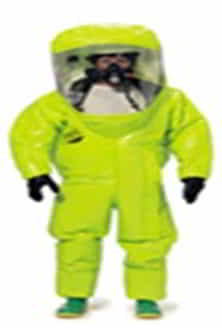
Space suite
Market overview
Smart or Interactive Textiles is a new market segment resulting from the miniaturisation of electronics and the fall in price of components and manufacturing costs for both electronics and textiles. A simultaneous trend in the clothing industry toward manufacture of specific products for dedicated uses i.e. for running, skiing, golf and extreme sports has created a niche where smart and interactive textiles enable new functions and features that can enhance a garments performance and its wearers experience.
Market drivers
Low cost fibre and textile manufacturing in Asia and India has caused significant cut backs in production in Western Europe and has pressed traditional textile companies to look to new technologies to add value in the design phase of a production. Such new technologies are immature and often promoted by start-up companies that are spin-offs from professional research. With limited funding to commercialise their products, the result is that some of the most exciting technologies have not yet been exploited to the full.
Market Structure
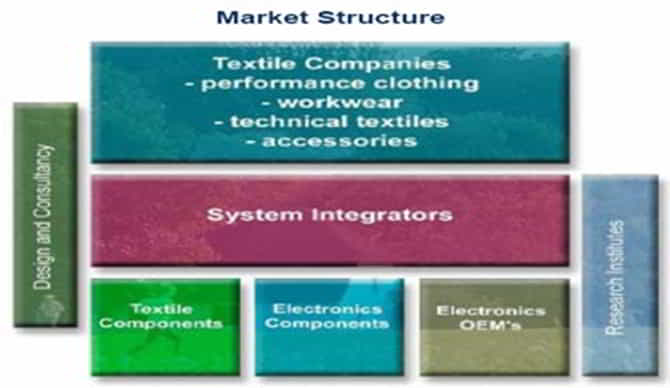
Market Structure and stakeholders
While smart textile applications have made a limited commercial impact so far, with relatively small volumes of commercial products launched primarily in the high performance apparel sector predictions for growth of the smart textile market as a whole are huge. According to the Venture Development Corporation the market for electrically enabled smart fabrics and interactive textile technologies was worth US$340.0 million in 2005.
By 2008 it is expected to be worth US$642.1 million, representing a compound annual growth rate of 28.3%. While some predictions do not agree on the total value of the market, they are all agreed that the market for smart textiles is one of the most dynamic and fast growing sectors and offers huge potential for companies willing to take the plunge. Not surprisingly, most of the smart textile consumer products launched so far have been introduced onto the luxury end of the performance clothing market where development costs can be more readily absorbed by higher prices.
Companies dominating this segment are those who already have a significant market share such as Nike, Adidas and ONeill. Products launched in this sector show a clear trend toward strong design features coupled with simple to operate functions that are highly relevant to the garments wearer in the particular use situation.
A good example of this is the Nike plus running shoe. Cooperation with IT giant Apple has resulted in a simple user friendly web interface that enables runners to motivate themselves and each other by uploading data recorded by the sensor in the shoe and transferring it to a standard iPod nano. The system is stylish, simple to operate and enables runners to track their performance and set new targets to be reached.
Major actors in the performance clothing segment
- Adidas, Nike
- ONeill, Burton, North Face, Rosner
Monitoring health and vital signs, commercial products in 2007
- VivoMetrics (Lifeshirt)
- Adidas, Numetrex
Textile Components
- Eleksen, Peratech Ltd,
- Fibretronic
- Textronics
Electronics Components Manufacturers
- Philips
- Infineon
- Motorola
- CSR
Electronics OEMs
- Philips
- Nokia
- Motorola
System Integrators
- Interactive Wear, Ohmatex, Fibretronix
- Clothing
- Polar
Areas of Possible Smart Textile Integrations
- Military (e.g. uniforms which can detect chemical threats in a battlefield)
- Airplanes (e.g. in manufacture of flaps found in aircraft wings)
- Biomedical field (e.g. manufacture of smart sutures, tissues)
- Space research (e.g. special spacesuits designed for astronauts)
- Comfort wears (e.g. fabrics which can maintain body temperature)
- Sports (e.g. fabrics which can make athletes feel comfortable even in stretched body conditions)
- Fashion clothing (e.g. fabrics which can change color according to ambient temperatures)
Smart textiles have a lot many applications besides the abovementioned ones, but before we discuss them let us concentrate on the fundamental mechanisms that make a fabric smart. In this new era the smart textiles are considered also as textronics.
The term textronics refers to interdisciplinary approaches in the processes of producing and designing textile materials, which began about the year 2000. It is a synergic connection of textile industry, electronics and computer science with elements of automatics and metrology knowledge.
A new quality is achieved as result of using component elements, which thanks to mutual feedback increase their affect. This can be obtained by the physical integration of microelectronics with textile and clothing constructions. The main task of textronics is to produce multifunctional, intelligent products with complex inner structures, but which have uniform functional proprieties. Textronic products are characterised by the following features:
Flexibility meaning facility in modifying the construction at the stage of design, production and exploitation; for example, modular construction;
Intelligence of the textiles referring to the possibility of an automatic change in properties influenced by external factors (parameters) and even taking decisions, which means learning or communication with the environment.
Multifunctionality, or the ease of realising different functions by one product.
It can be stated that textronics means the design and production of intelligent and interactive textile materials which are characterised by variable structures or electrical resistance, which include microchip elements and is characterised by self-adaptive features.
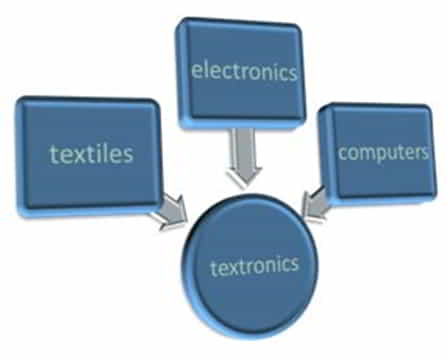
Textronic
New markets for textiles
Chemical engineering developments in recent years have led to development of textile fibres with properties such as extreme strength, lightness in weight and where fibres can change their shape dependant upon temperature or other external stimuli. These features are just beginning to be exploited in entirely new sectors, where textiles have not traditionally been standard materials. Applications are widely predicted to be highly diverse, covering segments from EMI shielding in automotive, planes and the like to use as moulding forms for architectural components and to reinforce and strengthen concrete building elements.
European Union (EU) Projects in Smart Textiles and Clothing
A number of EU projects in smart textiles have been supported the last decades. Most of the supported projects are within the health monitoring area. Another type of project at EU-level develop enabling technologies for smart textiles, for example stretchable electronics, integration of electronics in textiles, technologies that are necessary for the development of smart textiles applications.
The smart textiles system consists of two types of materials, the textile and the electronics. While textile materials and structures are soft, pliable and flexible electronics are hard and brittle. Since the integration of electronics into textile structures is crucial in a smart textile system the development of new technologies that enables the convergence between textile and electronics is required. Another challenge in these projects has been to make use of the already developed sensor technologies in the field of electronics and investigate of these sensors could be applied and integrated in textile structures.
Sensor Materials And Structures
The basis of a sensor is that it transforms one type of signal into another type of signal. There are different materials and structures that have the capacity of transforming signals.
- A thermal sensor for examples, detects thermal change.
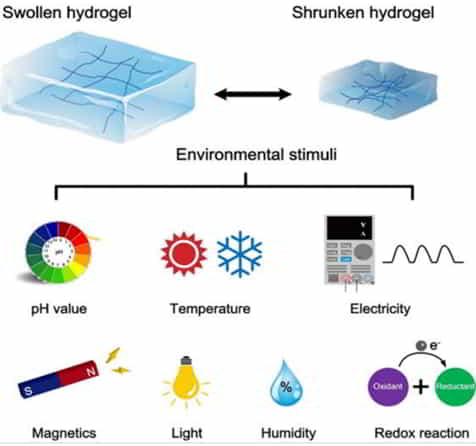
- Other examples are stimuli-responsive hydrogels that swell in response to a thermal change.
- Humidity sensors that measure absolute or relative humidity. Pressure sensors convert pressure to an electrical signal.
- Strain sensors convert strain into an electrical signal.
- Chemical sensors are a series of sensors that detect presence and concentration of chemicals.
- Biosensor is a sensing device that contains biological elements which is the primary sensing element. This element responds with a property change to an input analyte, for example the sensing of blood glucose levels.
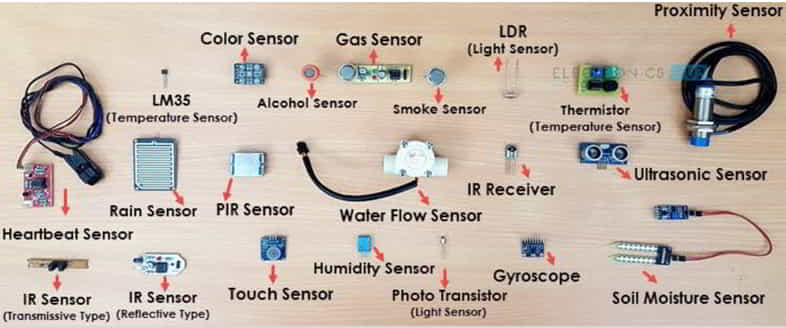
Actuator Materials And Structures
- Actuators respond to a signal and cause things to change colour, release substances, change shape and others. Chromic materials, which are widely used in smart textile applications, as colour change material, change their optical properties due to stimuli like temperature, light, chemical, mechanical stress etc.
- Stimuli-responsive hydrogel is a three-dimensional polymer network that responds to stimuli such as pH, electric filed or temperature changes. The response is swelling and they are also able to release chemicals when required [Lam Po Tang, Stylos].
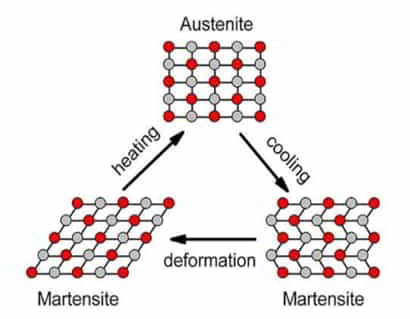
- Shape memory materials transform energy, mostly thermal, into motion and are able to revert from one shape to a previously held shape. There are two types of shape-memory materials, Shape Memory Alloys, SMA, based on metal, and Shape Memory Polymers, SMP.
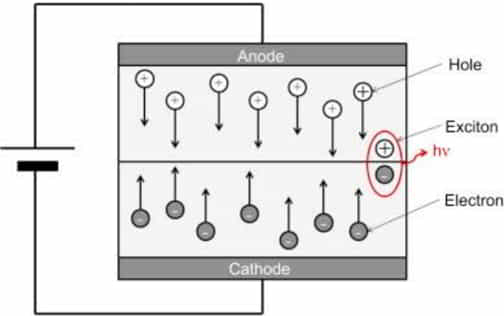
- Electroluminescence materials are light-emitting materials where the source of excitation is an applied voltage. Light-emitting diodes convert electrical potential to light and are often used as actuators in smart textile applications.
Conductive Materials
- Besides sensors and actuators there is a group of materials that conducts electricity, these are the conductors.
- They are usually not categorised as sensors or actuators but, due to their conductive properties, they are useful in smart applications.
- As pathways to transferring data information but they are also important components in the creation of sensors and actuators.
- Metals, like silver and copper are the most conductive materials. Carbon has a good conductivity and is used both in its own pure form but also blended in other material to enhance their conductivity for example silicone.
- Conductive polymers are organic materials that are able to transport electricity. There are difficulties to be faced both in the processing of these materials as well as a non-sufficient conductivity for most applications, however in the creation of sensor conductive polymers could be used since these applications are not always dependant on high conductivity
Electronics
- In terms of intelligence, the smart system will require a central processing unit that will carry out data to the different sensors and decide action on the basis of the results.
- The processing unit consists of hardware and software where the software causes unique dynamic behaviour in real time.
- The traditional package of computing material is a computer that allows data processing as well as communication.
- The processing unit is a complex structure of electronic circuitry that executes stored program instructions.
- Included in this structure are; integrated circuits, secondary storages, power supply and communications technologies.
- Most integrated circuits are made of silicon because of the semiconductor properties of this substance. Another type of circuit suitable for wearable application is organic electronics.
- These materials are flexible, lightweight, strong and have a low production cost, however the electronic properties of the conducting polymers do not match those of silicon.
The most common power sources are AA batteries or lithium batteries. Other forms of power supply such as flexible thin batteries have been considered and investigated.
Health monitoring for medical assistance
Health monitoring is a general concerns for patient requiring continuous medical assistance and treatment. In order to increase mobility for such patients a huge effort has been pursued for the development of wearable systems for the monitoring of physiological parameters such as respiration, cardiac activity or temperature of the body. Smart textiles play a growing role in these developments since they are well suited for wearability and washability that ensures the comfort for the user.

Wealthy
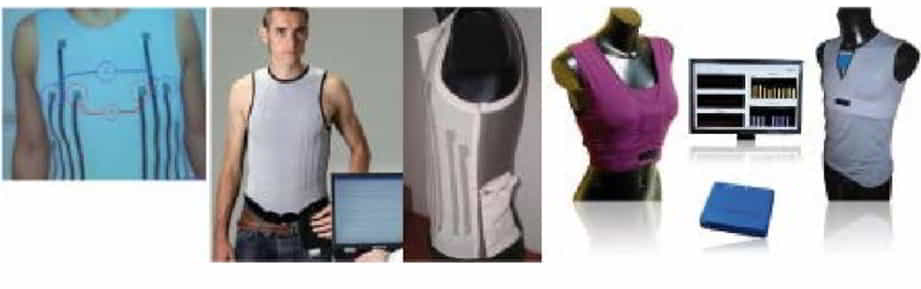
- The Wealthy project was one of the first EU-projects aiming to set up comfortable health monitoring system based on textile sensors, advanced signal processing techniques and modern telecommunication systems.
- The focus areas were cardiac patients during rehabilitation but also to assist professional workers to consider physical and physiological stress and environmental and professional health risks.
- In this project two types of sensors were developed for the integration in garments. The first sensor was a lycra based fabric coated with carbon black and rubber for the recording of breathing rate. The other sensor was made of metal-based yarns for the monitoring of heart rate.
- All sensors were integrated in a fully garment knitting process. Together with the textile development a miniaturized short-range wireless system was developed in order to transfer biophysiological signals from the garment to a computer or a mobile phone.
Proetex
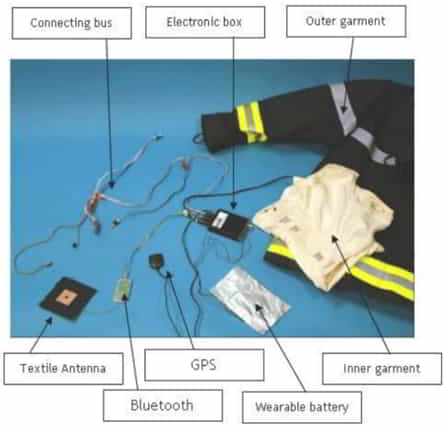
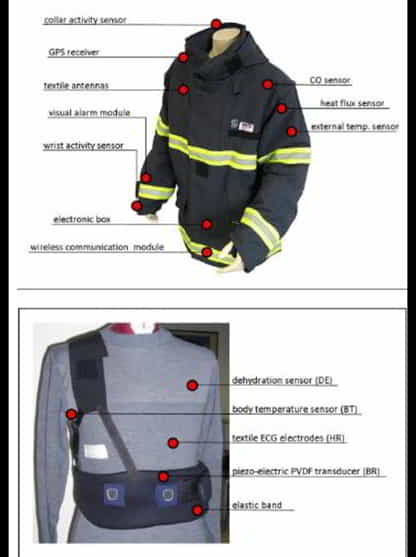
- The Proetex project aims to rescue firefighters and civil protection workers using the wireless monitoring of heart rate and temperature measurement.
- In this project, the heart rate was measured using integrated textile sensors while temperature was measures via integrated conventional temperature sensors.
- The concept consists of a belt and a tight-fitting t-shirt and a wearable interface for monitoring the operator’s health status and potential risk in the environment.
Stella Project
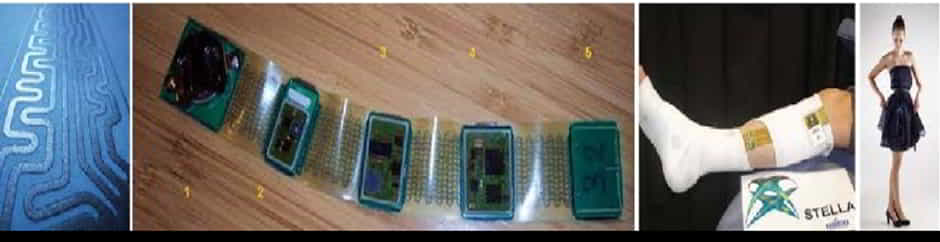
- The objective of the Stella project is the development of stretchable electronics for large area application for use in health care, wellness and functional clothes and for integrated electronics in stretchable parts and products.
- Stretchable electronics includes the integration of electronic components, energy supply, sensors and actuators or display and switches on a stretchable substrate with stretchable conductors.
- The main technologies that were developed in the project as new stretchable substrate with stretchable conductors, assembly technologies in stretchable substrates and finally integration methods for electronics products.
Dephotex Project
- The goal of Dephotex project was to explore and develop photovoltaic cells in order to get flexible photovoltaic textiles based on novel fibers allowing to take benefit from the solar radiation so as to turn it into energy.
- Since the development of first photovoltaic cells, solar energy is being an object of continuous research focused on improving the energy efficiency as well as the structure of photovoltaic cells.
- The research is based on novel fibers with conductive properties as substrate of the structure of flexible photovoltaic cells and materials and techniques in order to get flexible photovoltaic textiles.
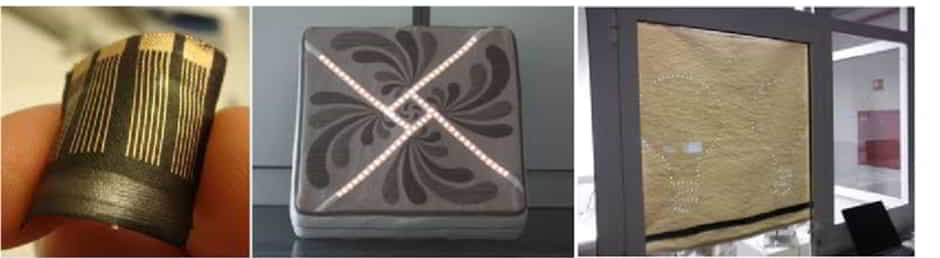
Commercial activities in smart textile and clothing
- Despite an extensive research effort in several projects for over 10 years there are only few smart textile clothing products on the market and the volume of business, if declared, seems to be modest in the context of fashion and clothing.
- However, there are some new established companies focused in the development and commercialization of smart textile clothing. An interesting aspect in these efforts to commercialize smart textiles is the interdisciplinary collaboration between companies in fashion and electronics respectively.
- Besides pure fashion companies there are some companies established that sells know how to integrate electronics into textiles and clothing.
Fashion and clothing companies
Clothing+
- Clothing + [Clothingplus] is a developer and producer of textile integrated sensors for several brands in the sports and medical area.
- The company does not develop the whole system, they develop and produce tailor-made textile structures and products that can measure anything on the human body to customer who develop required hardware and software in order to construct the final measurement system.
- The company created the first heart rate sensing shirt already in 1998 and in 2002 Clothing plus started mass-producing their heart rate sensor strap in their factory in china.
- Today clothing plus produces millions of sensor products every year to brands like Suunto, Adidas, Garmin, Philips and Timex. Clothing plus is focused on both sports and health care.
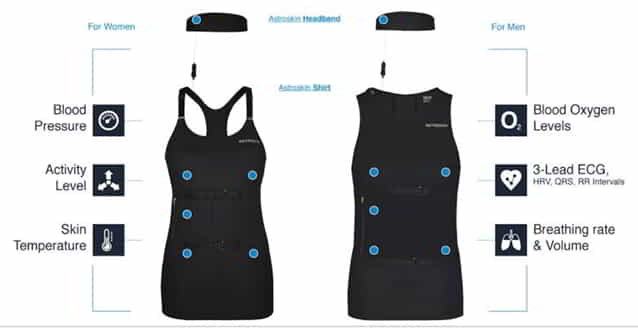
Cute Circuit
- Cute Circuit [CuteCircuit] is a fashion company based in London specializing in design of interactive fashion.
- The CuteCircuit product line includes Prét-à-Porter Collection, Haut Couture Collection and Special projects for unique performances.
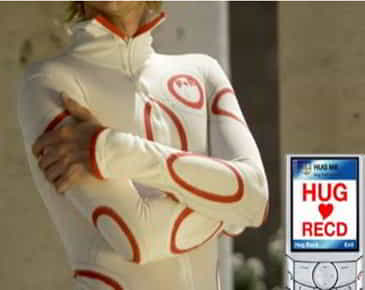
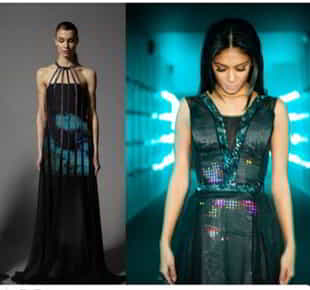
- Most of the garment design focus on the clothing using LED Technology and reflective materials, for example the Twinkle Dress Line. But there are also other approaches for example the Hug Shirt that enables people to send hugs over distance.
- The shirt is embedded with sensors that that feel the touch, the skin warmth and the heartbeat rate of the sender and actuators the sensation of touch, warmth and emotions of the hug to a shirt of another shirt.
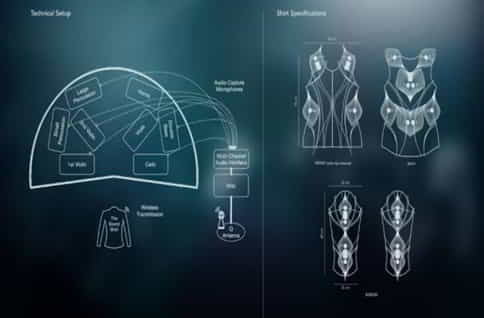
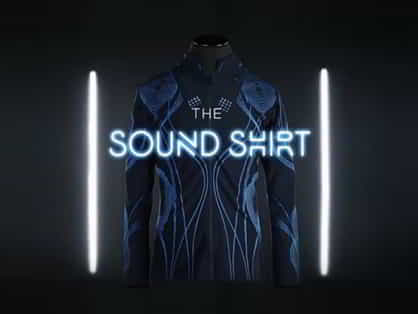

Hövding
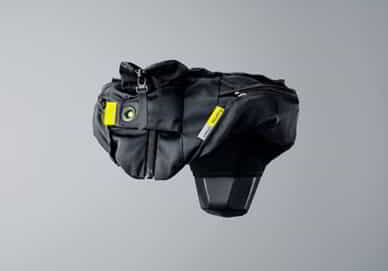
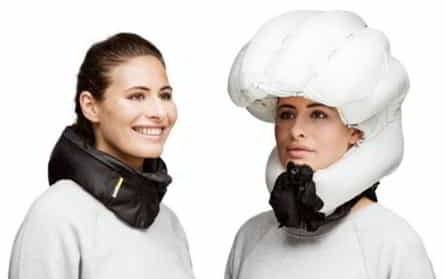
- Hövding is a Swedish company selling their patented product Hövding, a bike helmet integrated in a collar.
- Hövding is a collar worn around the neck and the collar contains an airbag that the user will only see when there is an accident. The airbag is shaped like a hood, surrounding and protecting the bicyclist’s head.
- The trigger mechanism is controlled by sensors, accelerometers and gyros that pick up and reacts on abnormal movements.
- When an accident occurs and the airbag inflates and surrounds the head tanks to an integrated gas inflator using helium, the inflator is similar to those used in motorcycle helmets with an airbag system.
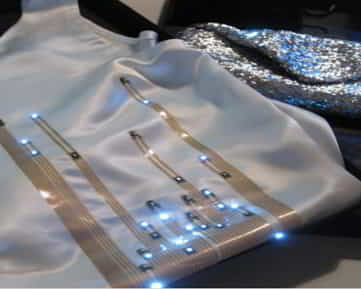
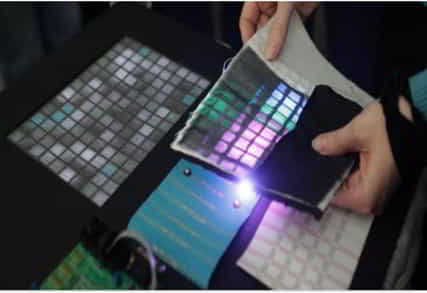
Moon Berlin
Moon Berlin is a German fashion company based in Berlin with the main idea to combine light technique with high fashion to create dynamic light and shadow effects.
The collection is made in cooperation with Frunhofer IZM, Stretchable Cricuit and a DAAN design studios.
Myontec
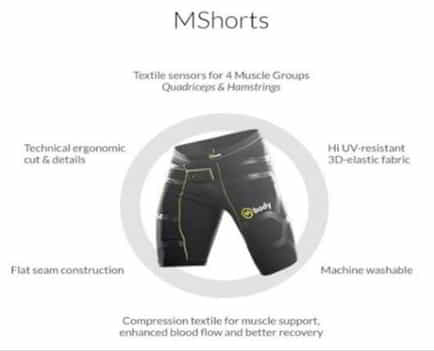
- Myontec [Myontec] is a company producing system for the monitoring of the performance and capacity of the muscles.
- The company portfolio consists of a system based in trousers and shirts integrated with sensors and different modules for the measurement and handling of measured data.The trousers are recording different muscles such as quadriceps,hamstrings, gastrocnemius and gluteus.
Textronics
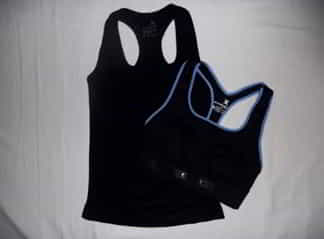
- Textronics [Textronics] is specialized in wearable electronics and textile sensors with a certain focus on sports performance.
- The company is incorporated in the Adidas group as Adidas Wearable sports. Their main product is the nuMetrex, a sportsbra with integrated textile sensor for the recording of heart rate.
- The core technologies are fibres, films and coatings that react to electrical, optical or magnetic signals embedded in knitting, woven or non-woven textile structures.
- The sensor portfolio consists of four groups of components. The first is the textile sensors used to monitor heart or breathing rate. The second is a family of conductive elastic yarns, which are building blocks in for example sensors and interconnects. These sensors consist of conductive nano-composite elastomeric polymers that exhibit changes in electrical conductivity as the material is stretched. The last group of components is conductive ribbon that attach to standard electronic connectors.
- They have also started 3d draping and virtual dressing room.

Utope
- Utope is a Austrian company creating smart clothing products by integrating wearable electronic systems into urban wear.
- Their only launched product so far is The Keep Safe Backpack including an alarm system based on stretchable electronic system developed by Fraunhofer IZM and a lightning jacket.
- The alarm system monitors all pockets and if they are opened unwanted there an alarm tone and a visual signal of red light will warn the user.
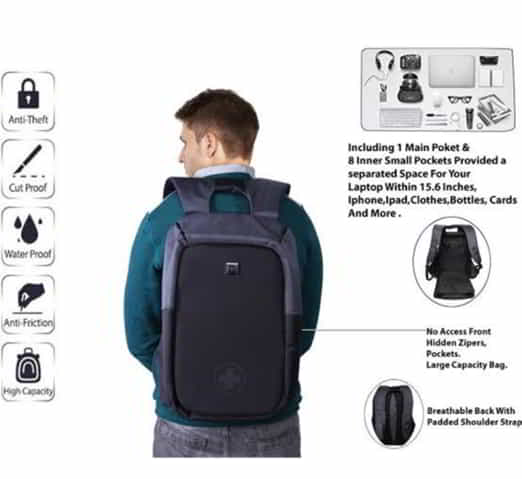
WarmX
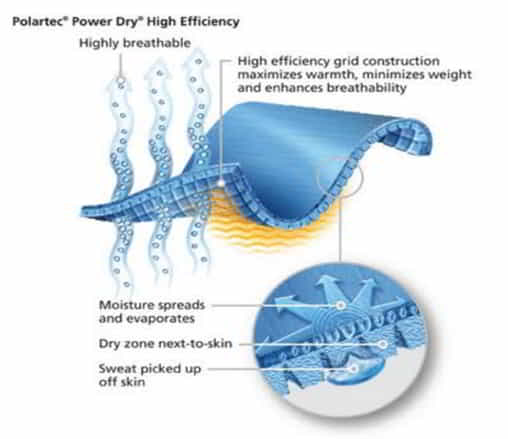
WarmX [WarmX] is a manufacturer and distributor of heated knitted underwear system. The company has an own worldwide-patented technology for heating textiles called warmX-technology and “ know how” and partners in both textiles and electronics. The underwear is knitted with silver coated fibres in the trunk and neck areas and a battery mounted on the waist supplies the power.
Moritz Waldemeyer
- Moritz Waldemeyer [Waldemeyer] is a British/German designer and engineer whose work is fusing technology, art, fashion and design. Waldemeyer collaborates with many of the top architects, artists and fashion and designer such as Ron Arad, Rihanna Hussein Chalayan.
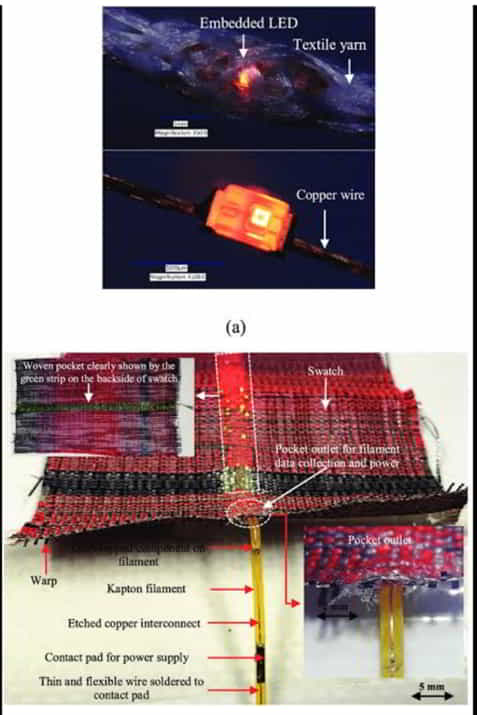
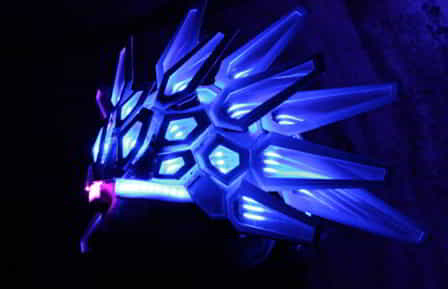
- As a part of the Olympic closing ceremony Waldemeyer conceived a collection of LED embedded carnival costumes. The LED formed lights moving simultaneously with the music.
- The collaboration with the internationally regarded fashion designer Hussein Chalayan has resulted in a set of clothing combining fashion and technology.
- The laser dresses embellish Swarowsky Crystals that are deflected by laser beams. The video dresses are embedded with 15000 LEDs and the dress displays different silhouettes of sharks in the sea or a rose blooming and retracting.

Innovations in Smart Textiles
Laser-printed waterproof and stretchable e-textiles
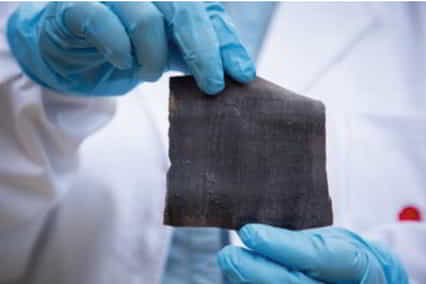
The next generation of waterproof smart fabrics will be laser printed and made in minutes. That is the future imagined by the researchers behind new e-textile technology. Scientists from RMIT University in Melbourne, Australia, have developed a cost-efficient and scalable method for rapidly fabricating textiles that are embedded with energy storage devices.
In just 3 min, the method can produce a 10 × 10 cm smart textile patch that is waterproof, stretchable, and readily integrated with energy harvesting technologies. The technology enables graphene supercapacitors—powerful and long-lasting energy storage devices that are easily combined with solar or other sources of power—to be laser printed directly onto textiles.
Conductive textiles
A conductive textile can be defined as a fabric which is made from the strands of a metal that are woven, blended, or coated during the creation of the textile. Conductive metals such as silver, titanium, gold, nickel, and carbon are utilized by the textile. Conductive textiles inhabit the property that it can conduct electricity and thus is used in several applications by different end-use industries. The primary function of the conductive textile is controlling the static electricity and protecting from the electromagnetic interference. Based on type, the woven textile segment has significant growth during the forecast period.
Woven textiles are widely utilized by various end-use industries such as military and defense, healthcare, and sports and fitness. As these textiles offer high standard performance in shielding and conductivity, they are considered to be the preferred type of conductive textiles utilized across the globe, thereby boosting the growth of the woven textile segment.
Medical smart textile as a cardiac supporting device
Knitted and woven fabrics are being used as a cardiac supporting device. An innovative medical device has been made by using the knitted and woven fabrics, which corrects the life-threatening conditions of the heart and vascular system. Implantation of the new devices requires less invasive surgical procedures and involves less risk than traditional procedures, while also causing fewer complications in hospital days.
Heart failure is a chronic syndrome that occurs when the heart is not getting enough amount of blood. Generally, valve leakage is reliable for this. The treatment of heart failure is only the drug therapies and surgical, but they are temporary treatment. The only permanent treatment is a heart transplant. But most of the patients cannot qualify for heart transplantation. So they have to do the surgical treatment or drug therapy.
So the scientists have developed a device named as a cardiac support device (CSD), which is intended to halt the progression of heart failure. The cardiac support device (CSD) research was conducted to determine the best material, yarn configuration, knit pattern, and processing to use to produce CSD fabric. It is a mesh-like warp knitted fabric. The fabric is fabricated from the multifilament texture.
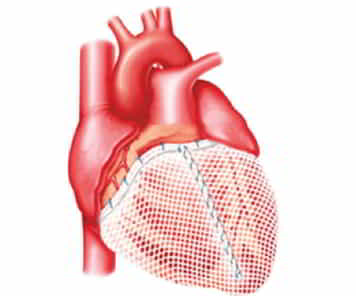
Polyester fabric is used for it. Polyester fabric has biological tissue response and it has the compatibility for the epicardial surface of the heart. The polyester yarns are warp knitted into a mesh configuration using a variation of an atlas stitch. After knitting, the fabric is conditioned to ease its handling during the processing to manufacture the CSD.
Smart clothing with improved comfort and safety for firefighters
Temperature is a major challenge in numerous professions—thermal comfort and occupational safety. For example, in emergency missions of fire and rescue services as well as in mines and construction sites, the working conditions often cause extreme physical strain.
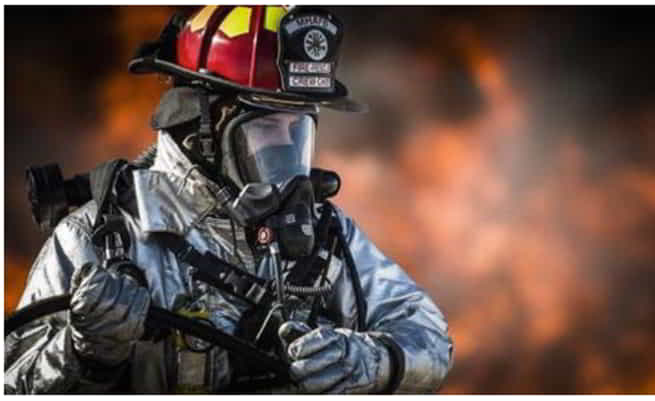
Working in hot situations without wearing appropriate protective clothing and equipment often causes high heat stress. It will be perfect if the amount of such stress could be monitored in real time during the performance of different work tasks. To solve this, researchers and companies together developed a wearable technology solution for firefighters. It allows the real-time monitoring of heat stress, thus improving the occupational health and safety in challenging temperatures.
The new method has been tested at the Finnish Institute of Occupational Health in Oulu and at the Emergency Services College in Kuopio. Based on the first tests, it would seem to offer a very promising tool for commanding rescue missions and enhancing the occupational health and safety of firefighters.
Graphene-based smart textiles
Graphene has already made a huge blast in the next step of wearable technology. Due to the thermal conductive properties of graphene, the warmth produced by the human body is preserved and distributed evenly in cold climates and allows an even body temperature during physical activity.
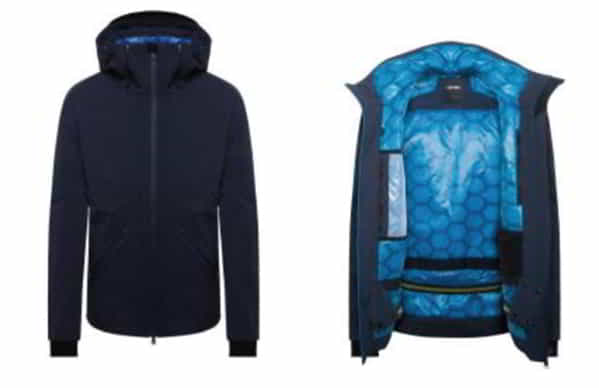
A renowned company Directa Plus, a producer and supplier of graphene-based products, teamed up with Colmar, the high-end sportswear company, has launched a new collection of SKI jackets containing graphene-based products. The new technology SKI jacket contains graphene Plus (G+) and is worn by the French national SKI team for multiple successful tournaments. It was explained that the key benefit of incorporating G+ is that it enables the fabric to act as a filter between the body and the external environment, ensuring the ideal temperature for the wearer.
A Chinese company called Shanghai Kyorene New Material Technology has also developed a graphene fiber that has been used to produce clothes, sportswear, and underwear products.
Recently, researchers have designed a low-cost, sustainable, and environmentally friendly method for making conductive cotton fabrics using graphene. These fabrics could lead to smart textiles and interactive clothes that will find applications in healthcare, wearable, and more. Functionalization of these conductive cotton fabrics was done by thermal reduction of graphene oxide (GO) adsorbed on cotton. Besides, researchers have created two ways to apply thin graphene sheets that either make the fabric super-hydrophobic or super-hydrophilic.
A team of scientists in Korea also announced the successful development of a technology to make a washable, flexible, and highly sensitive textile-type gas sensor. This technology is based on coating graphene using molecular adhesives to fiber like nylon, cotton, or polyester so that the fabric can check whether or not gas exists in the air.
Graphene has also strong cytotoxicity toward bacteria. So, this can be highlighted for maternity clothes to create coatings that prevent the growth of bacteria on the surface of the fabrics, thus protecting the pregnant against the possible diseases transmitted by bacteria. This type of protection will be very useful in gynecologists, nurses, and midwives clothing who assist the birthing woman in order to avoid the spreading of bacterial infections in newborns.
Smart denim jacket
The smart denim jacket designed by Levi’s turns a portion of the fabric on the sleeve into a touch-sensitive remote control for phones to be helpful in everyday life. This is a second version of their Jacquard smart jacket first introduced in 2017. The iconic jacket merges style with innovative Jacquard technology and allows the wearer to answer calls, play music, and take photos right from the sleeve. With the Jacquard technology, the jacket lets you access digital services right from your cuff, wherever you go. Get updates about your day, take a remote selfie, get notified if you leave your phone or jacket behind, and more, so you can stay focused on what is important.
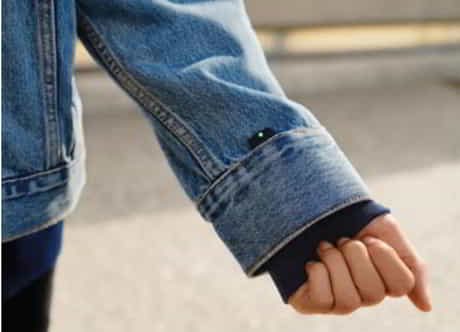
The technology allows to use touch gestures, like swiping and tapping, on the left cuff of the jacket to issue commands. The new and improved Jacquard Tag wirelessly connects your Trucker jacket to your smartphone. Jacquard also provides you helpful alerts, like when you have left your phone behind, using lights on the Tag and vibrations in the cuff to get your attention.
Smart film fabric
DuPont Intexar is a revolutionary electronic ink and film that seamlessly transforms fabric into smart clothing for multiple applications. The technology is embedded directly onto fabric using standard apparel manufacturing processes, offering both ease of integration and ease of design. It is currently leveraged for three applications: fitness, heat, and shealth.
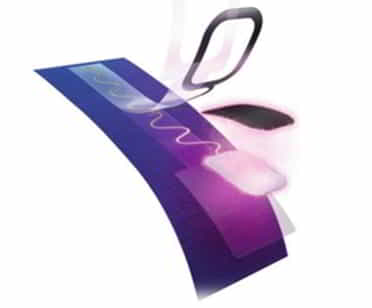
The technology for fitness and health function similarly with key components that monitor and transmit biometric signals. A thin layer of carbon or silver serves as a sensor, sensing electrical signals, while a conductor, made of a layer of silver, transmits currents throughout. Other films are integrated onto the textiles to shield the technology from water and additional exposure. The data received is captured and monitored via a third-party app. The heat application utilizes a battery-powered technology that includes a resistor, a thin layer of carbon that radiates heat, a conductor, a thin layer of silver that transmits the electrical currents, and additional films for protection.
Intexar is engineered and tested to perform as designed each and every time, with durability to outlast any alternative and offer unmatched comfort with its seamless stretchability. Intexar also offers a powered heating solution in a thin and safe application. The battery-operated technology enables clothing to generate heat, creating actively controlled on-body warming. This technology is particularly well-suited for outdoor activity and industry professionals within the utility, construction, military, forestry, mining, and infrastructure industries, among others. This technology also delivers advanced wearable health care through the sense and transmission of biometric signals. Primary uses include monitoring of pregnancy, telemetry and respiratory disorders as well as heat and electro-stimulation therapies.
Conclusion
The smart textile industry is still at a nascent stage of development with many new innovations in the pipeline. But it is bound to change the way we look at textiles. These 21st century textiles will signify the true merger of textile and information industries.
Smart textiles are a field which seems to be intellectually rewarding to a keen researcher. It is a challenge of sorts since we are not only talking about smart materials but also about the use of such materials as textiles. Thus smart materials have to be intelligently engineered to be used as textiles. Particularly if these materials are to be used as apparels, then a lot of factors like feel, density, aesthetic value, processing (during manufacturing and after use) need to be considered. We are not just interested in making fancy electronic components, but in making textiles which can be used like ordinary apparels though having the characteristics of electronic systems. Present research in smart textiles all over the world focuses on the following broad areas18:
- For sensors/ actuators-
- Photo sensitive materials
- Fiber optics
- Conductive polymers
- Thermally sensitive materials
- Shape memory materials
- Intelligent coating/ membrane
- Chemical responsive polymers
- Mechanical response materials
- Micro capsules
- Micro and nanomaterials
- For signal transmission, processing and controls-
- Neural network and control systems
- Cognition theory and systems
- For integrated processes and products-
- Adaptive and responsive structures
- Wearable computing
- Bioprocessing
- Tissue engineering
- Chemical/ drug release
A particularly interesting objective is clothing which represents the ideal interface medium between humans and their environment. Everyone wears clothes in several layers one above the other in all day-to-day situations, which means that it is possible to accommodate micro system components comparatively simply and comfortably.
The objective should now be to focus on integrating microchip and computer systems as invisibly as possible into clothing, thus connecting man as unobtrusively as possible with his environment and equipping him as a communication medium. This is a field of innovation and a future potential of fascinating proportions which also opens up interesting possibilities in commercial terms. Clothing as a carrier medium is thus developing into a high-tech product, which will substantially enhance its status.
Fundamental considerations
Smart materials
A smart polymer or material can be described as a material that will change its characteristics according to outside conditions or stimuli.
Current developments in textile technologies, new materials, nanotechnology and miniature electronics, and wearable makes systems more convenient, but the most important parameter for users to accept wearable devices is comfort is sufficient. This is recognized as a challenging environment for the human body and the environment, mechanics resistance, and durability. In addition, the circuit design of the development of intelligent textiles, the knowledge of intelligent materials, microelectronics, and chemistry is basically integrated with a deep understanding of textile production. It requires a multidisciplinary approach.