Garment Production Process
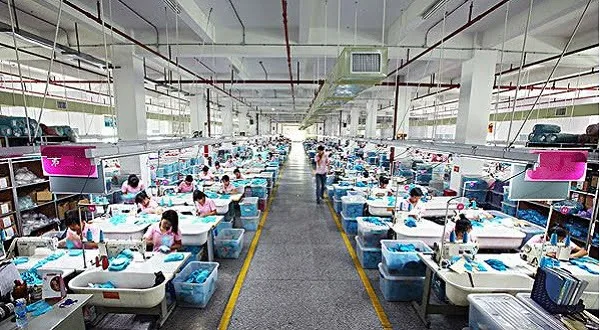
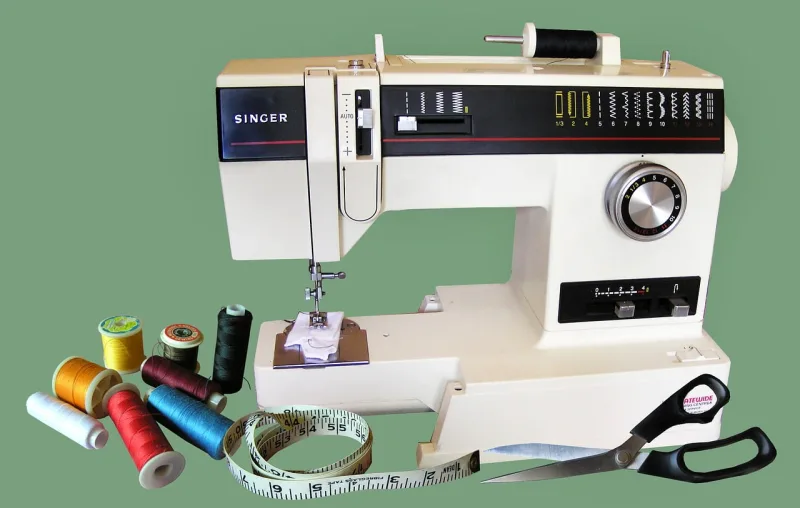
Garment production is an organised activity consisting of sequencial processes such as laying, marking, cutting, stitching, checking, finishing, pressing and packaging
Garment Production Process Read More »
Garment production is an organised activity consisting of sequencial processes such as laying, marking, cutting, stitching, checking, finishing, pressing and packaging
Garment Production Process Read More »
A good fitting is achieved by doing the work with care, patience, and practice. A well-fitted garment feels comfortable, adjusts naturally to the activities of the wearer, is becoming in line and amount of ease and consistent with current fashions.
Characteristics of well finished garments Read More »
Energy consumption is different on various yarn types, for example, energy consumption for combed yarn is higher because of the additional production step – combing.
Energy consumption for different type of yarns Read More »
The results of energy consumption calculation in spinning mills on machines and compressed air.
Energy consumption for spinning machines and compressed air Read More »
In order to obtain the specifc energy consumption of any yarn, each an every machine in the spinning operations right from the bale opener and the approach should be repeated for the rest of the machine/step.
Determination of energy consumption for chosen yarn Read More »
In order to obtain the necessary information about energy consumption of a specific spinning mill, one which is able to spin every kind of staple fiber (i.e. cotton, linen, polyester, viscose) in a wide count range using both ring and open-end systems to be chosen.
Energy consumption of chosen spinning mill Read More »
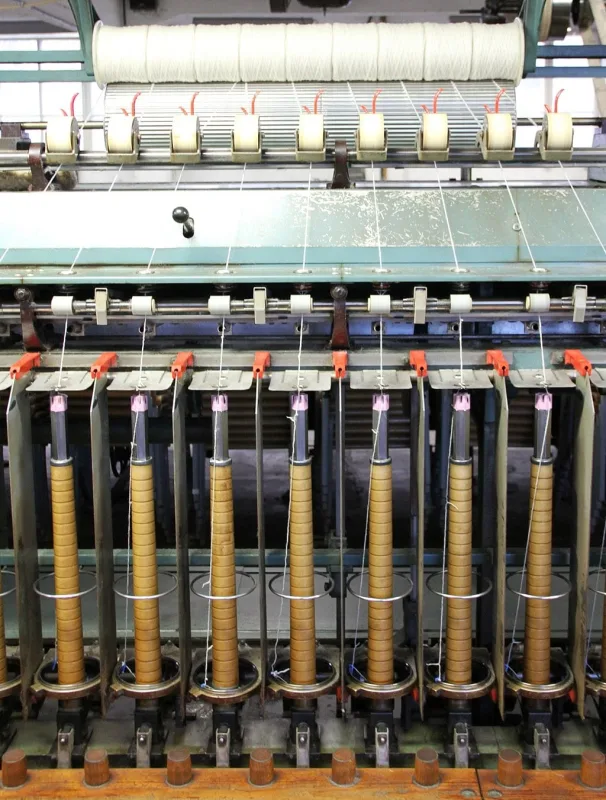
Two types of energy can be used in a specific spinning mill; electrical energy and thermal energy. Machines, air conditioning, lamps used for illumination and compressors consume electrical energy while the thermal energy is consumed by air conditioning and processes such as fixation of yarns.
Power Consumption in Ring Spinning Mills Read More »
The cost of yarn consists of several factors such as raw material energy or power, labor, capital etc. The cost of yarn excluding raw material is termed manufacturing cost. The share of the factors in manufacturing cost changes according to the yarn properties, machine operational properties and economical situation of the spinning mill.
Power consumption in Spinning Mills Read More »
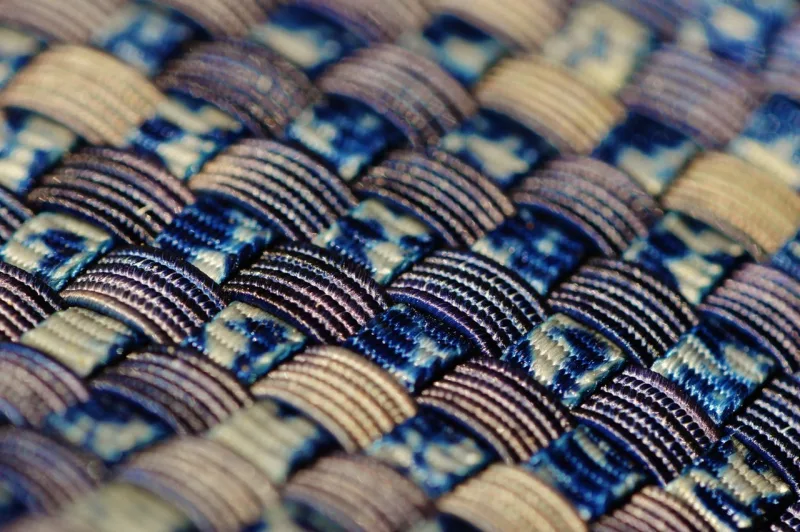
Major weaving patterns such as plain, twill, satin, Dobby, Jacquard, Pique, Pile, its characteristics, usages and techniques.
Major Fabric Weaving Patterns Read More »
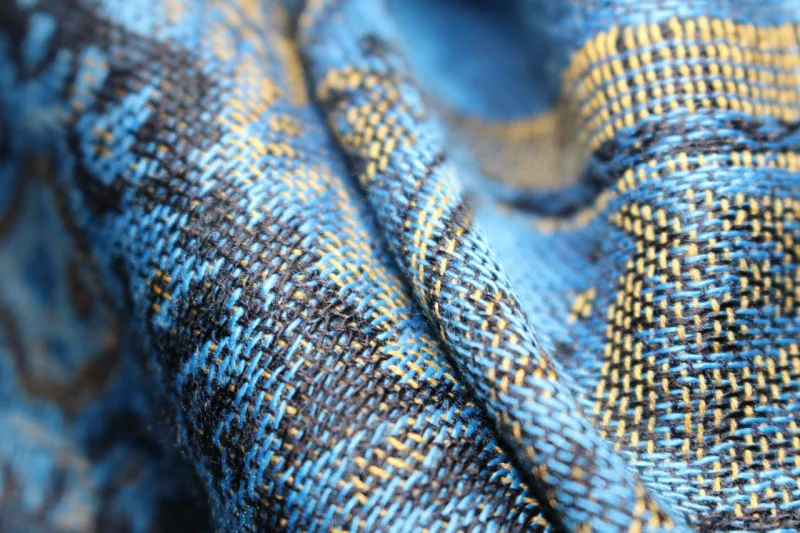
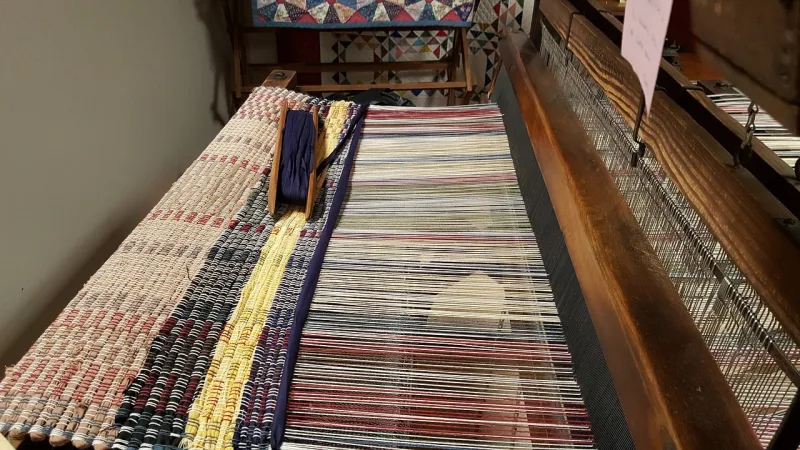
Weaving is the process of making cloth with two components, a warp, and a weft, and can be done by very simple techniques on a complicated loom.
Basics of Weaving and Woven Fabrics Read More »