
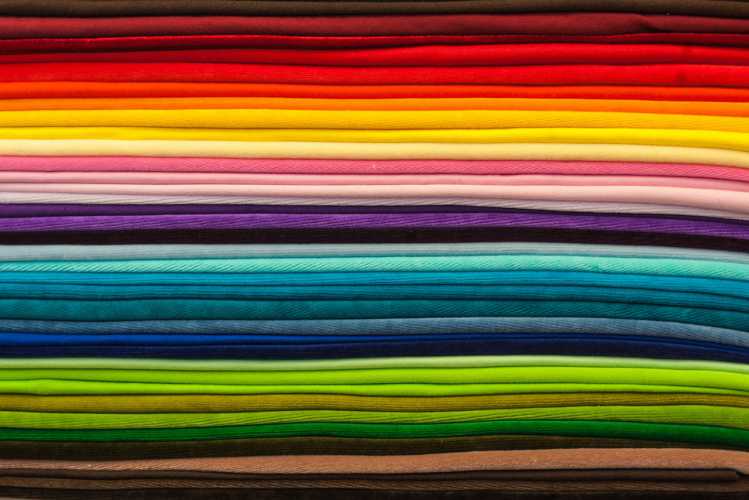
Types of Fabric: Names, Pictures and Uses from A to Z
Fabrics are classified by construction (woven, knitted, nonwoven) and by fibre. An A to Z of 88 fabric types with pictures, fibres, weights and uses.
Article
From warp preparation to loom tuning. Explains sheds, beat-up, take-up, and common faults. Includes reed and dent calculations, pick density planning, and productivity improvement with data. This section explains practical decision criteria, typical test methods, and failure modes that matter in real production. Readers get checklists, calculation steps, and case examples connecting specifications to cost, reliability, and compliance. Links map core concepts to upstream inputs and downstream processes so choices remain consistent across sourcing, manufacturing, and end-use performance. Each article includes definitions, diagrams where helpful, and plain-language notes to help newcomers ramp quickly while giving experienced professionals the depth needed to troubleshoot and optimize. Standards references are cited with context, and whenever trade-offs exist, we make them explicit so you can defend decisions.
Fabrics are classified by construction (woven, knitted, nonwoven) and by fibre. An A to Z of 88 fabric types with pictures, fibres, weights and uses.
Article
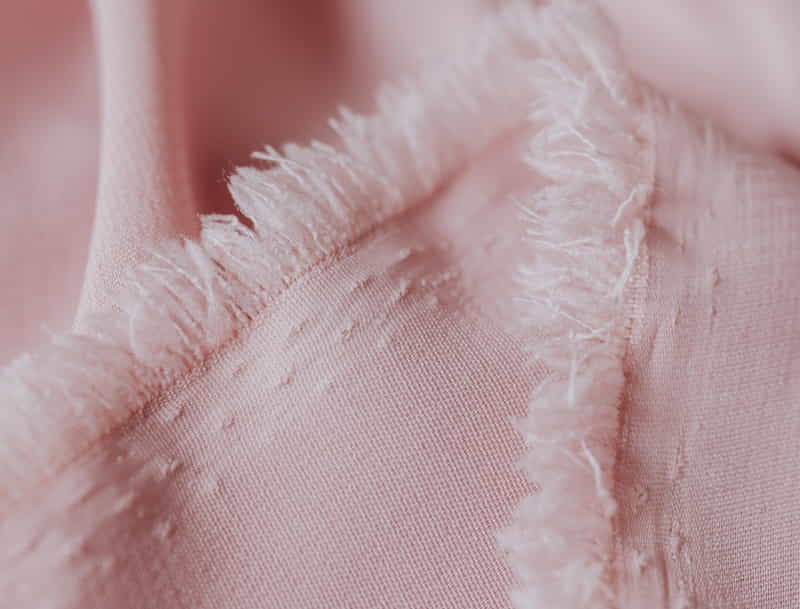
Selvedges, often spelled as “selvages,” refer to the finished edges of woven fabrics. These edges are an integral part of the fabric structure and serve several important purposes in the weaving process and the final textile product.
Article

The weft stop motion controls the correct insertion of the weft into the shed. Warp and weft stop motions will stop the loom most immediately when a warp end or a pick breaks off. It avoids the faults disturbing the fabric surface. It helps not degrading the fabric quality. The feeders are supplied together with various outfits and adjustment possibilities, which vary according to the yarn type and count and to the insertion system used.
Article
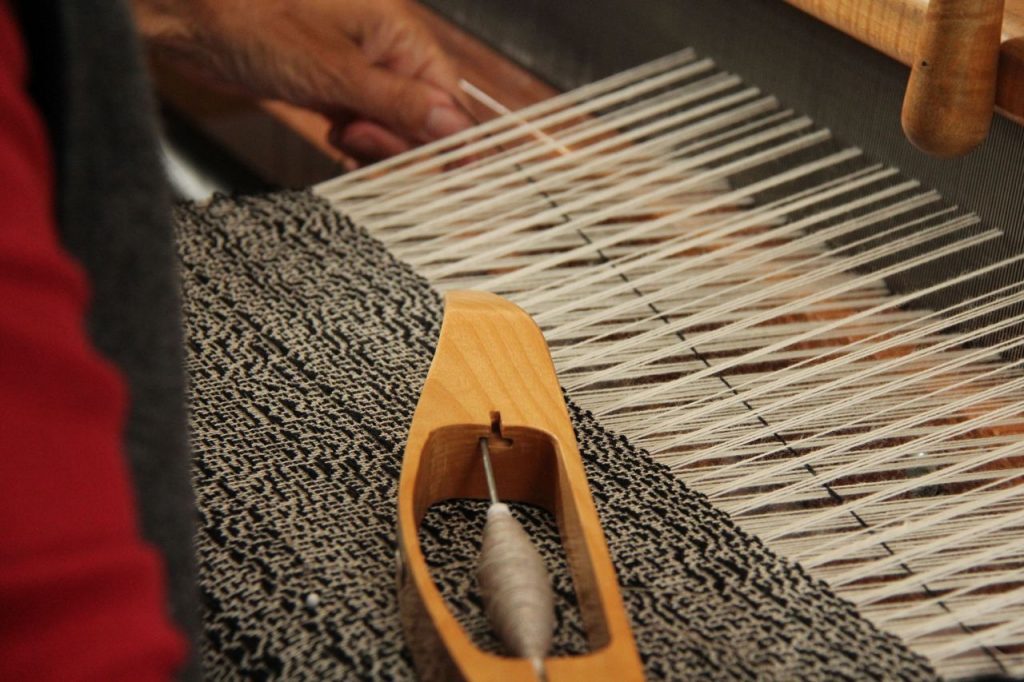
Weft feeders are feeding devices, which are also called weft storage feeders or weft accumulators, play an important role in the weaving machines where the weft is unwound overhead from the cone and is subjected to abrupt accelerations due to the drawing-off tension exerted by the insertion element. The balloon which is formed at each insertion can cause coil sliding and snarls, owing to the difficulty of braking adequately the yarn and to the high unwinding speed of the yarn from the cone.
Article
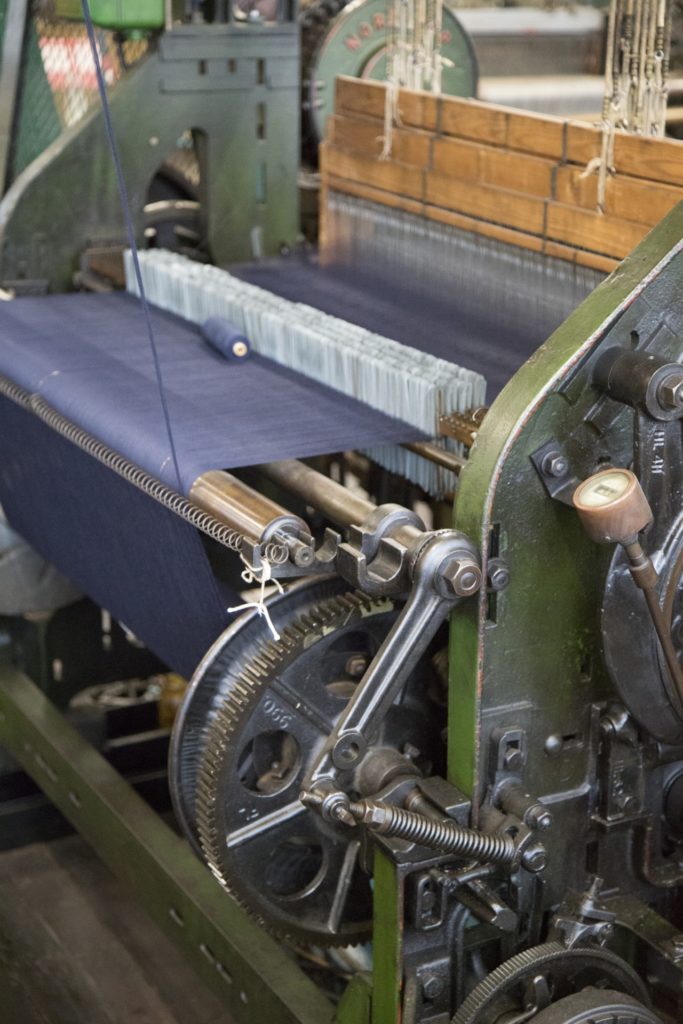
Special equipments to improve efficiency and accuracy of weaving machines, reducing manual work are required. With a view to increase the efficiency and the flexibility of the weaving machines, the manufacturers have made considerable efforts to find solutions capable of simplifying and speeding up the operations and the machine settings at style changing and to permit coping better with particular production requirements.
Article
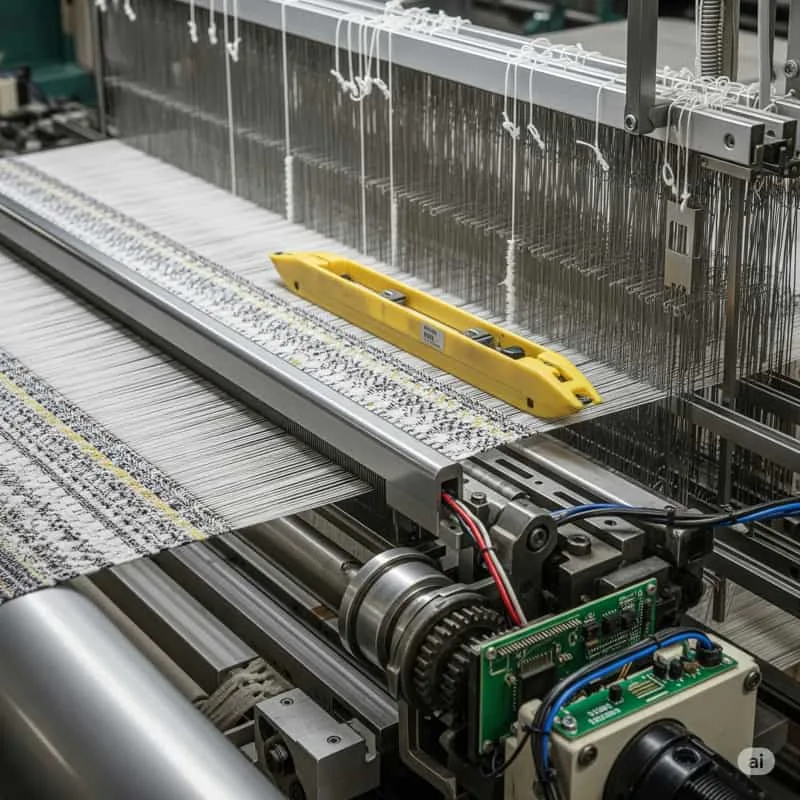
The latest weaving machines are equipped with microprocessor or PLC units which ensure continuously the control, the drive and the monitoring of the various machine members and of the various functions. One of the ways to increase production is to design and manufacture particular weaving machines which can offer very high weft insertion rates.
Article

Warp let-off system has a frequency converter, which is intended for letting off from warp beam or feeding unit. The drive is mounted either on the weaving machine or on a frame positioned behind the weaving machine. The let-off starts with a machine running signal; the speed of the let-off motor is controlled by a proximity switch mounted on the whip roller system and an internal speed memory. An alarm signal switches the weaving machine off in case of over tightened warp or any other error.
Article

The weaving machines are composed of two side frames in cast iron or steel, which are connected each other by cross members so as to create a firm bearing structure which can limit the vibrations and offer a good stability. The bearing structure of a weaving machine is a critical component that provides support and stability to various moving parts involved in the weaving process. Weaving machines are complex pieces of equipment used in the textile industry to interlace warp and weft yarns to create fabric. The bearing structure ensures the proper alignment and functioning of these moving parts, which is essential for producing high-quality textiles.
Article

Water Jet machines are extensively used in East Asia. They are characterized in particular by high insertion performance and low energy consumption. These machines are produced only by few companies and are used for the manufacture of light and medium weight fabrics with standard characteristics and in water-repellent fiber materials, primarily multi-filament synthetic yarns. They are characterized in particular by high insertion performance and low energy consumption.
Article

Weaving machines used for manufacturing terry fabrics, double velvets and narrow fabrics are categorized in special weaving machines. Some of the examples of such machines are terry weaving machines, double velvet weaving machines, ribbon weaving machines etc.
Article
Every record in these registers was sent in by somebody. Submissions are reviewed before they are published.
1,496 machines in the register.Tell us about a missing one 306 event series in the register.Submit a trade fair or conference 3,038 standards tracked in the register.Get the changes by email each week