Fiber

Explains origins, morphology, properties, and classification of textile fibers. Compares moisture regain, tensile behavior, thermal response, and sustainability profiles. Includes selection charts that link fiber choice to end-use performance and cost. This section explains practical decision criteria, typical test methods, and failure modes that matter in real production. Readers get checklists, calculation steps, and case examples connecting specifications to cost, reliability, and compliance. Links map core concepts to upstream inputs and downstream processes so choices remain consistent across sourcing, manufacturing, and end-use performance. Each article includes definitions, diagrams where helpful, and plain-language notes to help newcomers ramp quickly while giving experienced professionals the depth needed to troubleshoot and optimize. Standards references are cited with context, and whenever trade-offs exist, we make them explicit so you can defend decisions.

Home » Fiber & Yarns » Fiber » Page 11
fabrics

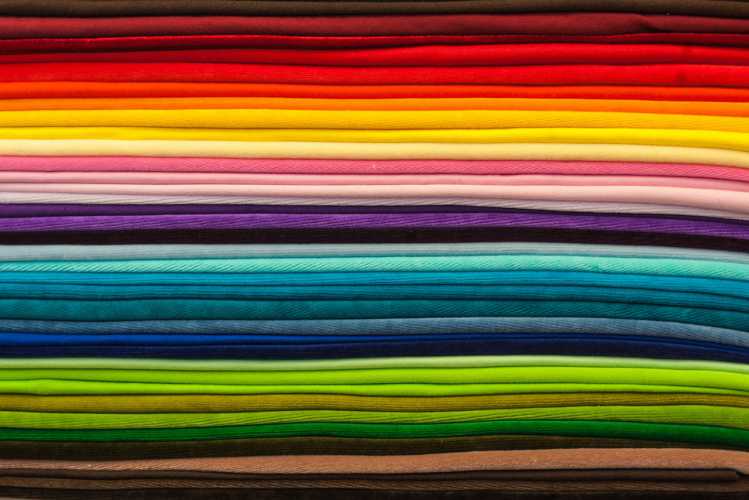
Textile Fabric Types – different types of fabrics and their patterns

Generally, a set number of yarns are used for the formation of fabrics. Also, a number of techniques are used for producing fabrics such as weaving, knitting, and felting. The type of fabrics varies by the fibers, the fabric formation techniques, machinery used for producing them, and finishing techniques. Fabrics can also be made differently based on the application.

Textile Fabric Types – different types of fabrics and their patterns Read More »
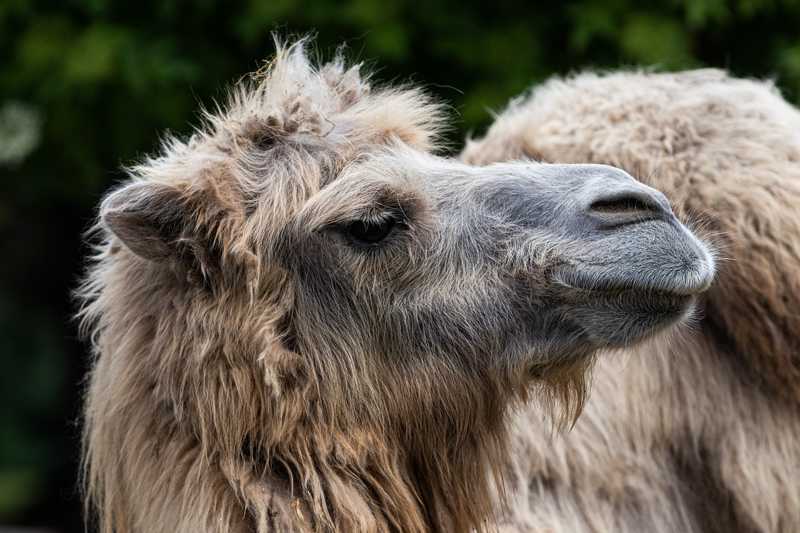
Hair Fibers: Alpaca, Llama, Cashmere, Mohair, and Camel in Textile Manufacturing

Alpaca, llama, cashmere, mohair, and camel hair fibers are luxurious natural fibers valued for their softness, warmth, and versatility in textiles. Used in high-end apparel and home textiles, these fibers offer unique properties while posing environmental and ethical considerations, making them key players in sustainable luxury textile manufacturing.

Hair Fibers: Alpaca, Llama, Cashmere, Mohair, and Camel in Textile Manufacturing Read More »

Sheep/Merino Wool Fibers

Sheep and Merino wool fibers drive textile innovation by offering unmatched comfort, durability, and sustainability. This comprehensive guide explores the evolution, processing techniques, quality control measures, and emerging digital technologies in wool production. It delves into economic trends, environmental impacts, and career opportunities, highlighting the crucial role of sustainable practices and advanced digital integration in shaping the future of wool textiles.

Sheep/Merino Wool Fibers Read More »

calculator

Comprehensive Analysis of Textile Fiber Formulas: Mathematical Modeling for Industry Applications

This article provides an in-depth exploration of mathematical formulas critical to the textile industry, focusing on environmental impact, mechanical properties, production efficiency, and material characteristics. By presenting precise equations for carbon footprint, tensile strength, fiber yield, moisture regain, and other key metrics, this work aims to equip researchers, engineers, and industry professionals with tools to optimize textile processes and enhance sustainability. Each formula is accompanied by detailed explanations, practical applications, and considerations for real-world implementation.

Comprehensive Analysis of Textile Fiber Formulas: Mathematical Modeling for Industry Applications Read More »

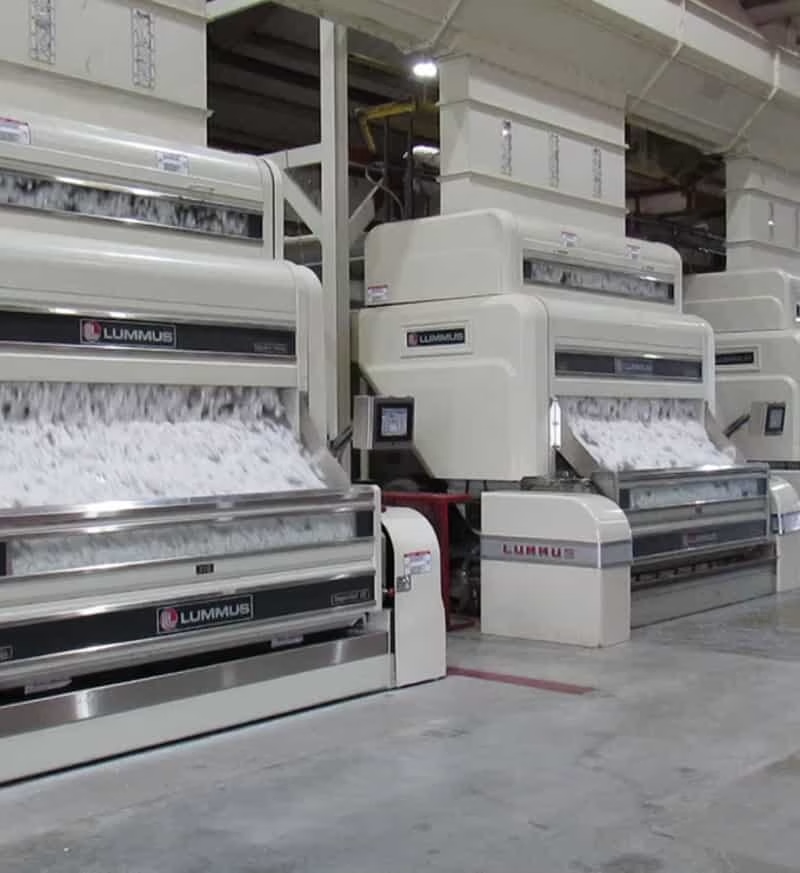
cotton ginning machine

Cotton Ginning: Processing Fiber for Textile Manufacturing

Cotton ginning separates cotton fibers from seeds and impurities, ensuring clean, high-quality fibers for textile production. Through processes like seed separation, cleaning, lint preservation, and waste management, ginning lays the foundation for efficient spinning and weaving, critical to the textile industry.

Cotton Ginning: Processing Fiber for Textile Manufacturing Read More »

rubber milk extraction from rubber tree

Elastomeric Fibers

Elastomeric fibers are those fibers that possess extremely high elongations at break and that recover fully and rapidly from high elongations up to their breaking point. The fibers are all used in specialized applications where high elasticity is necessary within the textile structure. An Elastomer is a polymer with the physical property of elasticity. The elastomer is a term derived from elastic polymer, which is often used interchangeably with the term rubber.

Elastomeric Fibers Read More »

Scroll to Top