weaving

Home » weaving » Page 4
airjet weaving machine

Air Jet Weaving Machines

The Air Jet weaving machines are the weaving machines with the highest weft insertion performance and are considered as the most productive in the manufacturing of light to medium weight fabrics, preferably made of cotton and certain man-made fibers. These machines are the ideal solution for those who want to produce bulk quantities of customized fabric styles. The weaving widths range generally from 190 to 400 cm.

Air Jet Weaving Machines Read More »
rapier weaving machine

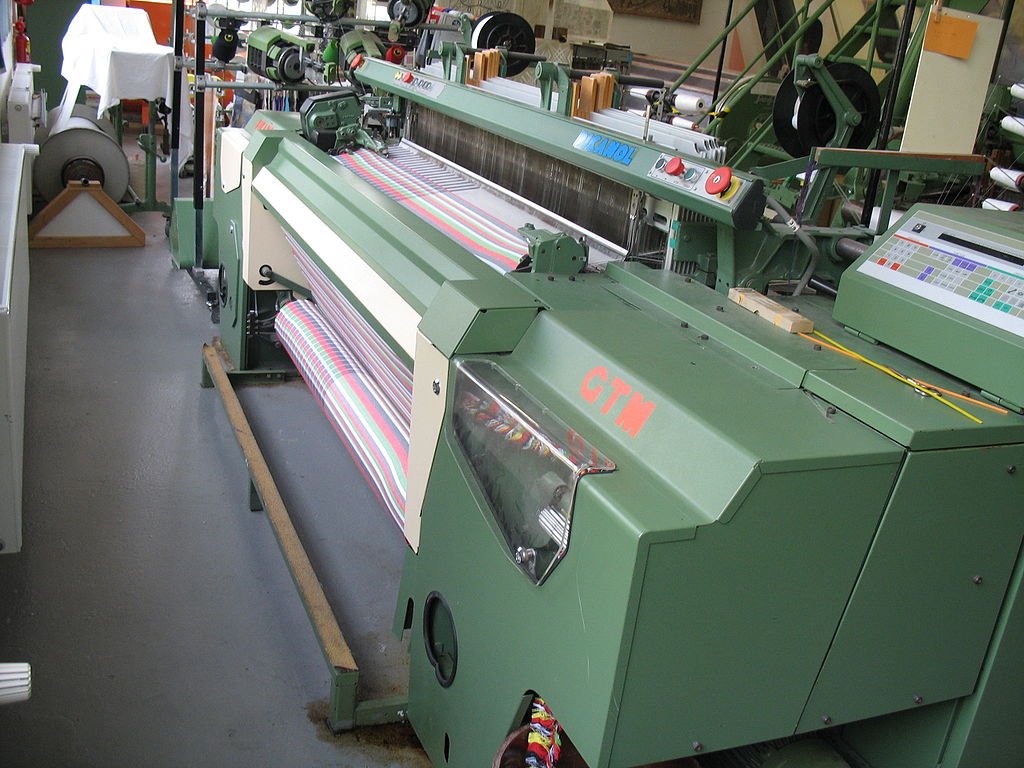
Rapier Weaving Machines

Rapier weaving machine delivers excellent fabric quality at the right price. Its flexibility, high level of user-friendliness and versatility make it an ideal means of production for weavers of fabrics. It is a shuttleless weaving loom in which the filling yarn is carried through the shed of warp yarns to the other side of the loom by finger-like carriers called rapiers. These machines are used for weaving textile articles such as shirting, dress material, furnishing.

Rapier Weaving Machines Read More »

sizing

Sizing zero twist fabrics

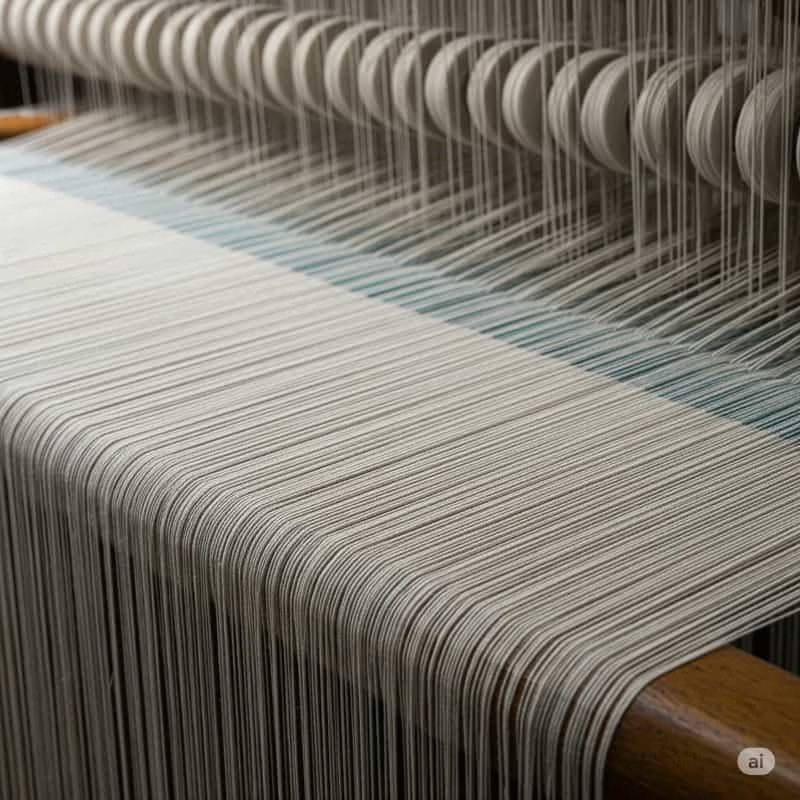
Sizing is a complementary operation which is carried out on warps formed by spun yarns with insufficient tenacity or by continuous filament yarns with zero twist. It is done with an aim of improving yarn smoothness and tenacity during the subsequent weaving stage. The sizing methods change depending on the type of weaving machine used, on the yarn type and count, on the technician’s experience and skill, on the kind of material in progress.

Sizing zero twist fabrics Read More »

weaving machine

Fabric Weaving – woven fabrics

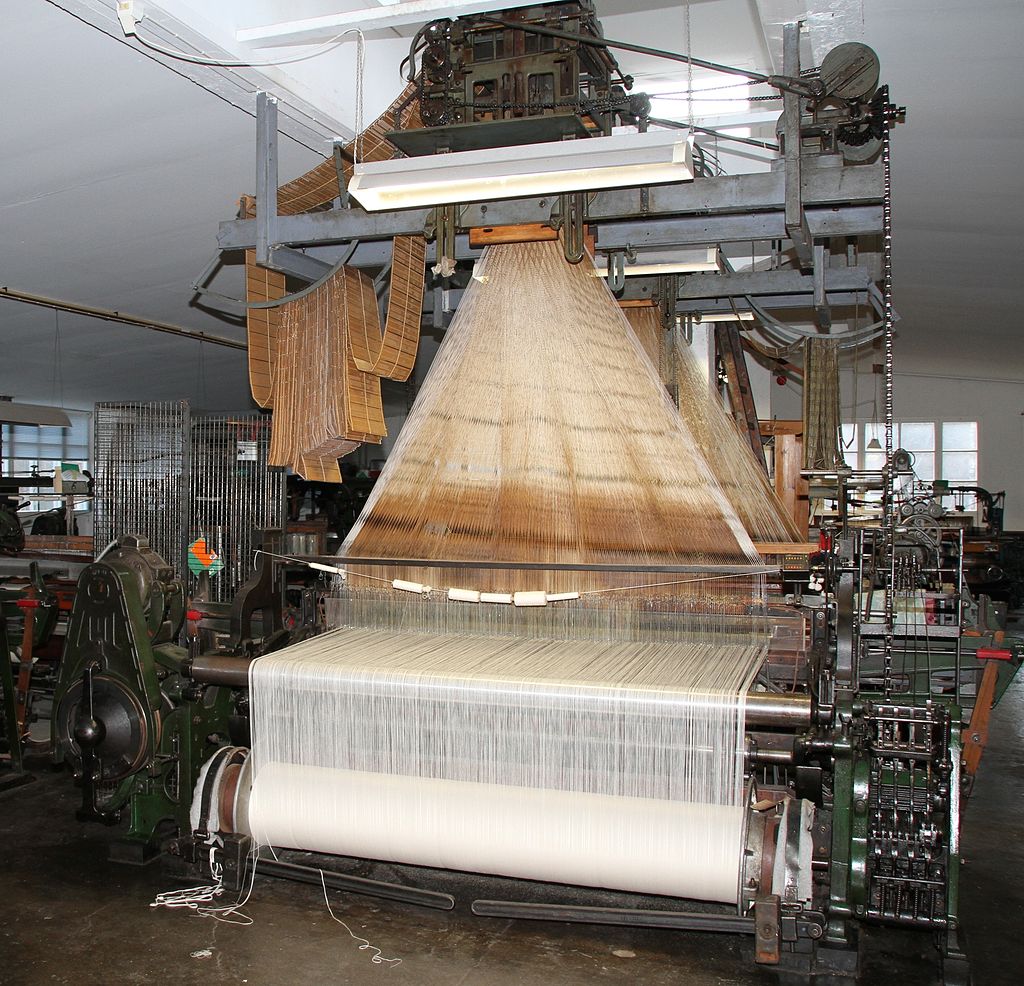
The weaving is a process of formation of fabric with interlacement of two or more sets of yarns using a stable machine called loom. Human beings have started using the woven fabrics since the dawn of history. If we exclude the stone age period, the history of civilization is also, to some extent, the history of weaving. Though primitive civilizations used coarser threads to make fabrics which were crude and coarse, there are references of fine fabrics made from the filament of silk in China.

Fabric Weaving – woven fabrics Read More »

broken twill

Broken Twills – Weaving: A Deep Dive into Design, Technique, and Innovation

A broken twill weave composed of vertical sections which are alternately right hand and left hand in direction. In Broken Twills, twills are constructed by breaking the continuity of any continuous twill weave. They are formed by reversing the pattern part way through the repeat. The Break can be achieved in different ways.

Broken twill weaving transforms traditional patterns into intricate designs that balance aesthetics with performance. Advanced techniques, modern machinery, and sustainable practices drive this dynamic textile innovation.

Broken Twills – Weaving: A Deep Dive into Design, Technique, and Innovation Read More »

weaving loom

Weaving Loom Mechanisms

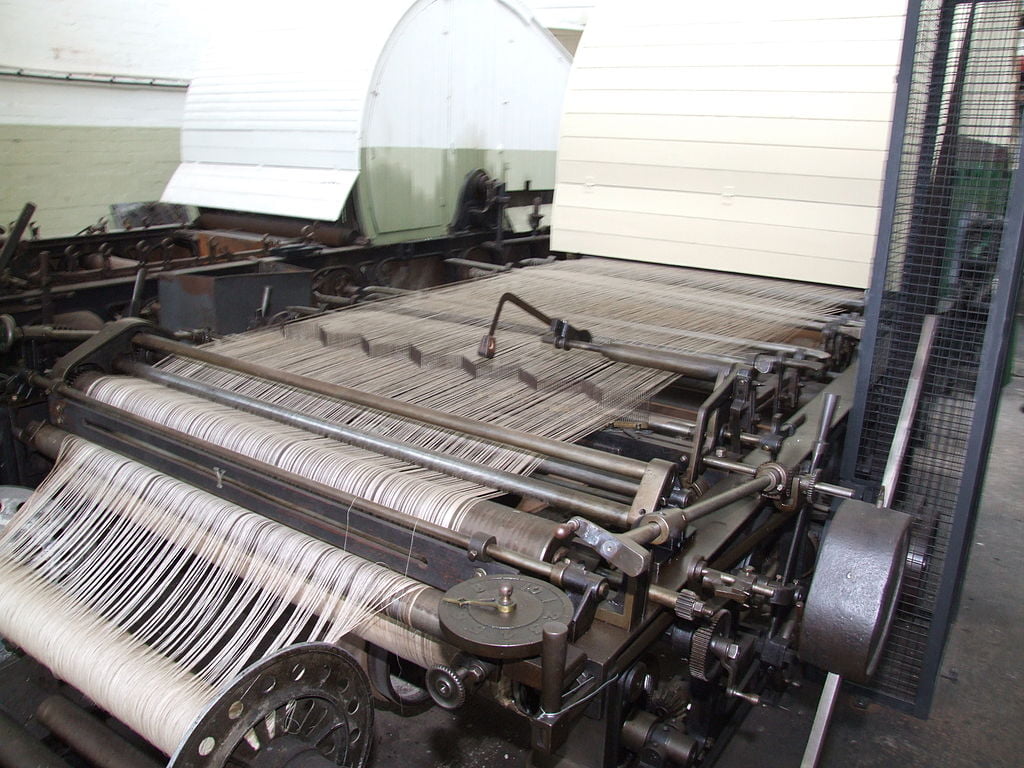
The basic mechanisms in any type of looms can be classified into Primary (shedding, picking & beat up), secondary and Auxiliary motions. Shedding opens the warp sheet into layers. The picking causes the shuttle carrying weft to be propelled from one end of the loom to another. The beat-up motion lays the previously laid weft to the fell of the cloth. The secondary motion comprises of take-up and let-off motions. The auxiliary motions consist of the warp stop, weft stop, and warp protector motions.

Weaving Loom Mechanisms Read More »

combination twill weave

Combination twill weaving

Combination twills find extensive use in the worsted industry in the production of garment fabrics, as these weaves are capable of producing compact textures. These twills are constructed by two methods 1. End and end combination 2.Pick and pick combination. In the first method the twill weaves are combined end way and in the second method twill weaves are combined in pick way. In combination with twill weaves two different types of continuous twills are combined together alternately.

Combination twill weaving Read More »

Scroll to Top