
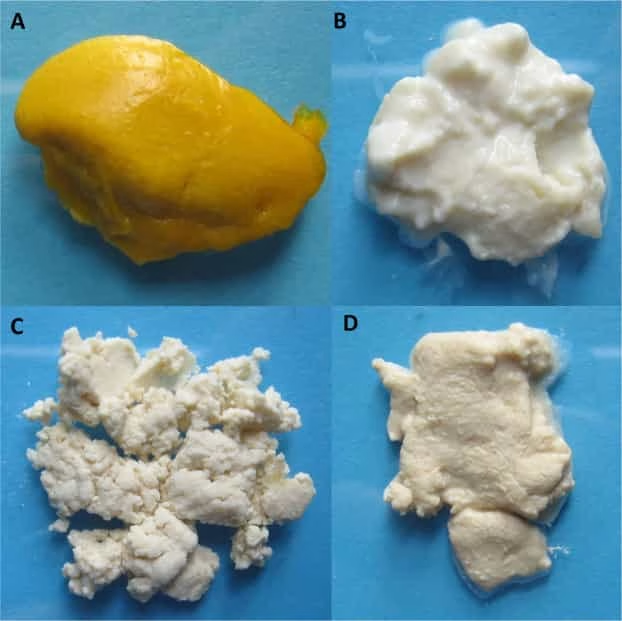
Manmade regenerated protein textile fibres, derived from natural proteins like casein, soy, and zein, are sustainable alternatives to synthetic and natural fibres. This article explores their production, properties (biodegradability, softness, and moisture absorption), applications in textiles, and environmental benefits, highlighting their role in eco-friendly textile manufacturing.
Introduction
Manmade regenerated protein textile fibres are a class of fibres produced by chemically processing natural proteins from sources such as milk (casein), soybeans (soy), and corn (zein) into usable textile materials. Unlike synthetic fibres derived from petroleum, these fibres are regenerated from renewable, bio-based resources, offering a sustainable alternative for textile production. Their unique properties, including biodegradability and softness, make them suitable for various applications in apparel and home textiles. This article examines the production, properties, applications, and environmental significance of manmade regenerated protein fibres in textile manufacturing [1].
Production of Regenerated Protein Fibres
The production of regenerated protein fibres involves extracting proteins from natural sources, dissolving them in chemical solutions, and extruding the solution through spinnerets to form fibres. The process typically includes:
- Protein Extraction: Proteins like casein (from milk), soy protein (from soybeans), or zein (from corn) are isolated.
- Dissolution: The extracted protein is dissolved in an alkaline solution, such as sodium hydroxide, to create a viscous spinning dope.
- Extrusion and Spinning: The dope is extruded through spinnerets into a coagulating bath, forming solid fibres.
- Post-Processing: Fibres undergo washing, stretching, and drying to enhance strength and stability.
- Biodegradability: Derived from natural proteins, these fibres are biodegradable, decomposing naturally without contributing to long-term environmental pollution.
- Softness and Comfort: Fibres like casein and soy offer a soft, smooth texture, comparable to natural fibres such as silk or wool, making them ideal for apparel.
- Moisture Absorption: These fibres have excellent moisture-wicking properties, enhancing wearer comfort, particularly in humid conditions.
- Low Strength: Compared to synthetic fibres, regenerated protein fibres have lower tensile strength, limiting their use in high-stress applications but suitable for delicate textiles.
- Dyeability: They accept dyes readily, allowing vibrant and uniform coloration in textile products.
- Casein Fibres: Produced from milk proteins, casein fibres (e.g., Lanital, Aralac) are soft and lightweight, often blended with other fibres for apparel and home textiles.
- Soy Fibres: Derived from soybean protein, these fibres are biodegradable and have a silk-like texture, suitable for eco-friendly clothing.
- Zein Fibres: Made from corn protein, zein fibres are less common but offer similar softness and biodegradability for niche textile applications.
- Apparel: Used in dresses, shirts, and undergarments due to their softness and moisture absorption, often blended with cotton or synthetic fibres for enhanced durability.
- Home Textiles: Employed in bedding, towels, and upholstery for their comfort and aesthetic appeal.
- Medical Textiles: Utilized in bandages and medical fabrics due to their biodegradability and skin-friendly nature.
- Low Tensile Strength: Their weaker mechanical properties limit use in high-strength applications, necessitating blending with stronger fibres.
- Production Costs: The complex extraction and spinning processes can be costly, impacting scalability.
- Water and Chemical Use: Wet-spinning requires significant water and chemicals, requiring sustainable practices to minimize environmental impact.
- This wet-spinning process, similar to that used for viscose rayon, ensures the fibres retain the natural properties of their protein source while being suitable for textile applications [2].
Properties of Regenerated Protein Fibres
Regenerated protein fibres exhibit several distinctive properties that make them valuable in textile manufacturing:
These properties position regenerated protein fibres as eco-friendly alternatives for sustainable textile production.
Types of Regenerated Protein Fibres
Several types of regenerated protein fibres are used in textiles, each derived from distinct protein sources:
Each type contributes to sustainable textile options, with varying degrees of commercial adoption.
Applications in Textile Manufacturing
Regenerated protein fibres are used in a variety of textile applications due to their eco-friendly and comfortable properties:
These applications highlight the versatility of regenerated protein fibres in sustainable textile markets [2].
Environmental and Economic Significance
Regenerated protein fibres offer significant environmental benefits compared to synthetic fibres. Their biodegradability reduces textile waste in landfills, and their renewable protein sources minimize reliance on non-renewable resources. Additionally, the production process often utilizes agricultural by-products (e.g., soy protein from oil extraction), enhancing resource efficiency. Economically, these fibres provide a cost-effective alternative for eco-conscious brands, meeting growing consumer demand for sustainable textiles. However, challenges such as lower tensile strength and higher production costs compared to synthetic fibres require ongoing innovation to expand their market share.
Challenges and Considerations
Despite their advantages, regenerated protein fibres face several challenges:
Advances in production technology and sustainable processing methods are essential to address these challenges.
Conclusion
Manmade regenerated protein textile fibres, such as casein, soy, and zein, offer a sustainable and biodegradable alternative for textile manufacturing. With properties like softness, moisture absorption, and eco-friendliness, these fibres are ideal for apparel, home textiles, and medical applications. Despite challenges like lower strength and production costs, their environmental benefits and versatility position them as valuable contributors to the future of sustainable textiles. Continued innovation will further enhance their role in eco-conscious textile production.






I like the information provided in this page. It is very educative.