Knitting

Weft and warp knitting fundamentals, loop formation, stitch density, spirality control, and defect diagnosis. Includes machine settings, patterning, and performance outcomes. This section explains practical decision criteria, typical test methods, and failure modes that matter in real production. Readers get checklists, calculation steps, and case examples connecting specifications to cost, reliability, and compliance. Links map core concepts to upstream inputs and downstream processes so choices remain consistent across sourcing, manufacturing, and end-use performance. Each article includes definitions, diagrams where helpful, and plain-language notes to help newcomers ramp quickly while giving experienced professionals the depth needed to troubleshoot and optimize. Standards references are cited with context, and whenever trade-offs exist, we make them explicit so you can defend decisions.

Home » Fabric » Knitting » Page 3
fabrics

Textile Fabric Types – different types of fabrics and their patterns

Generally, a set number of yarns are used for the formation of fabrics. Also, a number of techniques are used for producing fabrics such as weaving, knitting, and felting. The type of fabrics varies by the fibers, the fabric formation techniques, machinery used for producing them, and finishing techniques. Fabrics can also be made differently based on the application.

Textile Fabric Types – different types of fabrics and their patterns Read More »

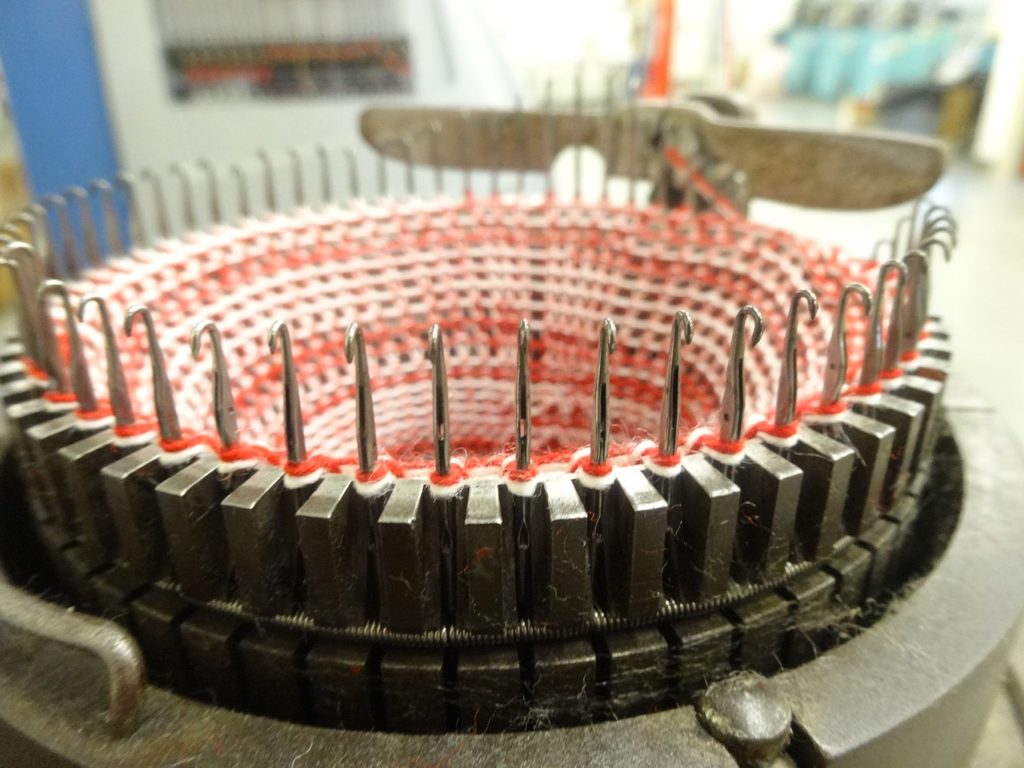
old-knitting-machine

Knitting: Knitted Fabrics

Knitting is a method by which thread or yarn may be turned into cloth. Knitting consists of consecutive loops, called stitches. As each row progresses, a new loop is pulled through an existing loop. The active stitches are held on a needle until another loop can be passed through them. Basically there are two types of knitting which are weft knitting, versus wrap knitting and another type is flat knitting versus circular knitting.

Knitting: Knitted Fabrics Read More »

Scroll to Top