Weaving

From warp preparation to loom tuning. Explains sheds, beat-up, take-up, and common faults. Includes reed and dent calculations, pick density planning, and productivity improvement with data. This section explains practical decision criteria, typical test methods, and failure modes that matter in real production. Readers get checklists, calculation steps, and case examples connecting specifications to cost, reliability, and compliance. Links map core concepts to upstream inputs and downstream processes so choices remain consistent across sourcing, manufacturing, and end-use performance. Each article includes definitions, diagrams where helpful, and plain-language notes to help newcomers ramp quickly while giving experienced professionals the depth needed to troubleshoot and optimize. Standards references are cited with context, and whenever trade-offs exist, we make them explicit so you can defend decisions.

Home » Fabric » Weaving » Page 8
sizing

Sizing zero twist fabrics

Sizing is a complementary operation which is carried out on warps formed by spun yarns with insufficient tenacity or by continuous filament yarns with zero twist. It is done with an aim of improving yarn smoothness and tenacity during the subsequent weaving stage. The sizing methods change depending on the type of weaving machine used, on the yarn type and count, on the technician’s experience and skill, on the kind of material in progress.

Sizing zero twist fabrics Read More »

weaving machine

Fabric Weaving – woven fabrics

The weaving is a process of formation of fabric with interlacement of two or more sets of yarns using a stable machine called loom. Human beings have started using the woven fabrics since the dawn of history. If we exclude the stone age period, the history of civilization is also, to some extent, the history of weaving. Though primitive civilizations used coarser threads to make fabrics which were crude and coarse, there are references of fine fabrics made from the filament of silk in China.

Fabric Weaving – woven fabrics Read More »

Transposed Twills in Fabric Weaving

Transposed Twills in Fabric Weaving: Structure, Characteristics, and Applications

Transposed twills are a specialized category of twill weaves in which the standard diagonal pattern is systematically altered or rearranged to create unique visual and textural effects. This article explores the structure, characteristics, production techniques, advantages, and applications of transposed twills, emphasizing their role in enhancing aesthetic appeal and functionality in textiles. By examining their weave construction, design variations, and practical uses, this article serves as a comprehensive resource for textile professionals and designers seeking to incorporate transposed twills into innovative fabric designs.

Transposed Twills in Fabric Weaving: Structure, Characteristics, and Applications Read More »

broken twill

Broken Twills – Weaving: A Deep Dive into Design, Technique, and Innovation

A broken twill weave composed of vertical sections which are alternately right hand and left hand in direction. In Broken Twills, twills are constructed by breaking the continuity of any continuous twill weave. They are formed by reversing the pattern part way through the repeat. The Break can be achieved in different ways.

Broken twill weaving transforms traditional patterns into intricate designs that balance aesthetics with performance. Advanced techniques, modern machinery, and sustainable practices drive this dynamic textile innovation.

Broken Twills – Weaving: A Deep Dive into Design, Technique, and Innovation Read More »

combination twill weave

Combination twill weaving

Combination twills find extensive use in the worsted industry in the production of garment fabrics, as these weaves are capable of producing compact textures. These twills are constructed by two methods 1. End and end combination 2.Pick and pick combination. In the first method the twill weaves are combined end way and in the second method twill weaves are combined in pick way. In combination with twill weaves two different types of continuous twills are combined together alternately.

Combination twill weaving Read More »

weaving loom

Weaving Loom Mechanisms

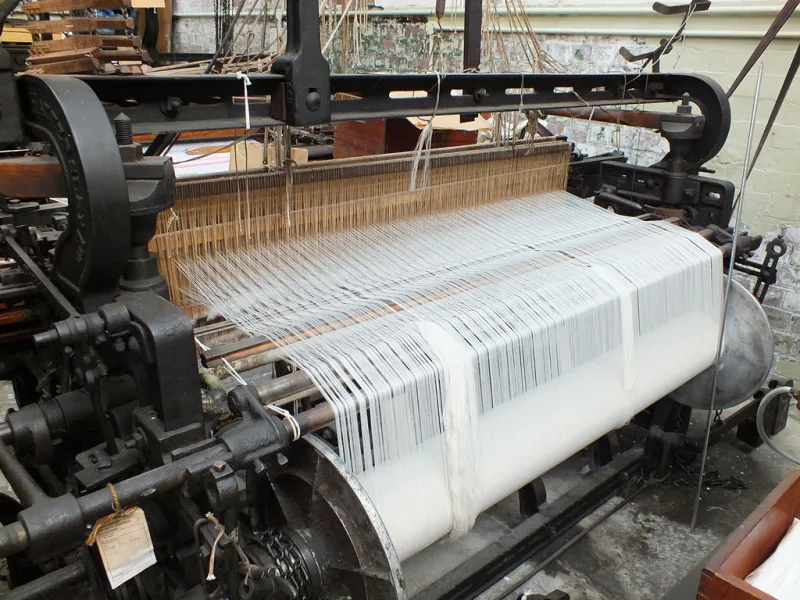
The basic mechanisms in any type of looms can be classified into Primary (shedding, picking & beat up), secondary and Auxiliary motions. Shedding opens the warp sheet into layers. The picking causes the shuttle carrying weft to be propelled from one end of the loom to another. The beat-up motion lays the previously laid weft to the fell of the cloth. The secondary motion comprises of take-up and let-off motions. The auxiliary motions consist of the warp stop, weft stop, and warp protector motions.

Weaving Loom Mechanisms Read More »

zigzag wavy twills

Zigzag or Wavy Twills: Structure, Characteristics, and Applications

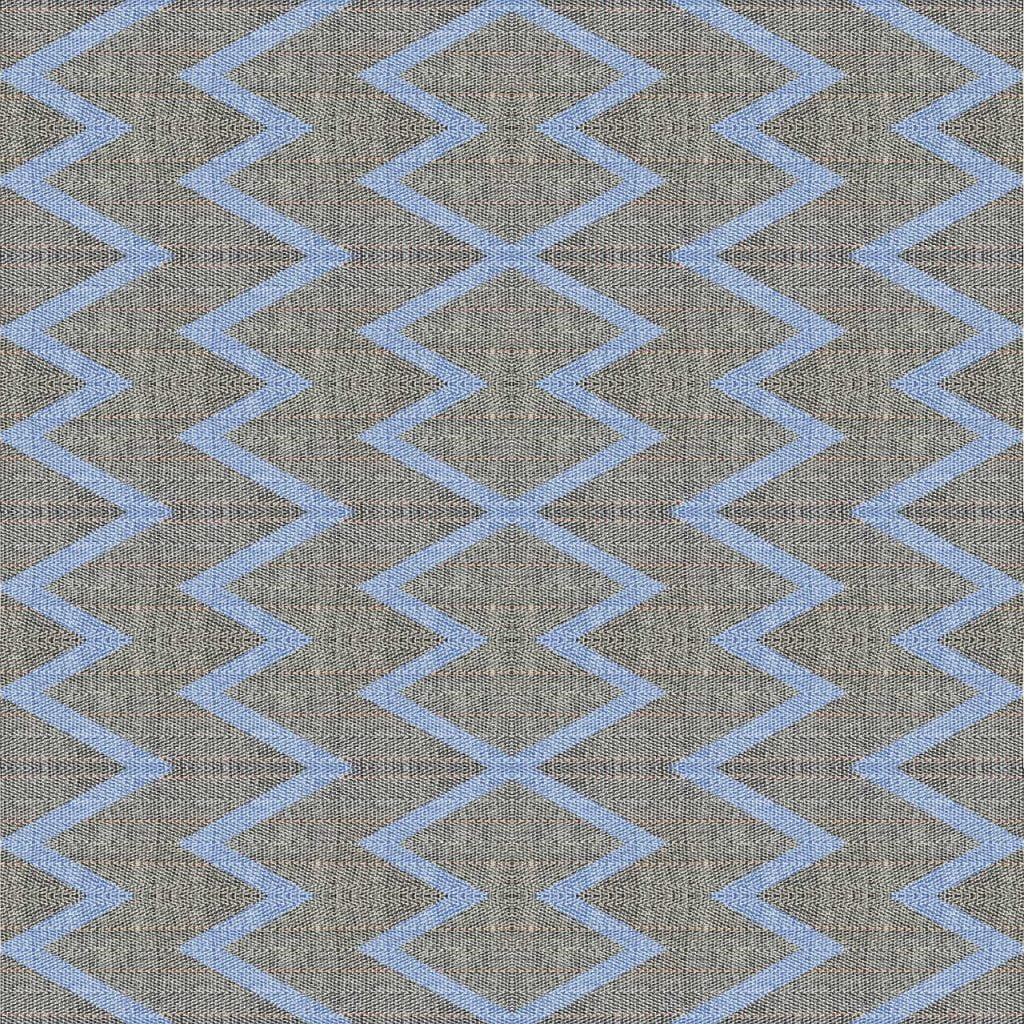
Zigzag or wavy twills are specialized variations of the twill weave, distinguished by their distinctive, visually striking patterns that alternate diagonal directions to create zigzag or wavy effects. This article explores the construction, characteristics, advantages, and applications of zigzag and wavy twills, highlighting their aesthetic appeal and functional properties. By examining their structural design, production considerations, and practical uses, the article provides a comprehensive resource for textile professionals and designers aiming to leverage these unique weaves in fashion, home textiles, and technical applications.

Zigzag or Wavy Twills: Structure, Characteristics, and Applications Read More »

Twill Weaves

Twill is a type of textile weave with a pattern of diagonal parallel ribs. It can be identified by looking at the presence of pronounced diagonal lines that run along the width of the fabric. It has higher resistance to tearing than a plain weave because it has fewer yarn interlacing per area, therefore a greater degree of internal mobility. In addition, two yarns will bear the load when the fabric is torn.

Twill Weaves Read More »

Scroll to Top