Natural Fiber

Focus on cotton, wool, silk, flax, hemp, jute, and regional fibers. Agronomy, harvesting, ginning, scouring, and lifecycle impacts. This section explains practical decision criteria, typical test methods, and failure modes that matter in real production. Readers get checklists, calculation steps, and case examples connecting specifications to cost, reliability, and compliance. Links map core concepts to upstream inputs and downstream processes so choices remain consistent across sourcing, manufacturing, and end-use performance. Each article includes definitions, diagrams where helpful, and plain-language notes to help newcomers ramp quickly while giving experienced professionals the depth needed to troubleshoot and optimize. Standards references are cited with context, and whenever trade-offs exist, we make them explicit so you can defend decisions.

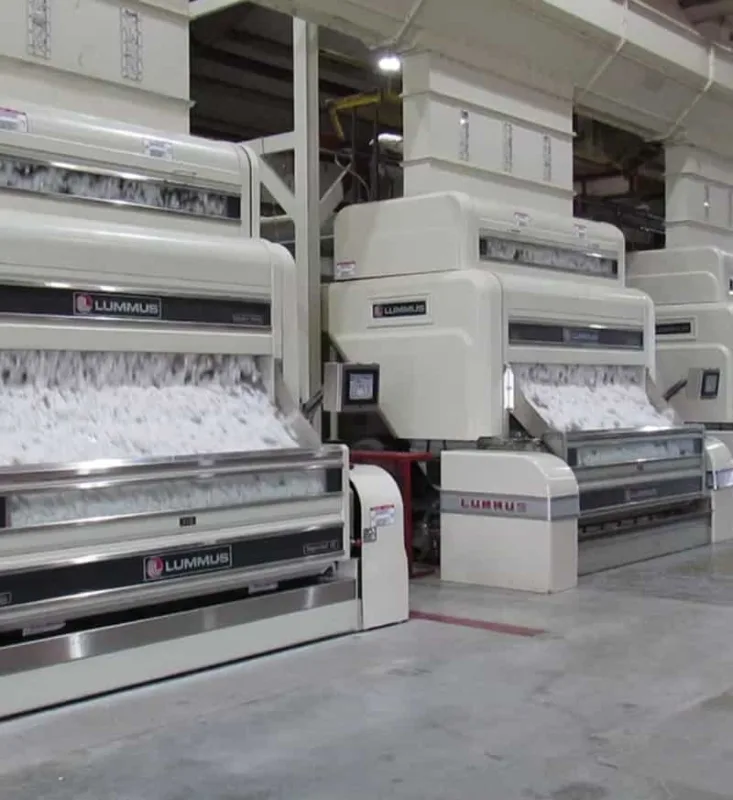
Natural Cellulosic Seed Fibres

Cellulose is the substance that makes up most of a plant’s cell walls. Since it is made by all plants, it is probably the most abundant organic compound on Earth.Many varieties of plant fibers exist such as hairs (cotton, kapok), fiber-sheafs of dicoltylic plants or vessel-sheafs of monocotylic plants (e.g. flax, hemp, jute, and ramie), and hard fibers (sisal, henequen, and coir), not to mention a large number of fibers obtained from trees.

Natural Cellulosic Seed Fibres Read More »

fabrics

Textile Fabric Types – different types of fabrics and their patterns

Generally, a set number of yarns are used for the formation of fabrics. Also, a number of techniques are used for producing fabrics such as weaving, knitting, and felting. The type of fabrics varies by the fibers, the fabric formation techniques, machinery used for producing them, and finishing techniques. Fabrics can also be made differently based on the application.

Textile Fabric Types – different types of fabrics and their patterns Read More »

Hair Fibers: Alpaca, Llama, Cashmere, Mohair, and Camel in Textile Manufacturing

Alpaca, llama, cashmere, mohair, and camel hair fibers are luxurious natural fibers valued for their softness, warmth, and versatility in textiles. Used in high-end apparel and home textiles, these fibers offer unique properties while posing environmental and ethical considerations, making them key players in sustainable luxury textile manufacturing.

Hair Fibers: Alpaca, Llama, Cashmere, Mohair, and Camel in Textile Manufacturing Read More »

Scroll to Top