

Qiviut is the soft inner underwool of the Arctic musk-ox (Ovibos moschatus), shed each spring and gathered by combing or collecting, so harvesting does not harm the animal. It is finer than cashmere, warmer and stronger than sheep’s wool, lacks lanolin, does not shrink when washed and softens with use. A musk-ox yields only 4–6 pounds a year, which keeps qiviut rare and costly.
Qiviut (pronounced kiv-ee-ute) is among the world’s most luxurious and rare natural fibers. Derived from the soft undercoat of the musk-ox (Ovibos moschatus), this fiber offers exceptional qualities that rival or surpass those of cashmere and merino wool. Indigenous communities of the Arctic have valued it for generations, and today, it is recognized globally for its unique softness, warmth, and sustainability.
1. Origin of Qiviut: The Musk-Ox and Its Arctic Home
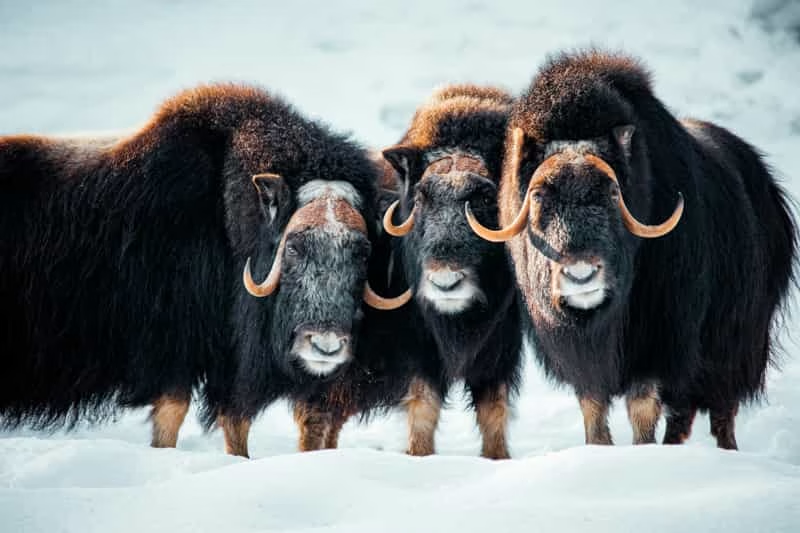
The musk-ox, despite its name, is more closely related to goats and sheep than to oxen. These majestic creatures have roamed the Arctic tundra for thousands of years, surviving extreme cold thanks in part to their dense double-layered coat.
The outer layer is made of coarse guard hairs.
The qiviut is the soft inner layer, shed naturally each spring.
This seasonal molting allows for non-invasive collection of the fiber—either by combing shed fibers from the animal or gathering them from the environment.
The musk-ox: size, range and coat
The musk-ox belongs to the subfamily Caprinae, with goats and sheep, although it looks like a small bison. Bulls stand about 1.4 m (4.5 feet) at the shoulder and can weigh over 350 kg; cows are noticeably smaller. Both sexes carry horns, but only the bull’s horns meet across the forehead in a heavy plate called the boss. The name comes from the strong odor bulls give off in the rutting season, and the Inupiaq name, oomingmak, means “the bearded one”.
The coat has two layers. Long, coarse guard hairs hang almost to the ground and shed snow and wind; under them lies the qiviut. Adults shed the qiviut each spring and grow a new layer before winter.
Musk-oxen live on the Arctic tundra of Canada and Greenland. Hunting wiped them out in Alaska by about 1900; animals from Greenland were brought back to Alaska in the 1930s, and small herds have also been introduced in Norway, Sweden and Russia. They live in herds of about 10 to 20, and when threatened the adults stand shoulder to shoulder in a line or ring, horns outward, with the calves behind or inside. A cow bears a single calf after a gestation of about eight to nine months; twins are rare.
Dyeing qiviut, and where the fiber comes from
Qiviut takes the same dyes as wool. Its natural gray-brown color dulls bright shades, and bleaching lightens the fiber without making it white. Because the fiber is so fine, it is more easily damaged than wool by alkalis, acids and strong chemicals, so scouring and dyeing must be gentle.
Wild musk-oxen drop their qiviut on the tundra, where weather destroys most of it before anyone can gather it, so combing farmed animals gives the cleanest fiber. In Greenland, some qiviut is taken from the hides of musk-oxen hunted under quota; the fiber is cleaned and dehaired before spinning.
2. Properties of Qiviut Fiber
Qiviut is considered one of the finest animal fibers known to humans. Here’s why it stands out:
| Property | Qiviut |
|---|---|
| Fiber Diameter | ~15-20 microns (comparable to cashmere) |
| Warmth | ~8 times warmer than sheep wool |
| Texture | Incredibly soft, silky feel |
| Shrink Resistance | Does not shrink when washed |
| Hypoallergenic | Yes, lacks lanolin |
| Durability | Stronger than sheep wool |
| Aging | Becomes softer with use |
Its strength and softness, combined with insulation properties, make qiviut ideal for high-end garments like scarves, hats, shawls, and sweaters.
3. Qiviut vs. Other Fine Fibers
| Fiber | Softness | Warmth | Shrinkage | Availability | Price Range (per oz) |
|---|---|---|---|---|---|
| Qiviut | ★★★★★ | ★★★★★ | ❌ | Extremely Rare | $35–$50+ |
| Cashmere | ★★★★☆ | ★★★★☆ | ✔️ | Common | $10–$20 |
| Merino Wool | ★★★★☆ | ★★★☆☆ | ✔️ | Widely Available | $2–$5 |
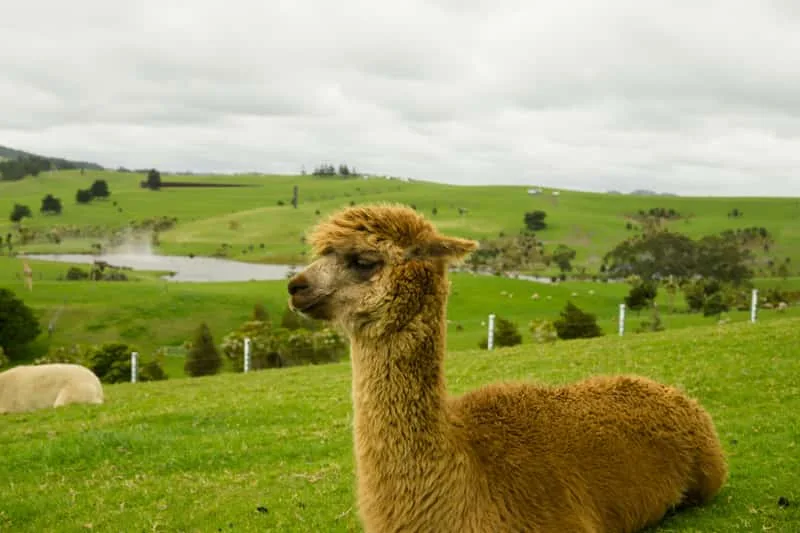
| Alpaca | ★★★★☆ | ★★★★☆ | ✔️ | Readily Available | $4–$8 |
Qiviut wins in terms of warmth, shrink resistance, and exclusivity. It’s a status fiber for those seeking sustainable luxury.
4. Sustainable and Ethical Harvesting
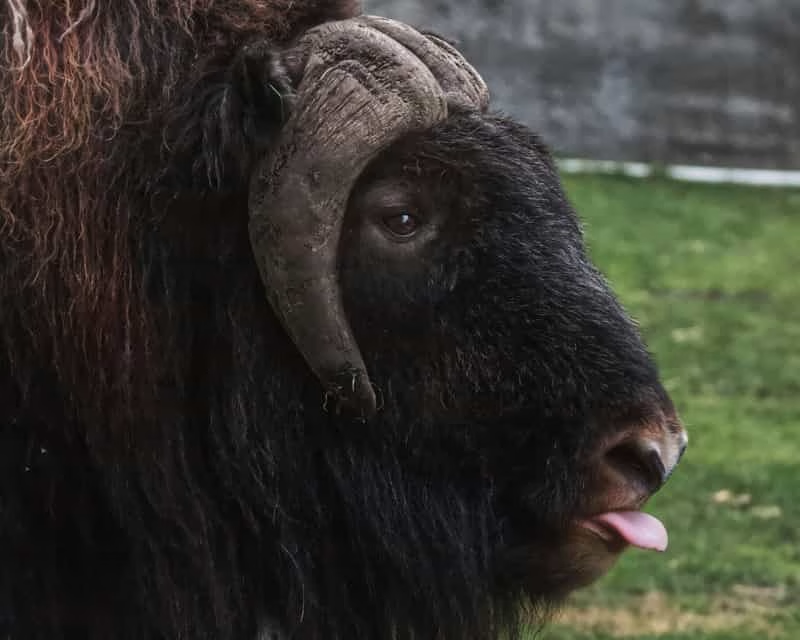
Unlike wool or fur farming, qiviut harvesting is a non-invasive process. Since musk-oxen naturally shed their undercoat, the fibers can be:
Gently combed from semi-domesticated herds.
Collected from wild-shed clumps caught on shrubs.
Harvested by indigenous cooperatives during the spring molt.
Indigenous communities, especially in Alaska and Northern Canada, play a critical role in qiviut production. For example, the Oomingmak Musk Ox Producers’ Cooperative in Alaska empowers native women to hand-knit garments from locally harvested qiviut.
5. Challenges and Rarity
Several factors contribute to qiviut’s high cost and limited availability:
Low yield: A single musk-ox yields only 4–6 pounds of qiviut per year.
Labor-intensive process: Cleaning, dehairing, and spinning are delicate and time-consuming.
Remote geography: Musk-oxen live in harsh, inaccessible environments.
Due to these factors, qiviut is often referred to as the “diamond of natural fibers.”
6. Uses of Qiviut Fiber
Because of its properties and high cost, qiviut is typically used for:
Hand-knit scarves and cowls
Luxury beanies and hats
Lightweight shawls
Woven artisan textiles
Qiviut yarns are often left in their natural gray-brown color, although some can be dyed using gentle, non-damaging processes.
7. Care and Maintenance
Qiviut garments are surprisingly low-maintenance:
Hand-wash gently in lukewarm water with mild soap.
Do not agitate or wring.
Lay flat to dry.
No ironing or dry-cleaning needed.
With care, qiviut items can last for decades, softening with time rather than deteriorating.
8. Cultural Significance
Qiviut holds deep cultural value among Arctic Indigenous peoples. Historically used in cold-weather garments, its traditional role has evolved into a source of economic empowerment. The sale of qiviut-based products supports:
Traditional lifestyles
Local economies
Artisanal craftsmanship
Conservation efforts
Conclusion
Qiviut is more than just a luxury textile; it’s a marvel of nature, tradition, and sustainability. As the world embraces ethical fashion and rare, renewable fibers, qiviut remains a shining example—soft as a cloud, warm as a hearth, and enduring as the Arctic spirit from which it came.
Citations & References:
Oomingmak Musk Ox Producers’ Co-operative. http://www.qiviut.com
University of Alaska Fairbanks – Reindeer Research Program
Textile Exchange – “Luxury and Exotic Animal Fibers” Report
The Canadian Encyclopedia – Muskox
Interweave Press – “Spinning Luxury Fibers”
The Arctic Institute – Traditional Knowledge and Qiviut Use
Qiviut Fiber Market Report, 2024 – TextileWorld Insights


I enjoyed reading your article.