

Machine embroidery has revolutionized textile decoration with speed, precision, and versatility. Modern production integrates digital design with automated machinery. This article explores every stage of the machine embroidery production process. We discuss design preparation, digitizing, machine setup, production, quality control, and finishing techniques. Industry professionals, students, and enthusiasts will find actionable insights and real-world examples throughout this detailed guide.
The machine embroidery process transforms creative designs into intricate patterns on fabric. Manufacturers rely on advanced software, high-speed machinery, and rigorous quality control to achieve perfect results every time. In this article, we highlight essential methods and technologies that drive innovation in textile decoration. Our discussion also covers sustainable practices and cost-effective strategies that enhance overall production efficiency.
Introduction to Machine Embroidery
Machine embroidery forms a cornerstone of modern textile decoration. Designers create digital patterns that machines use to stitch intricate motifs onto fabric. This process marries technology with traditional craftsmanship. High-speed embroidery machines deliver consistency and complexity that manual methods cannot match. The result is an impressive fusion of art and technology.
Embroidered garments and accessories represent a significant segment of the global textile market. As consumer demand for personalized and high-quality products grows, machine embroidery production becomes increasingly critical. The process covers everything from small-scale boutique production to large industrial runs.
Machine embroidery excels in delivering vibrant, detailed designs. It enables customization, intricate shading, and multi-thread detailing. By incorporating advanced digitizing techniques and computer-controlled machinery, manufacturers meet both aesthetic and functional demands. This article explains the production process step by step, ensuring that every stakeholder—from designers to quality control experts—understands the underlying principles and best practices.
History and Evolution of Machine Embroidery
The journey of machine embroidery began in the early 20th century. Early machines evolved from simple mechanical systems to sophisticated computer-controlled devices. Initial designs relied on basic patterns, and manual adjustments played a significant role. Over time, automation and digital technologies transformed the industry.
In the 1970s and 1980s, computer technology emerged as a catalyst for innovation. Manufacturers integrated digital controls with embroidery machines. This shift enabled precise pattern replication and faster production speeds. Today’s embroidery machines offer unparalleled flexibility and efficiency, thanks to continuous advancements in hardware and software. Historical milestones in machine embroidery have paved the way for the modern production processes we see today.
The evolution of machine embroidery illustrates the textile industry’s dedication to innovation. Digital systems now allow for rapid pattern modification and extensive design customization. Designers can experiment with color gradients, texture effects, and layered stitching techniques. These advances have elevated machine embroidery to a sophisticated art form. Learn more about the evolution of textile technologies in our Textile History section.
Design and Digitizing
Design preparation is the first step in the machine embroidery production process. It begins with conceptual sketches and digital artwork. Designers create detailed graphics using software that supports vector and raster formats. The initial design phase sets the creative direction for the final product. Accuracy in this stage is crucial to avoid costly rework later in production.
Digitizing converts artwork into a machine-readable format. Skilled digitizers use specialized software to create embroidery files that instruct machines on stitch types, densities, and directions. This process involves mapping every line and curve to optimize stitch flow and fabric utilization. Digitizing also takes into account fabric characteristics such as texture, thickness, and stretch.
The digitizing stage bridges the gap between creative design and automated production. High-quality digitizing ensures that every detail is accurately reproduced on the final garment. Designers and technicians work closely to test and refine the embroidery file. Adjustments may include changing stitch types, adjusting density, or modifying underlays to prevent puckering. With digital files in hand, manufacturers can achieve consistent and repeatable results, driving efficiency and reducing waste.
Innovative software tools now offer simulation features that allow designers to preview the embroidered design on virtual fabric. These simulations enable real-time adjustments, saving time and improving accuracy. The integration of digital tools into the embroidery process is a game changer for modern textile production.

Machine Setup and Calibration
Proper machine setup is vital for ensuring flawless embroidery production. Before production begins, operators calibrate machines to align with the specific requirements of each design. This setup process includes loading the correct embroidery file, threading the machine accurately, and setting the proper tension. Calibration affects stitch quality, pattern alignment, and overall production speed.
During machine setup, technicians pay close attention to the compatibility between fabric, stabilizer, and design. Stabilizers provide support for the fabric during embroidery, preventing distortion and puckering. The selection of the appropriate stabilizer depends on the fabric type and the design’s intricacy. Proper machine setup also involves adjusting needle positions and thread guides to match design specifications.
Calibration is an ongoing process throughout production. Operators monitor stitch quality and make real-time adjustments. Digital monitoring systems alert technicians to potential issues, allowing for quick interventions. This proactive approach minimizes defects and maintains high-quality output. Operators also conduct test runs on sample fabrics to ensure that settings remain consistent across production runs.
Training plays a significant role in machine setup and calibration. Skilled technicians combine technical knowledge with hands-on experience to optimize machine performance. Continuous professional development ensures that operators stay updated on the latest calibration techniques and equipment innovations.
The Production Process
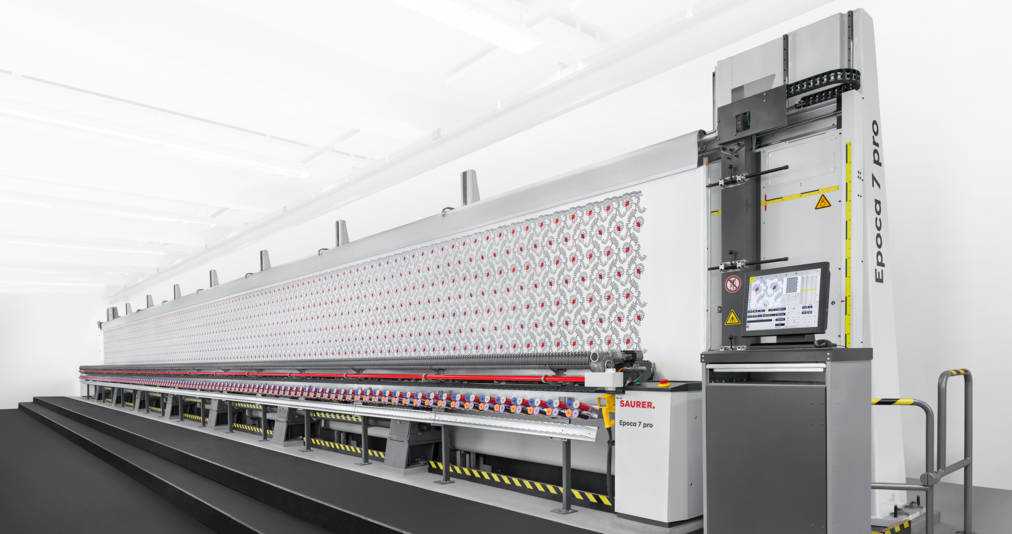
The production phase is where digital designs come to life on fabric. Once machines are set up and calibrated, the embroidery process begins. High-speed embroidery machines execute thousands of stitches per minute. These machines follow the digitized design, laying down threads in precise sequences. The process is automated, yet requires constant monitoring to ensure quality.
Embroidery machines often work in tandem with computer-controlled systems. These systems track production metrics such as stitch count, speed, and thread consumption. Real-time data helps optimize production and reduce errors. Production lines typically include multiple machines operating concurrently to meet high-volume demands.
Operators perform periodic checks during production. They inspect fabric alignment, thread tension, and stitch consistency. Regular maintenance and adjustments prevent issues such as thread breakage or misalignment. Quality control teams inspect finished pieces to verify that they meet design specifications. The coordination between machine operators, quality control teams, and maintenance staff is key to a smooth production process.
In addition to traditional production lines, some manufacturers use automated systems that integrate robotics. These systems streamline processes from fabric loading to finished garment assembly. The integration of automation in embroidery production has driven significant improvements in throughput and cost efficiency.
Quality Control and Inspection
Quality control is an integral part of the machine embroidery production process. Every finished product undergoes rigorous inspection to ensure it meets industry standards. Quality checks occur at multiple stages—from the initial test run to the final inspection before packaging. These checks help identify defects such as misaligned patterns, thread breaks, and color inconsistencies.
Digital inspection tools complement traditional visual checks. High-resolution cameras capture detailed images of the embroidered design. Software algorithms analyze these images, flagging any deviations from the standard. This combination of manual and digital quality control enhances accuracy and reduces human error.
Operators record key metrics such as stitch density, thread usage, and defect rates. This data informs continuous improvement efforts and process optimization. Feedback from quality control teams is shared with machine operators and digitizers to refine the production process. Consistent quality control drives customer satisfaction and reinforces brand reputation.
Furthermore, quality control extends to the final finishing stage. Post-production processes such as trimming, ironing, and packaging are critical to maintaining the integrity of the embroidered design. Careful handling during these stages ensures that the final product reaches the consumer in pristine condition. Manufacturers invest in both technology and personnel training to uphold high quality standards across every stage of production.
Finishing and Post-Production Processes
Finishing processes transform raw embroidered pieces into market-ready products. After the embroidery machine completes the design, operators remove excess stabilizer and trim loose threads. This stage requires precision and care to preserve the integrity of the embroidery. Finishing also includes ironing and pressing, which help the fabric regain its shape and appearance.
Post-production processes may also involve additional embellishments. Techniques such as appliqué, beadwork, or sequin attachment add extra dimensions to the design. These embellishments require skilled labor and careful coordination with the initial embroidery. Modern finishing lines often include automated systems for trimming and pressing.
The final quality check occurs during the finishing stage. Each piece is inspected for consistency, color fidelity, and overall craftsmanship. Proper finishing ensures that the final product is not only visually appealing but also durable and ready for retail. Effective post-production processes add value to the garment and enhance customer satisfaction.
Investments in finishing technology have improved turnaround times and reduced labor costs. Automation in trimming and pressing helps maintain consistency across large production runs. These innovations contribute to the overall efficiency of the machine embroidery production process, ensuring that quality is maintained from start to finish.

Innovations in Machine Embroidery Technology
The machine embroidery industry continually evolves through technological innovation. Advancements in software, hardware, and automation have redefined production processes. New embroidery machines feature enhanced speed, precision, and multi-head capabilities. These machines can execute complex designs faster and with greater consistency than ever before.
Recent innovations include the integration of artificial intelligence and machine learning into embroidery systems. AI-driven systems optimize stitch patterns, predict potential errors, and adjust machine settings in real time. These smart systems reduce waste and improve production efficiency. Digital twin technology allows manufacturers to simulate the embroidery process before actual production begins, identifying potential issues and streamlining workflow.
Innovative software tools offer advanced digitizing capabilities. They provide precise control over stitch types, densities, and layering techniques. Designers can now experiment with three-dimensional effects and intricate shading techniques that were once impossible to achieve. These breakthroughs enable new levels of creativity and craftsmanship. The fusion of technology and artistry in machine embroidery production continues to push the boundaries of textile decoration.
Furthermore, recent advancements focus on sustainability. Manufacturers develop energy-efficient machines that reduce power consumption. New thread technologies offer improved durability and environmental friendliness. Innovations in eco-friendly materials and recycling processes contribute to a reduced carbon footprint. These trends underscore the industry’s commitment to balancing performance with environmental responsibility.
Workforce Training and Skill Development
A skilled workforce underpins the success of machine embroidery production. Continuous training ensures that operators, designers, and technicians keep pace with evolving technology. Companies invest in professional development programs to refine both technical and creative skills. Workshops, seminars, and hands-on training sessions form the core of workforce development initiatives.
Training programs cover topics such as machine setup, digitizing techniques, quality control, and finishing processes. Employees learn to troubleshoot equipment issues and optimize production parameters. Practical experience, combined with digital training modules, creates a well-rounded workforce capable of handling complex production challenges. For more information on workforce development, see our Workforce Training section.
Collaboration among team members enhances knowledge sharing and innovation. Experienced professionals mentor new employees, ensuring that traditional techniques blend seamlessly with modern technology. The development of a skilled workforce not only improves production efficiency but also fosters a culture of continuous improvement. This commitment to skill enhancement drives overall productivity and product quality.
Investing in workforce training also boosts employee morale and retention. A well-trained team adapts quickly to new challenges and contributes to innovation. As technology advances, ongoing education remains essential for sustaining competitive advantage. Companies that prioritize training and development set themselves apart in the dynamic world of machine embroidery.
Challenges and Solutions in Production
Despite technological advancements, machine embroidery production faces several challenges. Equipment downtime, thread breakage, and misalignment issues are common production hurdles. Variability in fabric behavior can affect stitch quality and overall design integrity. Manufacturers must continuously monitor these factors to maintain high production standards.
Solutions to these challenges include robust preventive maintenance programs and real-time monitoring systems. Digital sensors and predictive analytics help identify potential issues before they cause downtime. Operators use data-driven insights to make timely adjustments and prevent production interruptions. Implementing lean manufacturing principles and Six Sigma methodologies further enhances process efficiency.
Another challenge is balancing high production speeds with quality. Rapid embroidery can sometimes lead to errors that affect the final product. Manufacturers address this by calibrating machines meticulously and conducting regular quality inspections. Innovative software solutions help optimize stitch paths and reduce thread usage. The integration of digital tools with traditional production methods creates a more resilient production process, minimizing errors and enhancing overall output.
Collaboration among departments also plays a crucial role in solving production challenges. Communication between design, production, and quality control teams ensures that issues are addressed promptly. Continuous feedback loops drive improvements in both process efficiency and product quality. The focus on problem-solving and innovation ensures that challenges become opportunities for growth.
Environmental Considerations and Sustainability
Environmental sustainability has become a priority in machine embroidery production. Manufacturers strive to reduce energy consumption, minimize waste, and adopt eco-friendly materials. Sustainable practices are integrated throughout the production process—from digital design to post-production finishing. Reducing the environmental impact not only aligns with regulatory standards but also appeals to environmentally conscious consumers.
Energy-efficient embroidery machines help lower power consumption during production. Manufacturers invest in systems that optimize resource usage while maintaining high productivity. Advances in recycling technology allow for the recovery of waste threads and offcuts. By adopting a circular economy approach, companies reduce material waste and lower production costs. For more details on sustainability practices, visit our Sustainable Textiles page.
Eco-friendly threads and stabilizers are becoming more popular. These materials reduce harmful emissions and minimize chemical usage during production. Manufacturers also explore waterless finishing processes and low-impact dyes to further reduce environmental impact. Sustainable production practices not only protect the environment but also enhance brand reputation in a competitive market.
Collaboration between industry stakeholders drives continuous improvement in sustainability. Research partnerships and public-private initiatives foster innovation in eco-friendly production. These collaborations lead to the development of greener technologies and more efficient processes. The textile industry’s commitment to sustainability ensures that machine embroidery production evolves in harmony with environmental goals.
Case Studies and Real-World Applications
Real-world examples illustrate the success of advanced machine embroidery production techniques. One leading apparel manufacturer reduced production downtime by 30% through the integration of digital monitoring and predictive maintenance systems. By leveraging advanced CAD/CAM solutions, the company optimized its embroidery process, resulting in improved design consistency and reduced material waste.
Another case study highlights a luxury brand that embraced eco-friendly practices. The brand switched to sustainable threads and recycled stabilizers, reducing its environmental footprint significantly. The use of digital simulations allowed designers to experiment with complex designs without incurring additional material costs. These innovations not only enhanced product quality but also increased consumer satisfaction and market competitiveness.
Real-world applications extend across various textile sectors, from fashion and home décor to technical textiles. Companies that integrate digital tools and sustainable practices see tangible improvements in efficiency and product quality. Case studies demonstrate that continuous innovation in machine embroidery production can drive both economic and environmental benefits. These examples serve as a benchmark for best practices in the industry.
Moreover, manufacturers who invest in workforce training and digital integration consistently outperform their competitors. The combination of advanced technology, sustainable practices, and skilled personnel creates a resilient production process that adapts to changing market demands. Real-world success stories underscore the importance of continuous improvement and collaboration in the machine embroidery sector.

Future Trends in Machine Embroidery Production
The future of machine embroidery production is marked by rapid technological advancements and increased sustainability. Innovations in AI and machine learning promise to further optimize production. Smart embroidery machines will soon offer self-adjusting capabilities that monitor stitch quality and adapt in real time. Digital twin technology will simulate production processes to predict and eliminate potential issues before they occur.
The integration of augmented reality (AR) and virtual reality (VR) in design and training will revolutionize how designers interact with embroidery patterns. These immersive technologies enable designers to visualize patterns on virtual fabrics and make real-time adjustments. AR and VR also enhance training programs, allowing operators to experience simulated production environments that mirror real-world scenarios.
Sustainability remains a key focus for future developments. Researchers are exploring biodegradable threads and eco-friendly stabilizers that reduce environmental impact. The push for a circular economy will drive innovations in recycling and waste recovery. Manufacturers will increasingly adopt green technologies to meet consumer demand for sustainable products. Future trends indicate that machine embroidery production will continue to evolve, balancing technological excellence with environmental responsibility.
Collaborative efforts among industry leaders, academic institutions, and technology providers will fuel these advancements. Public-private partnerships and research grants will accelerate the development of new materials and digital tools. The future of machine embroidery production looks promising, with a clear path toward increased efficiency, higher quality, and reduced environmental impact.
Conclusion and Future Outlook
The machine embroidery production process represents a dynamic blend of digital innovation, skilled craftsmanship, and sustainable practices. This article has detailed every stage of the process—from initial design and digitizing to machine setup, production, quality control, and finishing. We have explored how advancements in CAD/CAM technology, real-time monitoring, and eco-friendly practices are transforming the industry.
Looking ahead, the future of machine embroidery is bright. Innovations in artificial intelligence, augmented reality, and sustainable materials promise to elevate production standards even further. As the industry embraces digital transformation and sustainability, manufacturers will achieve greater efficiency, higher quality, and reduced environmental impact. The continuous evolution of machine embroidery production will drive the textile sector into a new era of technological excellence and responsible manufacturing.
Industry professionals, students, and enthusiasts alike will benefit from adopting these cutting-edge practices. The integration of digital tools and sustainable methods creates a resilient production process that meets the demands of today’s competitive market. By staying at the forefront of innovation and investing in workforce training, the textile industry can build a future where creativity and environmental responsibility go hand in hand.
The comprehensive exploration of the machine embroidery production process presented in this article serves as a robust resource for all stakeholders. Embracing these strategies and innovations will ensure that the industry continues to thrive in an ever-evolving market landscape.







Hello. myself Jaydeep from Mumbai, India. I want to know the total process to manufacture chemical embroidery fabric.
Check here: https://www.textileschool.com/29628/comprehensive-guide-to-the-chemical-embroidery-fabric-manufacturing-process/